
How to stop your dental implant from trapping food every time you eat
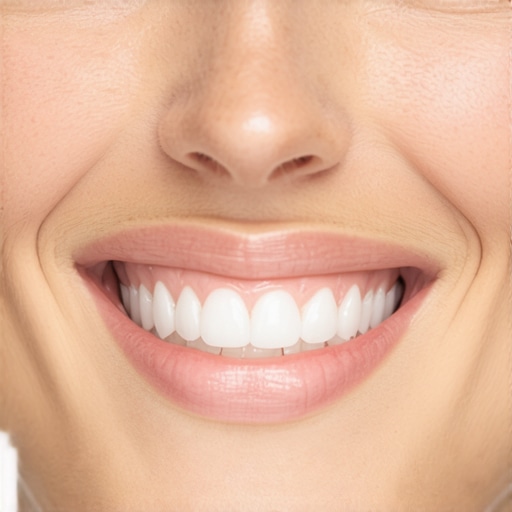
I remember the exact moment I realized my dental implant was turning into a little trap for every meal. I was enjoying a salad, and suddenly a stubborn piece of lettuce got stuck right where my new crown met my gums. It wasn’t just annoying; it made me question if I’d made a mistake with my implant. That sink-in-your-stomach feeling of food catching every time I ate? Definitely not the upgrade I hoped for.
Why Food Getting Stuck Is More Than Just an Inconvenience
Dealing with trapped food around your dental implant isn’t petty; it can lead to irritation, bad breath, or even infections if not addressed properly. Our mouths are bustling ecosystems, and every time food traps itself, it disrupts the delicate balance. Over time, this can affect your overall oral health, potentially leading to more complicated—and costly—issues down the line.
But here’s the good news: I’ve been there, and I’ve learned some simple yet effective strategies to prevent my implant from becoming a food trap. Today, I want to share these insights, so you don’t have to suffer through the same frustrations I did. It’s all about understanding what causes the problem and how to fix it.
Is This Fix Worth the Hype or Just Another Fad?
Early on, I made the mistake of dismissing these issues, thinking it was just part of having an implant. I assumed that once it was placed, there was nothing more I needed to do. I didn’t realize that small adjustments in my daily routine could make a huge difference. Trust me, I learned the hard way that overlooking these tiny details can turn your perfect smile into a food-catching nightmare.
For more in-depth tips, I recommend exploring [the ultimate guide to crowns for a healthier smile](https://familydentistpro.com/the-ultimate-guide-to-crowns-for-a-healthier-smile). It’s packed with professional advice that transformed my approach.
Now, if you’re tired of feeling like your dental implant is more of a trap than a boost to your confidence, stick around. In the following sections, I’ll walk you through practical, proven steps to keep your implant clean, comfortable, and, most importantly, free from unwanted food sneaking in. Are you ready to reclaim your mealtime joy? Let’s dive into the solutions that can change your dental experience today.
Master Your Daily Oral Hygiene Routine
The foundation of preventing food from catching around your implant begins with meticulous daily cleaning. Use a soft-bristled toothbrush and fluoride toothpaste to gently brush around the crown and gum line twice a day. Incorporate interdental brushes or floss designed for dental implants to reach tricky spots, minimizing debris buildup. I once struggled with food constantly getting stuck until I started flossing with waxed dental floss, which glides more easily under crowns, making cleaning more effective and preventing food traps.
Choose the Right Dental Tools
Invest in Specialized Floss and Brushes
Don’t settle for generic floss—opt for super-floss or floss picks with stiff ends to thread beneath challenging areas. Interdental brushes with small, firm bristles can maneuver around the implant for a thorough cleanup. I found that switching to interdental brushes after my cleaning routine significantly reduced food particles and improved gum health. Proper tools are crucial; using the right equipment ensures you’re effectively removing plaque and trapped debris, aligning with recommendations in top oral health tips.
Adjust Your Diet to Protect Your Implant
Be mindful of sticky or hard foods that challenge the integrity of crowns and implants. Cut crunchy vegetables like carrots into smaller pieces; avoid sticky candies that cling and dislodge restorations. I remember one dinner where I hesitated with my caramel apple; I took small bites and used a water flosser afterward, which helped dislodge any residues and prevented discomfort. These small dietary adjustments can dramatically reduce food trapping and prolong your implant’s lifespan.
Incorporate Complete Mouth rinses
A germicidal mouthwash can help reduce bacteria and debris that brushing and flossing might miss. Swish for 30 seconds after cleaning, focusing on the area around the implant. I noticed my breath freshened and my gums felt healthier when I added this step. Rinsing complements mechanical cleaning, thereby forming a comprehensive approach to maintaining oral health and preventing food from settling into unwanted spaces.
Schedule Regular Dental Check-ups
Consistent visits to your dentist allow for professional cleaning and early detection of issues like micro-cracks or gum recession that can facilitate food trapping. During my routine check-ups, my dentist used specialized tools to clean hard-to-reach areas, preventing problems before they escalated. These visits are your best defense against complications, especially with complex restorations like crowns and implants, as explained in why crowns are a game-changer.
Utilize Advanced Restorative Options When Needed
If recurrent food trapping persists, discuss with your dentist options like re-contouring the crown or exploring newer implant designs. Technology evolves—like the advent of modern dental solutions—which can better seal and contour your restorations, reducing crevices where food can hide. During a recent visit, my dentist suggested a minor reshaping of my crown, which made a noticeable difference in my ability to clean effectively and dine comfortably afterward.
By integrating these core actions—meticulous cleaning, tool selection, dietary mindfulnes, regular check-ups, and considering advanced restorations—you gain control over your oral environment. Consistency is key; small, daily efforts compound into long-term savings for your dental health and confidence. Keep these steps in mind, and you’ll be well on your way to enjoying meals without worry of trapped food around your implant.
}#END#}#system աւ{When it comes to dental restorations like crowns and orthodontic options like Invisalign, many believe they understand the fundamentals. However, beneath the surface lies a realm of nuances that seasoned dentists know but aren’t often discussed openly.
Are You Falling for These Common Myths About Modern Dental Care?
One widespread misconception is that all crowns are equally durable or that Invisalign works seamlessly for everyone. In reality, the quality of crowns varies significantly, influenced by materials, placement techniques, and the skill of the dentist. For instance, opting for cheaper crowns without understanding their material limitations can lead to quicker wear or discoloration, affecting long-term aesthetics and functionality. To make informed choices, it’s crucial to look beyond marketing and consult trusted sources; for example, check out how crowns can revolutionize your oral health.
A common trap in orthodontics pertains to Invisalign’s versatility. Many assume that it’s a one-size-fits-all solution, but treatment success hinges on factors like tooth movement complexity and patient’s adherence. Modern research highlights that case selection and patient cooperation are pivotal for results, echoing findings in a study published by the American Journal of Orthodontics. Interestingly, some patients underestimate the importance of attending all scheduled aligner check-ups, which can compromise the final outcome. Dive into this comprehensive guide to Invisalign myths that debunks misconceptions and emphasizes customization.
Now, let’s address a frequently overlooked aspect — the role of family dentistry in holistic oral health. Many think of family dentistry as merely maintenance for kids, but experienced practitioners understand that early intervention and preventive care across all ages reduce costly treatments down the line. Regular check-ups are not just about cavities; they involve screening for gum disease, bite issues, and even oral cancer. The real secret is that a proactive approach fosters lifelong dental health, as explained in family dentistry secrets for all ages.
Have you ever fallen into this trap of oversimplifying dental solutions? Let me know in the comments!
***
Mastering the nuances of dental care means understanding the variables that influence longevity and functionality. For example, the choice of materials in crowns like porcelain versus zirconia can drastically alter their transparency and strength. Moreover, advanced techniques such as digital impressions and computer-aided design streamline the process, minimizing errors and enhancing fit—something experienced dentists leverage for better outcomes. Recognizing these details ensures we make better decisions for long-lasting smiles.
In the realm of Invisalign, the secret lies in understanding the technology’s limitations and benefits. For instance, attachments or small tooth-colored buttons are sometimes necessary for complex movements, which many unaware patients might call Maintaining your dental restorations and overall oral health requires more than just good intentions; it demands the right tools and techniques. Over the years, I’ve refined my approach, selecting equipment that truly makes a difference in longevity and comfort. One indispensable tool I swear by is the Waterpik Ultra Water Flosser. Unlike traditional floss, it uses a targeted stream of water to dislodge food particles and plaque from hard-to-reach places around crowns, implants, and braces. I personally switched to the Waterpik after experiencing the frustration of trapped food despite diligent flossing, and the results were immediate—better cleanliness and healthier gums. For optimal results, I set my water pressure to medium and use the jet tip, which provides a powerful yet gentle cleaning experience, especially around complex restorations. I predict that in the near future, advancements in ultrasonic and laser cleaning devices will further enhance at-home maintenance, making it more effective and less time-consuming.
How do I maintain my tools and techniques over time?
Regularly replacing tips on devices like the Waterpik every three to six months ensures maximum efficiency. Additionally, sterilizing reusable tools and cleaning your devices according to manufacturer instructions prevents bacterial buildup. Upgrading to a sonic toothbrush like the Oramys Sonicclean has also transformed my routine, providing superior plaque removal and gum stimulation compared to manual brushing. I recommend choosing a model with pressure sensors to prevent over-brushing and gum recession. Remember, even with the best tools, technique matters; I spend extra time brushing and flossing around my crowns and implants, following guidance from experts like those found in professional advice on long-lasting restorations. Incorporating these tools into your daily routine is a game-changer. For instance, I challenge you to try the Waterpik’s jet tip in combination with regular sonic brushing for one week—notice how much easier it is to keep your restorations clean and your gums healthy. Investing in the right tools and maintaining their condition ensures your oral health benefits last for years to come.
What I Didn’t Expect to Learn About Crowns and Invisalign
My biggest takeaway was realizing how much small habits and choices influence long-term dental health. I once thought once a crown was placed, my part was over, but I learned that consistent, gentle cleaning and mindful eating cemented its durability. Similarly, with Invisalign, I discovered that adherence and patience are key—something I underestimated at first. These realizations transformed my perspective and empowered me to take control.
Tools and Resources That Changed My Approach
Investing in a Waterpik Water Flosser revolutionized my oral hygiene routine, making it easier to clean around crowns and implants. The ultimate guide to crowns provided professional insights that clarified my options and set realistic expectations. For orthodontics, Invisalign myths helped me understand the importance of case selection and diligence. Trusted tools and expert advice can dramatically enhance your journey toward a healthier, confident smile.
Your Smile Deserves More Than Just Hope
Embracing these lessons has genuinely boosted my confidence and comfort in my daily routine. Remember, your dental health is an ongoing partnership—small, consistent efforts compound into lifelong benefits. Now it’s your turn: start implementing these habits today and watch your smile flourish. Your future self will thank you for the proactive steps you take now. How will you elevate your dental care routine this week? Let me know below and share your experiences!
.