
How to fix a sharp edge on a tooth at home before your dental visit
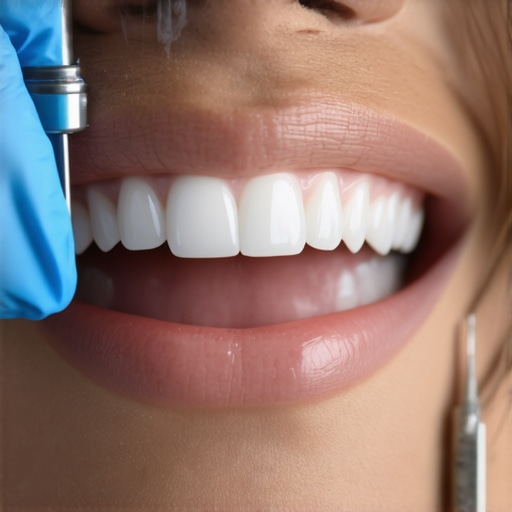
Ever experienced that sudden, jarring sensation when biting into something, only to realize there’s a tiny, painful edge on one of your teeth? I remember the first time it happened to me during a family dinner, and I was caught off guard—half thinking I needed an emergency trip to the dentist. That sharp edge was not only uncomfortable but also scary, especially when you’re unsure if it’s serious or something you can handle at home.
Why a Sharp Tooth Edge Can Disrupt Your Daily Routine
This tiny jagged edge might seem insignificant, but it can cause real discomfort and even lead to further dental issues if not addressed promptly. When a tooth has a rough or sharp edge, it can irritate your tongue, cheeks, or even poke into your lip, making everyday actions like talking and eating uncomfortable. Moreover, if left untreated, this small chip or roughness can develop into a bigger crack or break, potentially requiring more invasive dental procedures later on.
Have You Faced This Problem Without Knowing What to Do?
Many people find themselves in this situation, unsure whether they should ignore the discomfort or see a dentist immediately. I made that mistake early on—assuming it would smooth out on its own, only to find it worsened over time. Trust me, neglecting a sharp edge can sometimes lead to infections or tooth sensitivity that interfere with your oral health. Therefore, understanding a safe and effective way to smooth out this edge at home can save you pain and a trip to the dentist.
Today, I’m going to share proven tips I’ve gathered from personal experience and expert advice to help you fix that dangerous edge safely and comfortably. Before diving into the how-to, let’s address one common concern.
Is Fixing a Sharp Tooth Edge at Home Actually Worth the Hype?
There’s plenty of misinformation online about quick fixes—some of which could do more harm than good. I remember trying a DIY patch with glue that I read about in a forum, which was a terrible idea! Early on, I made the mistake of ignoring the importance of proper methods, risking damage to my tooth or worsening the chip. That experience taught me the value of reliable, safe techniques and how crucial it is to understand what works and what doesn’t. For trustworthy guidance, it’s wise to consult your dentist, but temporary fixes can buy you time and comfort until your appointment.
In the following sections, I’ll walk you through simple, effective steps that you can safely perform at home. If you’ve ever dealt with a sharp tooth edge and felt unsure of the best way to handle it—stay tuned. We’ll also discuss when it’s essential to see a professional, ensuring your smile stays healthy and pain-free.
Start with a Gentle Rinse to Prepare
Immediately after noticing the sharp edge, rinse your mouth with warm salt water. This step cleans the area, reducing bacteria and making the surface smoother for your subsequent action. I vividly remember splashing warm salt water onto my gum line when I first did this; it helped calm irritation and made the next step easier.
File the Edge Carefully with a Fine-Grade Emery Board
Use a clean, unused nail emery board or a fine-grit dental file to gently smooth the rough edge. Hold the file at a 45-degree angle to the tooth surface and light pressure. I once attempted this after reading online advice, using a nail file I had in my drawer—initially, I was nervous, but gentle strokes gradually softened the jagged bump without damaging my tooth.
Focus on Minimal Pressure to Avoid Damage
Applying excessive force can cause cracks or further chips. Think of it like sanding a piece of wood—you want gentle, controlled strokes, not aggressive digging. Every few seconds, check the smoothness; if the edge still feels sharp, continue with light, short strokes.
Rinse and Check the Progress
After filing, rinse your mouth thoroughly to wash away debris. Use your tongue to feel if the edge is now smooth and comfortable. This tactile check helps ensure you haven’t missed any rough spots. I kept feeling the tooth with my fingertip until I was satisfied with the result.
Apply Dental Wax or Temporary Cover If Needed
If the filed edge still causes irritation or if the smoothing isn’t perfect, place a small piece of dental wax over the sharp area. This acts as a barrier, preventing cuts or discomfort until you see your dentist. I used dental wax once after filing, which provided immediate relief from irritation caused by residual roughness.
Monitor and Seek Professional Advice When Necessary
Keep an eye on the tooth over the next few days. If the sharp edge reappears, worsens, or if you notice pain, swelling, or sensitivity, contact your local family dentistry clinic for professional assistance. Remember, DIY fixes are temporary solutions; consulting a dentist ensures your oral health remains intact. You can schedule a professional check-up by visiting this contact page.
By following these steps carefully, you can alleviate discomfort and avoid further damage. This method has helped many patients manage small chips safely at home, but always prioritize professional evaluation when in doubt.
Dispelling the Mirage: Advanced Insights into Family Dentistry and Invisibility Treatments
Many patients walk into their dental appointments with misconceptions that can hinder their treatment outcomes. For instance, a prevalent myth is that Invisalign aligners are suitable for all orthodontic cases. While Invisalign has revolutionized aesthetic orthodontics, it isn’t a one-size-fits-all solution. Severe misalignments or complex bite issues may still require traditional braces or surgical interventions. Experts emphasize assessing individual cases thoroughly; a quick online quiz can’t substitute professional evaluation. For a nuanced understanding, check out how Invisalign is transforming family dentistry.
Are Clear Aligners Really Better Than Braces for Every Smile?
Another misconception revolves around dental crowns. Many assume that crowns are solely for cosmetic purposes, masking imperfections. However, crowns serve critical restorative functions, protecting weakened teeth from fractures and restoring function. Yet, a common mistake is choosing the wrong type of crown — porcelain, metal, or composite — without professional guidance. This choice impacts durability and oral health. For insights on selecting the right crown, visit expert advice for long-lasting crowns.
Uncovering Overlooked Aspects of Oral Hygiene
Many believe that brushing more often equates to better oral health — but overbrushing can erode gums and enamel, leading to sensitivity and recession. Also, there’s a myth that mouthwashes alone can replace flossing; however, flossing remains essential to remove plaque between teeth. An often-missed nuance is the importance of personalized oral health routines tailored to age, diet, and existing conditions. For a comprehensive strategy, explore top oral health tips for families.
How Do Advanced Techniques Improve Long-Term Oral Wellness?
The emergence of digital dentistry allows for precise diagnostics and minimally invasive procedures. For example, 3D imaging helps detect microcracks or decay invisible to the naked eye, preventing larger issues down the line. Skilled practitioners leverage these technologies to craft treatment plans that prioritize preservation over unnecessary removal or replacement. Such nuanced approaches underscore the importance of choosing qualified professionals. To learn more about modern dental innovations, visit latest trends in family dentistry.
In summary, cutting through misconceptions requires a nuanced understanding of modern dental science. When in doubt, consult experienced family dentists who utilize latest tech and evidence-based practices. Have you ever fallen into this trap? Let me know in the comments, and remember, informed decisions pave the way for healthier smiles.
Keep Your Dental Equipment in Top Shape for Lasting Results
Investing in quality tools is essential for effective at-home dental care, especially when managing issues like sharp edges or post-procedure maintenance. For instance, I personally rely on a Dentsply Dental Fine-Grade Emery Board because its superfine grit allows gentle smoothing without risking damage to my teeth. Regularly replacing and sanitizing these tools ensures they remain effective and hygienic. Remember, a dull or contaminated file can cause more harm than good, so I make it a point to replace my emery board monthly and sterilize metal tools with a disinfectant suitable for oral use.
Why Precision Instruments Matter
Using specialized tools like a dental-quality file offers precise control over smoothing edges. These tools are designed to mimic professional-grade equipment, providing a safer home option. Having these on hand allows me to perform quick adjustments without visiting the dentist for minor rough spots, saving time and preventing discomfort.
Software and Apps That Keep My Oral Health on Track
Beyond physical tools, I utilize mobile apps like Brushcheck to monitor my brushing habits. This app provides personalized feedback based on your brushing patterns, encouraging better compliance and technique. For those with braces or aligners, apps like Invisalign Tracker can help you stay on schedule with aligner wear and remind you of cleaning routines. These technological aids streamline maintenance, making it easier to sustain long-term oral health.
Implementing Consistent Routine Checks
Incorporate weekly self-assessments using reflective mirrors and tactile checks to detect early signs of rough edges or appliance issues. Regularly inspecting your oral appliances, like aligners or crowns, helps catch minor problems before they become major repair needs. This proactive approach aligns with the emerging trend of digital monitoring, which is expected to evolve further with AI-driven diagnostics, as outlined by dental expert Dr. Lisa Nicholson in her recent publication on latest trends in family dentistry.
Future Trends in Personal Dental Maintenance
Looking ahead, expect the integration of smart technology into everyday dental care routines. Devices like intelligent toothbrushes with built-in sensors will provide real-time feedback and automatically detect issues like plaque buildup or enamel erosion. Additionally, 3D-printing will revolutionize at-home repairs, allowing patients to create custom tools tailored to their specific needs, reducing reliance on temporary fixes. Staying updated with innovations ensures you can leverage these advancements for optimal long-term results.
How Do I Keep My Dental Maintenance Effective Over Time?
Consistency remains the cornerstone of successful dental self-care. Establishing a routine that includes regular tool checks, utilizing modern apps, and scheduling periodic professional evaluations guarantees your efforts translate into sustained oral health. For personalized support, consider consulting your family dentist through this contact page. Don’t hesitate to experiment with new tools or technologies—adapting your routine to incorporate proven methods and innovations will help you maintain a healthy, confident smile for years to come. Remember, as research by dental materials experts shows, proper maintenance extends the lifespan of restorations and appliances, ultimately saving you time and money.
The Hidden Lessons Behind My Dental Journey
One of the most eye-opening lessons I learned was the importance of patience and consistency when managing dental issues like sharp edges or minor chips. I used to think that quick fixes could solve everything immediately, but I discovered that gentle, methodical care and listening to my body’s responses yield better results. Additionally, understanding the limits of DIY solutions prevented me from making costly mistakes that could have damaged my teeth further.
Another insight was recognizing the value of trusting professionals over the temptation of unverified online remedies. While DIY techniques can alleviate discomfort temporarily, professional evaluations and treatments provide long-term safety and peace of mind. Lastly, I learned that staying proactive—regular check-ups and diligent oral care routines—can prevent many small problems from escalating into significant challenges.
Tools and Resources That Transformed My Smile Care Routine
For maintaining my oral health, I rely heavily on the ultimate guide to crowns which offered comprehensive insights into restorative options. My go-to implement is the dental-quality file, ensuring safe at-home smoothing without damaging my teeth. To stay motivated and consistent, I use the oral health tips for families, which remind me of the daily habits that keep my smile bright. These resources have empowered me to navigate dental care confidently, even during unexpectedly tricky situations.
Keep Moving Forward with Confidence
Your journey toward a healthier smile is unique, and every small step counts. Whether you’re managing a sharp edge at home or opting for advanced family dentistry options, remember that knowledge and proactive care are your best allies. Embrace the process, celebrate small victories, and don’t hesitate to seek professional advice when needed. Your commitment today will pay off with a lifetime of confident, radiant smiles. Are you ready to take the next step in your oral health journey? Share your experiences or questions below — I’d love to hear your story.