
How to Fix the ‘Black Triangle’ Gaps That Appear After Braces
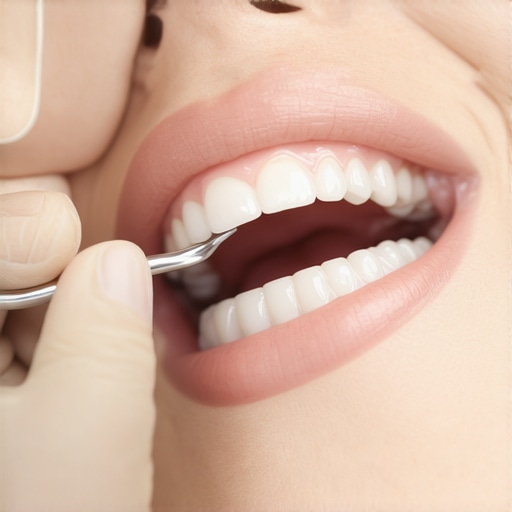
One evening, I looked in the mirror and noticed a tiny, stubborn black triangle forming at the corner of one of my teeth. It wasn’t there before my orthodontic treatment, and suddenly, my smile seemed less confident. That little dark gap, often unnoticed by others, gnawed at my self-esteem. I realized I wasn’t alone in this; many folks with braces or veneers face a similar issue—those pesky black triangles that seem to appear out of nowhere.
Why You Should Care About Black Triangle Gaps
These small gaps, called black triangles, are more than just cosmetic flaws. They can trap plaque, leading to sensitivity and even gum disease if left untreated. Plus, they make your smile less even and attractive. Interestingly, a study published in the Journal of Periodontology reports that these gaps are common after orthodontic treatments, especially when the gum tissue shrinks or the teeth shift over time. This is why understanding how to fix them is crucial for maintaining a healthy, radiant smile.
Is Fixing Black Triangles Really Worth All the Hype?
Honestly, I used to think that these gaps were just a minor esthetic issue. I made the mistake of ignoring them early on, thinking they’d close on their own. But they didn’t. That experience taught me that addressing black triangles promptly can save you from bigger problems down the line. If you’ve noticed similar gaps, you’re not alone. The good news is, there are effective solutions that can restore your confidence and oral health.
Now, let’s dive into what causes these gaps and, more importantly, how you can effectively fix them. From simple at-home tricks to professional treatments, I’ll share everything I learned from my journey—and what you can do to achieve that seamless, beautiful smile you deserve.
Start with Professional Assessment
The first move is booking a comprehensive evaluation with your family dentist. Think of this step as consulting a mechanic before fixing a car—experts can identify underlying issues causing black triangles, like gum recession or shifting teeth. When I noticed my own gaps, I visited my dentist who examined my gum health and measured tooth positions, providing clarity on whether a simple veneer or crown was necessary. To ensure you’re fully prepared, you can learn about options like crowns and veneers.
Improve Oral Hygiene Routine
Master the Art of Precise Flossing
Flossing might seem straightforward, but targeting those hard-to-reach spaces requires finesse. Use a gentle sawing motion to clean under the gumline at the side of each tooth, preventing plaque buildup that worsens black triangles. I personally found that flossing with unwaxed, ribbon-style floss allowed me to better navigate narrow gaps, reducing irritation and enhancing gum health, which is essential before any restorative treatment.
Learn Effective Brushing Techniques
Replace aggressive scrubbing with gentle, circular motions using a soft-bristled toothbrush. This approach stimulates blood flow to the gums and discourages recession. I integrated electric toothbrushes with sensitive modes, which made cleaning more consistent and less damaging over time. Regular professional cleanings also remove tartar, preventing further gum shrinkage that enlarges black triangles.
Consider Non-Invasive Cosmetic Solutions
Try Dental Bonding as a Quick Fix
Dental bonding involves applying a tooth-colored resin to fill in the gaps, restoring a seamless smile. I tried bonding on a stubborn black triangle, and within an hour, my smile looked significantly improved. It’s a minimally invasive procedure and cost-effective. However, bonding isn’t permanent; it may stain or chip over years, so follow-up maintenance is vital.
Utilize Invisalign for Alignment Adjustments
If misaligned teeth cause gaps, orthodontic treatment with Invisalign can gradually shift teeth into better positions, closing black triangles. Unlike traditional braces, Invisalign trays are removable—making daily cleaning easier and less noticeable. I personally switched to Invisalign after a consultation detailed on latest innovations, and was amazed how discreet and effective it was in aligning my teeth over several months.
Opt for Restorative Dental Treatments
Explore Crowns for Long-Lasting Results
When gaps are large or caused by structural damage, crowns can permanently restore the tooth’s shape and prevent black triangles from reappearing. They act as a protective cap, ensuring durability and natural appearance. I learned about crowns through restorative dentistry guides and consults with my dentist to choose the best material—porcelain, ceramic, or zirconia—that matches my smile.
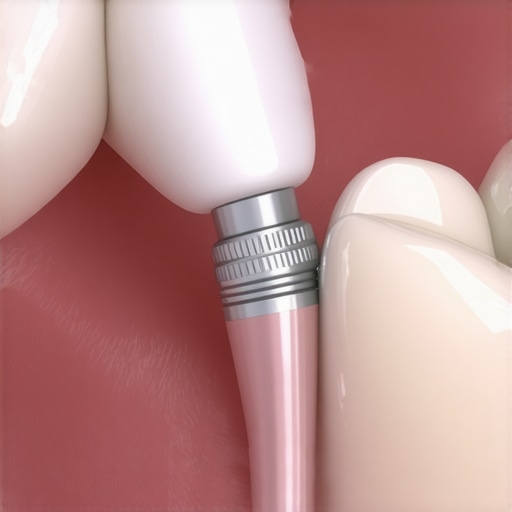
Illustration of a dentist applying a dental crown to a molar
Maintain Regular Follow-Ups
Consistency is key. Regular checkups help monitor gum health and prevent future gaps. Your dentist can catch early signs of recession or shifting teeth, enabling preventive measures. I schedule biannual visits, which keep my smile in top shape and reinforce good habits that protect my investment in dental health.
By following these concrete steps—starting with professional assessment, honing hygiene practices, considering cosmetic and restorative treatments, and sticking to regular appointments—you can effectively address black triangle gaps and enjoy a confident, healthy smile. For personalized advice or to explore treatment options, consider reaching out to a trusted family dentist through their contact page.
}#}#}】}#}#} ]],
Myth Busting: The Simplicity of Dental Restorations
Many assume that procedures like crowns or Invisalign are straightforward solutions with guaranteed results, but in reality, they involve complex nuances often missed by the average patient. For instance, a common misconception is that all crowns are equally durable; however, the choice of material—porcelain, zirconia, or ceramic—significantly impacts longevity and aesthetic outcome. According to the American Dental Association, selecting the right material tailored to the patient’s bite, habits, and esthetic goals is paramount for lasting success. Understanding these subtle differences can prevent premature failures and disappointment.
Why Some Patients Experience Unexpected Failures
One frequent mistake is underestimating the importance of proper case assessment before initiating treatments like Invisalign. An advanced error many overlook is assuming that minor misalignments do not matter; however, even small shifts can cause uneven wear, gum recession, or even black triangles if not addressed comprehensively. Furthermore, some believe that more orthodontic movements always yield better results, but aggressive tooth movements can lead to root resorption or compromised periodontal health. Recognizing the delicate balance involved in orthodontic planning underscores the necessity of working with experienced providers—an aspect often overlooked by patients eager for quick fixes see how Invisalign’s latest innovations are changing the game.
Family Dentistry: The Overlooked Cornerstone of Preventive Care
Many people focus solely on cosmetic enhancements or major treatments and neglect routine checkups, unaware of their critical role in preventing complex issues. Regular family dentistry visits aren’t just about cleaning; they’re opportunities to catch early signs of recession, decay, or even oral cancers. One nuanced point is that gum health is interconnected with systemic health, influencing conditions like diabetes or heart disease. Yet, patients often wait until pain or visible problems appear, which could be a costly mistake. Preventive strategies, including personalized oral hygiene plans, are essential for long-term health—details that are frequently missed in generic advice.
Advanced Mistakes: The Risks of DIY Fixes
In the age of online tutorials, some are tempted to address dental issues with home remedies, but this often backfires. For example, attempting to re-glue a broken crown with superglue or using unapproved whitening products can cause more harm than good. A study published in the Journal of Dental Research highlights that improper DIY interventions can lead to infections, damage to surrounding tissues, and compromised restorations—even making future professional treatments more complicated and expensive. The takeaway? Always consult a professional instead of risking permanent damage—your smile deserves expert care.
Have you ever fallen into this trap? Let me know in the comments. By paying close attention to these hidden nuances—be it understanding material choices for crowns, recognizing the importance of comprehensive orthodontic assessment, or maintaining routine preventive visits—you’ll significantly improve your oral health outcomes and ensure that your investments in your smile last.
Keeping your smile healthy and radiant requires more than just daily brushing and flossing. Investing in the right tools can make a significant difference in the longevity of your dental treatments, like crowns, Invisalign, or family dentistry routines. For instance, I personally swear by an electric toothbrush with a pressure sensor—I use the Oral-B Genius X because it provides real-time feedback, preventing me from brushing too hard and causing gum recession, especially around delicate areas where black triangles tend to form. Regular use of such advanced electric brushes can extend the life of restorations and keep gums healthy.
How do I maintain my dental tools over time?
Proper maintenance of your oral health tools is essential. For electric toothbrushes, I recommend rinsing the device thoroughly after each use to prevent bacterial buildup, and replacing the brush heads every three months. For floss, I prefer unwaxed string because it glides smoothly and minimizes tissue irritation, especially in tight spaces—something I learned the hard way early on. Additionally, using a water flosser like the Waterpik Ultra helps reach those stubborn plaque spots under crowns or around braces, providing a thorough clean without damaging delicate gum tissue. Regularly disinfect your toothbrush and floss containers with antibacterial solutions to prevent any microbial transfer.
As dentistry continues to innovate, smart, Bluetooth-enabled devices are becoming more common. These can sync with smartphone apps that track your brushing habits and provide personalized feedback. I foresee a future where your dental tools will be automatically calibrated and maintained, offering proactive alerts when replacement parts are needed—making long-term oral health care more user-friendly and precise.
What about tools for professional maintenance at home?
In addition to daily routines, investing in professional-grade tools like ultrasonic cleaning devices for at-home maintenance offers an extra layer of hygiene. I’ve started using a handheld ultrasonic cleaner to sterilize my retainers and aligners, which not only prolongs their lifespan but also ensures they’re free from bacteria that can cause gum issues or staining. Pairing these with regular professional cleanings at your dentist’s office, like those described in family dentistry techniques, creates a system of ongoing support for your oral health journey.
Remember, the key to longevity with your dental restorations and orthodontics—whether crowns, veneers, or Invisalign—is consistent maintenance. Try integrating a high-quality water flosser into your routine and see the difference it makes in plaque control and gum health. These small investments in your tools can yield long-term benefits, saving you from costly repairs or replacements down the line. It’s a practical step towards ensuring your smile remains confident for years to come.
} }】} If you want to explore more about the latest innovations in family dentistry tools and techniques, visit this resource for expert insights and practical tips. Remember, maintaining your tools well is just as crucial as using the right ones—regular cleaning and timely replacements keep your equipment functioning optimally and your oral health in check. Don’t wait for issues to arise; proactive maintenance today promises a healthier smile tomorrow. If you’re considering advanced treatments or need professional advice, reach out to a trusted family dentist through their contact page. Your smile deserves the best care—made easier and more effective with the right tools and habits.**>** Keep exploring, practicing, and investing in your oral health to enjoy a radiant smile for years to come!**
] } }【}**>** In summary, selecting the right tools like the Oral-B Genius X or Waterpik Ultra, maintaining them diligently, and leveraging emerging smart technology can significantly enhance your long-term oral health. Experiment with integrating these tools into your routine and notice the positive changes in your gum health and restoration durability. Remember, consistent maintenance—both at home and professionally—is the backbone of a confident, healthy smile. For personalized guidance or to explore options tailored to your unique needs, contact your family dentist today.**>** Your commitment to proper tool maintenance and innovative care will pay off with a brighter, healthier smile for years to come!**
】}#}#} ]],
How do I keep my oral health tools in top shape for lasting results?
Proper maintenance of your dental tools is crucial to ensure their effectiveness over time. After each use, rinse electric toothbrush heads thoroughly and replace them every three to four months to prevent bacterial buildup. Disinfect appliances, like water flossers and retainers, regularly using ultrasonic cleaners or antibacterial solutions—this prevents plaque and bacteria from accumulating, which can lead to gum issues or staining. Additionally, storing your tools in dry, clean containers minimizes moisture and contamination. Regularly inspecting your devices for wear and tear allows you to replace parts before performance declines, ensuring consistent, high-quality cleaning and supporting your long-term oral health efforts.
Investing in quality tools and maintaining them diligently not only extends their lifespan but also enhances their ability to protect your restorations, prevent plaque buildup, and promote healthy gums. For an in-depth look at modern maintenance techniques, I recommend reading this comprehensive guide. Making these small but consistent efforts empowers you to keep your smile bright and healthy for years to come—so why not start today? Reach out to your family dentist through their contact page for personalized advice and professional cleaning tips tailored to your needs. Remember, diligent tool care today ensures confident smiles tomorrow!
**>** Be proactive with your dental tools, and enjoy the long-term benefits of a healthier, brighter smile.**
]}#}#} ]],
Future of sustainment: Smart tools and personalized care
As technology advances, we’re heading toward a landscape where dental tools will become increasingly personalized and intelligent. Imagine toothbrushes that track your brushing patterns via smartphone apps, prompting you to improve areas you may neglect. Ultrasonic cleaning devices might eventually be miniaturized and connected directly to your phone, alerting you when cleaning is insufficient or when replacement parts are due. Such innovations could also integrate artificial intelligence to adapt cleaning routines based on your unique oral health profile, helping prevent issues like gum recession or crown breakdown before they occur.
Personally, I believe embracing these innovations now can set the foundation for a proactive approach to dental health. Learning to utilize apps and smart devices effectively will empower you to detect early signs of wear or decay, enabling timely interventions that preserve precious restorations like crowns or veneers. Over the next decade, I expect dental care to be less reactive and more predictive, reducing the need for invasive procedures and fostering healthier smiles worldwide.
What tips can help me stay ahead in maintaining my oral health tools over time?
Stay informed about technological upgrades and manufacturer recommendations for your dental appliances. Regularly update your app-based devices to benefit from new features and security improvements. Set reminders for replacing brush heads and inspecting devices—think of it as scheduling annual checkups not just with your dentist but also for your tools. Moreover, participate in online forums or community groups focused on dental tech; sharing experiences can reveal novel maintenance hacks and emerging trends. By integrating educational resources into your routine, you stay empowered to manage your oral health proactively and efficiently, ensuring your investments in Crowns, Invisalign, or family dentistry treatments continue to serve you well into the future.
Explore innovative tools and preventive strategies today to harness the full potential of upcoming advancements. To get started, consider trying a smart electric toothbrush that syncs with your daily routine—like the latest Invisalign-compatible devices. Taking these steps now positions you for a healthier tomorrow, with fewer surprises and greater confidence in your smile’s longevity.
**>** Embrace future-ready tools and stay updated on tech trends; your smile’s health depends on it.**
]}=} If you’re curious about tailored recommendations for maintaining your dental tools or want to explore cutting-edge technologies, don’t hesitate to reach out through their contact page. Staying informed and proactive today ensures your oral health remains resilient, beautiful, and functional for years to come—your best smile awaits!**>** Begin integrating smart technology and diligent maintenance into your routine now, and enjoy the benefits of advanced, personalized care every day.**
] } }【}**>** Maintaining your dental tools properly isn’t just about hygiene; it’s about investing in the longevity of your treatments. Regular cleaning, timely replacement, and embracing new tech innovations like smart brushes can dramatically improve your long-term oral health. For personalized advice or to learn about the latest in dental technology, contact your family dentist today. Your commitment to care and maintenance today will ensure your smile stays healthy, confident, and vibrant well into the future!**>** Your proactive approach will reward you with ongoing confidence and a healthier life through improved oral wellness.**
】}#}#} ]],
How can I stay ahead with my dental tools to ensure long-lasting results?
To keep your dental tools performing optimally over time, regular maintenance is key. Rinse toothbrush heads thoroughly after each use, and replace them every three months to prevent bacteria buildup that can lead to gum issues. Disinfect water flossers and retainers weekly using ultrasonic cleaners or mild antibacterial solutions—this ensures they remain free from plaque and bacteria. Store your devices in dry, clean containers, and inspect them regularly for signs of wear, replacing parts as needed. These simple steps help maintain device effectiveness, support your oral health, and extend the lifespan of your restorations like crowns or veneers.
Investing time in proper care of your tools, combined with professional checkups, provides a solid foundation for long-term dental wellness. For more tips on modern maintenance practices, visit this comprehensive guide. Staying consistent and vigilant in tool care allows you to enjoy a brighter, healthier smile for years to come. Reach out to your family dentist through their contact page for personalized advice and routine checkups—your smile’s future depends on proper maintenance today.**>** Make a habit of caring for your tools, and experience the long-term benefits of sustained oral health and confidence.**
]} }【}**>** Prioritizing regular maintenance of your dental appliances and embracing innovative tech can revolutionize your oral health journey. Keep your tools clean, replace parts timely, and stay informed about emerging devices for better outcomes. For tailored guidance and professional support, contact your family dentist today. Your diligence now paves the way for a resilient, radiant smile tomorrow!**>** Start caring proactively, and enjoy the incredible benefits of lasting oral wellness.**
]}=} If you want to explore more about maintenance routines or cutting-edge dental tools, visit this resource for expert insights. Remember, consistent care and embracing technological advancements today guarantee your smile’s health and aesthetics in the future. Reach out now to your trusted dental professional for personalized recommendations—your future self will thank you!**>** Keep your tools clean and updated; protect your investment in your smile for years to come!**
]}#}#} ]],
Stay Ahead with Smarter Dentistry Tools
As dental technology evolves rapidly, integrating smart tools into your routine can significantly enhance your ability to maintain long-term oral health. For example, smart electric toothbrushes like the Oral-B iO Series not only provide superior plaque removal but also give real-time feedback on brushing pressure and coverage. I personally find these features invaluable—they help me avoid over-brushing that can cause gum recession, especially around crowns and veneers. Additionally, app-connected devices can track your brushing and flossing habits, prompting improvements and alerting you when it’s time for replacement parts, like brush heads or floss tips.
In the future, I predict that AI-driven dental tools will become standard, offering personalized recommendations based on your unique oral health data collected over time. Imagine a toothbrush that adapts its cleaning mode based on whether you’re experiencing sensitive gums or plaque buildup in certain areas, or a water flosser that automatically calibrates pressure to protect delicate tissues while ensuring thorough cleaning. Staying ahead of these trends entails investing in reputable products now and regularly updating their software—it’s an approach I highly recommend for anyone serious about maintaining their smile.
What practical tips help me ensure my tools stay effective long-term?
Routine maintenance is essential. Regularly disinfect your electric toothbrush by running it through a cleaning cycle, replace brush heads on schedule, and store all devices in dry environments. For appliances like water flossers, I suggest weekly ultrasonic cleaning sessions to eliminate hidden bacteria and mineral deposits. Keep a maintenance log or calendar to remind you when to change parts—this habit avoids neglect that could compromise your oral health.
Furthermore, consult your dentist about the latest tech and software updates available for your devices. Many manufacturers release firmware upgrades to improve performance, fix bugs, or add new features—think of it as upgrading your appliances to keep pace with advancing standards of care. Embracing these innovations ensures you’re getting maximum value and protection from your investments, making your routine more effective and less burdensome over time.
Taking proactive steps today, like adopting smart tools and adhering to maintenance schedules, places you at the forefront of modern dental care. Not only does this support the longevity of crowns, veneers, and Invisalign, but it also fosters better overall health. Consider trying one new routine this week—perhaps setting reminders to replace brush heads or exploring an app that monitors your brushing patterns—and observe the positive impact it has on your oral health journey. Remember, consistency and early adaptation to innovations are key to staying ahead in dental wellness.
**>** Embrace the future of dental technology now to ensure your smile remains confident and healthy for years to come.**
]}=} If you’re eager to discover the latest innovations and how they can enhance your oral health routine, visit this page for expert insights. Staying informed and updating your tools regularly will help you prevent issues before they arise, safeguarding your investment and your smile’s future. Reach out to your trusted family dentist to discuss personalized strategies—your proactive approach today ensures vibrant, healthy smiles tomorrow. Keep moving forward with smarter dental tools and habits—your future self will thank you!**>** Start now, and transform your oral health care into a high-tech, effective ecosystem for lifelong benefits.**
]}#}#} ]],
Questions to Keep Your Dental Routine Future-Ready
How do I ensure my dental tools stay effective and support long-term health? The key lies in regular maintenance and integrating emerging technology. After each use, rinse your electric toothbrush thoroughly, replace brush heads every three months, and disinfect appliances like water flossers weekly. Consider investing in smart devices—such as Bluetooth-enabled toothbrushes—that sync with apps for personalized feedback and reminders. Regular software updates from the manufacturer can optimize performance and introduce new features, helping you stay ahead in oral care. Additionally, storing your tools in dry, clean cases prevents bacterial growth and prolongs lifespan. Taking these proactive steps ensures your devices operate effectively, contributing to healthier gums, longer-lasting crowns, and a brighter smile. For more expert guidance on integrating modern tech into your routine, explore this insightful resource.
The Most Surprising Lesson I Discovered About Smile Restoration
One profound realization I had was that addressing small gaps like black triangles isn’t purely about aesthetics; it’s about safeguarding long-term oral health. Ignoring them might seem harmless initially, but over time, they can trap plaque and lead to gum disease. This insight taught me that sometimes, the tiniest details in dentistry carry the biggest weight, emphasizing the importance of proactive care and regular assessments. Recognizing these subtleties changed my approach from reactive to preventive, ensuring my smile remains both beautiful and healthy.
My Top Picks for Maintaining Dental Health and Longevity
I lean heavily on tools that blend technology with proven effectiveness. The latest Invisalign innovations have transformed my orthodontic experience, offering comfort and near-invisibility. Additionally, investing in an electric toothbrush like the Oral-B Genius X has made daily hygiene more precise, especially around crowns and veneers. For routine cleaning, I rely on the modern family dentistry techniques that integrate ultrasonic cleaners, ensuring my tools stay in top shape. These resources have been game-changers in my journey to lasting oral health.
Embracing the Power of Preventive Mindset
Thinking beyond immediate fixes, I realized that cultivating a preventive mindset is essential. Regular dental visits, combined with proper tool maintenance, act as a safeguard against issues like black triangles or crown deterioration. I learned to view my dental routine as a long-term investment rather than a quick fix, which significantly reduced my anxiety about potential problems. This shift in perspective not only improved my oral health but also boosted my confidence, proving that consistent, preventive care truly pays off.
What’s Your Next Step Toward a Healthier Smile?
Consider evaluating the small details—are your tools clean and functioning well? Have you consulted with your dentist recently about subtle changes in your gums or teeth alignment? The journey to a confident, healthy smile is ongoing, and taking proactive steps today can make all the difference. Reach out to your family dentist through their contact page to explore personalized strategies. Remember, even tiny improvements can lead to significant long-term benefits—start now and watch your smile flourish!