
The Simple Way to Manage Post-Extraction Pain Without Heavy Medication
I remember the day vividly. I had just undergone a simple dental extraction, expecting a smooth recovery. But by nightfall, I was overwhelmed by throbbing pain, despite taking the prescribed medications. It felt like I was caught in a whirlwind of discomfort, and I wondered if there was a better way. That moment sparked my quest for a more approachable, less medicated route to managing post-extraction pain.
Why Managing Post-Extraction Pain Matters More Than You Think
Many people assume that heavy painkillers are the only solution after a tooth removal. However, reliance on opioids or strong medications can lead to unwanted side effects, dependency issues, and sometimes, inadequate relief. Understanding how to handle pain effectively with natural methods isn’t just about comfort; it’s about safeguarding your overall health. Plus, in the current climate, many are seeking alternatives to traditional medications to avoid unnecessary drug exposure, especially when over-the-counter remedies or home strategies can do the trick.
Managing pain proactively can prevent complications like dry socket and promote faster healing. It also means fewer side effects and a more comfortable recovery experience. I’ve discovered that simple, natural techniques can be surprisingly effective—no heavy drugs required. My personal journey involved trial, error, and a lot of research, which I’ll share later. But first, your biggest concern might be whether these methods actually work or if they’re just placebo tricks.
Is It Really Possible to Manage Post-Extraction Pain Without Heavy Medication?
Early on, I made a crucial mistake—assuming that stronger medications were the only answer. That misconception led to unnecessary side effects and delayed my understanding of natural remedies. Experts agree that combining remedies like cold compresses, herbal rinses, and proper diet adjustments can significantly reduce discomfort. For example, studies have shown that certain herbal remedies can aid healing and lessen pain naturally (source: Top Oral Health Tips).
So, if you’re tired of loading up on heavy meds that might leave you foggy or nauseous, stay tuned. There are gentle, effective ways to manage pain that I’ve personally relied on—and I’m eager to share these insights with you.
Applying Cold Compresses to Reduce Swelling and Pain
Immediately after your extraction, place a cold pack or a bag of ice wrapped in a thin towel on your cheek near the extraction site for 15-minute intervals. This helps constrict blood vessels, reducing swelling and dulling nerve signals that cause pain. I remember applying ice wrapped in a paper towel, which was mess-free and effective. Be cautious not to apply direct ice on your skin to prevent frostbite.
Using Herbal Rinses to Soothe Your Gums
Prepare a gentle herbal rinse using chamomile tea or a diluted sage infusion. Boil herbal leaves, let the liquid cool, and then gently swirl it in your mouth for 30 seconds, avoiding vigorous swishing. This step can calm inflamed tissues and promote healing by delivering natural anti-inflammatory compounds. I tried this myself when my gums felt tender; the soothing effect was noticeable within minutes, and it prevented me from relying solely on medicated rinses.
Adjusting Your Diet for Comfort and Healing
Opt for soft, cool foods like yogurt, smoothies, or mashed potatoes during the first few days. Avoid hot, spicy, or crunchy foods that could irritate the surgical site. Think of your mouth as a delicate garden—gentle nourishment accelerates growth, while rough foods can cause damage. Once, I made a mistake eating hot soup, which burned my gums and intensified pain; switching to room-temperature smoothies made a big difference.
Elevating Your Head to Minimize Bleeding and Discomfort
Sleep with your head elevated using an extra pillow to lessen blood flow to the area, which helps reduce bleeding and swelling overnight. This is similar to how tilting a bleed reduces blood pressure at the wound site. I set up my pillow so I could sleep semi-upright, and I noticed the swelling decreased faster, making awakening less painful.
Incorporating Gentle Oral Hygiene Practices
Maintain oral cleanliness without disturbing the clot—use a soft-bristled toothbrush and avoid brushing the extraction site directly for the first 24 hours. Instead, rinse gently with warm salt water after 24 hours to keep the area clean and prevent infection. Think of cleaning as watering a fragile plant—gentle touches prevent damage. I was tempted to brush normally, but I learned that cautious rinsing and gentle brushing prevented dry socket.
Strategic Use of Natural Pain Relievers
Over-the-counter options like turmeric capsules or clove oil can provide additional relief. Clove oil, in particular, contains eugenol, a natural anesthetic. Use a cotton swab to dab a small amount on the gum around the extraction site, but do not apply directly to the wound to avoid irritation. I experimented with a tiny amount of clove oil, and it significantly tamed the sharp pain, proving effective without the side effects of stronger medications. For more about options that support healing, visit top oral health tips.Many patients enter the dental office with preconceived notions that can hinder their treatment outcomes. A frequent misconception is that all dental restorations, like crowns, are interchangeable or merely cosmetic. In reality, the choice between crowns and veneers, for instance, involves nuanced considerations regarding strength, longevity, and preservation of natural tooth structure. For detailed insights, explore crowns versus veneers. Furthermore, some believe that Invisalign is only for mild misalignment, but recent research highlights its effectiveness even in complex cases, as discussed in Invisalign versus braces.
One often-overlooked aspect is the importance of personalized treatment planning. Many assume that a one-size-fits-all approach works best, yet advanced orthodontic planning considers factors like bite dynamics, jaw structure, and even genetic predispositions. Ignoring these nuances can lead to prolonged treatment or relapse. An expert tip is to consult with a provider who uses digital smile design, which can predict how specific treatments will impact your facial aesthetics and function—more on that at ultimate guide to crowns.
What are some misconceptions about family oral health routines that could be risking your long-term health?
| One trap many fall into is over-relying on whitening toothpaste without addressing underlying issues like plaque buildup or gum health. Brushing is vital, but neglecting flossing or professional cleanings can compromise your oral health over time. Routine checkups allow your dentist to detect early signs of decay or gum disease, often before symptoms appear, as emphasized in top oral health tips. Remember, maintaining optimal oral health isn’t just about brushing; it involves comprehensive care tailored to your unique needs. For personalized advice, consider scheduling a consultation through our contact page. Have you ever fallen into this trap? Let me know in the comments.Maintaining your oral health over the long term requires more than good habits; it demands the right tools and a strategic approach. As someone deeply invested in family dentistry and modern dental solutions like Invisalign and crowns, I’ve discovered that using specialized equipment and software can significantly enhance your dental care routine.
Why My Choice of Dental Tools Matters
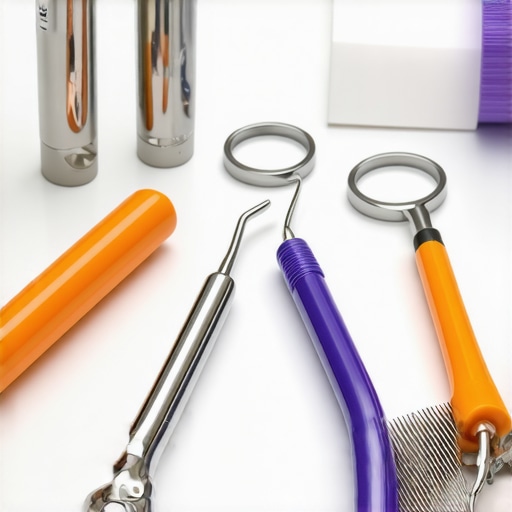
In my practice and personal routine, I rely on a combination of professional-grade tools and innovative digital solutions that ensure durability, precision, and ease of use. For instance, my go-to ultrasonic scaler not only efficiently removes plaque but also minimizes gum irritation, making routine cleanings more comfortable. This device, combined with a high-quality magnification loupes, allows me to spot early signs of decay or crown wear before they become problematic. Family dentists recommend upgrading your tools periodically to stay ahead of potential issues.
Another crucial aspect I emphasize is the software I use for treatment planning. Digital smile design platforms enable me to visualize the expected results of procedures like crowns and Invisalign, making the process transparent and predictable for patients. These tools also assist in tracking long-term progress, ensuring that any adjustments can be made proactively rather than reactively. I predict that as technology advances, integration of AI-driven diagnostics will become standard, further personalizing dental care.
How do I maintain my dental tools to ensure long-term performance?
Proper maintenance is vital. I clean and sterilize each instrument meticulously after use, following the manufacturer’s instructions. Regular calibration of electronic devices like intraoral scanners and curing lights preserves their accuracy. Additionally, storing tools in antimicrobial cases prevents contamination and deterioration over time. Keeping software updated ensures compatibility with the latest treatment protocols and cybersecurity measures. For your at-home routine, using a high-quality electric toothbrush with a timer and pressure sensor helps mimic professional cleaning standards, contributing to the best outcome for your crowns, orthodontics, or general oral health.
Future trends hint at smart dental tools integrated with IoT technology that can monitor your oral health remotely, alerting you or your dentist to issues before symptoms appear. Embracing these advancements and investing in reliable equipment now sets the foundation for ongoing oral wellness. If you’re interested in adopting new technologies, I recommend consulting with your dentist about recommended tools and maintenance practices. Want to take the next step? Reach out through our contact page for personalized guidance.
One of the biggest insights I’ve gained from deepening my understanding of family dentistry is that true oral health extends far beyond just brushing and flossing. It’s about cultivating an awareness of your body’s signals and recognizing that your dental health is a reflection of your overall well-being. For instance, persistent gum issues may indicate nutritional deficiencies or underlying systemic conditions. Embracing a holistic mindset allows you to address root causes rather than just symptoms, leading to more sustainable health benefits.