
The Danger of Using Superglue to Fix a Broken Denture at Home
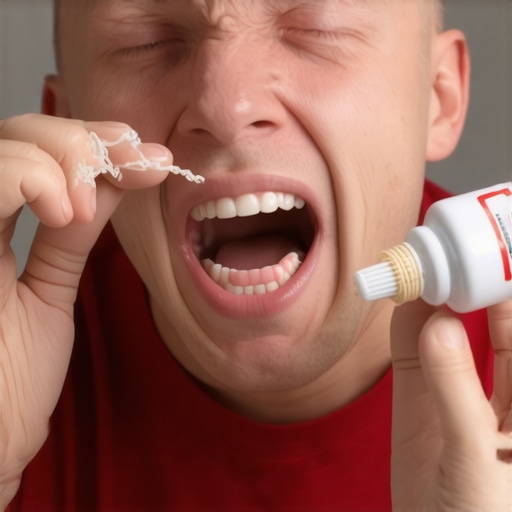
I’ll never forget the moment I tried to repair my broken denture with a dab of superglue in a moment of desperation. The rush of hope quickly turned to anxiety when I realized I might have made a costly mistake. That quick fix seemed harmless at first, but the potential risks became glaringly obvious once I started experiencing discomfort and a strange taste in my mouth.
Why Home Repairs on Dental Devices Can Turn Into Bigger Problems
Many people have faced similar situations—your denture breaks, and you think, “How bad can it be to glue it back together temporarily?” It feels frustrating and urgent, especially when you rely on your teeth for daily activities. But what seems like a quick solution can actually compromise your oral health, leading to infections, further damage, or even safety hazards. It’s a classic case of a well-meaning DIY effort gone wrong, often due to a lack of awareness about the risks involved.
Could Using Superglue Do More Harm Than Good?
Hold on—before you reach for that tube of superglue, consider this: superglue contains chemicals that aren’t designed for inside your mouth. Not only can it be toxic if ingested, but it also can cause tissue irritation, allergic reactions, or make future professional repairs more complicated. I learned this the hard way during my initial attempt—an early mistake that I now advise others to avoid. For reliable, safe solutions, consulting your dentist is always the best course of action. Want to understand more about professional options? Check out choosing the right crown expert for long-term dental health.
Adjust your approach and save yourself from unnecessary pain or cost—let’s explore how to handle broken dentures the right way, starting with the common pitfalls to avoid.
Assess the Damage Carefully
Start by examining your denture to identify the extent of the break. Use a mirror and good lighting to check if only a minor crack or a complete fracture has occurred. Remember, trying to force a quick fix without proper assessment can lead to more damage. For instance, I once noticed a tiny crack near the front tooth and initially thought glue would suffice, but further inspection revealed it was a full split, necessitating professional intervention.
Clean and Prepare Your Denture
Before attempting any repair, thoroughly clean your denture with a gentle, non-abrasive cleanser to remove debris and saliva. Rinse well to prevent contaminants from interfering with the adhesive process. Use a soft brush to avoid damaging delicate areas. I learned this the hard way when I skipped cleaning, leading to poor bonding and a messy repair job.
Select the Appropriate Repair Method
Use Dental-Grade Repair Kits
For minor cracks, a dental repair kit containing acrylic resin or composite material can be effective. Follow the manufacturer’s instructions carefully—mix the resin, apply it precisely, and allow it to cure fully. When I tried this method for a small chip, I achieved a temporary fix that held until my dentist appointment, but I knew it wasn’t a long-term solution.
Avoid Household Glues
Superglue or household adhesives might seem convenient but are hazardous inside your mouth. These glues contain chemicals that can cause tissue irritation or allergic reactions. I made this mistake during my first DIY attempt, and it resulted in discomfort and a trip to the dentist. Always opt for dental-specific materials or seek professional advice instead.
Position the Denture Correctly
When applying the adhesive, ensure the broken parts fit snugly together. Use gentle pressure to align the pieces properly, aiming for a seamless bond. In one messy repair, I misaligned the parts, which caused discomfort and impaired my bite. Taking your time to position the parts accurately saves trouble later.
Allow Adequate Curing Time
Follow the recommended curing time provided with the repair kit. Avoid biting down heavily or using the denture until the adhesive has fully set. Rushing this step weakens the repair. I once tried to use my denture prematurely after a quick cure, which caused the bond to break, leading to another repair session.
Seek Professional Help Whenever Unsure
If the damage is extensive or you’re unsure about performing a repair, consult your dentist promptly. They possess specialized tools and materials that ensure a durable, safe fix. Remember, a professional will also check for underlying issues that might have caused the damage, such as poor fit or wear. I learned this after attempting a repair myself, only to find the denture was misaligned, causing discomfort and further damage until a dentist corrected it.
Proper repair isn’t merely about fixing a crack—it’s about maintaining your oral health and ensuring comfort. When in doubt, always default to professional guidance to avoid exacerbating the problem or risking safety.
 Many assume that maintaining oral health is simply about brushing twice a day and visiting the dentist annually, but beneath these basic habits lie nuanced pitfalls that even seasoned patients often overlook. For example, a common misconception about Invisalign is that it’s only for cosmetic straightening; however, many don’t realize its profound impact on oral health by correcting bite issues that contribute to temporomandibular joint (TMJ) problems. Similarly, with crowns, the belief that all restorations are equally durable neglects the importance of choosing the right type based on the patient’s bite force, as emphasized by experts in restorative dentistry.
Another hidden nuance is that not all family dentistry practices emphasize comprehensive care that includes early detection of systemic health issues manifesting in the mouth. This oversight can result in missed opportunities for early diagnosis of conditions like diabetes or nutritional deficiencies, which often present oral symptoms first.
Why Do Some Crowns Last Longer Than Others Despite Similar Costs?
Recent studies, such as those published in the Journal of Prosthetic Dentistry, highlight that the longevity of crowns depends heavily on material selection and the expert technique during placement, not just the price. Choosing a well-qualified dentist, as suggested in this guide on crown expertise, can dramatically increase your crown’s lifespan.
One trap many fall into is thinking that all oral health products, including over-the-counter whitening kits, are equally effective. However, the nuances in enamel sensitivity and the formulation of these products mean that what works for one person might cause irritation in another. Trusting DIY solutions without understanding these subtleties can lead to enamel erosion and sensitivity.
In regard to Invisalign, it’s a common myth that it can solve all orthodontic issues without the need for traditional braces. Yet, in complex cases involving significant skeletal discrepancies, orthodontists often recommend hybrid approaches. For a deeper insight, explore this comparison between Invisalign and braces.
Finally, many underestimate the importance of maintaining regular dental check-ups, believing that daily cleaning suffices. Routine evaluations can reveal the earliest signs of decay or gum disease, which are often silent at first—delaying treatment can compromise long-term outcomes. This is why choosing a family dentist committed to comprehensive care, as discussed in family dentistry techniques, is vital for long-term health.
Have you ever fallen into this trap? Let me know in the comments.
Keeping Your Dental Devices and Treatments in Peak Condition
To ensure your smile stays healthy and functional, investing in the right tools and adopting effective maintenance routines is essential. Personally, I rely on high-quality ultrasonic cleaners to keep Invisalign trays pristine. Unlike regular rinsing, ultrasonic devices like the SmileSonic Ultrasonic Cleaner utilize vibrations that effectively remove plaque and debris from every nook and cranny without damaging the material. I use this daily, especially since transparent aligners tend to stain or harbor bacteria over time. Regular cleaning not only prolongs the lifespan of your orthodontic devices but also prevents oral infections and discoloration.
How do I maintain Invisalign over time?
Maintaining Invisalign trays involves more than just rinsing. I recommend using a dedicated ultrasonic cleaner, which ensures trays are thoroughly sanitized without risking physical damage. Additionally, I apply a specialized cleaning tablet like Invisalign Cleaning Crystals, which are designed to remove buildup without harsh chemicals. Avoid using mouthwash or denture cleaners that might degrade the material. Consistent cleaning preserves clarity and prevents odor, making your treatment more comfortable and effective. For tips on managing other devices, like crowns or bridges, consult your dentist; they often recommend tools like specialized brushes for thorough maintenance.
Essential tools to support your long-term results
Investing in a good electric toothbrush, such as the Oral-B Genius X, can significantly improve plaque removal. Its oscillating-rotating action reaches areas that manual brushes might miss, especially around crowns or bridges. I prefer models with pressure sensors, which alert me if I’m brushing too aggressively—a common cause of gum recession and crown damage. Coupled with interdental brushes like the TePe Interdental Brushes, I can tackle hard-to-reach spots effectively, reducing the risk of decay or periodontal issues. These tools complement professional cleanings and help maintain the health of dental restorations over years.
What will the future hold for oral health maintenance?
Technological advances like AI-driven plaque detection and smart toothbrushes will become standard, making home care more personalized and efficient. Wearable sensors might soon alert you to early signs of gum disease or cavities, prompting timely professional intervention. These innovations promise to make dental health management more proactive, saving you time and money in the long run. To stay ahead, I suggest trying out a tech-savvy toothbrush with app integration, such as the latest smart toothbrushes.
Incorporating these specialized tools and routines can greatly extend the lifespan of your dental treatments, ensuring your smile remains vibrant and healthy for years to come. Remember, consistent maintenance is the key—whether it’s regular cleanings with ultrasonic devices, effective brushing strategies, or embracing future innovations. Start with one advanced tip today: try a high-quality ultrasonic cleaner for your Invisalign trays or crowns, and notice the difference in cleanliness and comfort.
How I Discovered the Power of Professional Care Over DIY Fixes
My biggest lightbulb moment was realizing that attempting to repair dental issues myself often leads to more harm than good. Trusting professionals has not only saved me money but also preserved my oral health. This lesson pushed me to prioritize expert advice whenever I face dental challenges, avoiding shortcuts that could jeopardize my long-term smile.
Why Investing in Quality Tools Transformed My Smile Maintenance Routine
Switching to high-quality ultrasonic cleaners and specialized dental tools made all the difference in keeping my Invisalign trays and crowns pristine. These tools might seem like a splurge, but their effectiveness and durability saved me time and prevented future problems. Now, I understand that proper maintenance tools are an investment in my confidence and health.
Am I Truly Preventing Future Issues or Just Delaying Them?
Early in my journey, I thought regular brushing was enough. Over time, I learned that routine check-ups and professional cleanings catch hidden problems before they escalate. This proactive approach has kept my dental restorations last longer and my mouth healthier, proving that prevention beats reactive treatments every time.
How Embracing Technology Opened New Doors in My Oral Care
Integrating smart toothbrushes and app-based monitoring has motivated me to be more consistent. These technologies provide insights I never would have considered, like pressure sensitivity and plaque detection. Embracing such innovations has empowered me to take control of my oral health journey, making it more effective and engaging.
My Personal Tip: Never Underestimate the Value of a Trusted Family Dentist
Having a reliable, knowledgeable family dentist has been a game-changer. They not only address repairs and restorations but also guide me on habits, diet, and future procedures. Building that relationship ensures I receive tailored advice and support, turning dental visits from dreaded chores into positive experiences.
Where to Go from Here
If you’re serious about maintaining your oral health and extending the lifespan of your dental work, consider exploring tools like professional crown options and staying updated with the latest innovations in family dentistry. Remember, your smile is an investment—treat it with care and expert attention, and it will reward you for years to come.
Your Best Move Starts Today
Take that first step towards better oral health by consulting your trusted dentist or upgrading your maintenance routines. Small, consistent actions now can prevent costly repairs and discomfort later. Your smile deserves it!
What’s one thing you’ve learned about dental care that changed your perspective? Share your experience below—I’d love to hear your story!
,