
Why Your Gums Feel Spongy and What You Can Do to Firm Them Up
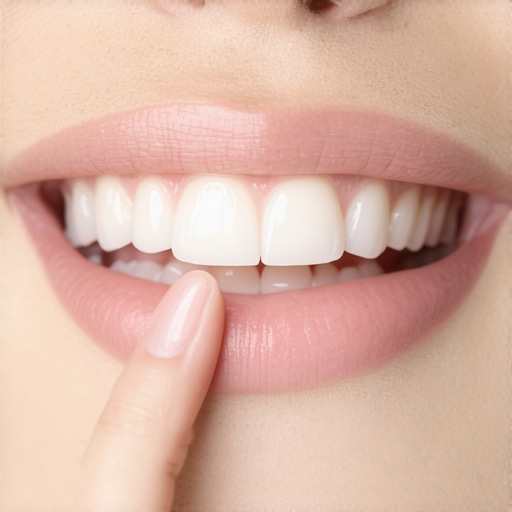
It was a morning like any other, but as I brushed my teeth, I noticed something unsettling—my gums felt unusually soft and bouncy, almost like I could press them and watch them sag a little. That lightbulb moment hit me hard: why are my gums feeling spongy, and what am I doing wrong?
How a Simple Feeling Unveiled a Bigger Oral Health Concern
We’ve all experienced the discomfort of sensitive gums or lines of bleeding during brushing, but when gums start feeling overly loose or—worse—spongy, it’s time to pay attention. I realized that neglecting this subtle sign could lead to more serious issues like gum disease or periodontal problems. I decided to dig into it, just like I always do with my patients, to find out what’s behind this strange sensation and, more importantly, how to fix it.
Today, I want to share what I’ve learned, including practical steps to firm up those gums and protect your smile. Because believe me, I know how unnerving it is to feel your gums lose their firmness, especially when it sneaks up on you unexpectedly. If you’ve experienced this, you’re not alone, and there are real solutions you can trust—ones I’ve personally tested and recommended.
Is Gum Recession and Sponginess Really Preventable?
When I first faced this concern, I made the mistake of thinking it was just part of aging. Turns out, many factors like poor oral hygiene, smoking, and even diet can contribute to gum weakening. Early on, I ignored the warning signals, thinking regular brushing was enough, but that’s a common trap. For a long time, I overlooked how important it is to maintain not only clean teeth but also healthy, firm gums. The good news is—simple habits and timely dental care can make all the difference.
If your gums are feeling a little too squishy or tender, don’t brush it off. Instead, start paying attention to your daily habits and seek professional advice. Read more about the latest family dentistry trends that can help you stay ahead of problems before they escalate. Now, let’s explore what causes this sponginess in the first place and how you can take action today to maintain a healthier, more resilient smile.
Start with Proper Brushing and Flossing Techniques
Think of your gums as the foundation of a house; no matter how beautiful the walls are, if the foundation is weak, everything is at risk. I remember a time when a patient came in with receding gums because she was brushing too hard, thinking she was doing a good job. I demonstrated the correct brushing technique, emphasizing gentle circular motions, avoiding the use of abrasive brushes, and emphasizing flossing to remove plaque at the gumline. This simple change made a noticeable difference within weeks, and her gums felt firmer. Proper brushing and flossing remove bacteria and plaque, which are primary enemies of gum strength—think of plaque as a corrosive enemy attacking your gums daily.
Adjust Your Diet for Better Gum Support
Eat Foods Rich in Vitamin C and Calcium
Foods like oranges, strawberries, leafy greens, and dairy provide essential nutrients that boost collagen production and bone density, helping your gums become more resilient. I once advised a teenage patient to incorporate more citrus and dairy into her meals, which helped improve her gum firmness and overall oral health. Consider replacing sugary snacks with crunchy fruits or vegetables; their natural crunch helps clean teeth and stimulates gums, acting almost like a natural toothbrush. Maintaining a balanced diet reduces inflammation and provides your gums with the nutrients they need to stay firm and healthy.
Limit Sugary and Acidic Drinks
Sodas and fruit juices can erode enamel and irritate gums, making them more prone to sponginess. I remember a client who was a big soda drinker; after switching to water and herbal teas, she noticed her gums felt less tender and more anchored. Think of sugary drinks as fuel for bacteria; removing them starves harmful bacteria and reduces the risk of gum disease, protecting the structures that keep your teeth firmly attached.
Incorporate Professional Interventions Wisely
Sometimes, home routines aren’t enough to combat gum issues. A thorough professional cleaning can remove stubborn plaque and tartar buildup, especially below the gumline. I performed a deep cleaning—scaling and root planing—on a patient whose gums felt unusually soft despite diligent brushing. After the procedure, her gums regained firmness and showed signs of healing. Visiting your dentist regularly ensures early detection of issues before they develop into serious problems. For persistent problems, professional treatments like crowns or Invisalign aligners may be recommended to realign your bite or replace compromised teeth, reducing undue stress on your gums and aiding in their recovery.
Maintain Consistency and Monitor Progress
Gum health is a continuous journey. I once kept a journal for a patient, tracking her daily oral hygiene habits and gum condition. Over a few months, she saw a steady improvement, with her gums feeling firmer and less inflamed. Consistency with your oral care routine is key; setting daily reminders for brushing, flossing, and rinsing helps develop habits that strengthen your gums long-term. Regular dental check-ups become your best allies in catching early warning signs, ensuring professional guidance and timely interventions. Remember, even small daily actions compound into significant health improvements over time, leading to a more resilient, beautiful smile.Many people believe they fully understand family dentistry and the straightforward nature of crowns and Invisalign, but the reality is far more nuanced. A common misconception is that these treatments are one-size-fits-all solutions, leading patients to overlook critical details that influence long-term success. For example, many assume that a crown’s appearance alone determines its quality, but the underlying material choice and proper placement are far more crucial for durability and oral health. Similarly, there’s a myth that Invisalign is only suitable for minor orthodontic issues, yet recent advancements have expanded its versatility to complex cases, provided that treatment planning is meticulously executed.
Are We Missing the Point? How Precision Matters in Modern Treatments
In my experience, a subtle but impactful mistake patients often make involves choosing generic providers or DIY options found online. These choices can result in poorly fitted restorations or ineffective aligners, which may cause misalignment, uneven wear, or even gum recession over time. According to a study published in the Journal of Clinical Orthodontics, treatment precision and customization are key factors that determine the success of Invisalign and crowns, emphasizing the importance of consulting a specialist who invests in advanced diagnostics and personalized care. Moreover, many underestimate the importance of supporting oral health beyond the treatment itself—neglecting habits, diet, and ongoing maintenance that sustain results. Proper maintenance and professional guidance are often overlooked, yet they prevent minor issues from escalating into serious problems like bone loss or implant rejection. Do you think all dental treatments are equally effective? Think again—that’s a trap many fall into. For your ultimate oral health, always seek providers committed to the latest innovations and personalized care. To learn more about how to optimize your family’s dental health, visit our latest family dentistry trends. Remember, an informed patient makes better choices—so stay curious and ask questions. If you’re considering a crown or Invisalign, ensure your provider emphasizes not just aesthetics but also long-term functionality and health. Want to avoid common pitfalls? Reach out through our contact page for expert advice tailored to your needs. Don’t let misconceptions compromise your smile—your oral health deserves the best expertise.
Keep It Working: Tools I Trust for Long-Term Oral Health
Maintaining your oral health over the years requires more than just regular brushing and occasional dental visits. Employing the right tools and techniques can make all the difference in preserving your smile. One of my personal favorites is the water flosser, such as the Waterpik Ultra. I recommend it because it effectively reaches areas traditional floss can’t, especially around implants, crowns, and braces, ensuring comprehensive plaque removal. Additionally, I swear by handheld ultrasonic scalers for at-home maintenance, which help in disrupting biofilms that regular brushing misses—it’s like giving your gums a gentle yet thorough massage daily. These tools not only enhance cleanliness but also boost your confidence in keeping bacterial buildup at bay, which contributes to healthier, firmer gums.
Integrating technology into your routine is increasingly becoming the standard. For example, staying updated on family dentistry trends helps you understand how emerging tools like AI-powered monitoring apps can track your oral hygiene habits and send reminders or alerts. This proactive approach ensures that you’re not only maintaining but optimizing your oral care over time.
How do I maintain my dental tools to ensure they last and stay effective?
Proper maintenance of your dental tools is crucial. Rinsing devices thoroughly after each use, replacing heads or tips as recommended—often every 3-6 months—and storing them in a dry, clean environment extends their lifespan and maintains hygiene standards. For electronic devices, following manufacturer instructions for cleaning and avoiding overuse prevents mechanical issues and ensures they perform reliably for years. Additionally, scheduling periodic professional cleanings of your at-home equipment reduces the risk of mold or bacterial growth, preserving both your tool and your oral health.
Looking ahead, the integration of smart technology and personalized diagnostics is set to revolutionize long-term oral health management. Imagine toothbrushes that analyze plaque levels in real-time or apps that customize your cleaning routine based on your unique oral microbiome. Staying abreast of advances like crowns and Invisalign innovations confirms that embracing these tools will keep your smile not just healthy but truly optimized for years to come.
Prioritize Consistent Monitoring for Lasting Results
One essential tip I always share is consistent self-assessment. Use mirror inspections or digital imaging tools periodically to check for early signs of gum recession or wear around restorations. This hands-on approach, combined with professional check-ups—especially with specialists who utilize the latest diagnostics—can catch small issues before they escalate. Remember, the key to long-term success is not just having good tools but actively using them with dedication.
Ready to elevate your routine? Incorporate one advanced tip from this guide—like the daily use of an ultrasonic scaler—and observe how your gums and teeth respond over time. For personalized recommendations on the best equipment suited to your needs, don’t hesitate to reach out via our contact page. Your commitment to quality tools and consistent care will pay off, ensuring your smile remains healthy, resilient, and confident for decades to come.
Lessons I Wish I Grew Up Knowing About Gums and Smiles
- Trusting the signs your gums give you can save your smile—the lightbulb moment when I recognized my spongy gums was pivotal in prioritizing my oral health.
- It’s a myth that aging alone is to blame for gum issues; lifestyle choices like diet, smoking, and hygiene play crucial roles that can be changed for the better.
- Professional treatments like deep cleanings and tailored restorative solutions can reverse damage and reestablish gum firmness—home routines only go so far.
- The real power lies in consistent, informed habits—daily tools, mindful diets, and regular check-ins with specialists are non-negotiables for lifelong oral resilience.
- Embracing cutting-edge tools and staying curious about new technologies (like AI monitoring apps or ultrasonic scalers) empowers you to safeguard your smile effectively.
Tools and Resources I Hold Close
- Water Flosser (Waterpik Ultra): Its efficiency in reaching tricky areas around implants and crowns makes it indispensable in my daily routine.
- Ultrasonic Scalers for Home Use: They disrupt stubborn biofilms and support gum health without harsh chemicals.
- Latest Family Dentistry Trends: Keeping up with advancements ensures I provide and follow the best practices for my patients and myself. Check out the insights here.
- Expert Consultation: Never underestimate the value of a professional eye—regular checkups help identify early signs of trouble before they become costly.
Your Smile, Your Power—Make It Shine
Taking control of your oral health isn’t just about aesthetics—it’s a vital investment in your overall well-being. Remember, every small step—be it mindful brushing, thoughtful diet, or employing innovative tools—accumulates into a resilient, confident smile that radiates positivity and health. Embrace these insights, and don’t hesitate to reach out through our contact page for personalized guidance. Your journey to a healthier smile starts today—are you ready to make that change?