
Why your dental crown feels like it’s shifting
I was halfway through a slice of thin-crust pizza when I felt it. A tiny, sickening ‘thud’ inside my gum. My crown moved. It wasn’t a lot, but it was enough to make my stomach drop instantly. I spent the rest of the evening poking at it with my tongue, convinced it would fall out by morning. If you are feeling that same weird wiggle or a subtle click when you chew, trust me, you aren’t crazy. I’ve been in that exact spot, and today I’m going to walk you through why this happens and help you figure out when you actually need to call the dentist. We will solve the mystery of that shifting sensation once and for all.
That Sinking Feeling When Your Restoration Starts to Move
I used to think that a dental crown was as permanent as a mountain. One of my biggest early mistakes was assuming that once it was cemented, it would never move again. When I first noticed a slight shift, I just ignored it, thinking it would ‘settle’ back into place. That was a huge error that eventually led to a more expensive repair. In reality, your teeth are living parts of your body, and they are held in place by a flexible periodontal ligament. If you’re just starting your journey with restorations, the ultimate guide to crowns for a healthier smile can help you understand what a normal fit should feel like.
Is My Crown Really Going to Fall Out?
This is the big fear we all share. You might find yourself constantly doing the click test to see if your implant crown is properly seated just to reassure yourself. While a tiny amount of physiological movement is normal, a sensation of tilting or sliding usually means the dental cement has started to wash away. It’s a frustrating experience, much like when a temporary crown keeps popping off because the bond isn’t quite right. Have you ever noticed your crown feeling loose specifically after eating something sticky? Let me know, because I’ve found it’s a very common trigger.
The Real Culprits Behind the Wiggle
Sometimes the issue isn’t even the crown itself, but the tooth underneath it moving within the jaw. This is particularly common if you are undergoing other treatments; for example, many people notice their teeth feel loose during Invisalign treatment as the bone adapts. However, if the movement is isolated to the crown, you might be dealing with a micro-crack you can’t see. According to the Journal of Oral Rehabilitation, approximately 10% of dental restorations require adjustment due to changes in a patient’s occlusion or bite force over time. In my case, it wasn’t a failure of the tooth, but a change in how my jaw met at night. When we don’t address these small ‘pioneer’ movements, they can lead to bigger problems down the road. Let’s break down exactly what causes these shifts so you can talk to your dentist with confidence.
Stop Poking and Start Assessing
The first thing I did when I felt that wiggle was panic-brush. I thought if I could just clean everything perfectly, the fit would return. It didn’t. Instead, I realized I needed a methodical approach to figure out if the crown was failing or if the tooth itself was the culprit. Think of your crown like a hubcap on a wheel. If the hubcap is loose, you can snap it back on; if the wheel itself is wobbling, you have a much bigger mechanical problem. I once tried to ‘re-seat’ my crown by biting down hard on a piece of sugar-free gum, thinking the pressure would help. It was a disaster. All I did was create a suction that made the wiggle worse. The better move is to perform a gentle manual check. Use a clean finger to apply light pressure to the side of the crown. If you see a tiny bubble of saliva at the gum line, you’re looking at ‘pumping,’ which means the cement seal is compromised.
Identify the High Spots Early
Sometimes the sensation of looseness is actually a bite alignment issue. You might find that your crown feels like it has a high spot only when you grind, which puts lateral pressure on the restoration and mimics a loose feeling. When I dealt with this, my dentist explained that even a fraction of a millimeter can make your brain think the whole tooth is shifting. This is why choosing the right crown expert is vital; they use articulating paper to map exactly where your teeth meet to prevent this ‘seesaw’ effect. 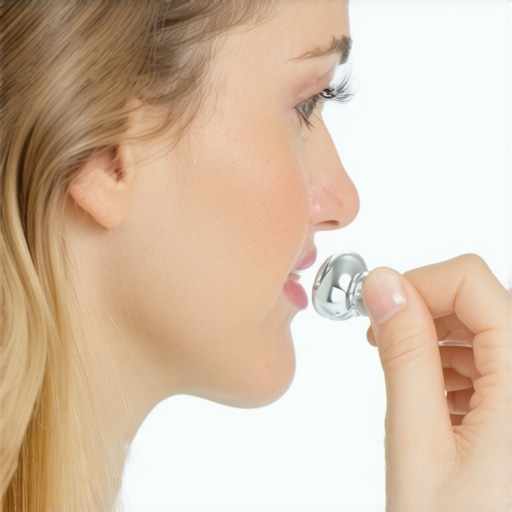
Protect the Seal While You Wait
While you are waiting for your appointment, you have to change how you treat that side of your mouth. I learned the hard way that even healthy habits can be risky when a restoration is compromised. For example, you need to learn the simple way to stop your crown from catching on your floss so you don’t accidentally pull it off entirely. Instead of pulling the floss back up through the contact point, always pull it out through the side. It’s a small mechanical shift that saved me from a midnight emergency.
Watch Out for Invisible Cracks
If the crown feels solid but you still feel a ‘click,’ you might be dealing with a structural failure you can’t see. I spent weeks wondering why my tooth felt ‘off’ until a scan revealed a tiny fracture. Knowing how to tell if your dental crown has a micro-crack you can’t see can save you from a full root canal later. In modern family dentistry, we now use transillumination and high-def sensors to catch these before the crown actually fails. If you’ve also noticed that your teeth feel loose during Invisalign treatment, don’t automatically assume it’s the crown; it could be the natural bone remodeling process. However, if the wiggle is isolated to one porcelain tooth, it’s time to stop the ‘home tests’ and get it professionally re-cemented.
Your Teeth Are Not Static Objects
Most people believe that once a crown is in place, the work is done for decades. In my experience, the ‘set it and forget it’ mentality is the biggest myth in restorative care. While we treat crowns like armor, your mouth is a constantly shifting environment. The contrarian truth is that a ‘loose’ sensation often isn’t about the glue at all—it’s about your bite’s evolving architecture. If you’ve recently noticed that your new zirconia crown feels taller than your other teeth, you aren’t just imagining things; even a microscopic change in how your jaw closes can create lateral pressure that mimics a loose restoration. I used to think the cement was the weak link, but more often, it’s the way the tooth interacts with its neighbors. In fact, family dentistry secrets for long-term success usually involve looking at the entire mouth as a moving machine rather than focusing on a single tooth.
The Dangerous Trap of the DIY Quick Fix
I have seen it a hundred times: someone feels a wiggle and reaches for a drug-store repair kit or, heaven forbid, household adhesive. Let me be very clear—this is the ‘oops’ factor that turns a $150 re-cementing appointment into a $3,000 extraction and implant. There is a massive danger of using superglue to fix a broken denture or crown at home because the chemicals are toxic to the living pulp of your tooth. More importantly, you can never get the alignment perfect by yourself. When you ‘glue’ it back slightly crooked, you create a high spot that hammers the underlying bone every time you chew. 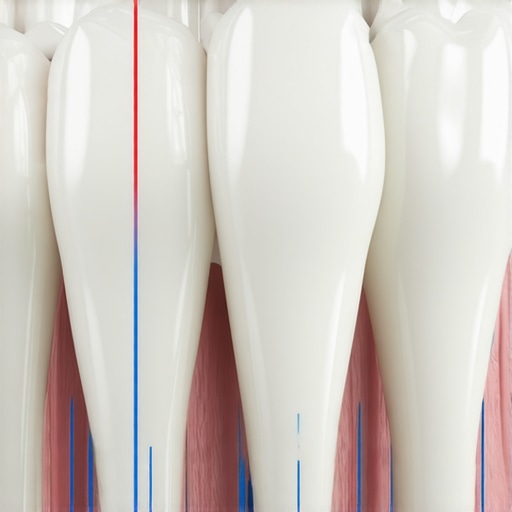
Can a shifting crown actually signal a change in your overall jaw health?
Yes, and this is where the nuance gets interesting. A crown that starts to feel mobile after years of stability can be a ‘canary in the coal mine’ for bruxism or even systemic bone density changes. A study published in the Journal of Prosthetic Dentistry highlights that excessive occlusal force—not cement failure—is the leading cause of technical complications in fixed restorations. If you are also exploring Invisalign myths debunked, you might realize that orthodontic movement elsewhere in the mouth is changing the pressure on your old crown. It’s a domino effect. Have you ever fallen into the trap of trying to ‘push’ a crown back into place yourself? Let me know in the comments, because your experience might help someone else avoid a major dental disaster. We need to stop viewing these restorations as indestructible and start seeing them as integrated parts of a living system. Modern family dentistry trends are shifting toward this holistic view, ensuring that your restoration lasts as long as the tooth beneath it.
I realized early on that if I wanted my investment to last, I couldn’t just rely on a standard toothbrush and a bit of luck. When you have a mix of natural teeth, crowns, and perhaps even some aligners in the mix, your cleaning routine needs a serious upgrade. I personally made the switch to a high-pressure water flosser because it reaches the ‘nooks’ around a crown margin that string simply skips. If you’ve never used one, be prepared—your gums might throb after you use a water flosser for the first time, but that’s usually just the increased blood flow stimulating the tissue. For those of us using Invisalign to keep our bite aligned, I swear by the ‘munchie’ technique. I found that learning how to seat stubborn Invisalign trays using the munchie technique ensures the plastic is actually moving the tooth rather than just sitting on top of it. It’s these tiny, mechanical details that prevent the ‘loose’ feeling we all dread.
How can I keep my restorations from failing over the next decade?
The secret isn’t just brushing; it’s about monitoring the structural integrity of your mouth. I make sure my dentist uses more than just a basic mirror. Nowadays, I look for clinics that utilize 3D imaging. It’s incredible what a 3D CBCT scan reveals that standard X-rays miss entirely, such as the exact thickness of the bone supporting your crown or early signs of a root infection. According to a clinical review in the International Journal of Computerized Dentistry, digital intraoral scans provide a significantly higher level of accuracy for marginal fit than traditional PVS impressions, which means your crown starts with a tighter seal. If you’re juggling multiple dental needs, following top oral health tips for your family’s bright smiles can help you integrate these advanced tools into a daily routine without it feeling like a chore.
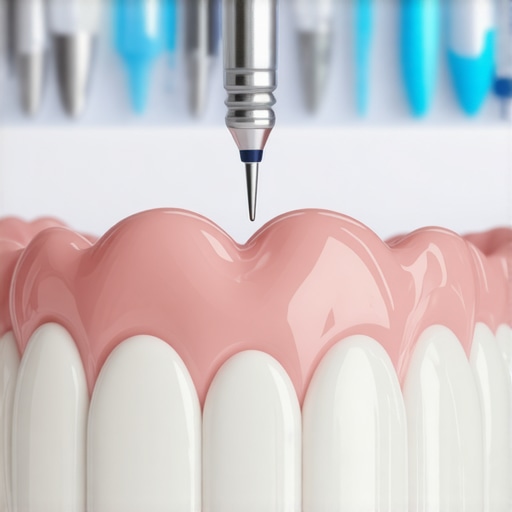
Looking ahead, I predict we are moving toward ‘smart restorations.’ Within the next five years, we will likely see crowns embedded with micro-sensors that can alert your smartphone the second the pH level in your mouth shifts or if the cement bond begins to degrade. This isn’t science fiction; Invisalign innovations and the future of family dentistry are already showing us how AI can track tooth movement in real-time. We are transitioning from reactive dentistry—fixing things when they wiggle—to predictive care. My advice? Don’t wait for a sensor to tell you there is a problem. If you notice your crown catching or your bite feels slightly off, try this advanced tip: use a high-definition intraoral camera (you can find affordable home versions now) to take a photo of the gum line around the crown. If you see even a hairline gap, it’s time for a professional checkup before that wiggle turns into a lost tooth.
The Most Expensive Lesson My Crown Ever Taught Me
I used to think a dental crown was a one-and-done solution, but my biggest takeaway from years of dental work is that oral health is a moving target. I learned the hard way that ignoring a microscopic shift is essentially an invitation for bacteria to settle under the restoration and cause decay where you can’t even see it. Here are the lightbulb moments I had after my own crown drama:
- The Bite is Fluid: Your jaw alignment changes as you age or stress, which often makes a new zirconia crown feel taller than your other teeth over time as the surrounding teeth shift.
- Cement is Only the Secondary Seal: Never assume the glue is the only failure point; often, a wiggle indicates that the underlying tooth structure has changed shape due to clenching.
- Early Detection Saves Thousands: Checking your work with family dentistry secrets like the ‘bubble test’ or checking for floss snags can save you from an expensive replacement later.
My Go-To Kit for a Solid Smile
If you want to keep your restorations intact and feeling secure, you need a specialized toolkit beyond just a basic toothbrush. I personally trust these resources to keep my mouth in top shape:
- High-Pressure Water Flossers: These are essential for cleaning the ‘margin’ (where the crown meets the gum). Be warned that your gums might throb after you use a water flosser for the first time, but this is a sign of increased circulation that helps tighten the tissue around the crown.
- HD Intraoral Cameras: These affordable home tools allow you to see the back of your own teeth in high definition to spot cracks before they widen.
- Professional Consultation: I always recommend choosing the right crown expert who uses digital 3D scans rather than old-fashioned putty molds for the most precise fit possible.
#IMAGE_PLACE_HOLDER_E#
Don’t Let a Tiny Wiggle Become a Big Problem
Your smile is one of your most valuable assets, and a shifting crown is just a signal that it needs a little professional attention. Whether you are currently weighing the pros and cons of crowns vs veneers or you are just trying to maintain the work you already have, staying proactive is the ultimate key. Don’t let the fear of the dentist’s chair stop you from preserving your long-term oral health. You have the knowledge now to identify the signs of a loose restoration—now go use it to keep your smile bright and stable! Have you ever felt that terrifying ‘thud’ of a crown moving while you were eating? Let me know your story in the comments below.