
The specific sound your tooth makes when it is actually cracked
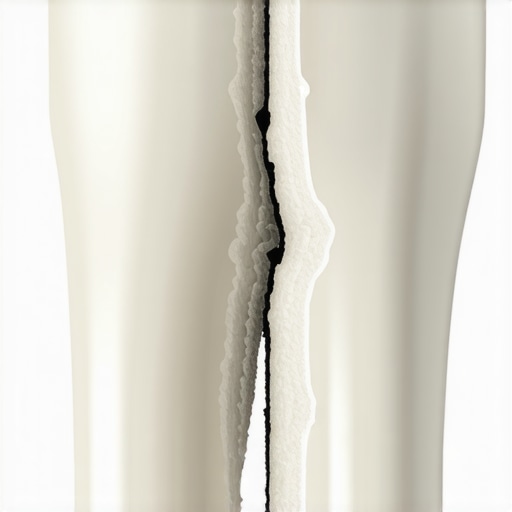
I was sitting on my porch, mid-afternoon, tackling a piece of extra-crunchy sourdough toast when I heard it. It wasn’t the usual muffled crunch of bread. It was a sharp, crystalline snap—a sound that felt like it originated in the very center of my brain. I stopped chewing immediately. My heart sank. I’ve spent years learning about family dentistry and maintaining a solid routine, yet there I was, terrified to move my tongue. I made the mistake of waiting nearly a week to see someone, convinced that if the pain wasn’t constant, I must be fine. Spoiler: I wasn’t fine.
Stop Guessing and Identify the Sound of a Cracked Tooth
We are going to get to the bottom of that noise today. If you’re here, you probably just heard something “off” while eating, or maybe you’ve felt a weird sensation for weeks. We will cover the specific acoustic signatures of a fracture and how to tell the difference between a harmless pop and a structural failure. Sometimes it feels like a piece of popcorn is stuck in your tooth, but when it’s a crack, the sound is unmistakable once you know what to listen for.
Is Every Little Pop Actually a Cracked Tooth?
I get it—nobody wants to rush to the dentist for a false alarm. You might be thinking, “Maybe I just bit a hard seed?” But here is the reality: a healthy tooth shouldn’t make noise. According to the American Association of Endodontists, cracked teeth are incredibly common because of our modern diets and stress-related grinding. I used to think my teeth were invincible until that sourdough incident proved me wrong. If you’ve noticed morning headaches from grinding, you’re already at a higher risk for that dreaded “ping” sound. Have you ever heard a strange noise while eating and just hoped it would go away? I’d love to know I’m not the only one who has tried to ignore it!
Catch the Damage Early to Save Your Smile
Ignoring that sound is the fastest way to turn a minor fix into a major procedure. When I finally went in, I realized that preventing a small chip from becoming a major crack is much easier than dealing with a full-blown fracture. Whether you need to look into crowns for a healthier smile or just a bit of bonding, knowing what that sound implies is your first line of defense. You might even find that crowns are a game-changer for restoring that peace of mind you lost the second you heard that snap.
Pinpoint the Pain with the Sip Test
When you hear that snap, the first thing you need to do is identify if the nerve is involved. Think of your tooth like a house—the enamel is the siding, but the pulp is the electrical wiring. If the wiring is exposed, the whole system shorts out. I immediately grabbed a glass of ice-cold water to perform the sip test to determine if your tooth sensitivity is nerve-related. Take a small sip and let it pool around the suspected area. A sharp, lingering jolt means the crack has reached the dentin or deeper. If the pain vanishes the moment the water is gone, you might just have a superficial craze line, but don’t bet your smile on it.
How to Tell if Your Dental Crown Has a Micro-Crack
Sometimes the sound comes from existing dental work. If you already have a restoration, you need to know how to tell if your dental crown has a micro-crack you cant see with the naked eye. Use a small flashlight or your phone’s LED. Shine it through the side of the tooth—a fracture will often block the light, creating a dark shadow that reveals the break’s path. I tried this on my back molar after the sourdough incident, and seeing that jagged shadow was the wake-up call I needed.
Stop the Split Before It Hits the Root
Once you’ve confirmed something is wrong, you must stabilize the tooth. Avoid the ‘test bite’—the urge to keep biting down to see if it still hurts. Every time you do that, you are driving the wedge deeper into the tooth’s structure. It’s like trying to check if a cracked windshield is solid by punching it. Instead, stick to soft foods and avoid chewing on that side entirely. This is one of those family dentistry secrets maintaining oral health with modern techniques at 254 pm that pros wish everyone knew: mechanical rest is the best temporary fix.
Ditch the DIY Fixes and Protect the Enamel
Whatever you do, stay away from the hardware store. I’ve seen horror stories where people tried to glue their teeth back together, but the danger of using superglue to fix a broken denture at home (or a real tooth) is massive. The chemicals can kill the nerve instantly, turning a simple crown into a root canal or an extraction. If the edge is sharp and cutting your tongue, you can use a tiny piece of sugarless gum or dental wax as a buffer. Focus on how to stop a small chip in your tooth from becoming a major crack by reducing all lateral pressure. When I finally got into the chair, my dentist explained that by not messily ‘fixing’ it myself, I saved the tooth’s integrity for a proper restoration.I used to think that once a dentist cemented a crown in place, that chapter of my life was closed. I was wrong. The nuance most people miss—and even some general practitioners don’t emphasize enough—is that a crown is only as good as the bite it sits in. Everyone says a crown “saves” the tooth, but in my experience, a crown without a perfectly balanced occlusion is just an expensive ticking time bomb. If you’ve ever wondered why your new zirconia crown feels taller than your other teeth, you’re experiencing the most common “oops” factor in restorative dentistry.
Your New Crown Isn’t Actually Indestructible
The trap many of us fall into is treating a restored tooth like it’s a superhero version of its former self. We take the sourdough challenge too far or forget to wear our nightguards. A study in the Journal of Prosthetic Dentistry highlights that even the strongest ceramic materials are susceptible to fatigue failure when subjected to repeated “high spot” impacts. This means that if your crown hits first when you close your mouth, it’s taking 100% of the force that should be distributed across 32 teeth. This isn’t just about comfort; it’s about structural survival. Choosing the right crown expert advice for long-lasting results means finding a professional who obsessively checks your bite from every angle, not just the one where you’re biting straight down.
Why Does Your Bite Only Feel Weird at Midnight?
This is the advanced question that stumps many people. You go to the dentist, they check the bite with that blue marking paper, and everything looks perfect. But then you wake up at 2 AM and the tooth feels “sore” or “high.” This happens because our jaw moves differently when we are asleep and grinding (bruxing) than it does when we are sitting upright in a dental chair. If you have a habit of why your crown feels like it has a high spot only when you grind, your dentist needs to adjust the crown for those “parafunctional” movements, not just your functional ones.
Stop Treating Invisalign Like a Purely Cosmetic Fix
Another hidden nuance involves the relationship between alignment and tooth fractures. We often view clear aligners as a way to get a “pretty” smile, but Invisalign myths debunked what you need to know today reveals that straight teeth are actually a structural necessity. Crooked teeth create “shear forces”—angles where the tooth isn’t designed to take pressure. When you combine misaligned teeth with a history of dental work, you’re essentially creating a nutcracker effect on your own molars. Transitioning to a more stable bite with how Invisalign transforms family dentistry in 2025 isn’t just about vanity; it’s about ensuring your crowns and fillings don’t snap under the pressure of a normal meal. Have you ever fallen into the trap of thinking a dental fix was “one and done” only to have it fail a year later? Let me know in the comments. Digging into the mechanics of your own mouth might feel a bit technical, but it’s the only way to move from being a passive patient to an active guardian of your oral health.Since that sourdough scare, I’ve become borderline obsessive about the tools I keep in my bathroom cabinet. It’s not just about a toothbrush anymore. If you have crowns or you’re midway through clear aligner therapy, your toolkit needs an upgrade. For me, the game-changer was a custom-milled occlusal guard. I used to think the drugstore ones were fine, but the Journal of Oral Rehabilitation notes that ill-fitting guards can actually increase muscle activity and jaw tension in some patients. You need something that protects your investment without causing more morning headaches from grinding. If your crown feels like it has a high spot, a guard is your insurance policy.
Clean Your Gear Without the Chemical Aftertaste
I’m also a huge advocate for natural maintenance. I stopped buying those fizzy, expensive cleaning tablets for my retainers. Instead, I swear by the vinegar soak that safely sanitizes your retainers and guards. It’s cheap, effective, and doesn’t leave that weird ‘pool water’ taste in your mouth. If you are struggling with aligners, you also need to know how to keep your invisalign trays clear without buying expensive cleaners because cloudiness is usually just calcium buildup that vinegar melts away effortlessly.
How can I keep my dental work intact for decades?
Longevity comes down to mechanical hygiene and precision fit. For my friends in aligners, I recommend ‘Munchies.’ They aren’t snacks; they are firm silicone devices designed to help you with how to seat stubborn invisalign trays using the munchie technique. Proper seating ensures the tooth moves exactly where the software predicted, which prevents those mid-treatment ‘tracking’ errors that lead to longer appointments and potential root stress.
The Future of Your Smile is Digital
Looking ahead, I suspect the ‘dentist visit’ will become increasingly virtual and data-driven. We are already seeing Invisalign innovations the future of family dentistry revealed at 1137 am that allow for remote monitoring via smartphone scans. Imagine your dentist getting an alert on their dashboard because your crown moved a fraction of a millimeter before you even felt it. This proactive approach is the secret to making your dental implants last for the rest of your life. We’re moving away from ‘fix it when it breaks’ toward ‘predict it before it snaps.’ If you want to stay ahead of the curve, I challenge you to try the vinegar soak tonight—it’s the simplest way to see if you’re actually keeping your gear as clean as you think you are.
Hard Truths I Discovered While Saving My Own Teeth
One of the biggest eye-openers for me was realizing that why your new filling feels high when you bite down on the left side is actually a critical warning sign, not just a minor annoyance. If your bite is off by even a hair, you’re essentially hammer-drilling into your own jawbone every time you chew. Another lesson? Don’t wait for pain. By the time it hurts, the crack might have already reached the root. I also learned that if your why your new zirconia crown feels taller than your other teeth, you need an immediate adjustment to prevent the porcelain from fracturing under the pressure. Lastly, oral health is a lifestyle, not a destination. You can’t just get a crown and expect it to last thirty years without checking the mechanical forces at play in your mouth daily.
The Toolkit Every Patient Needs for Lasting Results
If you want to keep your smile intact, you need more than just a toothbrush. Here are the three things I never go without now: First, a professional nightguard is the only way to truly neutralize the nutcracker effect of nighttime grinding. Second, I rely on the vinegar soak that safely sanitizes your retainers and guards to keep my gear fresh without harsh chemicals. Third, for anyone in clear aligners, learning how to seat stubborn invisalign trays using the munchie technique is the difference between a treatment that works and one that stalls. These small habits protect the massive investment you’ve made in your mouth.
#IMAGE_PLACEHOLDER_E#
Take Control of Your Dental Future Today
The most important thing I can tell you is that you don’t have to be a victim of your own dental history. Whether you’re researching top oral health tips for your familys bright smiles or looking for a specialist to fix a recent snap, being proactive is your greatest asset. Don’t be afraid to ask your dentist technical questions about your occlusion or material choices. If you’re feeling unsure about a recent sound or sensation, reach out to a professional before a small crack becomes a big problem. Your smile is worth the extra effort. Have you ever ignored a strange clicking or snapping sound while eating, only to regret it later? I’d love to hear your experiences in the comments below!