
The ‘Sip Test’ to Determine if Your Tooth Sensitivity is Nerve-Related
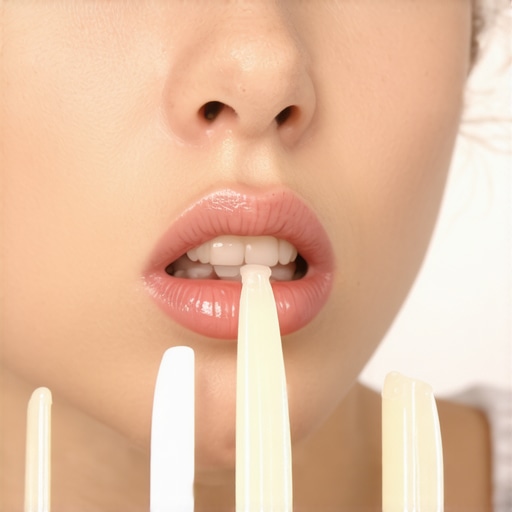
Just yesterday, I found myself wincing at a simple sip of water during my morning coffee. That sudden jolt of discomfort was an eye-opener—my teeth, seemingly fine yesterday, suddenly felt like they were on fire. Ever experienced that kind of sharp, unexpected pain right after enjoying your favorite cold drink or hot soup? It’s more common than you’d think, and that lightbulb moment made me realize the importance of understanding what my body’s trying to tell me.
Mastering the Sip Test: Your Secret Weapon Against Tooth Nerve Confusion
I’ve learned that the way our teeth react to certain stimuli can reveal a lot about their health. The ‘Sip Test’ is a simple, at-home method I use to determine if tooth sensitivity points to nerve involvement or other issues. But before jumping into action, it’s crucial to understand what these sensations could signify. Today, I’ll guide you through how this test works and how to interpret its signals accurately, saving you time and unnecessary worry.
Is the Sip Test Actually Worth the Hype?
Early on, I made the mistake of dismissing mild discomfort as just a temporary glitch. Turns out, ignoring subtle signs can lead to bigger problems, like infections or the need for more invasive procedures. The Sip Test isn’t foolproof, but it’s a reliable starting point—if done correctly. For detailed insights into effective restorative options, you might want to explore how crowns can transform your smile. Knowing the proper way to perform this simple test can make all the difference in catching nerve-related issues early.
Performing the Sip Test Correctly
Begin by spending a few minutes to prepare. Use a clean cup, fill it with cold or hot water—whichever triggers sensitivity. Take a deep breath to relax your jaw. Now, gently sip the water, ensuring it touches the suspected sensitive tooth. Do this slowly, paying close attention to any sharp pain or discomfort. When I first tried this, I used a small tumbler and took a slow sip while watching TV, which made it easier to relax and detect subtle reactions. If you experience pain immediately, note which tooth it was and how intense it feels.
Interpreting Your Reactions Exactly
If the pain is sharp and fleeting, it could indicate nerve exposure or thin enamel. A dull, lingering ache might suggest beginnings of decay or pulp inflammation. Mild discomfort might not be urgent but warrants monitoring. During my own test, I noticed a quick sting in one molar, prompting me to schedule a check-up. Remember, this test isn’t diagnostic but alerts you to potential issues. For comprehensive assessment and to explore solutions like crowns for restoring damaged teeth, consult your dentist.
Timing and Repetition for Reliable Results
Repeat the sip test at different times of day to rule out temporary sensitivities. For example, perform it after eating or drinking, as these can influence reactions. Space out tests over several days, noting consistent responses. When I tested myself over a week, consistent sharp pain guided my dentist to confirm that a small crack was the cause. Keeping a simple chart of reactions helps identify patterns and aids your dental professional in diagnosing the problem accurately.
Executing Preventive Measures Once You Detect Sensitivity
If the test indicates heightened sensitivity or pain, try switching to desensitizing toothpaste and avoid very hot or cold foods temporarily. Apply fluoride gel if recommended, and maintain rigorous oral hygiene. These steps are vital in preventing further nerve exposure. Personally, I started using a softer toothbrush and fluoride rinse, which noticeably reduced discomfort within days. Additionally, scheduling a prompt dental visit ensures early intervention, preventing more invasive treatments like root canals. For options like cosmetic restorations, explore the best crowns for long-lasting results.Many patients believe that all dental restorations and orthodontic options are created equal, but in reality, misconceptions about treatments like Invisalign and dental crowns can lead to costly mistakes. A common myth is that Invisalign is only suitable for minor alignment issues; however, advancements in Invisalign technology now make it a viable option for complex cases when paired with proper planning. Conversely, many overlook how improper use of crowns can accelerate enamel wear if not carefully selected and maintained, underscoring the importance of consulting a specialist in crowns. One of the most overlooked nuances is that misconceptions about oral health often originate from a simplified view of cavity prevention, ignoring the role of systemic factors and lifestyle choices that influence gum health and decay risk. For instance, despite popular belief, good brushing habits alone aren’t enough—regular dental check-ups and understanding the balance of oral microbiota are vital for long-term health. Another advanced point is how the choice of dental materials impacts durability and aesthetics; media sometimes oversimplify this, failing to emphasize that newer materials like zirconia not only mimic natural teeth but also resist staining and fractures better than traditional options.
Make sure to stay informed about the latest research: for example, a 2022 study published in the Journal of Clinical Dentistry highlights how material selection influences the longevity of restorations, urging both dentists and patients to consider evidence-based choices. Remember, effective communication with your dentist about your expectations and lifestyle ensures that the treatment plan suits your unique needs, reducing the risk of complications. Misunderstanding treatment options can lead to dissatisfaction or the need for redo procedures, which can be avoided with thorough consultation. To deepen your understanding, explore the comprehensive guide to crowns and how they can benefit your oral health in the long run.
**Have you ever fallen into this trap? Let me know in the comments!**
Maintaining your dental work, whether crowns, Invisalign trays, or implants, requires more than just regular brushing and flossing. It involves specialized tools and consistent routines to ensure longevity and functionality. As someone deeply invested in family dentistry, I’ve found that the right equipment can make all the difference in preventing issues and extending the lifespan of your restorations.
How do I maintain my dental appliances over time?
First and foremost, I recommend investing in a high-quality ultrasonic cleaner. These devices use sound waves to dislodge plaque and debris from Invisalign trays and retainers at a microscopic level, which traditional brushing can’t always achieve. I personally use the 3D SonicClean Ultrasonic Cleaner because it fits my busy schedule—it’s fast, effective, and gentle on delicate plastic materials. Regular ultrasonic cleaning prevents buildup that can harbor bacteria, reducing the risk of decay or gum disease around crowns and implants.
Another essential tool is a water flosser. For family members with braces, crowns, or implants, a water flosser like the Waterpik Aquarius provides targeted plaque removal. I prefer this over traditional floss because it reaches areas manual floss might miss and minimizes gum irritation—especially important for those with sensitive gums or receding tissue.
 DentalCare Tracker integrate seamlessly with appointment calendars, helping me stay proactive about long-term maintenance.
How will tools evolve in the future?
Emerging innovations like AI-powered intraoral scanners and smart toothbrushes will continue to enhance maintenance routines. These tools can detect early signs of wear or decay before symptoms appear, allowing for preventative action that saves time and money. I predict that integrating these high-tech solutions into regular family dentistry will become standard practice within the next few years, making dental upkeep more precise and less invasive.
If you haven’t already, consider trying an ultrasonic cleaner for your Invisalign trays or retainers. This small investment can dramatically improve your oral hygiene routine and extend the life of your dental work. For trusted advice on selecting the best tools, consult your dentist or visit this guide on choosing the right crown. Remember, a proactive approach today can prevent costly repairs tomorrow.
What I Wish I Knew About Tooth Sensitivity
One of the biggest lightbulb moments for me was realizing that subtle tooth discomfort is often my body’s way of signaling early trouble. Ignoring gentle warnings like mild sensitivity or fleeting pain can lead to more invasive procedures down the line. It’s become clear that listening closely to these signals—like the quick sting during the sip test—can save you time, money, and unnecessary discomfort.
Another lesson I learned is about the importance of consistent monitoring. Performing the sip test at different times and noting patterns helped me and my dentist catch an issue early, often before it became painful or complicated. This proactive approach is a game-changer in maintaining long-term dental health, especially with restorations like crowns or when managing Invisalign trays.
Lastly, I discovered that preventive measures, such as desensitizing toothpaste or fluoride treatments, make a real difference. Small daily habits—like switching to a softer toothbrush or using a water flosser—can reinforce your teeth’s defenses against sensitivity and decay. Understanding that these small investments pay off by extending the lifespan of dental work inspires me to stay vigilant and care actively for my family’s oral health.
Equipped for Success: Tools That Changed My Family’s Oral Care Game
Over the years, I’ve curated a set of trusted tools that ensure long-lasting restorations and healthier smiles. A high-quality ultrasonic cleaner, like the 3D SonicClean Ultrasonic Cleaner, keeps my Invisalign trays and retainers spotless, preventing bacteria buildup. For targeted cleaning between crowns and implants, I rely on the Waterpik Aquarius, which effectively removes plaque even in tricky areas.
Tracking my family’s dental health with digital tools like DentalCare Tracker keeps everyone on schedule for check-ups and replacements, reducing surprises and emergencies. Looking ahead, innovations like AI intraoral scanners and smart toothbrushes promise even more precise preventive care, making it easier to spot issues early and act swiftly. Investing in these tools has been a crucial step toward a future of confident, healthy smiles for my loved ones.
Step Into Your Brighter Dental Future Today
Embracing a proactive attitude toward oral health—armed with the right knowledge and tools—can transform your family’s experience with dentistry. Whether it’s performing simple at-home tests, choosing durable restorations like crowns, or integrating advanced tech, each step you take builds a foundation for lasting confidence and wellness. Remember, real change begins with small, consistent actions, and your smile deserves nothing less.
Have you ever experienced a sudden sensitivity that turned out to reveal a deeper dental issue? Share your story below—I’d love to hear how you navigated it!