
How to manage the metal taste after a new silver filling
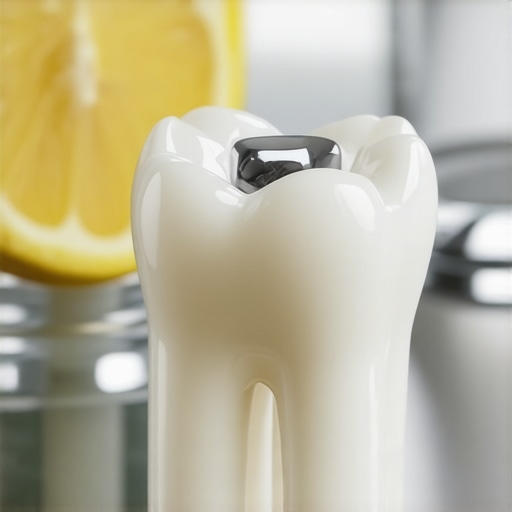
I remember sitting down to a bowl of tomato soup about three hours after my first silver filling. I took one spoonful and—BAM. It felt like I’d just licked a 9-volt battery. That sharp, metallic zing shot through my jaw, leaving a lingering taste of copper pennies that wouldn’t quit. I panicked, thinking my dentist had made a mistake or that my body was rejecting the metal. In a moment of desperation, I made the rookie mistake of trying to scrub the filling with aggressive whitening toothpaste, which only irritated my gums further. If you’re currently dealing with that ‘foil in the mouth’ sensation, you aren’t losing your mind. I’ve been there, and I know exactly how to fix it. Today, I’m sharing the neighborly advice I wish I had back then to neutralize that tang and get back to enjoying your food. [image-placeholder]
Get That Persistent Copper Flavor Under Control
That weird sensation is actually a scientific phenomenon called galvanic shock. It happens when two different metals in your mouth—like your new silver amalgam and a stainless steel fork—interact with your saliva to create a tiny electric current. It sounds like science fiction, but research published in the Journal of Oral Rehabilitation indicates that these oral currents can actually be measured and are a common side effect of new restorations. While it feels like you’re a walking radio antenna, the sensation usually subsides as the filling ‘settles’ and a layer of oxidation forms. I’ve noticed that many people confuse this specific zing with the real cause of that weird zinc taste in your mouth at night or even the annoying feeling of why your new filling feels like a piece of popcorn is stuck there. But if the taste is distinctly metallic, we need to focus on balancing your mouth’s pH levels.
Is this metallic taste actually dangerous for my health?
It is the big question: ‘Am I being poisoned by the mercury?’ While the fear is understandable, the metallic taste is more about the chemistry of the metals reacting with acidic foods than anything toxic. I spent three days worrying myself sick until I tried the saltwater rinse hack for immediate gum relief and acidity control. It turns out, simply shifting the environment in your mouth can dampen those micro-currents. Have you ever felt that sudden electric zap when your silverware touched a tooth? It’s a jarring experience, but it doesn’t have to last all week. Before we get into the heavy hitters for relief, let’s look at why your choice of snacks today is the most important decision you’ll make for your comfort.
Stop Triggering the Electric Zap With Your Diet
The first thing you need to do is audit your plate. When you have a fresh amalgam filling, your mouth is essentially a science experiment looking for a catalyst. Acids are that catalyst. I learned this the hard way two days after my procedure when I decided a large lemonade was a good idea. The citric acid acted like a conductor, turning my mouth into a battery and making that copper taste unbearable. If you want to find relief, you must temporarily cut out high-acid triggers. This includes citrus fruits, vinegary dressings, and especially soda. In fact, the impact of diet soda on your expensive dental restorations isn’t just about staining; it’s about the phosphoric acid keeping your mouth’s pH in the ‘zap zone.’ Stick to alkaline or neutral options like milk, plain water, or oatmeal for at least 48 hours to let the filling oxidize and form its natural protective barrier.
Does Your Bite Feel Slightly Off?
Sometimes the metallic taste isn’t just about chemistry; it’s about physics. If your new filling is even a fraction of a millimeter too high, every time you chew, you are putting intense pressure on the metal and the underlying nerve. This mechanical stress can manifest as a persistent metallic or salty sensation. I remember one specific time where I kept tasting ‘penny’ only when I chewed on the left side. It turned out the filling was catching early, creating a ‘high spot.’ Once my dentist shaved it down—a process that took all of thirty seconds—the taste vanished. If you notice why your new filling feels high when you bite down on the left side, don’t wait for it to ‘wear down’ on its own. That extra pressure keeps the galvanic reaction active and prolongs your discomfort. 
Reset Your Mouth’s Chemistry Overnight
To actively fight the tang, you need to neutralize your saliva. Think of your saliva like the water in a pool; if the chemicals are off, everything feels wrong. A simple baking soda rinse is the gold standard for this. Mix half a teaspoon of baking soda in a cup of warm water and swish for 30 seconds. Unlike regular mouthwash, which often contains alcohol that can dry you out, baking soda specifically targets acidity. This is similar to the salt water rinse secret for healing swollen gums at home, but with a focus on pH balance rather than just inflammation. This rinse helps you how to handle the zinc taste coming from your dental restorations by calming the ion exchange between the metals.
Keep Your Saliva Flowing to Drown Out the Tang
Dry mouth is the biggest enemy of a fresh filling. When your mouth is dry, the metallic ions aren’t being washed away; they’re just sitting on your tongue. Think of it like a stagnant pond versus a running stream. You want that stream. If you’re struggling with why your mouth feels dry even when you drink plenty of water, you might need to look at your medications or habits. Using family dentistry secrets maintaining oral health with modern techniques at 254 pm like xylitol gum can stimulate saliva production without adding sugar that feeds bacteria. Increased saliva acts as a natural buffer, diluting those tiny electric currents and masking the taste until the filling fully settles into its new home.
Stop treating your new crown like it’s bulletproof
Most patients believe that once a tooth is capped, it’s effectively ‘shielded’ from future problems. In my experience, this is the most dangerous myth in family dentistry. While why crowns are a game-changer in restorative dentistry is well-documented, the restoration itself is only as strong as its margin. The area where the porcelain meets your natural tooth is a high-traffic zone for bacteria. If you assume you can slack on hygiene just because the surface is artificial, you’re inviting decay under the hood. A study published in the International Journal of Prosthodontics highlights that marginal adaptation is the primary factor in long-term crown survival. Even if it looks perfect, you need to know how to tell if your dental crown has a micro-crack you can’t see before it becomes a full-blown failure. 
Don’t fall for the aesthetic-only trap with aligners
There is a common misconception that clear aligners are just for people who want a ‘straight’ smile for social media. This is a massive oversimplification. Sophisticated family dental care uses these tools to prevent the biomechanical destruction of your teeth. When your teeth are misaligned, they collide at odd angles, leading to chips that you might mistakenly try to fix with DIY methods. Instead of just focusing on the look, you should be looking at invisalign myths debunked what you need to know today regarding how alignment protects your jaw joint and prevents premature wear.
Can my invisible aligners actually fix my bite, or is it just for looks?
Advanced orthodontic technology in 2025 isn’t just about the ‘social six’ front teeth. Modern systems are designed to correct deep bites and crossbites that would otherwise cause your teeth to grind down over time. If you ignore the functional aspect of alignment, you’re merely putting a band-aid on a structural issue. Many patients find that fixing their bite actually resolves issues they never associated with their teeth, like chronic jaw tension or even specific types of tension headaches.
The hidden danger of over-cleaning your new dental work
Here is the ‘oops’ factor I see most often: the over-achiever mistake. After getting a new restoration, patients often become hyper-vigilant and start scrubbing their teeth with a fervor that actually causes damage. You might think you’re being thorough, but you’re likely causing the gum tissue to retreat from the restoration. Learning how to tell if your gums are receding from brushing too hard is vital when you have crowns or veneers, as exposed margins are significantly more prone to sensitivity and staining. Have you ever fallen into the trap of thinking ‘harder is better’ when it comes to brushing? Let me know in the comments, and we can talk about the best soft-bristle techniques to keep those restorations pristine without the damage.
Trade your string for a pressurized stream
If you’ve invested in modern restorations, standard string floss is often the weakest link in your routine. I personally switched to a high-end water flosser three years ago, and the difference in my gum health was night and day. When you have multiple crowns for a healthier smile, bacteria tend to congregate at the margins—the tiny gap where the crown meets the tooth. A water flosser isn’t just about convenience; it’s about mechanical force. It flushes out debris that string simply skips over. I’ve found that the easiest way to floss under a dental bridge without getting stuck is to use a tapered tip on a medium setting. Just be warned: if you haven’t used one before, you might wonder why your gums throb after you use a water flosser for the first time. It’s usually just your tissue adjusting to the increased circulation and deep cleaning. 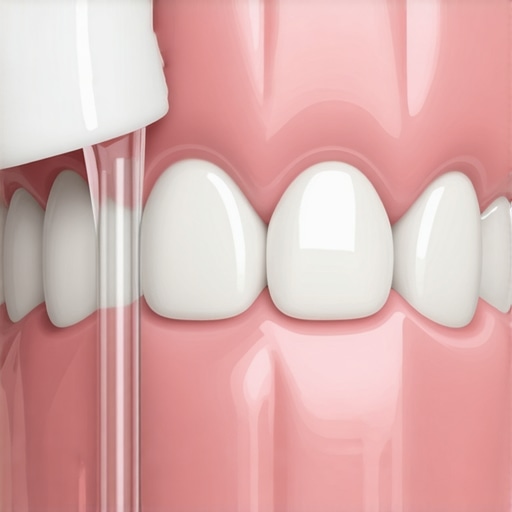
Stop the hidden grind before it ruins your investment
You can have the best dentist in the world, but if you grind your teeth at night, your dental work is on a timer. According to a study by the Journal of the American Dental Association (JADA), the prevalence of nocturnal bruxism in adults is approximately 8% to 31%, making a custom-fitted night guard the most effective tool for preventing crown fractures. I didn’t realize I was a ‘grinder’ until I noticed a tiny chip in my molar. It turns out, the connection between grinding your teeth and those constant morning headaches is a massive red flag. Protecting your investment means wearing a guard to ensure choosing the right crown expert advice for long lasting results actually pays off over the next decade.
How do I maintain my dental restorations over time?
Longevity comes down to two things: bite alignment and pH balance. You should be asking your dentist to perform a ‘occlusal check’ at every six-month cleaning. This ensures your crowns boost oral health confidence without becoming loose. If you are using aligners, I recommend the ‘Munchie’ technique—using a silicone device to bite down and fully seat the trays. Knowing how to seat stubborn invisalign trays using the munchie technique ensures the plastic is actually moving the roots, not just tilting the crowns.
The future of your smile looks more digital than you think
I predict that within the next five years, we will all be using AI-integrated toothbrushes that provide a heat map of our mouths to our dentists in real-time. We are already seeing invisalign innovations the future of family dentistry revealed through 3D scanning and remote monitoring. This technology allows for family dentistry secrets maintaining oral health with modern techniques to become personalized daily habits rather than twice-a-year chores. I strongly suggest you try one specific tip tonight: swap your traditional mouthwash for a pH-neutralizing rinse or a simple baking soda solution. It’s the single cheapest way to stop those ‘electric zaps’ and protect your enamel from acid erosion. Let’s keep those smiles functional for the long haul.
The Hidden Chemistry That Caught Me Off Guard
Looking back at my own journey with dental restorations, I realized that the metallic tang was simply a wake-up call to pay better attention to my mouth’s pH balance. It wasn’t just about a single filling; it was about how my entire environment affected my dental work. First, I learned that patience is truly a virtue; that galvanic shock usually fades as the metal oxidizes, creating its own protective shield. Second, I discovered that my love for sparkling water was actually keeping my mouth in an acidic state, prolonging the metallic taste far longer than necessary. Finally, I realized that the impact of diet soda on your expensive dental restorations isn’t just a myth—it actively fuels that copper sensation. Understanding these small triggers changed my approach to long-term recovery.
The Low-Cost Essentials I Keep in My Medicine Cabinet
If you want to keep your restorations pristine and your breath fresh, you don’t need a massive budget. I personally swear by these three staples: Plain Baking Soda is the ultimate neutralizer for any acidic ‘zaps’ or weird tastes. A High-Pressure Water Flosser is non-negotiable for anyone with bridges or crowns; just don’t be surprised why your gums throb after you use a water flosser for the first time as they adjust to the deep clean. Lastly, for those of us moving into modern orthodontics, I always keep a silicone Munchie nearby because knowing how to seat stubborn invisalign trays using the munchie technique ensures your treatment stays on track without irritating your gums.
The Path to a Zap-Free Smile
Getting a filling or a crown shouldn’t feel like you’ve permanently altered your ability to enjoy a meal. By managing your acidity levels and keeping up with top oral health tips for your familys bright smiles, you can ensure that your restorations feel like a natural part of your mouth rather than a foreign object. Your oral health is a long-term investment, and a temporary metallic taste is just a small hurdle in the grand scheme of maintaining a functional, pain-free smile. Have you ever felt that sharp ‘electric zap’ while eating with a new filling or crown? Let me know about your experience in the comments below!