
Why your toddler’s gums look purple where a new tooth is coming in
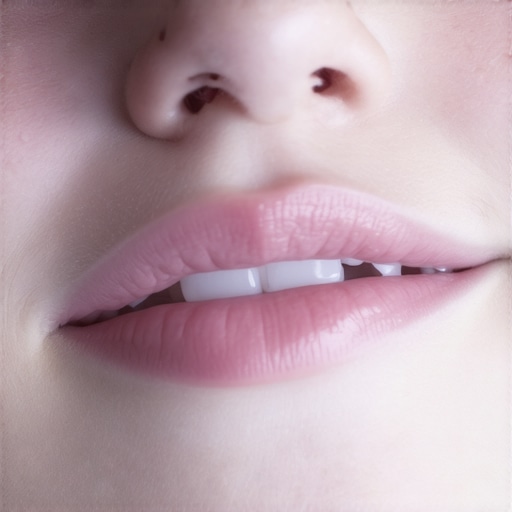
I remember the exact Tuesday morning it happened. My son was sitting in his high chair, and as he laughed at the dog, I saw it—a dark, angry-looking purple bulge right where his molars should be. I nearly dropped his sippy cup. My first instinct was pure panic; I thought he’d somehow injured himself while I was in the other room. I felt that sudden, sharp sting of parental failure, wondering how I’d missed a major fall. But then I noticed something weird: he was totally fine. He was actually more interested in throwing his Cheerios than he was in his ‘injury.’ This was my crash course in what we call an eruption hematoma. If you’re staring at a similar sight in your little one’s mouth, take a deep breath. Today, we are going to break down exactly why this happens and why you likely don’t need to rush to the ER.
That Scary Purple Spot is Just a Sign of Progress
It looks like a bruise because, in a very literal sense, it is. As a new tooth makes its way through the bone and toward the surface, it can occasionally rupture a tiny blood vessel. That blood gets trapped in a small pocket between the crown of the tooth and the gumline. I’ll be honest: my first mistake was trying to ‘clean’ the spot with a washcloth, thinking it was just a stain from a grape or a piece of blueberry. I ended up making his gums sore and scaring him for no reason! We see this often in family dentistry trends, where parents are rightfully concerned about their familys bright smiles. Usually, these spots are just a sign that a tooth is about to make its grand entrance. Why does this matter right now? Because toddlerhood is a marathon of physical changes, and being prepared means you won’t freak out when the next tooth decides to make a dramatic appearance.
Is This Really a Dental Emergency?
This is the big hurdle for most parents. It looks so dramatic that it’s hard to believe it’s normal. But according to the American Academy of Pediatric Dentistry, these eruption cysts are usually benign and require no treatment. The tooth will eventually ‘cut’ through the tissue, drainage will happen naturally, and the purple color will vanish. It’s a much less stressful situation than what to do when your child knocks out a baby tooth early, though it looks twice as scary. Have you ever seen a spot like this and immediately jumped to the worst-case scenario? You aren’t alone. It’s just one of those strange milestones, like figuring out the strategy for getting a nervous toddler through their first cleaning or dealing with the first loose tooth. Unless there is a fever, extreme swelling, or you feel the need to contact us for peace of mind, you can usually just sit back and wait for that tooth to arrive. We’ll look at some ways to soothe the discomfort in the next section, but for now, know that your toddler’s mouth is just doing its job.
Keep Your Fingers Out of the Danger Zone
One of the hardest things to do as a parent is to see something ‘wrong’ in your child’s mouth and not try to fix it immediately. However, the first rule of dealing with an eruption hematoma is to leave it alone. Think of it like a blister on your heel; if you pop it, you are just opening the door for bacteria and a much longer healing time. I learned this the hard way when I tried to scrub the ‘bruise’ away with a toothbrush, thinking it was a stain. My son, Leo, ended up with bleeding gums and a genuine fear of the toothbrush for three days. Instead, maintain family dentistry secrets maintaining oral health with modern techniques at 254 pm by continuing to brush the other teeth gently, but skip the swollen area entirely. You might wonder how to tell if a dark spot is a cavity or just a deep groove, but in the case of a purple bulge over a missing tooth, it is almost certainly just blood trapped under the surface.
Give Them Something Cold to Bite On
The pressure of a tooth trying to break through is what causes the discomfort, not the hematoma itself. To help, focus on cold therapy. This isn’t just about numbing the pain; it is about constricting those tiny blood vessels to prevent further swelling and provide immediate relief. I once tried using a chilled metal spoon because I thought the cold would be instant. Big mistake. The metal was too hard and the clinking against his other teeth made him jump. I pivoted to a clean, damp washcloth that I had tossed in the freezer for ten minutes. It was soft enough to be gentle but cold enough to numb the area. He sat there chewing on that blue rag like it was a gourmet meal, and the angry look of the purple spot actually faded slightly because the cold reduced the inflammation. It is a messy, drooly solution, but it is far more effective than any store-bought teething toy I have ever purchased. 
Swap the Crunchy Snacks for Softer Options
While that hematoma is active, the gums are incredibly sensitive to friction. Sharp edges from crackers, chips, or hard cereals can scrape against the bulge and cause it to bleed prematurely, which can be startling for both you and the toddler. I remember trying to give Leo his favorite pretzels during his molar breakout, and he immediately pushed them away and started crying. I switched to chilled yogurt, mashed avocados, and cold applesauce, which provided necessary nutrients without the ouch factor. It is also a great time to evaluate the truth about fruit snacks and their impact on childhood dental health, as those sticky treats can cling to the swollen tissue and make cleaning even more difficult. Soft, cool foods are your best friend until that tooth finally cuts through the gumline.
Watch for the Real Red Flags
While most of these spots are harmless, you do need to keep an eye out for signs that it is transitioning from a normal milestone into a potential infection. If the area starts to smell bad, or if your child develops a fever that doesn’t align with simple teething, it is time to take action. You can try the saltwater rinse hack for immediate gum relief if the toddler is old enough to spit, but for the little ones, a quick call to the office is safer. We see family dentistry trends moving toward more conservative watch and wait approaches for these hematomas because they truly do resolve on their own once the tooth emerges. Just stay vigilant about redness that spreads beyond the immediate area of the tooth or any signs of lethargy. Keeping a consistent routine for familys bright smiles means knowing when to intervene and when to let nature take its course.While we’re on the subject of mouth surprises, let’s talk about the ‘set it and forget it’ trap. Many parents think that once we move past the teething stage and into things like crowns or orthodontic work, the ‘danger zone’ disappears. That is a massive misconception. In fact, thinking a crown is a permanent shield is the quickest way to end up back in my chair for a replacement. A study published in the International Journal of Dentistry highlights that the ‘margin’—where the crown meets your gumline—is actually the most plaque-sensitive area in your entire mouth. If you aren’t meticulous, you’ll notice why your gums are turning dark around the edge of a dental crown, which is often a sign of recession or underlying decay, not just a cosmetic fluke. It’s about more than just the tooth; it’s about the foundation supporting it.
A Crown Doesn’t Make Your Tooth Bulletproof
The biggest ‘oops’ factor I see with adults is the belief that a porcelain or zirconia cap means they can slack off on flossing that specific area. I’ve seen patients who are perfect with their natural teeth but let their crowns go, leading to family dentistry secrets maintaining oral health with modern techniques at 254 pm becoming a necessity rather than a routine. The ‘trap’ here is that you can’t feel a cavity starting under a crown because the nerve is protected (or gone), so by the time it hurts, the tooth is often lost. This is where what a 3d cbct scan reveals that standard x-rays miss entirely becomes a literal lifesaver, as it allows us to see under the metal or ceramic margins that traditional films can’t penetrate. 
Why Your Teeth Might Feel Wobbly During Invisalign
Another common ‘oops’ moment happens with invisalign myths debunked what you need to know today. Most people assume that if their teeth feel loose, something is wrong. I’ve had patients call me in a panic because they felt a slight ‘wiggle’ in their front teeth. But here’s the nuance: if they weren’t loose, the treatment wouldn’t be working! To move a tooth, the periodontal ligament must stretch, and the bone around the root has to temporarily soften and reorganize. If you’re worried, checking into why your teeth feel loose during the middle of invisalign treatment will help you realize that this ‘looseness’ is a sign of progress, not a sign of your teeth falling out. However, don’t ever try to ‘speed things up’ by skipping trays or, heaven forbid, using DIY fixes. The danger of using superglue to fix a broken denture at home or any dental appliance is real—the chemicals are toxic and can permanently ruin the medical-grade polymers.
Why Does My New Crown Feel Like It Only Hits When I Chew?
This is a sophisticated nuance that many people ignore until they have a full-blown headache. When we seat a crown, we check the bite while you are sitting upright and biting ‘static.’ But your jaw moves in three dimensions when you actually eat. If you find why your new zirconia crown feels taller than your other teeth, it can lead to traumatic occlusion. This isn’t something you’ll just ‘get used to.’ It literally bruises the ligament holding the tooth in place, causing a sharp ‘zing’ every time you chew. Think of it as a tiny pebble in your shoe; eventually, it’s going to cause a blister. Have you ever fallen into this trap of ‘waiting it out’ with a dental repair only to have it get worse? Let me know in the comments below!
Stop guessing if your teeth are actually clean
I used to think my old-school toothbrush was enough until I saw the microscopic plaque build-up on a high-definition intraoral camera. If you have crowns or dental implants, you need more than just standard gear. I personally swear by the water flosser, but there is a learning curve—don’t be surprised why your gums throb after you use a water flosser for the first time. It is simply your tissue reacting to the localized pressure clearing out long-dormant bacteria. For those with complex dental work, finding the easiest way to floss under a dental bridge without getting stuck usually involves a specialized threader or a high-quality water jet. These tools aren’t just gadgets; they are the frontline defense for your familys bright smiles. According to a study in the Journal of Prosthetic Dentistry, the longevity of a restoration like a zirconia crown is heavily dependent on the luting agent’s resistance to microleakage at the margin. This means if you let plaque sit at that gumline, you are inviting the crown to fail from the inside out.
How do I keep my dental work looking like new for decades?
The secret isn’t just brushing harder; it’s about precision. If you are currently in clear aligners, you know the struggle of a tray that won’t quite snap into place. I always tell my patients to skip the DIY fixes and learn how to seat stubborn invisalign trays using the munchie technique. Using a silicone munchie provides the specific orthodontic pressure needed to engage the tooth into the plastic properly, which is one of the many family dentistry secrets maintaining oral health with modern techniques at 254 pm that pros use to keep treatments on track. Beyond the tools, you need to know when to ask for a what a 3d cbct scan reveals that standard x-rays miss entirely. Standard 2D films are great for cavities, but they often hide the very beginning of a crown failure or a root fracture. 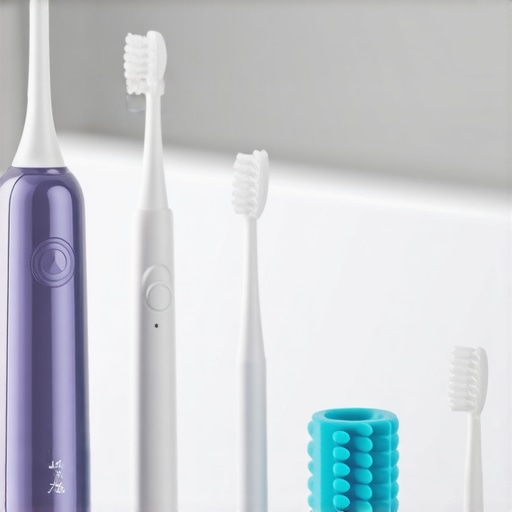
The future of maintenance is getting smarter
Looking ahead, I predict we are moving toward Smart Aligners and real-time pH-monitoring mouthguards. We are already seeing invisalign innovations the future of family dentistry revealed at 1137 am that allow us to track tooth movement via smartphone apps. Eventually, your toothbrush will likely alert you the second it detects the specific sulfur compounds associated with gum disease. Until then, you have to be your own advocate. Don’t let your investment crumble because of a five-dollar habit. If you are struggling with aligner fit or crown sensitivity, I highly recommend trying the ‘Munchie’ method for at least ten minutes a day. It’s an advanced move that drastically improves the predictability of your smile. If things still feel off, don’t hesitate to contact us for a professional calibration of your bite.
Three Lessons Every Dental Parent and Patient Should Take to Heart
Reflecting on my years navigating everything from toddler eruptions to adult crowns, I have realized that the biggest hurdles are usually mental, not physical. First, never mistake a ‘finished’ dental procedure for a ‘maintenance-free’ future. A crown is a high-tech shield, but the biological tooth underneath is still vulnerable. Second, trust the physiology of movement; whether it is a tooth erupting through gums or shifting through bone, some level of discomfort or ‘looseness’ is a sign of a healthy, active process. Finally, consistency beats intensity every single time. Brushing twice a day with the right techniques is far more valuable than a deep cleaning once a year if you ignore your familys bright smiles in between visits. These are the real family dentistry secrets maintaining oral health with modern techniques at 254 pm that keep patients out of the emergency chair.
The Minimalist Gear List for Keeping Your Smile in Top Shape
I have tested dozens of gadgets, but you really only need a few high-quality tools to see a massive difference. I highly recommend a quality water flosser, especially if you need to know the easiest way to floss under a dental bridge without getting stuck or have tight crowns. For aligner patients, do not skip the use of silicone munchies. Learning how to seat stubborn invisalign trays using the munchie technique is the difference between a treatment that takes twelve months and one that drags on for twenty. Lastly, if you are ever unsure about what is happening beneath the surface, ask your provider what a 3d cbct scan reveals that standard x-rays miss entirely; this advanced imaging is my favorite tool for catching issues before they become expensive nightmares.
Your Smile Deserves the Best Care Possible
Whether you are soothing a toddler’s bruised gums or adjusting to a new set of zirconia crowns, remember that your oral health is a lifelong journey. Modern family dentistry trends are all about prevention and using technology to make your life easier, not more complicated. Take these tips, use the right tools, and keep that proactive mindset. If you ever feel overwhelmed by a new symptom or a dental change, do not hesitate to contact us for professional guidance. Have you ever been surprised by a strange color or feeling in your mouth that turned out to be totally normal? Let me know in the comments!