
The best foods to eat when your new braces feel tight

I sat in the drive-thru of my favorite burger joint, starving, just twenty minutes after my orthodontist did a ‘routine’ wire tightening. I took one look at that sesame seed bun and realized my mistake. My teeth felt like they were being squeezed by a professional wrestler. I couldn’t even imagine chewing. That’s the reality of the ‘tight’ phase—where even a slice of bread feels like a brick. If you’re currently staring at your pantry wondering if you’ll ever eat solid food again, don’t panic. I’ve been there, and I made the mistake of trying to power through a steak dinner way too early in my journey. Today, we’re going to fix your meal plan so you don’t have to starve while your smile shifts.
Surviving the First Forty-Eight Hours of Tight Braces
Dealing with that intense pressure is just part of the journey toward a better smile, much like deciding between invisalign vs braces when you first started. When those wires get cinched, your periodontal ligaments are actually under significant stress. According to the American Association of Orthodontists, this pressure is necessary to move teeth, but it often leads to temporary inflammation that makes biting down feel impossible. In those early days of my treatment, I thought I could handle a crunchy taco. Big mistake. I ended up in tears with a sore jaw and a very bruised ego. Since then, I’ve learned that the secret isn’t just ‘soft’ food—it’s food that actually satisfies you so you don’t get ‘hangry’ while your teeth migrate. You might even find some crossover with the best soft foods to eat right after getting a new dental implant, because comfort is king when your mouth is sensitive. [image placeholder]
Is all this aching and soreness actually worth it?
I get it. When you’re sipping lukewarm soup for the third meal in a row, you start to question your life choices. But that tightness is proof the hardware is doing its job. Have you ever felt like your teeth were literally vibrating after an appointment? It’s a wild sensation, but it means progress. I’ve picked up some top oral health tips over the years to manage this discomfort, and it all starts with what’s on your plate. If you can get through the first two days without accidentally snapping a bracket on a pretzel, you’re winning. Have you ever tried to eat something ‘safe’ only to realize it was a terrible idea? Tell me your worst ‘braces-fail’ story! We’re about to dive into the ultimate menu for those high-pressure days, ranging from protein-packed smoothies to the one type of pasta that won’t get stuck in your wires.
How to Build a Meal Plan That Doesn’t Require Chewing
To get through the next few days, you need a strategy that goes beyond just eating soft. Think of your teeth as a bruised muscle after a heavy gym session. You wouldn’t try to run a marathon on a sprained ankle, so do not try to grind down tough fibers or chewy meats. Stick to liquid gold options like Greek yogurt, bone broth, and over-cooked pasta that requires zero effort to swallow. I remember one specific Tuesday after an adjustment when I thought a soft deli sandwich would be fine, but the slightly toasted sourdough felt like jagged glass against my sensitive gums. I ended up picking the ham out with my fingers and feeling defeated. I learned quickly that if you cannot mash it easily with a fork, it has no business being on your plate during a tightening week.
Build a Smoothie That Actually Fills You Up
Smoothies are the ultimate survival tool, but most people just make fruit-heavy sugar bombs that leave them starving an hour later. To stay full, you must add healthy fats and proteins that sustain your energy without requiring a single bite. Toss in half an avocado, a scoop of vanilla protein powder, and a generous tablespoon of almond butter. This creates a dense, creamy texture that coats the mouth and provides a layer of comfort. The cold temperature also acts as a natural analgesic, helping to numb the localized inflammation in your periodontal ligaments. It is a very similar approach to managing sensitivity after a major procedure, much like finding the best soft foods to eat right after getting a new dental implant. 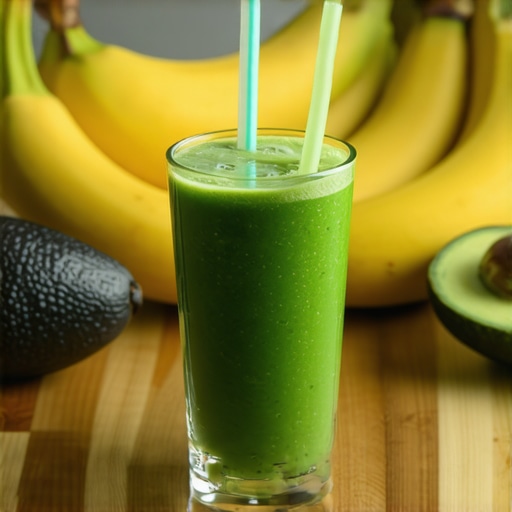
Why Your Teeth Feel Loose and How to Manage the Panic
Do not freak out if you feel a slight wiggle when you brush. As those high-tension wires pull, your teeth are literally undergoing a process where the bone softens slightly to allow for movement. You might even notice why your gums feel like they are vibrating when you talk because the nerves are in a state of high alert. This sensation is a standard part of the biological shift, occurring whether you are using traditional metal hardware or wondering why your teeth feel loose during the middle of invisalign treatment. Resist the urge to test the looseness with your tongue or fingers, as this mechanical irritation only prolongs the soreness and can interfere with the settling process.
The Saltwater Secret for Instant Pressure Relief
If the throbbing feels like a constant heartbeat in your jaw, reach for the salt shaker. I used to think this was just an old wives’ tale until my orthodontist explained that osmosis actually helps draw out excess interstitial fluid from inflamed gum tissue. Use the saltwater rinse hack for immediate gum relief at least twice a day, especially after meals. It acts like a mini-spa for your mouth, reducing the internal pressure that makes the brackets feel even tighter than they are. While you are focused on the immediate ache, keep in mind that these shifts are closing gaps and correcting alignments; patients often worry about temporary changes like how to fix the black triangle gaps that appear after braces, but most of these issues resolve as the teeth reach their final destination.
Use Cold Compresses as a Natural Numbing Agent
Think of your braces as a tiny construction crew working twenty-four hours a day. When they hit a difficult patch of bone, things get hot and swollen. Drinking ice-cold water or holding a flexible cold pack against your cheek for fifteen minutes can drastically reduce the zinging sensation that often follows a wire change. This is especially helpful right before bed when the distraction of the day fades and the pressure feels most intense. I once spent an entire night pacing the kitchen until I realized a simple bag of frozen peas wrapped in a thin towel was the only thing that would let me drift off. It is a low-tech solution that provides more relief than almost any over-the-counter pill because it addresses the inflammation at the source.The cold packs really do work, but there is a deeper layer to this discomfort that most people overlook until they are in the thick of it. Many patients believe that choosing clear aligners means they will escape the ‘tightening’ misery altogether. In my experience, this is one of the most common invisalign myths debunked early on. While traditional braces have a steady, heavy pull, aligners can feel like a complete pressure reset every time you pop in a new tray. If you are comparing invisalign vs braces, don’t let the ‘painless’ marketing fool you; both involve moving bone, and bone movement hurts. The truth is that aligners create a different kind of soreness because you take them out to eat, allowing your teeth to relax slightly before forcing them back into the high-pressure mold. This constant on-and-off cycle can actually be more irritating than the steady tension of traditional brackets. It is a nuance that many influencers leave out of their perfect ‘before and after’ videos. 
Don’t Fall for the Dangerous DIY Repair Trap
When that wire is poking or a tray edge is sharp, the temptation to handle it yourself is overwhelming. I have seen people try to use nail files or even household tools to ‘smooth out’ a rough spot. This is a massive ‘oops’ factor. You risk cracking the appliance or, worse, damaging your enamel. Knowing how to fix a sharp edge on a tooth at home safely—usually with orthodontic wax—is critical, but never take a file to your hardware. Similarly, never attempt a repair with adhesives; the danger of using superglue to fix a broken denture or bracket at home includes chemical burns and permanent damage to the dental material. I once spoke to a friend who tried to glue a bracket back on and ended up with a week-long ulcer from the toxic fumes of the glue.
Does moving your teeth too fast lead to permanent root damage?
This is a sophisticated concern often discussed in the American Journal of Orthodontics and Dentofacial Orthopedics. Studies suggest that excessive force applied too quickly can lead to ‘root resorption,’ where the body actually begins to dissolve the ends of your tooth roots. This is why your orthodontist doesn’t just ‘crank’ the wires every week; they need to respect the biological pace of bone remodeling. If you’ve ever wondered why your teeth feel loose during the middle of invisalign treatment, it is because that bone-softening process is carefully controlled. It is also worth noting that adult bone is denser than a teenager’s, so the metabolic response is naturally slower. If you are an adult patient, that ‘loose’ feeling might last a few days longer, and that is perfectly normal. Pushing too hard, too fast, doesn’t just hurt more—it can compromise the long-term stability of your smile. Have you ever been tempted to ‘speed up’ your treatment by skipping a tray or asking for a tighter wire? Let me know in the comments if you’ve fallen into that trap! We need to focus on the long game, even when the immediate ache makes you want to quit. This patience also helps prevent issues like how to fix the black triangle gaps that appear after braces, which often occur when tissue doesn’t have time to adapt to the new tooth positions. Stick to the plan, eat your soft foods, and remember that slow progress is still progress.
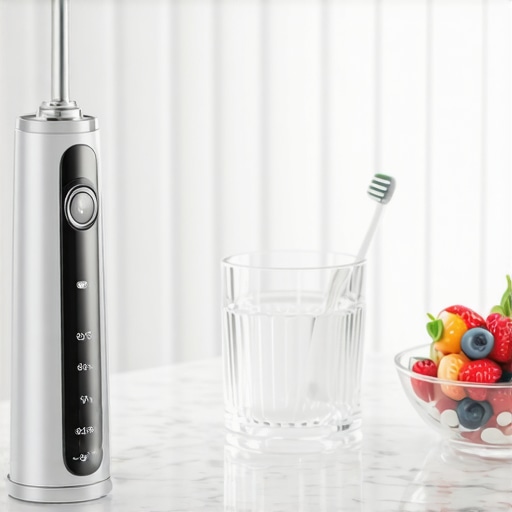
Once you move past the initial soreness of a wire tightening or a new tray, the game changes from survival to optimization. I’ve found that the tools you choose during this phase determine if your smile looks as good in five years as it does the day the brackets come off. Personally, I swore off traditional string floss the moment I got my first adjustment. It was like trying to thread a needle in a dark room while my teeth were throbbing. Instead, I switched to a high-pressure water flosser. A 2021 study in the Journal of Periodontology highlighted that water flossers can be up to 29% more effective than traditional string floss for removing plaque in patients with fixed orthodontic appliances. This isn’t just about convenience; it is about preventing the decalcification that leaves permanent white spots on your enamel. If you are using aligners, you absolutely need to master how to seat stubborn invisalign trays using the munchie technique. I used to think ‘munchies’ were just a gimmick, but they ensure the medical-grade plastic actually grips the tooth, providing the consistent force needed for complex rotations.
Keep Your Hardware Crystal Clear Without Harsh Chemicals
If you aren’t careful, your retainers or aligners will start to look—and smell—like a science experiment. I made the mistake of using regular toothpaste to clean mine early on, which created tiny micro-scratches that actually trapped more bacteria and made them look cloudy. Now, I exclusively use the vinegar soak that safely sanitizes your retainers and guards because it breaks down mineral deposits without the abrasive chemicals found in paste. This is a total life-saver if you are trying to figure out how to clean a retainer that has sat out for too long after a weekend trip where you accidentally left your case behind. For those of you with restorative work, remember that choosing the right crown expert advice for long-lasting results means more than just the initial fit; it’s about the daily hygiene routine you maintain at home. You might notice why your dental crown feels cold for weeks after it was placed, and while that thermal sensitivity usually fades, keeping the gumline immaculate prevents the ‘dark edge’ that can ruin your aesthetic over time.
How can I keep my smile perfect for the next decade?
The biggest heartbreak in modern dentistry is the ‘orthodontic relapse.’ Your teeth have a biological memory, and they desperately want to go back to their old, crooked positions. I recommend looking into family dentistry secrets maintaining oral health with modern techniques at 254 pm to see how permanent lingual retainers are becoming a standard ‘insurance policy’ for a straight smile. Looking ahead, I suspect we will soon see AI-powered apps that scan your teeth via your smartphone to alert you the exact moment a tooth starts to drift even a fraction of a millimeter. For now, the best thing you can do is commit to the wear-time instructions your doctor gave you. Whether you’re exploring the hidden benefits of invisalign for family dental care in 2025 or sticking with traditional methods, the goal is long-term stability and bone health. I challenge you to try the vinegar soak this week—it’s the cheapest and most effective way to keep your breath fresh and your hardware invisible!
The Painful Truths Nobody Mentions at the Orthodontist
After years of navigating adjustments, I realized that the mental hurdle is often bigger than the physical ache. First, the ‘phantom tightening’ is real; even days after the appointment, your brain might trick you into feeling a sharp pull when you are just tired or dehydrated. Second, do not ignore the importance of keeping your mouth hydrated. A dry mouth makes brackets feel like sandpaper against your cheeks, which is why your mouth feels dry even when you drink plenty of water to see if your hydration strategy needs a tweak. Lastly, those tiny shifts you see in the mirror every morning? They are the fuel that keeps you going when the soup gets boring.
My Go-To Survival Kit for High-Pressure Days
I would not have made it through my treatment without a few non-negotiable tools. I highly recommend investing in a high-quality water flosser; it is a game changer for those first forty-eight hours when manual flossing feels like torture. To keep your hardware in peak condition, I swear by the vinegar soak that safely sanitizes your retainers and guards, as it prevents that ‘cloudy’ look without using abrasive chemicals. I also rely on the saltwater rinse hack for immediate gum relief to bring down swelling after a particularly aggressive wire change. These are not just gadgets—they are sanity-savers that belong in any top oral health tips for your family’s bright smiles collection.
Looking Toward Your Brand New Smile
It is easy to feel frustrated when you are in the thick of the discomfort, but remember that every throb is a sign of transformation. Whether you are currently dealing with how to fix the black triangle gaps that appear after braces or just trying to get through a lunch of mashed potatoes, the end result is a lifetime of confidence. This journey is a marathon, not a sprint, and your future self will thank you for the discipline you are showing today. Keep your eyes on the prize and do not let a single ‘tight’ week discourage you from the path to a healthier smile. Have you ever had a ‘food fail’ during your first week of braces that you can laugh about now? Let me know in the comments!