
How to stop your toddler from biting the dentist during an exam
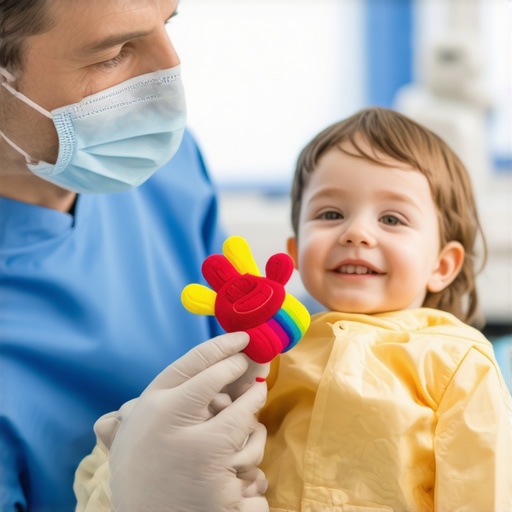
I will never forget the sound of Dr. Sarah’s latex glove snapping as my son’s jaw clamped down. It wasn’t just a nip; it was a full-force, ‘I-am-threatened’ lunge that left me apologizing for twenty minutes straight. I felt like a failure as a parent. I had focused so much on top oral health tips for your family’s bright smiles that I completely forgot the psychological side of the dental chair. If you are reading this, you are likely dreading your next appointment, or maybe you have already lived through the Great Finger Incident. I am here to tell you that we can fix this, and no, your kid is not destined for a life of dental banishment. We are going to transform those office visits from a wrestling match into a manageable, even boring, routine.
Your Toddler Is Not a Monster They Are Just Scared
It is easy to feel judged when your kid acts like a wild animal in a professional setting. My biggest mistake early on was assuming that because he was fine with me brushing his teeth at home, he would be totally cool with a stranger poking around his molars with metal tools. I did not use the right strategy for getting a nervous toddler through their first cleaning, and it showed in the bite marks on the dentist’s knuckle. Biting is a primal defense mechanism when a child feels cornered. According to the American Academy of Pediatric Dentistry, dental anxiety is a significant hurdle for nearly 20% of children, often resulting in physical resistance or aggression. Understanding that this is fear, not malice, is the first step toward a bite-free exam.
Is my child actually going to get kicked out of the practice?
It is the fear that keeps us up at night: the dreaded ‘we think you should find another provider’ talk. While it is rare, the safety of the staff is important. But remember, pediatric specialists are trained for this. They would much rather work with you on a prevention plan than see a child go without care. Whether you are worried about a routine checkup or need to know how to handle a knocked out baby tooth without panicking, the goal is building a foundation of trust. Have you ever felt that pit in your stomach the moment the dentist reaches for the mirror, knowing your child is about to snap shut? You are not alone in that anxiety, and today we are going to break that cycle.
Practice the Chair Swap Before You Leave the House
Your living room is the ultimate rehearsal stage. Before you ever step foot into a clinical environment, you need to normalize the physical sensation of someone looking into their mouth. I used to think that a quick ‘say ah’ was enough, but it is not. You need to simulate the environment. Sit them in a recliner, tip it back, and use a small flashlight to ‘count’ their teeth. This is where you can identify if why your child’s new molars have deep grooves that trap food, which gives you a great talking point for the doctor during the actual exam.
Last month, we did this with a battery-operated toothbrush to mimic the ‘buzzy’ feeling of a professional cleaning. My son was terrified of the vibration at first, but when I compared it to a bee’s wings, he started giggling. By the time we got to the office, he knew the ‘bee’ was coming. Using family dentistry secrets maintaining oral health with modern techniques like this bridges the gap between home comfort and clinical reality.
#IMAGE_PLACE_HOLDER_B#
Stop the Surprise Element
Never lie to your child about where you are going. If you tell them you are going to the park and pull up at the dentist, you have shredded their trust before they even unbuckle their car seat. Instead, frame the visit as a ‘tooth spa’ or a ‘health check for your smile.’ If they have specific habits that make them nervous, like thumb sucking, now is the time to look into how to stop your child from sucking their thumb for good so you do not have to have that difficult conversation in the chair under pressure. When the child knows the plan, the ‘fight or flight’ response that leads to biting is significantly dampened.
Pick a Specialist Who Speaks Toddler
Not all dentists are created equal when it comes to patience. A pediatric specialist does not just have smaller chairs; they have a different vocabulary. They understand that a child’s jaw is like a spring—it wants to snap shut. If your child has already had a bad experience, you might want to ask about protective measures like why your child needs a dental sealant on their molars early on to prevent the need for more invasive procedures like crowns later. A specialist will use ‘tell-show-do’ techniques, explaining every tool before it goes near a tooth.
Model the Behavior You Want to See
Your kids are mirrors of your own dental anxiety. If you are constantly complaining about your own dental work or the pain of an appointment, they will pick up on those cues. I have found that being open about my own journey—whether it is debunking invisalign myths or explaining why I need a checkup—helps them see dentistry as a lifelong habit rather than a punishment. When they see you taking your oral health seriously, the ‘scary’ part of the clinic starts to fade. Even discussing things like the ultimate guide to crowns for a healthier smile can be turned into a story about how doctors help us stay strong and healthy.
It is a common misconception that once you have a crown, that tooth is ‘invincible.’ I have seen many people fall into the trap of thinking they can slack on flossing because the porcelain cannot decay. While the porcelain is safe, the tooth underneath is more vulnerable than ever at the margin. If you notice why your gums are turning dark around the edge of a dental crown, it is often a sign that the seal is compromised or the gum tissue is reacting to the material. Maintaining the ultimate guide to crowns for a healthier smile means treating the restoration as a high-maintenance guest, not a permanent resident.
The Permanent Solution That Actually Requires Maintenance
The ‘Oops’ factor often happens weeks after the procedure. Many patients ignore a slight discomfort, thinking it will just settle in. In my experience, if why your crown feels like it has a high spot only when you grind is bothering you, it is not going to go away on its own. That microscopic height difference can cause nerve inflammation or even a fracture. Similarly, do not ignore it if why your new zirconia crown feels taller than your other teeth—it is a quick fix in the chair that saves you months of jaw pain later.
Why your standard X-ray might be lying to you
For years, we relied on 2D bitewings to see what was happening under the surface. However, those old-school films often miss the fine-line fractures or early infections hidden behind bulky restorations. This is where what a 3D CBCT scan reveals that standard x-rays miss entirely becomes a game-changer. A study published in the Journal of Prosthetic Dentistry highlights that digital diagnostic tools provide a significantly higher degree of accuracy in identifying marginal discrepancies that traditional methods simply cannot catch. If you are investing in invisalign innovations the future of family dentistry revealed at 1137 am, you want that level of precision. #IMAGE_PLACE_HOLDER_C#
Stop ignoring the hidden benefits of alignment
Everyone thinks Invisalign is about the ‘after’ photo for social media. The expert-level nuance is that alignment is actually preventative medicine. When teeth are properly positioned, they do not trap as much plaque, and they do not put undue stress on the jaw joint. We are seeing more families explore the hidden benefits of invisalign for family dental care in 2025 at 903 am not just for straight teeth, but to resolve chronic issues like grinding-related headaches. Have you ever fallen into the trap of thinking a dental treatment was ‘just cosmetic’ only to realize later it was actually functional? Let me know in the comments.
To move from just getting the work done to keeping it perfect for decades, you have to think like a technician rather than a patient. The real work begins the moment you leave the office with that new crown or aligner set. One tool I recommend to every friend starting aligner therapy is not actually the trays themselves, but a simple silicone device called a ‘munchie.’ I used to think that just snapping the trays in with my fingers was enough, but if they aren’t fully seated, the tooth movement stalls. Learning how to seat stubborn invisalign trays using the munchie technique is the difference between finishing your treatment in six months or eighteen. It ensures that the plastic is exerting the exact force the software calculated.
Stop Your Clear Aligners From Turning Into a Petri Dish
Maintenance is where most people fail because they overcomplicate it. You do not need expensive vibrating baths or proprietary chemical tablets to keep your gear fresh. I personally use a simple diluted solution that costs pennies. Understanding the vinegar soak that safely sanitizes your retainers and guards has saved my family hundreds of dollars. The acidity breaks down the calcium deposits that make trays look cloudy. If you are struggling with discoloration, you can also learn how to keep your invisalign trays clear without buying expensive cleaners by using basic household items that do not degrade the medical-grade plastic.
#IMAGE_PLACE_HOLDER_D#
How do I keep my new smile looking perfect for years?
The secret is managing the ‘envelope of motion’ in your bite. According to a landmark study in the British Dental Journal by Dr. Robert Wassell on clinical occlusion, even a microscopic high spot on a restoration can cause the surrounding periodontal ligament to become inflamed, leading to tooth mobility. This is why I tell people that if why your crown feels like it has a high spot only when you grind is your main complaint, you need an adjustment immediately. Long-term success with the ultimate guide to crowns for a healthier smile depends on your teeth meeting in harmony, not in conflict. When you are choosing the right crown expert advice for long lasting results, ask them about how they measure your bite force digitally.
Where the Industry Is Headed
Looking ahead, the trend is moving toward ‘passive monitoring’ where your smartphone will play a bigger role than your dentist’s chair. We are seeing invisalign innovations the future of family dentistry revealed at 1137 am that include AI-driven apps that scan your teeth at home and alert the doctor only when a tray isn’t fitting perfectly. This keeps the hidden benefits of invisalign for family dental care in 2025 at 903 am accessible without requiring a visit every two weeks. If you are ready to take the next step in your oral health journey, I encourage you to contact us to discuss which of these advanced tools fits your lifestyle. Try the ‘munchie’ technique tonight if you’re in active treatment; you’ll be surprised at how much tighter those trays feel by morning.
What I Learned After the Bite Marks Finally Healed
I’ve spent years navigating the highs and lows of pediatric appointments and my own restorative work. The biggest lightbulb moment for me was realizing that dental health is a living, breathing thing; even a high-end crown can fail if the margin isn’t properly maintained. If you ever notice why your gums are turning dark around the edge of a dental crown, it is essentially your body’s way of asking for a more diligent routine. Another hard-earned lesson? Alignment is not just about looks. Seeing how invisalign transforms family dentistry in 2025 opened my eyes to the fact that we can resolve functional bite issues more discreetly than ever before, which takes the pressure off busy parents who want to prioritize their own care without a mouth full of metal.
The Simple Toolkit That Saved My Family’s Smiles
I have narrowed down our success to just a few essential items that changed everything. First, a high-quality water flosser is non-negotiable for my household now, though you should be prepared for why your gums throb after you use a water flosser for the first time so you do not get discouraged. Second, I swear by tongue hygiene as the secret to total mouth health. Learning the right way to clean your tongue without triggering your gag reflex was a total game-changer for my son, who used to struggle with sensitive reflexes. Finally, having a direct line for those ‘is this normal’ moments is vital, which is why I always recommend you contact us whenever you are in doubt about a new sensation or treatment step.
You Can Build a Different Dental Future
Your family’s relationship with the dentist is a marathon, not a sprint. Do not let one difficult appointment or a past ‘incident’ define your future outlook. By implementing top oral health tips for your family’s bright smiles, you are setting a standard of wellness that will last for generations. You have the knowledge and the modern tools; now it is just about taking that first step toward a healthier, more confident routine for everyone in your home. What was the one tip in this article that changed how you view your next dental visit? Share your story in the comments below!