
How to tell if your toddler is ready for fluoride toothpaste
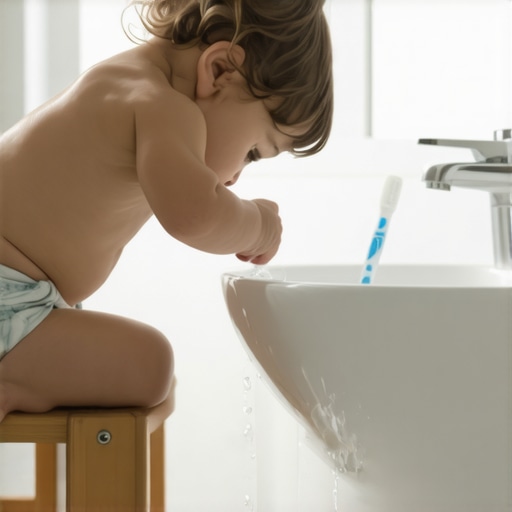
I was that parent. You know the one—hovering over the sink, meticulously checking the label of every toddler-safe product like it was a legal contract. For months, I let my son use that clear, strawberry-flavored training goo that honestly looks more like hair gel than toothpaste. I was terrified of fluorosis. I had seen why your toddler has white spots on their front teeth and convinced myself that one swallowed pea-sized amount would ruin his adult smile forever. But then, during a routine check-up, our dentist pointed out a tiny bit of softening on his molars. I realized my caution was actually putting his teeth at risk. It was a massive wake-up call. We need to protect those tiny teeth properly, but the transition often feels like a high-stakes guessing game. Today, I am going to help you navigate this milestone so you can stop worrying and start protecting your child’s oral health effectively.
Stop Waiting for the Perfect Moment to Switch
If you are waiting for your child to suddenly develop the grace of a professional swimmer who can rinse and spit on command, you might be waiting years. The reality is that tooth decay doesn’t wait for milestones. According to the American Academy of Pediatrics, parents should actually start using a tiny smear of fluoride toothpaste as soon as the first tooth erupts. I made the mistake of thinking age three was the magic number, but the science says otherwise. Transitioning is less about their ability to spit and more about your ability to control the dosage. If you can master the smear, you are ready to move on from training gels. Getting this right early on is one of those family dentistry secrets that keeps cavities at bay before they even start. Have you been holding off on the switch because you are worried about your little one gulping down the minty bubbles?
Is Fluoride Actually Safe for a Child Who Swallows Everything?
This is the number one question I get from other parents in the neighborhood. It feels counterintuitive to put something in their mouth that says “do not swallow” when you know they absolutely will. The key is the grain-of-rice rule. At this tiny amount, the fluoride is safe even if it’s ingested, providing a topical benefit that strengthens the enamel. If you are still feeling a bit twitchy about it, focus on the strategy for getting a nervous toddler through their first cleaning where a professional can show you exactly how much to apply. It is all about building that foundation of top oral health tips for your family’s bright smiles without the paralyzing fear of overdoing it. Once you see how little they actually need, the anxiety starts to melt away, and you can focus on making the routine fun instead of a battle of wills.
Master the Rice Grain Smear
I remember the first time I tried the “smear” method with my son, Leo. I was so nervous I practically used a magnifying glass to ensure the dollop wasn’t a millimeter too large. He, of course, thought it was a game and tried to suck the bristles dry before I even touched a tooth. It was messy, and there was toothpaste on his nose, his pajamas, and somehow the bathroom mirror, but it taught me that precision is your best friend. Think of fluoride toothpaste like a high-performance engine oil; you only need a tiny bit to keep things running smoothly, but skip it entirely and you’re looking at a breakdown. For children under three, you aren’t looking for a glob. You are looking for a thin coating that barely covers the tips of the bristles. This ensures that even if they swallow every bit of it, the intake is well within safe limits while the enamel gets the protection it needs.
Keep the Paste on the Teeth and Out of the Tummy
The biggest hurdle isn’t the brushing; it’s the fact that toddler toothpaste often tastes like a dessert. If your little one treats the toothbrush like a lollipop, try the “dry brush” first technique. Brush for thirty seconds with just water to mechanically remove the bulk of the plaque, then apply the tiny smear of fluoride paste for the final pass. This ensures the fluoride actually sits on the tooth surface rather than being instantly gulped down. If you are struggling with lingering odors, it might be worth checking why your child’s breath smells even after a thorough brushing to ensure you aren’t missing underlying bacteria. Just as adults might eventually need the ultimate guide to crowns for a healthier smile to repair damage, starting this fluoride habit now prevents the need for major restorative work down the road.
Watch Out for Deep Grooves and Hidden Traps
As those two-year-old molars finish coming in, you’ll notice they aren’t flat. If you see why your child’s new molars have deep grooves that trap food, the fluoride transition becomes even more critical. These pits are the perfect hiding spots for sugar and acid. This is also the stage where many parents ask why your child needs a dental sealant on their molars. While sealants are a fantastic future step, the daily application of fluoride is your first line of defense in those hard-to-reach craters. We also have to consider external habits; for instance, learning how to stop your child from sucking their thumb for good is vital because structural changes in the mouth can make certain areas even harder to keep clean with a standard brush. Consistency here is far more important than intensity. Two minutes of gentle, focused brushing with that tiny smear will do more for their long-term health than a five-minute scrubbing session once a week.
The Expensive Material Trap
Most people assume that if they pay for the highest-end zirconia or porcelain, their restorative work is invincible. But here is a contrarian take: the material of your crown is actually less important than the skill of the margin placement. You can have the most expensive restoration in the world, but if the seal isn’t perfect, bacteria will find a way in. I’ve seen patients spend thousands only to find that why your gums are turning dark around the edge of a dental crown is actually a sign of a failing margin, not a metal allergy. True expertise in family dentistry secrets involves understanding that the biology of the gum line is the real boss, not the lab-made ceramic. In my experience, focusing on a precise fit saves more teeth than focusing on the brand name of the material.
Why Does Your New Crown Feel Taller Only After a Long Day?
This is a nuance many patients miss. You leave the chair feeling fine, but by 8:00 PM, you feel like you’re biting on a pebble. This happens because our jaw muscles fatigue and our bite slightly shifts under stress. According to a study published in the Journal of Oral Rehabilitation, even a discrepancy as small as 20 microns—the width of a human hair—can cause the brain to trigger a clenching response. If you notice why your crown feels like it has a high spot only when you grind, it’s not in your head. It is a biological feedback loop. If left uncorrected, that ‘tall’ feeling can lead to why your jaw clicks more when you are stressed at work.
The Real Goal of Invisalign Isn’t Just Your Photos
Another common myth is that clear aligners are strictly for vanity. While everyone wants a straighter smile for social media, the real benefit is functional. Crowded teeth are nearly impossible to clean perfectly, often leading to the hidden spots most people miss while brushing their teeth. When we use how Invisalign transforms family dentistry in 2025, we aren’t just chasing aesthetics; we are creating a mouth that is ‘cleanable.’ However, a major ‘oops’ factor many adults encounter is not seating their trays correctly, which can stall progress. Learning how to seat stubborn Invisalign trays using the munchie technique is often the difference between a six-month treatment and a two-year ordeal. Beyond just alignment, correcting your bite can solve issues like why your front teeth look shorter than they used to due to improper wear. Have you ever fallen into this trap of thinking a dental fix was ‘just for looks’ only to realize it affected your whole jaw? Let me know in the comments.Once you’ve made the investment in a straighter smile or a durable restoration, the goal shifts from correction to preservation. I used to think that once the crown was cemented or the last Invisalign tray was tossed, the work was done. I couldn’t have been more wrong. The longevity of your dental work is entirely dependent on the ecosystem you maintain in your mouth every single morning and night. If you aren’t careful, you can end up with why your Invisalign trays are turning yellow even with regular cleaning, which is both a cosmetic bummer and a bacterial breeding ground. I’ve found that the secret isn’t buying every gadget on the shelf, but mastering a few specific tools that actually work.
Keep Your Trays Clear Without the Premium Price Tag
You don’t need to spend a fortune on proprietary cleaning crystals. I personally swear by a simple, effective routine: how to keep your Invisalign trays clear without buying expensive cleaners. The best-kept secret in my household is the vinegar soak that safely sanitizes your retainers and guards. It’s cheap, it’s effective, and it doesn’t involve harsh chemicals that could degrade the medical-grade plastic of your aligners. If you are diligent with this, your trays will stay as clear on day fourteen as they were on day one.
How do I keep my dental work in top shape for decades?
The trick is acknowledging that restorations like crowns and bridges have unique vulnerabilities. While the porcelain itself won’t decay, the natural tooth structure underneath it absolutely can. Dr. Gordon Christensen, a world-renowned clinical researcher at the CR Foundation, has noted that the ‘margin’—the tiny line where your crown meets your gum—is the most critical area for home care. To protect this, I’ve moved away from traditional string floss for my back teeth. Instead, I use a water flosser, but there is a steep learning curve. If you’ve tried it and ended up soaking your shirt, you need to learn the trick to using a water flosser without making a total mess. Once you master the technique, it is the most effective way to flush out debris from under the edges of a crown or bridge.
The Tool That Actually Solves the Bridge Cleaning Nightmare
If you have a fixed bridge, you know the struggle of those plastic threaders that feel like you’re trying to sew with a wet noodle. I’ve transitioned many of my friends to a specialized tufted floss or a high-powered water flosser because it’s the only way to ensure you don’t end up searching for the easiest way to get food out from under your bridge in the middle of a dinner date. This level of care is what leads to choosing the right crown expert advice for long-lasting results. Looking forward, I predict we will see a massive shift toward AI-integrated home monitoring. We are already seeing Invisalign innovations: the future of family dentistry revealed that allow you to scan your teeth with a smartphone so your dentist can check your progress remotely. This ‘tele-dentistry’ approach will likely become the standard for maintaining all types of oral health work. My best advice? Start the vinegar soak tonight—it is the simplest way to reset your oral hygiene routine and keep those expensive trays looking invisible. If you have any concerns about your current restorations, don’t hesitate to contact us to ensure everything is still sealing perfectly.Looking back at those early days of panic over a pea-sized drop of toothpaste, I realize that the ‘perfect’ routine is a myth. The real magic happens in the messy middle—the nights you are exhausted but still manage a thirty-second brush. I have learned that consistency beats intensity every single time. If you can focus on the smear method and stay regular with your check-ups, you are already ahead of the game. One major lightbulb moment for me was realizing that my child’s attitude toward the dentist was often a direct reflection of my own anxiety. When I started viewing it as a team effort to protect their health, the dynamic shifted from a battle to a partnership. Focus on the win of the day, even if it is just getting one molar brushed properly.
Hard Lessons from the Bathroom Sink Battleground
The biggest takeaway from my transition was that the ‘grain of rice’ rule is non-negotiable. I used to think a little extra wouldn’t hurt, but precision is what builds trust with your dental provider. I also realized that teaching them to ‘spit’ is a motor skill that takes time, but until then, controlling the volume of paste is your primary safety net. Finally, do not underestimate the power of lead-by-example; let them see you maintaining your own dental work with the same care. This creates a household culture where oral health is just part of the rhythm of life, not a chore to be avoided. #IMAGE_PLACEHOLDER_E#
The Tiny Toolkit for a Cavity-Free House
I am not big on cluttering the bathroom counter, but these three specific things have changed our family’s dental game. First, for the adults, keeping Invisalign trays clear doesn’t have to be a budget-breaker; I personally rely on the vinegar soak that safely sanitizes your retainers and guards because it is effective and free of harsh chemicals. For hard-to-reach spots, mastering the trick to using a water flosser without making a total mess has made my own crown maintenance significantly easier. These tools represent the best of family dentistry trends improving oral health for all ages.
Build a Legacy of Smiles That Last
At the end of the day, your goal isn’t just a cavity-free check-up next month; it’s a lifetime of confidence. Whether you are navigating the first toddler molar or maintaining a complex restorative crown, remember that you don’t have to do it alone. If you ever feel stuck or notice something unusual with your child’s teeth, do not hesitate to contact us to get professional eyes on the situation. Your journey toward a healthy family smile is a marathon, and every small choice you make today—from the smear of fluoride to the way you clean your aligners—builds a stronger future. What was the biggest challenge you faced when switching your little one to fluoride toothpaste? Let me know in the comments!