
The simple move to fix a whistle in your speech with new dentures
I remember standing in front of my bathroom mirror, repeating the word ‘Mississippi’ over and over until my jaw ached. Every single ‘s’ sounded like a tea kettle reaching a boil. It was frustrating, it was lonely, and honestly, it made me want to leave the dentures in a glass on the nightstand and never speak again. I’d just gotten these beautiful new teeth, but instead of feeling confident, I felt like a cartoon character. If you’ve ever felt that sharp, shrill hiss follow your every word, you aren’t alone. It’s the classic ‘denture whistle,’ and I made the mistake of thinking it would just disappear on its own if I waited long enough. Spoiler alert: it didn’t. I had to take action. Today, I’m going to show you the one physical adjustment—a tiny shift in how you think about your tongue—that finally silenced the whistle for me.
Stop the Whistling Before Your Next Social Outing
When I first got my plates, I thought the hard part was over. I’d survived the extractions and the fittings. But then came the talking. I realized quickly that the acrylic on the roof of my mouth was just thick enough to change the way air flowed when I tried to make sibilant sounds. I actually once thought about the danger of using superglue to fix a broken denture at home because I was so desperate to change the fit, but the real issue was my tongue’s muscle memory. It was still trying to find the ridge of my natural teeth, which were no longer there. Modern oral health for all ages has come a long way, but your brain still needs a minute to catch up to the hardware.
The ‘simple move’ involves retraining your tongue to rest just a millimeter further back from the front teeth than you’re used to. It sounds tiny, but in the world of phonetics, a millimeter is a mile. Have you noticed your speech changing since you got your new smile? Leave a comment below, because I’d love to hear if your ‘S’ sounds are as stubborn as mine were!
Will my voice ever actually sound normal again?
This is the big fear, right? That you’ll always sound like you’re talking through a mouthful of marbles or a penny whistle. It’s easy to get discouraged and feel like you’ve made a mistake. However, research in the Journal of Prosthetic Dentistry confirms that the human mouth is incredibly adaptable; phonetic errors are usually temporary as the tongue adjusts to the new palatal contours. I found that learning how to stop your dentures from clicking was actually a bigger hurdle for me than the whistling. Once I mastered the tongue-back technique, the clarity returned. We are going to dive into the exact exercises you can do tonight to make that transition happen faster.
Master the Tongue-Back Technique with Precision
The first step in silencing that shrill hiss is identifying what I call the ‘friction zone.’ When you produce an ‘S’ sound, you are forcing air through a narrow channel between your tongue and the roof of your mouth. Because the acrylic plate of your denture is thicker than your natural palate, the air hits that material differently, creating the whistle. You must anchor the sides of your tongue firmly against your upper back molars to create a stable ‘U’ shape. This channels the air directly down the center of your mouth rather than letting it escape through the sides. I remember a particularly cringe-worthy afternoon at a coffee shop where I tried to order a ‘Small Swiss Soy Latte.’ The ‘S’ sounds were so sharp the barista actually winced. It was a wake-up call that I couldn’t just talk ‘around’ my new teeth; I had to rebuild my phonetic foundation using modern techniques for oral adaptability.
Find the Sweet Spot Behind Your Front Plate
Your tongue is likely still searching for the ridge of your old natural teeth. To fix this, you need to consciously pull your tongue back about a millimeter from where it feels ‘natural’ to rest. Think of your tongue like a precision instrument; even a tiny adjustment changes the frequency of the sound produced. You can find this sweet spot by slowly reciting ‘S’ sounds while moving your tongue front to back until the whistle disappears. Just as dental implants feel different than natural teeth when you bite, dentures require a mental recalibration of space. If you find your tongue hitting the back of your front teeth too hard, you are in the whistle zone. Back it up, anchor the sides, and let the air flow freely through the middle.
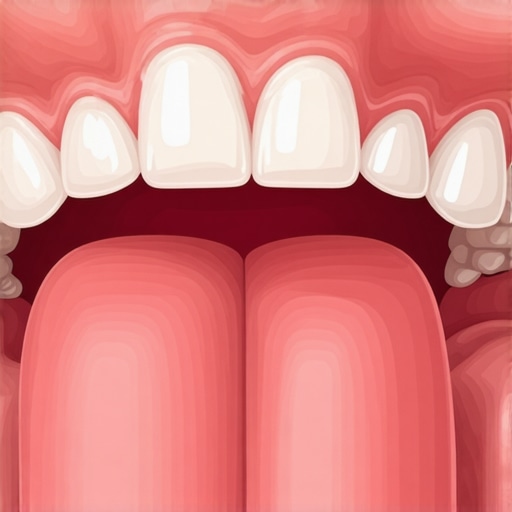
Control Your Airflow to Kill the Hiss
Many people try to overcompensate for the ‘marbles in the mouth’ feeling by pushing more air through their words, but this actually makes the whistling worse. High-pressure air hitting hard acrylic is a recipe for a tea-kettle sound. Instead, practice the ‘Soft S’ method. Try to cushion the start of your sibilant sounds with a nearly imperceptible ‘H’ breath. It feels like you are sighing into the letter. This reduces the velocity of the air and prevents the sharp vibration against the plate. Following top oral health tips for keeping your dentures clean and your gums firm will also ensure the plate doesn’t shift, which is often the silent culprit behind sudden speech slips.
Practice in the Wild Without Getting Self-Conscious
The best way to cement these changes is through low-stakes repetition. I used to head to the grocery store and use the self-checkout specifically so I could talk to the machine without a human audience. I would read my list aloud as I scanned: ‘Six apples, seven stalks of celery, sixteen ounces of salsa.’ It sounds silly, but the goal is to turn these conscious tongue movements into subconscious muscle memory. Modern family dentistry trends show that patient success with prosthetics is directly tied to the frequency of at-home speech practice. If you find yourself struggling, record yourself on your phone and listen back. You will likely find that the whistle sounds much louder to you inside your own head than it does to the people around you.
While we’ve talked about dentures, the same phonetic frustrations often bleed into other areas of restorative dentistry. Most people believe that once they get a crown or finish Invisalign, the job is done. But here’s where most people get it wrong: they assume the hardware is perfect right out of the gate. In my years of looking at family dentistry trends, I’ve seen that the biggest mistake is settling for a ‘good enough’ fit. For instance, people often think all crowns are created equal, but choosing the right crown involves more than just picking a shade of white. Most patients believe the lab work is the final word, but the true expertise lies in the chairside adjustments that accommodate your unique speech patterns.
One huge myth is that Invisalign is just about straightening a crooked smile. The real nuance—the thing that separates a good result from a life-changing one—is how those trays impact your bite’s functional map. If you aren’t using the munchie technique to seat those trays properly, you’re missing out on the precision needed for a clear ‘S’ sound. I’ve seen patients struggle for months with a persistent lisp simply because their trays weren’t fully engaged against the teeth. Don’t fall for the common Invisalign myths that suggest the trays do all the work; you are an active participant in your phonetic recovery.
Can a slight change in tooth height ruin your speech?
Actually, yes. It’s called the occlusal vertical dimension. A study published in the Journal of Oral Rehabilitation found that even a 2mm change in the height of your teeth can significantly alter your speech clarity and cause chronic muscle fatigue in the jaw. This is the ‘Oops’ factor most people miss: if your new zirconia crown feels taller than your other teeth, don’t just ‘get used to it.’ That tiny elevation changes the way your tongue hits the palate, recreating that same whistling problem we discussed earlier. Have you ever fallen into this trap where you thought you just needed more time, but it was actually the fit? Let me know in the comments.
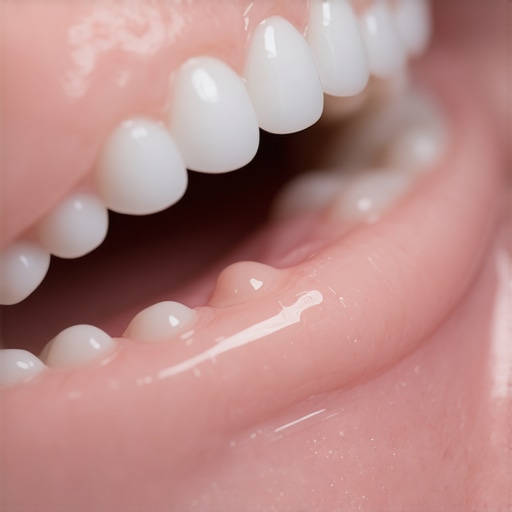
Beyond just the physical height, the material choice matters more than the marketing. While crowns are a game-changer for health, the thickness of the porcelain or zirconia can interfere with the ‘feedback loop’ your brain uses to speak. Whether it’s a crown or an aligner, the way your brain perceives the ‘boundary’ of your teeth is what dictates your confidence during a presentation or a date. If you’re going for long-lasting results, you have to prioritize how the restoration interacts with your tongue during high-speed speech, not just how it looks in a mirror. Always ask your dentist to check your ‘S’ and ‘F’ sounds before you leave the chair with a permanent restoration.
Maintaining that phonetic clarity we discussed isn’t just about tongue placement; it’s about the hardware’s ongoing integrity. I’ve learned the hard way that a beautiful crown or a perfectly fitted aligner is only as good as the cleaning routine behind it. When I first got my bridge, I struggled with standard floss threaders until I switched to a high-powered water flosser. The reason I swear by it is simple: manual floss often tugs at the edges of the restoration, whereas a water stream flushes out the biofilm without any mechanical stress on the cement. If you’ve struggled with the spray, you need to master the trick to using a water flosser without making a total mess by keeping your lips slightly open over the sink. It sounds minor, but it’s the difference between a clean mouth and a soaked bathroom mirror. This precision prevents the microscopic plaque buildup that leads to the ‘spongy’ gum feeling many people ignore until it’s a crisis. 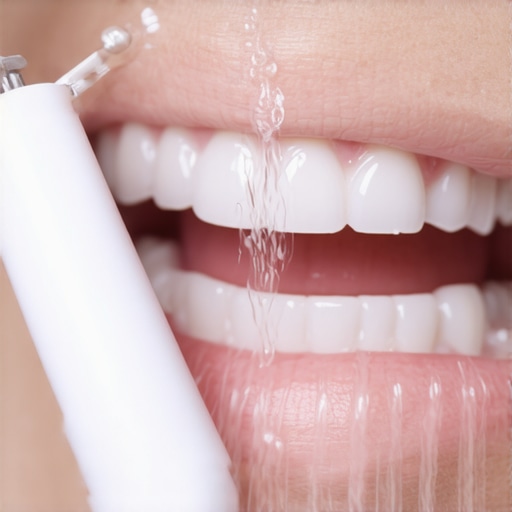
How do I stop my dental restorations from failing after a few years?
The secret lies in early detection and specialized hygiene. Most people wait until they feel a ‘zing’ to call the dentist, but that’s often too late for a restoration. I now insist on an annual review that includes digital imaging rather than just a visual probe. I was shocked to learn what a 3d cbct scan reveals that standard x-rays miss entirely, such as microscopic fractures in the root or subtle bone loss around an implant before it becomes symptomatic. According to Dr. Gordon Christensen of the Clinicians Report, the longevity of modern zirconia is unparalleled, but only if the ‘interface’ between the tooth and the restoration is kept pristine. This requires more than just brushing; it requires understanding how modern techniques can preserve the bond. For my Invisalign users, keeping the trays clear is equally vital to prevent staining your actual teeth. I found that expensive cleaners are unnecessary if you use the vinegar soak that safely sanitizes your retainers and guards. It breaks down the calcium deposits that make trays look cloudy and harbor bacteria, ensuring your smile stays bright throughout the treatment.
The Near Future of Smart Dental Impressions
I predict that within the next five years, we will see a shift toward AI-monitored oral health at home. We are already seeing invisalign innovations that use smartphone apps to track tooth movement in real-time, reducing the need for monthly office visits. This level of precision is becoming a staple in family dentistry trends across the country. We are moving away from reactive care and toward a predictive model where your dentist knows a crown is loosening before you ever feel it vibrate or shift. My best advice for right now? Don’t let your aligners ‘float.’ If you aren’t using the munchie technique to firmly seat those trays, you are inviting orthodontic relapse and speech issues. Give it a try tonight—just ten minutes of active seating can shave weeks off your treatment time and keep your ‘S’ sounds crystal clear.
The Hardest Realities I Faced While Finding My Voice Again
Looking back on those first few weeks of whistling like a bird, there are a few things I wish someone had told me directly. First, the psychology of speech is just as important as the physical fit; if you are nervous about whistling, you will tighten your jaw and actually make it happen more often. Second, I learned that crowns are a game-changer but only if you communicate exactly where your tongue feels ‘crowded’ to your dentist. Third, your brain needs about 21 days to map out the new terrain of your mouth—don’t judge your progress until that window has passed. Finally, I realized that maintaining oral health with modern techniques isn’t just about avoiding cavities; it’s about keeping the support structure of your teeth firm so your restorations don’t shift.
The Toolkit That Saved My Sanity
If you want to speed up your adaptation, I recommend these specific resources that helped me transition from a whistling mess to a confident speaker:
- The Smartphone Voice Memo App: It sounds painful, but record yourself reading a book for five minutes every night. Listening back helps you identify exactly which ‘S’ or ‘F’ sounds need that 1mm tongue adjustment.
- High-Powered Water Flosser: This is non-negotiable for anyone with bridges or crowns. Once you master the trick to using a water flosser, you’ll never go back to string.
- White Vinegar: Forget the expensive tablets; the vinegar soak is the gold standard for keeping your Invisalign trays or retainers clear and odor-free.
- The Munchie Tool: If you are using aligners, you must ensure they are fully seated to avoid a lisp. I found that the munchie technique is the only way to get that perfect, ‘click-in’ fit that allows for clear phonetics.
#IMAGE_PLACEHOLDER_E#
Your New Smile Deserves to Be Heard
Don’t let a temporary whistle or a slight lisp keep you from living your life. Whether you are navigating the Invisalign myths or learning to live with a new set of plates, remember that you are in control of your recovery. These adjustments take time, but the payoff is a level of confidence that no one can take away. Your journey toward better oral health is a marathon, not a sprint, and every clear ‘S’ you speak is a victory. Have you ever felt like your new dental work was ‘talking back’ to you with a whistle or a click? Let me know your experience in the comments below!