
The safest way to stop a child’s thumb-sucking habit before it affects their bite

I sat on the edge of the bed, watching my four-year-old drift off to sleep, the rhythmic thump-thump of her thumb against the roof of her mouth echoing in the quiet room. It was her comfort, her off switch, and quite frankly, the only way I could get a moment’s peace during the day. But then I looked at her profile. Her top teeth were starting to jut out, creating a small gap that wasn’t there six months ago. My heart sank. I’d spent years obsessing over top oral health tips for your family’s bright smiles, yet here I was, watching a natural reflex slowly reshape her jawline right under my nose. I knew I had to act, but I didn’t want to make it a traumatic experience that would make her terrified of the dentists chair later in life. Today, I’m sharing the exact roadmap I used to break the habit without the tears or the power struggles.
Your Childs Thumb Might Be Changing Their Jawline Right Now
I made the classic rookie mistake early on: I turned thumb-sucking into a battle of wills. I tried the bitter-tasting nail polishes and even resorted to gentle shaming, which only made her hide under the covers to do it in secret. It was a total disaster and actually increased her anxiety. What I didn’t realize then was that family dentistry secrets aren’t just about cleaning teeth; they are about understanding the psychology of a growing mouth. Sucking is a natural rooting reflex, but when it persists, it applies pressure to the soft bone of the palate. This can lead to what we call an open bite, where the upper and lower teeth don’t meet even when the mouth is closed. According to the American Academy of Pediatric Dentistry, while most children stop on their own, intervention is often necessary if the habit continues past age three to avoid permanent skeletal changes. If you’ve noticed two rows of teeth at the bottom or a narrowing of the upper arch, you know exactly the kind of stress I’m talking about.
Will stopping the habit now cause more trauma than it cures?
It is a valid fear. Many parents worry that taking away a comfort object will lead to sleep regressions or emotional outbursts. However, the real trauma often comes later in the form of intensive orthodontic work or speech therapy if the bite is significantly altered. The goal isn’t to punish the child but to replace the habit with a more positive coping mechanism. Have you found yourself hiding the thumb-sucking guards in the trash or feeling guilty every time you see that thumb go in? You aren’t alone, and it’s never too late to start a more supportive approach. We are going to look at how to transition from constant sucking to a healthy, aligned smile using positive reinforcement and clever distractions that actually stick.
Make the Shift Without Making it a Fight
I had to stop looking at the thumb as a bad habit and start seeing it as a tool my daughter used to regulate her world. Think of it like an old, worn-out pair of slippers; they aren’t stylish, but they feel safe. To replace them, you need something even more comfortable. For us, the breakthrough happened when I realized she only sucked her thumb during cartoons. I call it her Screen Sucking reflex. Instead of pulling her hand away, which usually led to a meltdown, I started handing her a bumpy silicone fidget toy the second the show started. It gave her hands something to do and provided that sensory feedback she was craving. Finding your child’s specific trigger is the first real step in family dentistry trends improving oral health for all ages because it’s about prevention through behavioral awareness rather than just fixing the damage later.
Why a Sticker Chart Beats a Lecture Every Single Time
We often underestimate how much a four-year-old loves a sense of agency. I created a Super Smile chart on her bedroom door. Every morning she woke up with a dry thumb—meaning she didn’t suck it in her sleep—she got a sparkling dinosaur sticker. If she got five stickers, we went to the park. It turned the struggle into a game she could win. This is much more effective than explaining the physics of how a thumb acts like a lever against the palate. You wouldn’t try to explain the mechanics of invisalign vs braces which solution fits your lifestyle to a toddler; you just show them the prize at the end of the tunnel. Consistency is the secret sauce here. My first attempt failed because I forgot the stickers on a Tuesday, and by Wednesday, the thumb was back in full force.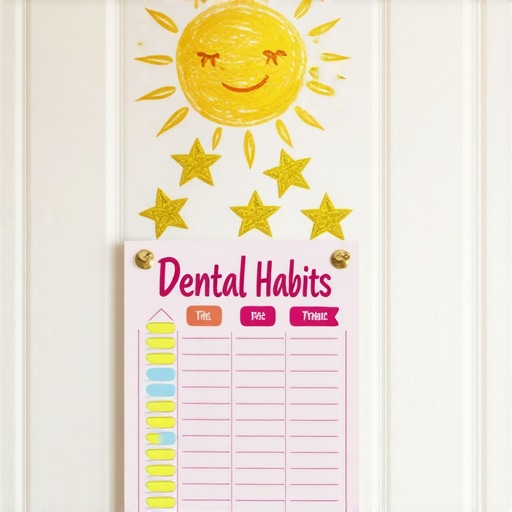
Protect the Palate While They Sleep
Nighttime is the hardest part of this journey because the habit is subconscious. If the thumb is still finding its way home during the 2:00 AM dream cycle, you might need a physical reminder. I am not talking about those harsh chemicals. We used a magic sleep glove which was really just a soft, breathable cotton mitten with her favorite character drawn on it. It wasn’t a punishment; it was her special armor to help her teeth stay straight. It is similar to how we use a night guard for adults to prevent grinding; it is a protective barrier, not a cage. If you are already worried about dental development, knowing how to tell if your child is ready for their first dental cleaning is a question you should ask your dentist early to monitor the jaw’s progress during this transition.
Stop the Open Bite Before Braces Become the Only Option
The biggest mistake is waiting until the adult teeth are in to address the dental flare caused by sucking. If the upper teeth are already pushing outward, the pressure is actually narrowing the roof of the mouth. This can sometimes make the reason your childs teeth are coming in behind their baby teeth even more complicated because there simply isn’t enough room in the arch for the new arrivals. In our case, my dentist explained that early intervention is like a minor steering correction on a car; wait too long, and you are looking at a total engine rebuild. Using top oral health tips for your familys bright smiles, we focused on soft-tissue therapy and simple tongue exercises. This ensures that even after the thumb is gone, the tongue doesn’t take its place and continue pushing those teeth forward into a permanent misalignment.
The Hidden Discipline Behind Clear Aligners
Most parents assume that choosing clear aligners over traditional metal is the ‘easy’ path. It’s less visible, right? But here is a contrarian truth: Invisalign often requires more psychological stamina than braces ever will. I’ve seen families opt for this route only to realize that a teenager (or a tired parent) simply won’t keep the trays in for the required 22 hours a day. When you look at invisalign myths debunked what you need to know today, the biggest misconception is that the technology does all the work. According to a study published in the Journal of Clinical Orthodontics, patient compliance is the number one predictor of success, yet it’s the one thing most people underestimate. If the trays aren’t in, the teeth aren’t moving, and you’re just paying for expensive pieces of plastic that sit in a case. It’s a major ‘oops’ factor that can extend treatment by months. Have you ever fallen into this trap? Let me know in the comments! 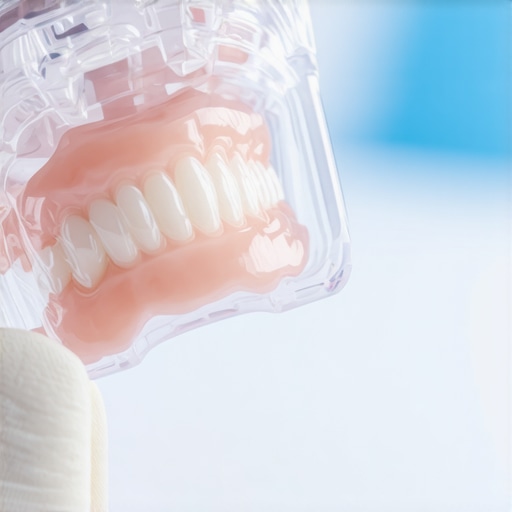
Why a Crown Isn’t a Sign of Failure
There’s a common stigma that needing a crown means you’ve failed at your oral hygiene. We tend to view them as a last resort, but in family dentistry secrets, a crown is often the hero that prevents a total tooth fracture. The nuance most people miss is that not all crowns are created equal. If you are choosing the right crown expert advice for long lasting results is about more than just the material; it’s about the precision of the fit. A poorly fitted crown can lead to localized gum inflammation or, even worse, a misaligned bite that triggers chronic headaches. This is why deciding between invisalign vs braces which solution fits your lifestyle also involves looking at how your existing dental work interacts with your alignment goals.
Does your new crown feel ‘taller’ when you wake up?
This is a classic advanced-level question I get from readers who are paying close attention to their dental work. If you notice a height difference primarily in the morning, it’s usually not the crown’s fault—it’s likely the specific reason your crown feels tall when you wake up involves nocturnal grinding or clenching. When you clench at night, the ligament around the tooth becomes inflamed and slightly pushes the tooth up. If you don’t address the grinding, you’ll constantly feel like you need to learn how to stop your new crown from feeling too high when you chew, when the real culprit is stress-induced bruxism. Ignoring this nuance is a trap; you might ask your dentist to shave down a perfectly good crown when the issue is actually your jaw muscles.Once you’ve moved past the initial hurdle of breaking a thumb-sucking habit or getting that first crown, the real work begins: maintenance. I used to think a standard toothbrush and a bit of floss were enough, but once you invest in restorative work, you have to level up your toolkit. I’m a huge advocate for sonic technology, but specifically, toothbrushes with a visual pressure sensor. I realized I was scrubbing my new dental work like I was cleaning grout in the shower, which is the fastest way to cause gum recession. Knowing the safest way to use an electric toothbrush on sensitive teeth isn’t just a tip; it’s a necessity for preserving the margin of a crown. If you see that red light flash on your brush, you are literally grinding away your investment.
Stop Brushing Like You’re Scrubbing a Tile Floor
I’ve switched our entire family to brushes that sync with an app. It sounds overkill until you realize it tracks the exact angle of your brush head. This is vital because choosing the right crown expert advice for long lasting results usually includes a warning about ‘marginal integrity’—the tiny area where the crown meets your natural tooth. If you miss that spot because you’re rushing, bacteria move in, and that expensive porcelain becomes a liability. I also swear by a dedicated aligner cleaner for my daughter’s trays. Using toothpaste on them is a rookie mistake; the abrasives create microscopic scratches that trap bacteria and make the trays look cloudy. Instead, I use a portable ultrasonic cleaner. It’s a small device that uses high-frequency sound waves to shake the debris off, which is the easiest way to clean a night guard that has turned yellow or cloudy without using harsh chemicals that can degrade the plastic.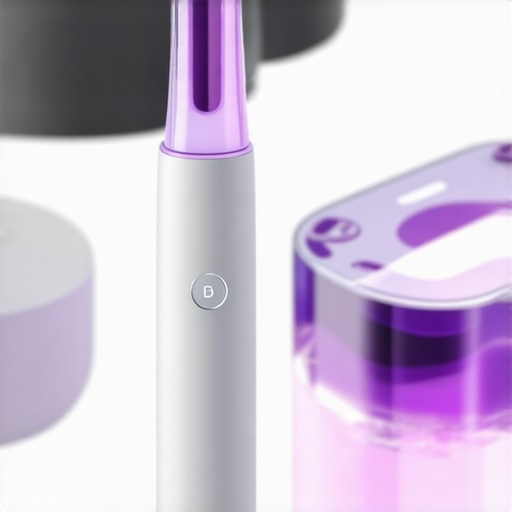
How do I keep my dental work looking new for a decade?
The secret isn’t just the tools; it’s the timing. I’ve started implementing a ‘PH-neutralizing’ rinse after every meal, especially if I’ve had something acidic. This prevents the ‘fuzzy’ feeling on teeth that often leads to plaque buildup around dental hardware. If you are a tea drinker like me, you also need to know how to keep your aligners clear while drinking tea by using a straw or rinsing immediately. Long-term success with family dentistry secrets maintaining oral health with modern techniques at 254 pm depends on these micro-habits. For example, I never use whitening strips on my teeth that have fillings or crowns because the peroxide won’t change the color of the ceramic, leaving you with a mismatched, ‘polka-dot’ smile.
Smart Scans are Replacing the Gooey Trays
Looking ahead, the trend is moving toward total digital integration. We are already seeing invisalign innovations the future of family dentistry revealed at 1137 am where AI-driven scans predict exactly how your bite will shift over five years. According to a technical report in the American Journal of Orthodontics and Dentofacial Orthopedics (AJODO), remote monitoring via smartphone apps has increased patient compliance by over 30%. This means the future of how invisalign transforms family dentistry in 2025 is less about office visits and more about real-time data from your own bathroom. I predict that within three years, we’ll have ‘smart’ retainers that alert your phone if they haven’t been worn enough. My advice? Start getting comfortable with 3D dental scans now; they are far more accurate than the old-school putty molds. If you haven’t yet, ask your dentist to show you your 3D ‘smile map’ at your next visit—it’s the best way to visualize where your maintenance is failing.
The Realities I Faced While Protecting My Family’s Teeth
Reflecting on this journey, I’ve realized that oral health isn’t a destination; it’s a series of small, intentional pivots. First, I learned that behavioral psychology is just as important as biology. If I hadn’t switched from shaming to positive reinforcement, we’d still be fighting over thumb-sucking today. Second, I discovered that waiting and seeing is often the most expensive dental strategy. Addressing the jaw alignment early saved us thousands in future orthodontic bills. Lastly, I realized that modern tech like how invisalign transforms family dentistry in 2025 makes the process smoother, but it still requires a parent’s consistent encouragement to stay on track.
Tools That Actually Saved My Sanity
If you are looking to upgrade your home routine, I highly recommend these three essentials. Start with a sonic toothbrush with a visible pressure sensor; it stops you from over-scrubbing and protects your enamel. For anyone with removable appliances, an ultrasonic cleaner is a game-changer for keeping things hygienic. Also, don’t overlook the ultimate guide to crowns for a healthier smile if you’re navigating restorative work. Finally, use a PH-neutralizing rinse—it’s the simplest way to prevent that fuzzy feeling that leads to plaque. These tools, combined with family dentistry secrets maintaining oral health with modern techniques at 254 pm, will give you a significant advantage.
#IMAGE_PLACEHOLDER_E#
Build a Smile That Lasts a Lifetime
Taking the first step toward correcting a habit or investing in restorative work can feel overwhelming, but you don’t have to do it all at once. Whether you’re exploring the hidden benefits of invisalign for family dental care in 2025 at 903 am or just trying to get through a toddler’s thumb-sucking phase, remember that consistency is your best friend. Your family’s bright smile is a reflection of the care you put in today. Have you ever struggled with getting a child to stop a habit like thumb-sucking or keeping up with aligner wear? Let me know your best tricks in the comments!