
The specific reason your crown feels tall when you wake up

I woke up at 6:00 AM, reached for my water glass, and felt that familiar, jarring click. It wasn’t my nightstand; it was my jaw. My brand-new crown felt like a skyscraper in a neighborhood of ranch houses. I panicked, thinking my dentist had botched the fit or that my tooth was somehow moving on its own. For weeks, I just lived with it, making the classic mistake of toughing it out until I started getting tension headaches that made me want to hide under the covers. If you are currently staring in the mirror wondering what to do when your crown feels taller than your other teeth, I want you to take a deep breath. You aren’t crazy, and your tooth hasn’t actually grown.
Why Your Morning Bite Feels Like a High-Wire Act
The truth is, that tall feeling is often more about your biology than the porcelain itself. When we lie down, the blood flow to our head changes, and if there is even a tiny bit of inflammation in the periodontal ligament—the little shock absorber under your tooth—it can swell just enough to push the tooth up. I learned the hard way that ignoring this doesn’t make it go away; it just strains your jaw. We are going to look at the intersection of restorative dentistry and how our bodies react to stress. Have you ever noticed your jaw feeling tighter after a particularly long day at the office? It’s more common than you think, and it’s a huge clue to what’s happening in your mouth while you sleep.
Is This High Crown Actually Damaging My Jaw?
The short answer is: if it stays that way, yes. While a crown is a game-changer in restorative dentistry, it has to play nice with its neighbors. According to the American Academy of Periodontology, even microscopic changes in your bite can trigger localized inflammation. This is why you might feel fine at dinner but like a different person by breakfast. I used to think I was just imagining things until I realized that my jaw clicks more when I am stressed, which was the missing piece of the puzzle. We’re going to solve this by looking at how your nighttime habits and your dental anatomy are clashing.
The Secret Connection Between Gravity and Your Teeth
When you are vertical, gravity helps keep things settled. But the moment you hit the pillow, everything shifts. If you’ve been dealing with a toothache that only happens when you lie down, you’re already seeing the effects of this fluid shift. This pressure makes any minor imperfection in the crown’s height feel magnified by a thousand. I remember sitting in the dental chair, embarrassed to tell my doc that it only felt big in the morning. I felt silly. But it turns out, that’s the most honest symptom you can give. It’s all part of the ultimate guide to crowns for a healthier smile—knowing that the fit has to be perfect twenty-four hours a day, not just when you are sitting in the office.
Stop Guessing and Test Your Bite Today
Identifying a high spot doesn’t require a dental degree; it requires a bit of mindfulness. If you suspect your crown is the culprit, try the tap test. Sit upright, relax your jaw, and slowly bring your teeth together until they just barely touch. If the crown is the first thing that makes contact, you have what dentists call a premature contact. I remember when I finally stopped ‘dealing with it’ and sat in the chair for a real check-up. My dentist used a thin strip of articulating paper—that blue or red carbon paper—and had me grind my teeth. Within seconds, a tiny dark mark appeared on the porcelain, showing exactly where the porcelain was too thick. Choosing the right crown expert advice for long-lasting results means finding someone who won’t just glue it in and send you home, but who obsessively checks that the bite is balanced.
The Tap Test That Reveals the Truth
To do this at home, focus on the sensation of your ‘squeeze.’ When you bite down hard, does your jaw slide to one side to find a comfortable resting spot? If it does, your crown is literally rerouting your jaw’s natural path. This misalignment can lead to 왜 why your jaw feels sore after a long phone call or even chronic neck pain. I once thought my earaches were from a cold, but they were actually from my jaw muscles overworking to avoid that one high tooth.
Why a Tiny Adjustment Makes a Huge Difference
You might worry that ‘shaving down’ your new crown will ruin it, but we are talking about microns—fractions of the thickness of a human hair. Your dentist uses a high-speed handpiece to buff away the excess material. In my case, it took less than two minutes. The moment he was done, the pressure behind my eye dissipated. If you’ve been wondering why your new crown feels sensitive to cold drinks, a high bite is often the secret cause because the tooth is being ‘pummeled’ every time you chew, keeping the nerve in a constant state of alarm. 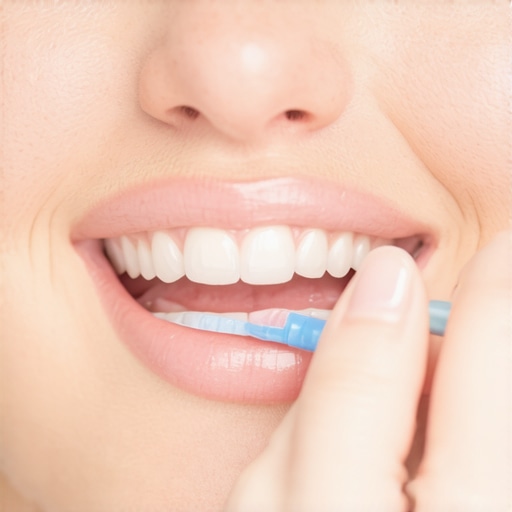
Keeping Your Whole Jaw in Harmony
Sometimes the issue isn’t just one tooth, but how your entire smile interacts. If your teeth are crowded or tilted, even a perfectly made crown can feel off because the foundation is shifting. This is where modern solutions like Invisalign vs braces which solution fits your lifestyle come into play. By aligning the rest of your teeth, you create a stable environment for your restorative work.
Protect Your Investment While You Sleep
If you find that the ‘tall’ feeling only happens in the morning, you are likely clenching. This pressure makes the reason your crown feels tight after flossing even more apparent. While you wait for your adjustment appointment, stick to softer textures to give the periodontal ligament a break. Knowing what to eat after getting a new dental crown—like yogurt, mashed potatoes, or smoothies—can prevent you from bruising that ligament further before the dentist can smooth things out.One of the biggest myths I hear—and one I used to believe—is that a new crown will eventually “settle in” on its own if you just give it enough time. We treat it like a new pair of leather boots that need breaking in. But here’s the contrarian truth: your teeth are not flexible. If a crown is high, it’s not the crown that’s going to move; it’s your jaw joint that’s going to compensate, or your opposing teeth that are going to suffer. I’ve seen people try to “grind down” a high spot by clenching their jaw throughout the day. This is a massive “oops” factor. Modern restorative materials like zirconia are incredibly tough—often tougher than your natural enamel. Instead of wearing down the crown, you risk fracturing the healthy tooth it’s biting against or causing the crown itself to fail by creating micro-cracks in the substructure.
Does Your Crown Fight Your Natural Jaw Path When You Chew?
This is where things get technical. There’s a difference between how your teeth meet when you bite straight down and how they interact when you move your jaw side-to-side—what dentists call interference in lateral excursion. You might feel fine when you’re just sitting still, but the moment you try to chew, it feels like there’s a speed bump in your mouth. A study published in the Journal of Prosthetic Dentistry highlights that even a 20-micron interference—roughly the width of a single dust mote—can disrupt the neuromuscular harmony of your bite. This subtle misalignment is often the hidden culprit behind why your new dental crown feels sensitive to cold drinks; the constant trauma to the ligament keeps the internal nerve on high alert. #IMAGE_PLACE_HOLDER_C# We often think of family dentistry as just cleanings and fillings, but the real family dentistry secrets maintaining oral health with modern techniques involve looking at the “bite” as a whole system. If your crown feels high only when you’re tired or stressed, you’re likely dealing with nighttime bruxism, which magnifies every tiny imperfection. This is also a common hurdle for those exploring orthodontic options. For instance, in the realm of invisalign myths debunked what you need to know today, many people assume aligners only fix aesthetics. In reality, they are often used to correct the very bite issues that make crowns fail prematurely by creating a more balanced distribution of force across the entire arch.
Why Ignoring the ‘Vibration’ Could Cost You the Tooth
Have you ever felt a weird “zing” or vibration when your teeth touch? That’s called fremitus. It’s a sign that the tooth is taking too much force. If you’re also noticing that why your invisalign aligners keep popping off your back teeth or your temporary crown won’t stay put, your mouth is screaming that the geometry is wrong. Don’t fall into the trap of thinking a little discomfort is just part of the process. If you ignore it, the ligament can become permanently thickened, or worse, the bone around the tooth can start to recede in a desperate attempt to move away from the pressure. How Invisalign transforms family dentistry in 2025 is by using digital scanning and AI-driven modeling to ensure that every restoration—and every movement—is calculated to the millimeter before we even touch your teeth. Have you ever fallen into this trap and waited too long for an adjustment? Let me know in the comments.Even after you get that tiny adjustment, the journey to a stable smile doesn’t stop. I used to think the ‘fix’ was a one-and-done event, but I’ve learned that maintaining the ultimate guide to crowns for a healthier smile means being proactive about the tools you use at home. I personally switched to a high-end sonic toothbrush with a pressure sensor because I was ‘scrubbing’ my gums away in an attempt to keep my crowns clean. If you are aggressive like I was, you might notice why your gums are receding despite brushing twice a day. This recession can expose the margins of your crown, leading to sensitivity or even decay at the base.
The Digital Tool That Stopped My Tension Headaches
While many offices still rely solely on articulating paper, I am a huge advocate for T-Scan technology. This is a digital occlusal analysis system that uses a wafer-thin sensor to record exactly which tooth hits first and with how much force. According to research led by Dr. Robert Kerstein, a leading expert in digital occlusion, using digital sensors to balance a bite can reduce muscle activity and tension headaches by ensuring no single tooth is overloaded. This is why choosing the right crown expert advice for long-lasting results often involves asking about the technology they use. If your dentist is still only using ‘the blue paper,’ they might be missing the timing of your bite, which is just as important as the location of the contact.
How do I maintain my dental crowns over the long term?
The secret is all about managing the ‘hidden’ forces in your mouth. First, invest in a custom-made night guard. Store-bought ‘boil and bite’ guards are often too soft and can actually encourage your jaw to chew more, making the problem worse. Second, learn the trick to using a water flosser without making a total mess to clear the areas where your crown meets the gum line. This prevents the localized inflammation that makes the tooth feel ‘taller’ in the morning. Finally, keep up with top oral health tips for your familys bright smiles by getting a professional cleaning every six months to check the integrity of the dental cement. 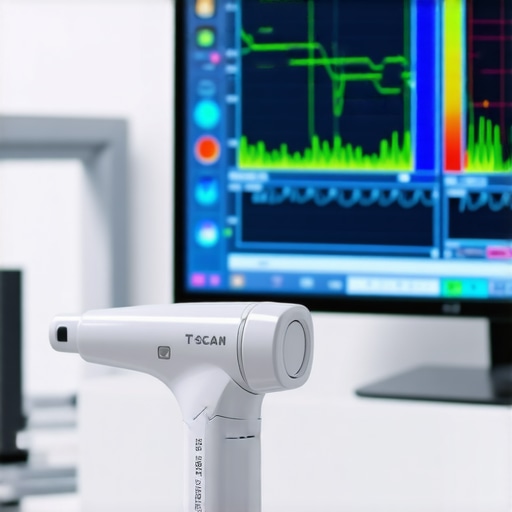
Smart Night Guards and AI Are Changing the Game
Looking ahead, I predict we will see the rise of ‘smart’ night guards equipped with biofeedback sensors. Imagine a device that gently vibrates or alerts your smartphone when it detects you are clenching too hard, allowing you to reposition your jaw before you wake up with a sore crown. We are already seeing family dentistry trends improving oral health for all ages through these types of integrated technologies. As how Invisalign transforms family dentistry in 2025 continues to evolve, the integration of 3D scanning and bite-pressure mapping will become the standard of care, not the exception. If you want to stay ahead of the curve, my one advanced tip is this: ask your dentist for a ‘force-map’ printout during your next checkup. It will show you exactly where your bite is heaviest, giving you a baseline to track over the years. Have you checked your bite force lately?
What I Wish Someone Had Told Me Before My First Adjustment
I spent years thinking that a “tall” tooth was just something I had to adapt to, like a stiff pair of shoes. But the biggest lesson I’ve learned is that your jaw is a master of compensation—until it isn’t. When I finally stopped trying to “tough it out,” I realized that dental health isn’t just about individual teeth; it’s about how the entire system functions together. One major “lightbulb moment” for me was discovering that family dentistry secrets maintaining oral health with modern techniques often involve looking at the hidden muscles of the face, not just the porcelain. I also learned that “shaving” a crown isn’t a failure of the restoration; it’s the final fine-tuning of a custom piece of art. If you feel that zing or vibration, don’t wait for it to “settle”—your body is giving you data, and it’s time to listen.
My Personal Toolkit for a Happy Jaw
Maintaining a complex restoration requires more than just a standard toothbrush. Here are the items I personally trust to keep my smile stable: First, I can’t recommend a custom-fit night guard enough. It’s the single best insurance policy for your dental work. Second, learning the trick to using a water flosser without making a total mess has been a game-changer for keeping the margins of my crowns clean without irritating my gums. Finally, I always keep a list of top oral health tips for your familys bright smiles bookmarked for when I start getting lazy with my routine. These tools don’t just fix problems; they prevent them from starting in the first place.
#IMAGE_PLACEHOLDER_E#
Take the First Step Toward a Balanced Smile
You don’t have to live with a bite that feels like a constant obstacle course. Whether you are currently researching what to do when your crown feels taller than your other teeth or you’re just looking to optimize your oral health, the solution is often much simpler and faster than you imagine. A quick visit for a bite adjustment can resolve weeks of tension in minutes. Your smile is meant to be a source of confidence, not a source of headaches. If you’re ready to get things back in harmony, feel free to reach out and schedule a checkup to ensure everything is aligned perfectly. Have you ever felt that annoying “high spot” on a new filling or crown? Let me know in the comments how you handled it!