
What to eat after getting a new dental crown
I sat there staring at a plate of crusty sourdough bread and a steak that smelled like heaven, feeling like a kid who just got grounded on their birthday. I had just left the office with my brand-new permanent crown, and honestly, I was starving. But as I reached for that first crunchy bite, a wave of panic hit me. What if I broke it? What if the cement had not dried? My early mistake was assuming a crown was a license to eat whatever I wanted immediately. Spoiler alert: it is not. I ended up with a frantic call to my dentist because my new crown felt sensitive to cold drinks and I was convinced I had ruined it with a single iced latte. Today, I am going to save you from that anxiety and show you exactly how to eat like a king while protecting your investment.
Surviving Your First Meal Without a Dental Disaster
Most technical advice focuses on the procedure itself, but the real work happens in your kitchen. Even if you spent weeks choosing the right crown expert, a single piece of taffy can undo that progress in seconds. According to the American Dental Association, the adhesive used for permanent crowns needs significant time to bond fully to your natural tooth structure. If you rush into hard or sticky foods, you risk micro-movements that can lead to bacteria seeping underneath the restoration later. It is a marathon, not a sprint.
Is it actually worth the hype to baby a crown?
You might be thinking, I paid a fortune for this porcelain, it should be tough. It is tough! But the bond is vulnerable early on. I learned this the hard way when I tried to test my tooth with a handful of almonds on day two. Do not be like me. Understanding why crowns are a game changer means respecting the healing process. If you treat it right for the first 48 hours, that crown can last you decades.
The Soft Food Survival List That Does Not Taste Like Sadness
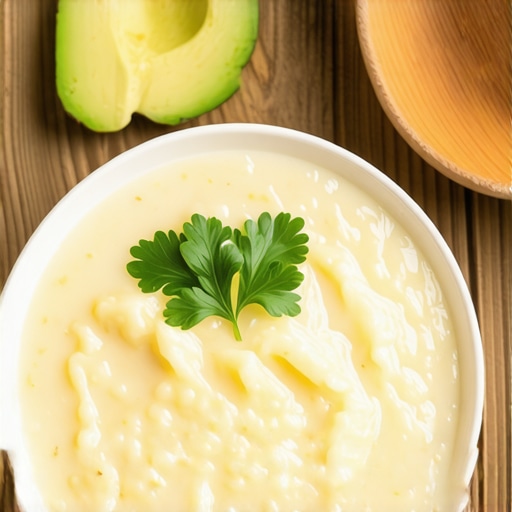
Forget baby food and plain applesauce. You can eat actual, flavorful meals while your mouth recovers. The goal is to avoid anything that requires heavy vertical pressure or lateral grinding. If you have ever dealt with a situation where your temporary crown keeps popping off, you know how annoying dental emergencies are. We want to avoid that with your permanent one at all costs. Think silky mashed potatoes with plenty of butter, lukewarm (not hot!) soups, and protein-packed Greek yogurt. Have you ever had a close call with a new tooth where you almost bit something you should not have?
Keep the Heavy Lifting on the Opposite Side
For the first 48 hours, think of your mouth as a specialized tool where one side is currently ‘out of order’ for heavy construction. When I got my first porcelain restoration, I made the mistake of thinking small bites meant I could chew anywhere. I tried to tackle a soft turkey sandwich, but a rogue piece of crust hit my new tooth, and the resulting jolt of pressure made me nearly drop my plate. Even though the cement is strong, it is still reaching its peak bond strength. Shift your chewing entirely to the opposite side of your mouth. It feels awkward, almost like walking with one shoe on, but it prevents the lateral forces that can irritate the fresh gum line. This period of caution is exactly why the ultimate guide to crowns for a healthier smile emphasizes patience over immediate performance. 
Pull Through Don’t Pull Up
Cleaning your teeth after that first meal is where most people accidentally sabotage their dentist’s hard work. If you have a piece of spinach stuck near the new crown, the instinct is to floss like you always do—snapping the string up and out. Do not do this. Snapping the floss upward creates a vertical lever effect that can catch on the edge of the crown. I once saw someone (okay, it was me) nearly panic because they felt the floss catch on a margin. Instead, use the ‘release and slide’ method: guide the floss down, clean the area, then let go of one end of the string and pull it through horizontally. It is a simple mechanical shift that protects the bond while you are still learning family dentistry secrets maintaining oral health with modern techniques at 254 pm.
Does Your Bite Feel Like a Mountain?
Within a few hours of the numbness wearing off, you need to perform a ‘bite check.’ If your new tooth feels like it is hitting significantly before your other teeth, you have a ‘high spot.’ This is not something that will ‘wear down’ on its own. I ignored a high spot for three days once, convinced I just needed to get used to it, and ended up with a throbbing headache because my jaw muscles were constantly overcompensating. Often, why your new zirconia crown feels taller than your other teeth is a simple alignment issue that your dentist can fix in thirty seconds with a polishing tool. If you feel that ‘premature contact’ when you close your mouth, call the office immediately rather than trying to chew through the discomfort.
Watch the Thermostat on Your Drinks
Your tooth just went through a major renovation, and the nerve underneath is likely a bit grumpy. Extreme temperatures are the enemy here. I remember the sharp, electric shock I felt when I tried to enjoy an iced coffee too soon. That ‘zing’ is often the result of the dentin reacting to temperature changes before the crown has fully settled into its environment. Learning how to stop the painful zing when you drink iced coffee starts with sticking to lukewarm or room-temperature liquids for the first few days. If you treat the area with the same gentleness you would a healing scrape on your knee, the long-term payoff is a restoration that feels and functions exactly like a natural tooth.It’s not just about the first 48 hours, though. I see so many people treat their new restoration like it’s made of indestructible titanium. Here is the contrarian truth: the porcelain rarely fails, but the seal almost always does if you’re not careful. Most advice tells you to focus on what you eat, but the real nuance lies in how you manage the ‘biological width.’ According to a study published in the Journal of Prosthetic Dentistry, maintaining the health of the gingival margin—the tiny area where the crown meets your gum—is the single most important factor in preventing secondary decay. If you let plaque sit there because you’re afraid to touch the crown, you’re essentially inviting bacteria to set up shop under the margin. 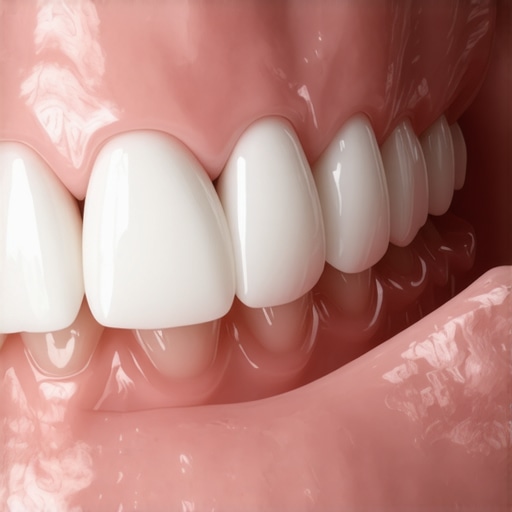
Does your crown’s longevity depend more on your gums than the porcelain?
Absolutely. In fact, many patients get confused when their gums start turning dark around the edge of a dental crown. They assume the tooth is dying, but often it’s a sign that the gum tissue is reacting to the margin or that the underlying metal (if it’s a PFM crown) is showing. The ‘oops’ factor I see most often is people switching to charcoal toothpaste to keep their new smile bright. Stop right there. I once had a patient who thought they were being proactive, but the truth about charcoal toothpaste and your enamel health is that it is far too abrasive for the glazed surface of a crown. It creates micro-scratches that actually trap stains and bacteria faster.
Stop Ignoring the Burnt Sugar Smell
If you’ve ever noticed a weird scent, you aren’t alone. It’s a common but rarely discussed ‘trap.’ Sometimes your new crown tastes like burnt sugar or smells slightly off. This isn’t just a quirk of the material; it’s often a sign of anaerobic bacteria. If the crown isn’t seated perfectly or if you aren’t cleaning the sulcus (the pocket around the tooth), you’re building a ‘bacteria resort.’ This is where family dentistry secrets maintaining oral health with modern techniques at 254 pm come into play—specifically using a water flosser on a low setting once the area has fully healed. We often think of these tools as ‘optional,’ but for a crown, they are essential for irrigation.
The Myth of the Forever Tooth
Another mistake is assuming that because a crown can’t get a cavity, the tooth underneath is safe. While we love how Invisalign transforms family dentistry in 2025 by aligning teeth to make them easier to clean, a crown requires even more vigilance. You are essentially protecting a stump of natural tooth that is still susceptible to decay at the root. Have you ever fallen into this trap of thinking your crown was indestructible? Let me know in the comments. If you’re also considering orthodontic work, make sure to check out Invisalign myths debunked what you need to know today, because the way a crown interacts with aligners is another advanced topic your dentist should be discussing with you.
Ditch the Manual Brush for High-Tech Precision
To truly keep your crown or Invisalign work from failing, you need to move beyond the basic plastic toothbrush. I transitioned to a sonic electric toothbrush with a pressure sensor because I realized I was scrubbing my gums into recession. Dr. Gordon Christensen, a world-renowned expert in restorative dentistry and founder of Clinicians Report, has often highlighted that patient biofilm management is just as critical as the dentist’s technical skill. If you aren’t removing the sticky film at the margin, that porcelain edge becomes a shelf for decay. This is one of those family dentistry secrets maintaining oral health with modern techniques at 254 pm that separates the people who need new crowns every five years from those who keep them for thirty.
Stop Making a Mess with Your Water Flosser
Most people buy a water flosser, spray their bathroom mirror once, and then shove the machine into a dark cabinet. I did the same until I learned the trick to using a water flosser without making a total mess. The secret is keeping your lips closed around the tip and letting the water drain out naturally while you trace the gumline of your crown. This tool is non-negotiable for anyone with restorative work because it flushes out the ‘bio-pocket’ that traditional floss simply cannot reach. 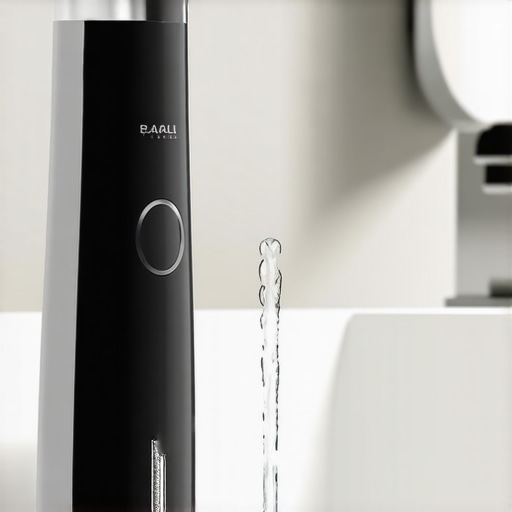
How can I ensure my dental restorations stay secure for 20 years?
Longevity comes down to chemistry and physics. You have to neutralize the acids in your mouth and prevent the physical grinding that chips porcelain. I started using a specialized vinegar soak that safely sanitizes your retainers and guards to ensure my night guard wasn’t introducing harmful bacteria to my crowns while I slept. Consistency is the only way to protect the investment you made in your smile.
The Digital Shift That Changes Everything
Looking forward, we are entering an era of ‘predictive dentistry.’ I predict that within the next five years, most of us will have our own digital oral scans stored in the cloud. Instead of waiting for a crown to break, dentists will use AI to compare your current scan against previous ones to detect micro-movements or wear patterns. We are already seeing this with Invisalign innovations the future of family dentistry revealed at 1137 am, where digital tracking ensures your teeth move exactly as planned. Even more impressive is what a 3d cbct scan reveals that standard x-rays miss entirely, such as hidden infections or bone loss around a crown’s root long before they cause pain. Don’t wait for an emergency to take action—try the horizontal floss pull method tonight and see if you feel the difference in your gum health immediately.
The journey from a damaged tooth to a fully restored smile is more than just a dental appointment; it is an investment in your daily comfort and confidence. While the technical work happens in the chair, the long-term success of your restoration depends entirely on the habits you build in your own bathroom. By shifting your perspective from seeing a crown as a fix to seeing it as a teammate in your oral health, you ensure that your smile remains vibrant for years to come.
Mistakes You Can Avoid During Your First Week with a Crown
Reflecting on my own dental journey, I realized that many of the anxieties I felt were completely preventable. First, never ignore the alignment of your jaw. If you notice why your new zirconia crown feels taller than your other teeth, it is a sign that your bite needs a minor adjustment to prevent structural stress. Second, remember that gum health is the foundation of everything. I used to be afraid to brush near the margin, but learning family dentistry secrets maintaining oral health with modern techniques at 254 pm taught me that gentle stimulation of the gums is what keeps the seal tight and bacteria-free. Finally, do not panic over minor cold sensitivity; it is often just the nerve settling into its new protective housing.
The Smile Protection Kit I Use Every Day
Maintaining a high-end restoration requires more than just a basic manual toothbrush. I personally rely on a high-tech toolkit to keep everything in pristine condition. My first recommendation is a water flosser, provided you use the trick to using a water flosser without making a total mess, as it flushes out the area where the crown meets the gumline. For those who wear night guards to protect their porcelain from grinding, I swear by a specialized vinegar soak that safely sanitizes your retainers and guards to prevent bacterial buildup. I also keep the ultimate guide to crowns for a healthier smile bookmarked for those moments when I need a refresher on long-term maintenance protocols.
Your Path to a Confident and Pain-Free Smile
Taking care of a new crown might feel overwhelming at first, but these small adjustments quickly become second nature. You have already done the hard part by choosing to restore your oral health. Now, it is simply about maintenance and mindfulness. With the right tools and a little patience, you will soon forget you even have a restoration—it will just feel like your natural tooth. Embrace the modern advancements in family dentistry and enjoy the freedom of a healthy, functional bite. Have you ever felt that sudden, sharp zing when drinking something cold right after getting a new crown? Let me know your experience in the comments below!