
The truth about charcoal toothpaste and your enamel health
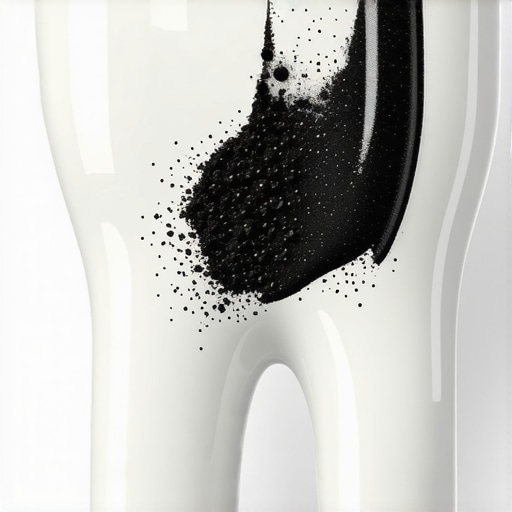
I stood there, staring at my reflection, my mouth looking like I had just chewed on a fireplace log. I was convinced this gritty, black sludge was the secret to the blindingly white teeth I had seen all over my social feed. But three weeks later, I wasn’t admiring a movie-star smile; I was wincing in pain. My morning routine had turned into a nightmare of sensitivity, and I realized I had literally been scrubbing away the very thing protecting my teeth from the world. If you have been tempted by those pitch-black tubes at the store, we need to talk about what is really happening to your pearly whites. Today, I am going to share the hard-learned lessons from my own bathroom vanity and show you how to get a brighter smile without sacrificing your long-term dental health.
Stop scrubbing your enamel away with charcoal
I made a massive mistake early on by using charcoal toothpaste twice a day, thinking more was better. I thought it would be a shortcut to keeping my smile white while drinking daily coffee, but I quickly learned that enamel does not grow back. Unlike your hair or nails, once your tooth enamel is worn down by abrasive materials, it is gone for good. That gritty texture that feels like it is deep-cleaning is actually acting like sandpaper. It is no wonder I had to start looking for ways to stop the painful zing when I drink iced coffee. According to a study published in the Journal of the American Dental Association, there is insufficient clinical evidence to support the safety and efficacy claims of charcoal-based dentifrices, and many products lack the fluoride necessary to remineralize your teeth. If you have noticed the reason your teeth feel fuzzy even after brushing, it might be because you have traded smooth, healthy enamel for a porous, damaged surface.
Is charcoal toothpaste actually worth the hype?
Many of my neighbors ask if the mess is at least worth a few shades of whitening. The reality is often disappointing. While charcoal might lift some surface stains, it can actually make your teeth look darker over time. As the white enamel thins, the yellowish dentin underneath starts to show through, which is often the reason your teeth look gray instead of white despite all that scrubbing. I learned the hard way that true family dentistry secrets involve gentle, consistent care rather than abrasive trends. Have you ever noticed your teeth feeling more sensitive after trying a new whitening trend? I’d love to hear if you’ve had a similar ‘aha’ moment before things went too far.Picking up where I left off, the first thing I had to do was stop treating my teeth like a DIY home renovation project and start treating them like fine jewelry. I had to pivot from physical abrasion to chemical lifting, which is a much more controlled way to manage stains. I remember sitting in my dentist’s chair, sheepishly admitting I had been using the black sludge for weeks. He held up a mirror and showed me how my aggressive habits were actually pushing my gum line back. If you are worried about the same thing, you should learn how to tell if your gums are receding from brushing too hard before you do permanent damage to the roots.
Ditch the grit for peroxide-based chemical lifters
The core technique for safe whitening involves using oxygen-based agents rather than physical scrubbers. Think of charcoal like using a wire brush to clean a mahogany table; you might get the dirt off, but you will ruin the finish. Peroxide, on the other hand, is like a soaking agent that lifts the pigments out of the pores of the enamel without scratching the surface. When I finally made the switch, I was terrified of a ‘zing,’ so I performed the sip test to determine if my tooth sensitivity is nerve-related before even starting the treatment. It gave me the confidence to move forward with a professional-grade gel that actually worked without the sandpaper feel. Once you find a gentle product, follow these top oral health tips for your family’s bright smiles to ensure you are maintaining the results with proper brushing technique rather than sheer force.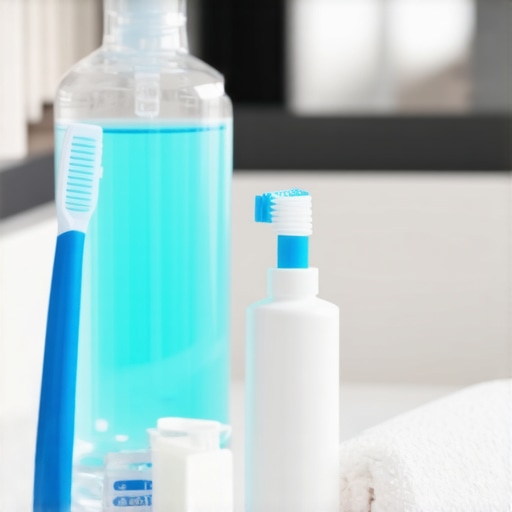
Fix the structural damage caused by over-brushing
If you have already spent months or years using abrasive charcoal, you might find that your teeth are not just yellow, but physically thinner. No amount of whitening gel will fix a tooth that has lost its protective shell. In these cases, you have to look at restorative options to bring back the white. This is why crowns are a game changer in restorative dentistry; they act as a new, durable, and perfectly white ‘helmet’ for a tooth that has been worn down. I’ve seen neighbors who spent a fortune on whitening strips only to realize they actually needed to transform their smile with crowns to boost oral health confidence because the enamel was simply gone. It is about rebuilding the foundation rather than just painting over a crumbling wall.
Look at alignment to improve your smile’s natural light
Sometimes what we perceive as a ‘yellow’ or ‘dull’ smile is actually just shadows created by crowded or crooked teeth. When light hits an uneven surface, it creates dark spots that make the whole mouth look darker. I was surprised to learn that improving alignment can actually make your smile look several shades whiter purely because of how light reflects off the teeth. When deciding between Invisalign vs braces, consider how a straighter smile eliminates those shadow traps. If you do go the clear aligner route, make sure you know how to keep your Invisalign trays clear without buying expensive cleaners, as stained trays will make your teeth look yellow even if they are perfectly clean. It’s all about a holistic approach to brightness.Most people believe that once a dentist places a crown, that tooth is ‘done’ and safe from future problems. In my experience, that’s actually when the real maintenance begins. I call it the ‘restoration honeymoon’—that first year where you think you’re invincible. But the truth is, the interface where the crown meets your natural tooth is the most delicate part of your mouth. If you aren’t careful, you’ll end up wondering why your gums are turning dark around the edge of a dental crown or feeling a strange sensation that leaves you asking why your dental crown feels like it is vibrating. According to a study in the *International Journal of Dentistry*, marginal leakage—not the failure of the porcelain itself—is the leading cause of secondary decay under restorations. This proves that the integrity of the ‘seal’ at the gumline is far more important than how expensive the material was. 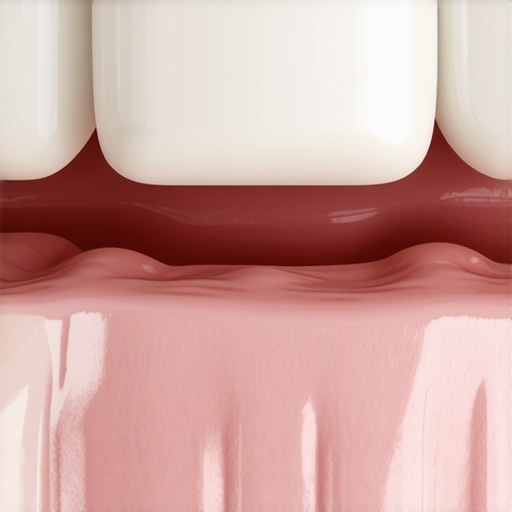
What happens when your bite feels high only at night?
This is a nuance many people miss. You might go through your day feeling fine, but as soon as you lay down or experience a stressful afternoon, you feel a sharp ‘hit’ on a specific tooth. This often happens because of minor inflammation in the periodontal ligament or the connection between grinding your teeth and those constant morning headaches. If you notice why your crown feels like it has a high spot only when you grind, it’s a signal that your jaw alignment and your restorations are at war. It’s a common ‘oops’ to ignore this ‘intermittent’ pain until the tooth actually cracks or the crown de-bonds. Another trap I see all the time? Trying to ‘wait out’ a damaged prosthetic or using household items to fix it. Please, whatever you do, avoid the danger of using superglue to fix a broken denture at home or trying to DIY a crown repair with craft store kits. These chemicals are toxic and can ruin the underlying tooth structure. Even when it comes to modern alignment, the ‘trap’ is thinking it’s a luxury for teenagers. We often overlook the hidden benefits of Invisalign for family dental care in 2025 at 903 am, specifically how it eliminates the hidden spots most people miss while brushing their teeth by removing the ‘crowding’ where bacteria hide. If you still feel the reason your teeth feel fuzzy even after brushing, it might be because your alignment is preventing your toothbrush from reaching those critical areas. Have you ever fallen into the trap of thinking a dental fix was ‘set it and forget it’ only to have it surprise you later? Let me know in the comments!I quickly realized that buying the most expensive electric toothbrush was only half the battle. If you are serious about keeping that dental work from failing, you have to upgrade your maintenance kit beyond just the basics. For me, the game-changer was discovering how to clean a dental bridge without those annoying threaders. I switched to using proxabrushes—those tiny, tapered brushes that slide between teeth where a normal brush can’t reach. It sounds overkill until you realize that standard flossing often skips the most vulnerable margins of a crown. If you have experienced any shrinkage in your gums, you absolutely must master the specific way to brush when you have gum recession to avoid ‘sawing’ away at the exposed root surfaces. I also spent way too long spraying my bathroom mirror before I finally learned the trick to using a water flosser without making a total mess, which mostly involves keeping your lips closed around the tip and letting the water fall naturally from your mouth.
Clean your restorations without losing your mind
According to a technical brief by the Gordon J. Christensen Clinicians Report, the longevity of a restoration like a zirconia crown depends heavily on the removal of biofilm at the gingival margin, where bacteria love to congregate. This is why I started using a dedicated tongue scraper too; learning the right way to clean your tongue without triggering your gag reflex significantly reduced the overall bacterial load in my mouth, which in turn protects my expensive crowns from secondary decay. I have also found that chemical hygiene is just as important as physical scrubbing. Instead of harsh cleaners, I now use the vinegar soak that safely sanitizes your retainers and guards once a week. It is a natural, effective way to ensure your night guard doesn’t become a breeding ground for the very bacteria you’re trying to fight. 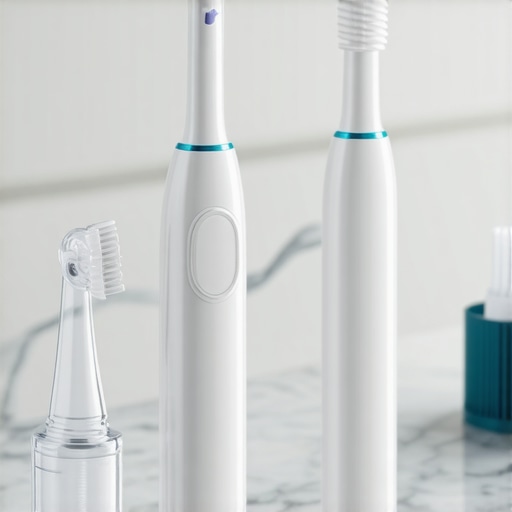
How do I maintain my dental investment for years to come?
The secret is consistency and the right tools for your specific situation. If you’re currently in the middle of a straightening journey, you know the frustration of a tray that won’t sit right. I’ve found that knowing how to seat stubborn Invisalign trays using the munchie technique is the difference between a treatment that stays on track and one that requires expensive refinements. It’s also vital to keep your equipment fresh; knowing the best way to clean a mouthguard so it stays fresh prevents that ‘old plastic’ taste and smell that discourages people from wearing their guards consistently. Looking ahead, I suspect we will see even more Invisalign innovations and the future of family dentistry involving AI-integrated scanners that we can use at home to check the fit of our work in real-time. For now, the most advanced thing you can do is perfect your ‘munchie’ technique today to ensure your teeth are moving exactly where they need to go. Try it tonight and see if you notice a difference in how your trays feel!
The Hard Truth About My Midnight Whitening Regret
I learned the hard way that white teeth do not always mean healthy teeth. My biggest “aha” moment was realizing that family dentistry trends often favor slow, gentle progress over the overnight transformations promised by social media. If I could go back, I would have read up on Invisalign myths debunked or the safety of peroxide before ever touching that black powder. I spent so much time worrying about the shade of my teeth that I ignored the integrity of my enamel, a mistake that took months of professional care to stabilize.
What I Kept After My Charcoal Experiment Ended
I have replaced the gritty tubs with a specialized toolkit that respects my natural anatomy. I now swear by my water flosser and specific interdental brushes that reach the margins of my restorations without causing irritation. I also rely on the ultimate guide to crowns for a healthier smile whenever I feel unsure about how to maintain the longevity of my dental work. If you are currently stuck between cosmetic choices, definitely check out the breakdown of crowns vs veneers to see which solution fits your structural needs best. #IMAGE_PLACEHOLDER_E# I have also bookmarked the expert advice on choosing the right crown expert because your provider’s skill is the ultimate factor in how long your investment lasts.
Your Smile Deserves More Than A Quick Fix
Investing in your oral health is a marathon, not a sprint. Whether you are correcting alignment or restoring a single tooth, the goal is a functional, pain-free smile that lasts decades rather than just a few days of brightness. Don’t let a viral trend trick you into sacrificing your precious enamel for a temporary glow. Take it from someone who has been there: the best smile is the one that remains strong and healthy for a lifetime.
Have you ever tried a viral whitening product only to regret it later? Let me know your experience in the comments below!