
How to tell if that white spot on your tooth is a cavity
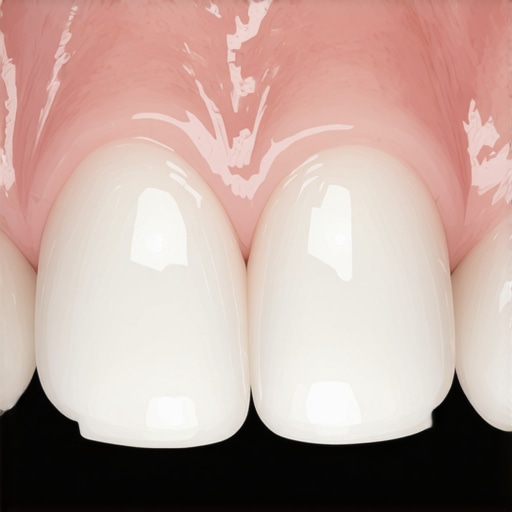
I was brushing my teeth last Tuesday when I saw it—a tiny, chalky white patch right near the gumline of my upper incisor. My heart sank. I immediately assumed I’d failed at adulting and that a drill was in my very near future. For years, I’ve tried to stay on top of my family’s oral health, but this little spot felt like a personal betrayal. I spent twenty minutes tilting my head under the bathroom light, poking at it with a fingernail (pro tip: don’t do that), and wondering if I was just seeing things. It’s a frustrating, confusing moment when your smile starts showing mystery spots that weren’t there yesterday. [image]
Deciphering the Chalky Mystery on Your Enamel
The truth is, those white spots are often the first S.O.S. signal your teeth send out. They aren’t always a cavity yet, but they are a sign that the mineral balance is way off. I’ve learned the hard way that ignoring them—or worse, trying to scrub them away—is a recipe for a very expensive dental crown down the road. Today, I want to walk you through the exact signs I look for to tell the difference between a simple mineral loss and a genuine hole in the tooth. We’ll talk about texture, location, and why your bathroom lighting might be lying to you.
Is every white spot really a disaster waiting to happen?
It’s easy to get cynical and think that any discoloration means a trip to the dentist for a filling. I used to think that too. But here’s a shocker: some white spots have been there since your teeth first popped in. According to the American Dental Association, mild fluorosis can cause white streaks that are purely cosmetic and don’t actually threaten the tooth’s structure. The real danger comes when the spot feels soft or sticky to a dental pick. Have you ever noticed a spot that seems to disappear when your teeth are wet but glows like a beacon when they’re dry? That was my first clue that something was up with my remineralization process.
The Rookie Mistake I Made with My Own Smile
When I first noticed my white spot, I went into over-clean mode. I grabbed the stiffest toothbrush I could find and went to town. I thought I could just buff it out like a scuff on a shoe. Big mistake. I ended up causing gum recession from brushing too hard and actually wore down the already weakened enamel. If I had just looked into modern family dentistry trends, I would have known that these spots are often pre-cavities that can actually be healed with the right fluoride treatment or a simple change in diet. Knowing the difference between a dark spot and a deep groove is one thing, but white spots are a different beast entirely because they represent demineralization. This is the yellow light of dental health—a warning to slow down and fix the problem before it turns red. Have you ever spotted one of these and wondered if you should call the dentist immediately or just wait for your next cleaning?
The Dry Surface Test That Reveals the Truth
First, stop scrubbing. Enamel is like the finish on a high-end car; if you use the wrong abrasive, you’ll strip the protective layer and make the situation worse. To really see what’s happening, you need to perform the dry test. I use a clean piece of gauze or the corner of a soft towel to wipe the tooth completely dry. When the tooth is wet, saliva fills in the tiny microscopic pores, making the surface look uniform and shiny. But once it’s dry, a demineralized area will look like a piece of dull chalk compared to the healthy, translucent enamel around it. This contrast is the clearest indicator that the minerals are being leached out. 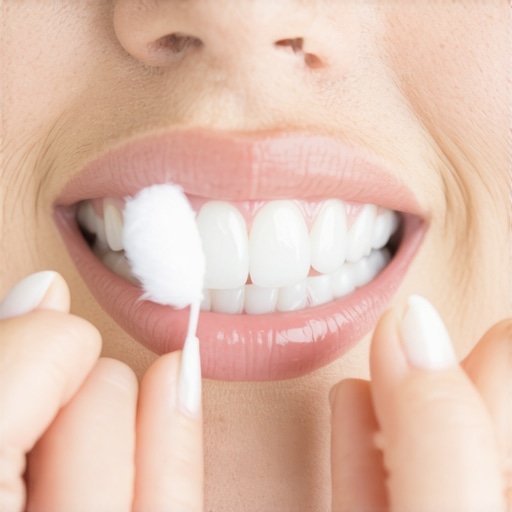
Feel for the Stickiness That Signals Trouble
Once you’ve identified the spot visually, the next step is a very gentle texture check. I’m not saying you should dig into your teeth with a metal tool—that’s a job for the pros—but you can use a clean fingernail or a soft-pick to see if the surface is smooth or ‘tacky.’ If the spot is hard and smooth, you’re likely dealing with something like fluorosis, which is often why your toddler has white spots on their front teeth and usually isn’t a medical emergency. However, if your tool feels like it’s catching on a sticky or soft surface, that’s a clear sign that the enamel has lost its structural integrity and a cavity is forming. At this point, knowing how to tell if a dark spot is a cavity or just a deep groove becomes vital because a sticky white spot is the final warning before a permanent hole appears.
How to Save Your Enamel Before the Drill Comes Out
Demineralization is a constant tug-of-war for minerals. Your saliva is naturally designed to bathe your teeth in calcium and phosphate to repair daily wear and tear, but when acid-producing bacteria take over—usually from sugary snacks or poor hygiene—they win the battle. To flip the script, you have to flood the area with the right materials while maintaining a neutral pH. This means timing your meals to avoid ‘grazing,’ which keeps your mouth in an acidic state for hours. In some cases, the damage is already too deep for a simple toothpaste to fix. This is where why crowns are a game changer in restorative dentistry. If the white spot has collapsed into a physical pit, a crown provides a full-coverage shield that prevents the tooth from fracturing under the pressure of everyday chewing.
My Failed Experiment with At-Home Remineralization
I once tried a DIY ‘remineralizing’ slurry I saw on a health blog, thinking I could avoid the dentist entirely. I spent two weeks applying this chalky, homemade paste to my front teeth every night. The result? I actually ended up with more sensitivity because the mixture was way too abrasive for my weakened enamel. I learned the hard way that following top oral health tips for your family’s bright smiles often means sticking to clinically proven methods like fluoride varnish or hydroxyapatite pastes. When I finally went in for a checkup, my dentist explained that the ultimate guide to crowns for a healthier smile isn’t just for severe decay; it’s a preventative strategy for teeth that have lost their armor. We caught my spot just in time to use a professional-grade fluoride treatment instead of a drill, but only because I stopped experimenting and started listening to the experts.This realization changed everything for me. Most people view dental work like a car repair—you only go in when the engine starts smoking. But with enamel, by the time you feel pain, you’ve already lost the battle for the original tooth structure.
Don’t Let a Lack of Pain Fool You
One of the biggest myths I used to believe was that if it doesn’t hurt, it isn’t an emergency. We’re taught that cavities are holes that ache when you eat sweets. But white spots—those early demineralized areas—are often completely silent. By the time you notice why your dental crown feels like it’s shifting or feel a sharp zing from cold water, the decay has likely bypassed the enamel and hit the dentin. I’ve seen so many people skip their checkups because they ‘felt fine,’ only to end up needing intensive restorative work. It’s a common trap: equating comfort with health.
Does science support your at-home enamel repair?
You’ll find thousands of hacks online claiming that charcoal or lemon juice can fix your smile, but the reality is much more nuanced. According to a study published in the Journal of Clinical Dentistry, while fluoride remains the gold standard for arresting early lesions, it requires a specific oral pH to work effectively. If your mouth is too acidic because of your diet, even the best toothpaste won’t save those white spots. This is why the hidden benefits of Invisalign for family dental care in 2025 are so relevant—properly aligned teeth are easier to keep at a neutral pH because they don’t trap food as easily as crowded teeth do. #IMAGE_PLACE_HOLDER_C#
Redefining the Crown as a Protective Shield
We often talk about crowns as if they are a punishment for bad flossing. I’ve shifted my perspective entirely. A crown isn’t a sign of failure; it’s a high-tech reinforcement. Many patients fear that getting a crown means losing their natural tooth, but choosing the right crown expert advice for long-lasting results means you’re actually preserving the root and preventing a full extraction. Think of it like a custom-fitted helmet for a vulnerable tooth. I’ve seen cases where a patient hesitated to get a crown on a weak tooth, only for it to split down the middle a month later. At that point, you’re looking at an implant, not just a cap.
Why bite alignment matters more than you think
Have you ever wondered why one specific tooth keeps getting white spots while the others look fine? It’s often not a hygiene issue; it’s a mechanical one. If your bite is off, certain teeth take more ‘hits’ during chewing, which causes micro-stress in the enamel. This is one of the many Invisalign myths debunked—orthodontics isn’t just about looking like a movie star; it’s about evening out that pressure so your enamel doesn’t fracture or demineralize prematurely. Have you ever fallen into the ‘it doesn’t hurt, so it’s fine’ trap? Let me know in the comments below, I’d love to hear your story.I’ve spent a lot of money learning that the cheapest way to keep your teeth is to invest in the right equipment early. After my white-spot scare, I threw out my manual brush and never looked back. I switched to an electric model with a visible pressure sensor because my ‘scrubbing’ phase did more harm than good. If you are currently struggling with how to tell if your gums are receding from brushing too hard, a brush that literally flashes red when you press too hard is a lifesaver. It’s not just about the vibration; it’s about the biofeedback that prevents you from filing down your own enamel. I also swear by a high-quality water flosser. Most people give up on them because they end up soaking their bathroom mirror, but once you learn the trick to using a water flosser without making a total mess, it becomes the most efficient way to clean under those tight gaps and around any restorative work like crowns or bridges.
The One Tool That Actually Saved My Gums
Keeping things working long-term requires a mindset shift from ‘cleaning’ to ‘maintaining.’ For me, that meant becoming obsessed with the pH of my mouth. I started using a tongue scraper daily and switched to a non-alcohol mouthwash to avoid the dry-mouth-acid cycle. I also realized that alignment is the foundation of hygiene. Crowded teeth are basically a luxury hotel for bacteria. If you’re currently using clear aligners, you have to be incredibly diligent about how they sit on your teeth. I found that how to seat stubborn invisalign trays using the munchie technique made a massive difference in how quickly my teeth moved. Without proper seating, the aligners don’t apply the correct pressure, and your treatment can stall for months. Looking at the hidden benefits of Invisalign for family dental care in 2025, it’s clear that straight teeth are a medical necessity, not just a cosmetic choice.
How do I keep my smile stable over the years?
The secret isn’t just brushing; it’s monitoring the mechanics of your bite. Every six months, I ask my dentist to check my ‘occlusion’ or how my teeth meet when I chew. If you’ve recently had a filling or a cap, you might notice why your crown feels like it has a high spot only when you grind, which can lead to micro-fractures if left unchecked. Long-term success with family dentistry secrets maintaining oral health with modern techniques involves more than just fixing holes; it’s about ensuring your bite is perfectly balanced so no single tooth takes too much force. Dr. Gordon Christensen, a world-renowned restorative expert and founder of the Clinicians Report, often emphasizes that the longevity of modern materials like zirconia depends heavily on the precision of the fit and the patient’s daily force management. 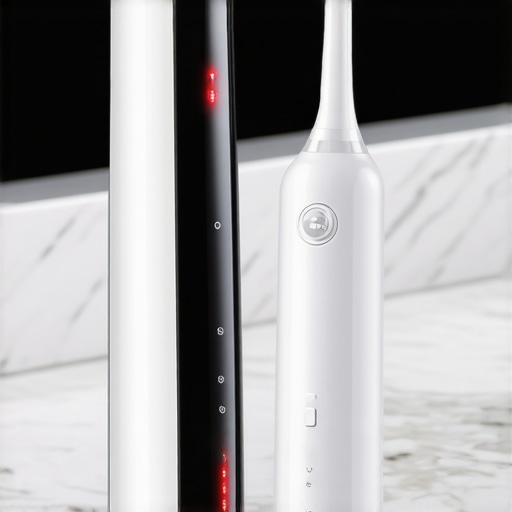
The Future of Seeing Your Smile Before It Breaks
Predicting where we are headed, I think we’re going to see at-home digital scanners become the norm within the next decade. Imagine taking a 3D ‘selfie’ of your teeth and having an AI flag a new demineralized spot before it’s even visible to the naked eye. We are already seeing what a 3d cbct scan reveals that standard x-rays miss entirely in specialized clinics, showing us the bone density and root health in ways we never thought possible. My advice? Don’t wait for a digital revolution to start caring for your armor. Grab a water flosser tonight and commit to the 90-degree angle technique—your gums will show a visible difference within a single week.
I spent years thinking that if my teeth didn’t hurt, they were perfectly fine. My biggest wake-up call was realizing that dental health isn’t a binary state of ‘healthy’ or ‘cavity’—it is a sliding scale of mineral balance.
The Hardest Lesson I Learned About Mineral Loss
The most important thing I discovered is that enamel doesn’t ‘die’ all at once; it fades in absolute silence. That chalky white spot I found was a cry for help, not a death sentence. I also learned that the reason your teeth feel fuzzy even after brushing is often the first sign that plaque is winning the tug-of-war for your minerals. Consistency is the real secret—brushing like a maniac once a week won’t undo the damage of daily neglect. I had to learn to treat my enamel like a delicate ecosystem rather than a hard shell. Once I stopped scrubbing and started nourishing, those spots began to stabilize. Even if you’re worried about receding gums from brushing too hard, it is never too late to pivot to a gentler, more effective routine.
My Essential Kit for a Bombproof Smile
If you’re building a routine to combat demineralization, focus on quality over force. My go-to list includes three specific items that changed everything for me. First, an electric brush with a pressure sensor is non-negotiable to prevent self-inflicted wear. Second, a high-quality water flosser is a game-changer for those hard-to-reach gaps. Once you master the trick to using a water flosser without making a total mess, your gum health will skyrocket. Finally, rethink your rinse. The truth about alcohol-based mouthwashes is that they often dry out your mouth, making you more prone to the very spots you’re trying to avoid. [image] I now stick to pH-neutral, fluoride-rich options that actually support the remineralization process.
The Future of Your Smile Starts Tonight
You have the power to change the trajectory of your oral health starting right now. Whether it’s a small white spot or a full restoration, every step you take to protect your enamel counts toward your long-term success. Remember, following the top oral health tips for your family’s bright smiles isn’t just about following rules—it’s about following the blueprint for a lifetime of confidence. Your smile is your greatest asset; treat it with the care it deserves and it will serve you well for decades to come. Have you ever spotted a white mark and wondered if it was a cavity or just a cosmetic spot? Let me know in the comments below!