
The best way to handle a broken denture plate
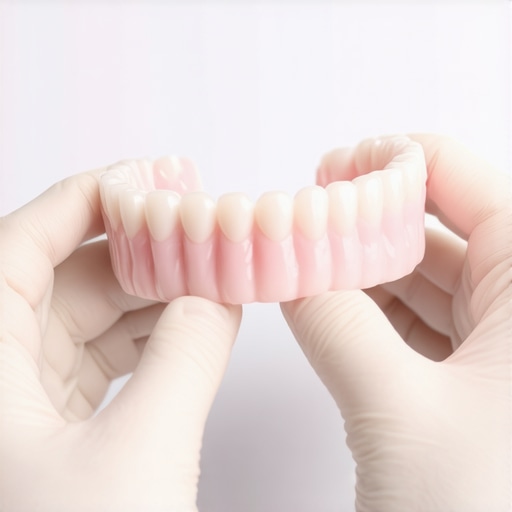
I was sitting at a neighborhood barbecue, enjoying a perfectly charred ear of corn, when I heard a sound that made my stomach drop—a sharp, plastic snap. I didn’t even have to look in a mirror to know my denture plate had finally given up the ghost. It’s a visceral, sinking feeling, isn’t it? One minute you’re laughing at a joke, and the next, you’re trying to figure out how to keep your teeth in place without anyone noticing. I’ve been there, and I know the temptation to just ‘MacGyver’ it back together is incredibly strong. It feels like an emergency that needs a fix right now. But that moment of panic can lead to some pretty expensive regrets if you aren’t careful. Today, I want to walk you through exactly what I did—and the one massive mistake I made—so you can get back to smiling without the constant fear of a mid-sentence disaster.
Don’t Reach for the Super Glue in Your Junk Drawer
When my plate first cracked, I thought I was being clever. I grabbed a tube of heavy-duty adhesive from the garage, thinking a tiny drop would solve everything. It seemed like the easiest way to handle the situation before my next meeting. Big mistake. Not only does that stuff taste like a chemical factory, but it actually distorted the acrylic plastic. This made it nearly impossible for my dentist to achieve a natural fit when I finally admitted defeat and went in for help. Professional family dentistry experts use medical-grade resins for a reason. According to the American Dental Association, using non-dental adhesives can lead to severe tissue irritation and even localized allergic reactions, which is the last thing you want when your gums are already sensitive. If your teeth have been clicking when you talk or feeling slightly loose for a few weeks, that’s usually the early warning sign of stress on the material. Trust me, putting a ‘band-aid’ on a structural break only leads to more trouble down the road, and you might even end up needing a full replacement instead of a simple mend. [image placeholder]
Will a quick professional repair actually hold up over time?
You might be skeptical about whether a repaired plate is ever as strong as it was on day one. I certainly was. I spent weeks worrying that every bite of sourdough or steak would be the one to break it again. But here’s the reality: if it’s handled correctly by a professional, a repair can be incredibly resilient and buy you significant time. Have you ever tried to fix a dental mishap at home and ended up making it worse? Let me know in the comments, because I’ve definitely been there and I want to hear your story. The goal today isn’t just a temporary fix; it’s ensuring your long-term oral health stays on track while we navigate this frustrating hiccup together.
Assess the break before you touch anything
The very first thing you need to do is stop. Put the pieces on a clean, white towel so you don’t lose any tiny shards. I once tried to ‘test’ the strength of a hairline fracture by gently bending it—don’t do that. It snapped like a dry twig, turning a simple bonding job into a complex jigsaw puzzle. If the break is clean, you’re in luck. If it’s shattered into dozens of pieces, you might be looking at a replacement rather than a repair. Check for missing teeth or jagged edges that could cut your gums. This is the foundation of family dentistry: protecting the soft tissues while managing the hardware. If you feel any sharp edges, do not try to file them down yourself as you might ruin the seal needed for a professional fix.
Choose a dental-grade repair kit for a temporary fix
If you absolutely cannot get to a dentist today, head to a pharmacy, not a hardware store. Look for an FDA-approved denture repair kit. These kits usually contain a liquid and powder that you mix to create a cold-cure resin. It’s like using a specialized epoxy designed for your mouth. It won’t have the permanent strength of a professional lab repair, but it won’t melt your acrylic like Super Glue. This temporary measure is purely to keep you presentable for that wedding or meeting. Think of it like a spare tire—it gets you to the shop, but you shouldn’t drive 100mph on it. While you’re there, look for products that help with maintaining oral health during emergencies. 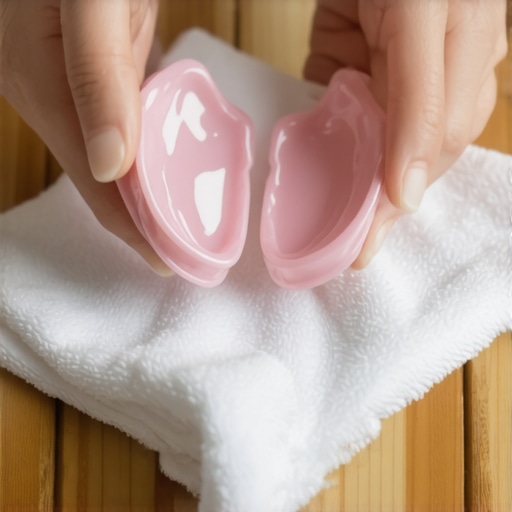
Why the dentist’s repair is fundamentally different
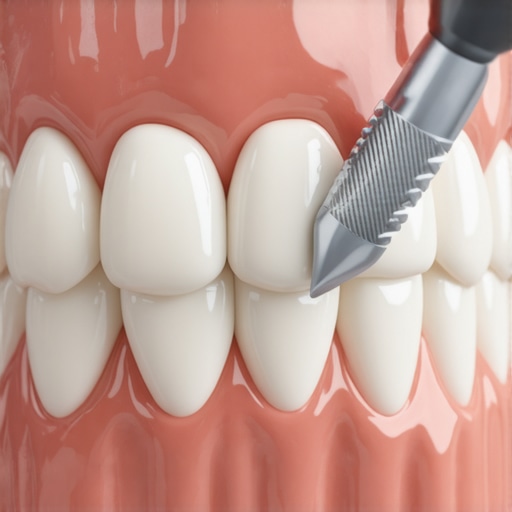
A professional doesn’t just “glue” things back. They use a process similar to welding. They’ll grind away a small amount of the old acrylic along the break to create a “V” shape, which provides more surface area for the new material to bond. Then, they use heat-cured or high-pressure resins that are far denser and more durable than anything you can buy over the counter. This is why a professional mend is often necessary to stop your dentures from clicking when you talk. They ensure the bite alignment is perfect, which prevents future stress fractures. I remember my first pro-repair; it felt smoother and more solid than the day I first got the plate, mainly because the tech reinforced the stress point where I tend to bite down harder.
Consider if a more permanent solution is better
Sometimes a broken plate is a sign that the underlying structure is failing. If your plate keeps breaking in the same spot, your jawbone may have changed shape. In these cases, your dentist might suggest choosing the right crown or even switching to a different restorative method like an implant-supported bridge. For some, the hassle of plates leads them to ask about Invisalign vs braces for their children, or dental implants for themselves. If the plate is thin and worn out, a simple repair is just delaying the inevitable. You want a solution that doesn’t leave you worrying about every bite of steak. Ensuring you know how to stop your new crown from feeling too high or your denture from feeling bulky is part of the long-term adjustment process that keeps your smile functional and comfortable.
When we talk about repairing a denture plate, we are often just scratching the surface of restorative care. Many of my friends think that once they graduate from a simple repair to a full dental crown, they are ‘safe’ from future issues. This is one of the biggest misconceptions in family dentistry. We tend to view a crown as a suit of armor that makes the underlying tooth invincible. In reality, the margin where the crown meets your gum line is a microscopic playground for bacteria. If that seal isn’t maintained, you can develop a cavity underneath the porcelain where you can’t even see it. This is why choosing the right crown involves more than just picking a color; it’s about ensuring a precision fit that protects your oral health for decades, not just years.
Does the material of your restoration actually matter for your long-term health?
I get asked this constantly. While gold is the gold standard for durability, most people want the natural look of porcelain or zirconia. However, the ‘trap’ most patients fall into is ignoring a restoration that feels just a tiny bit ‘tall.’ You might think you’ll just get used to it, but a crown that is even a fraction of a millimeter too high can cause a condition called traumatic occlusion. This constant pounding every time you chew can actually kill the nerve of the tooth or cause the root to fracture. If you’ve noticed this, you need to know how to stop your new crown from feeling too high before it causes irreversible damage. Have you ever felt like your bite was slightly off but decided to ‘wait and see’? Let me know in the comments, because that ‘wait and see’ approach is exactly how I ended up needing a root canal I could have avoided.
Another nuance involves the shift toward clear aligners. There is a common belief that Invisalign is purely for teenagers or people who want a ‘Hollywood’ smile. But the real family dentistry trends show that we are using these tools more for functional health than aesthetics. Crowded teeth are a nightmare to floss, and that physical obstruction is often the root cause of receding gums and localized gingivitis. By addressing Invisalign myths debunked in the clinical setting, we see that moving the teeth into the correct position actually makes it easier to maintain oral health. A study published in the Journal of Prosthetic Dentistry highlights that proper tooth alignment significantly reduces the mechanical stress on existing crowns and bridges, extending their lifespan by up to 30%.
The ‘oops’ factor I see most often? People using the wrong cleaners on their hardware. Just like I warned against Super Glue for dentures, using abrasive whitening toothpaste on a crown or a bridge can micro-scratch the surface. These tiny scratches then trap stains and bacteria, leading to that dreaded situation where your crown smells bad when you floss around it. It’s not necessarily the tooth rotting; it’s often the accumulation of biofilm in those micro-scratches. Whether you are looking at Invisalign vs braces for your kids or managing your own restorations, the secret is in the microscopic details. Staying ahead of these family dentistry trends means you aren’t just reacting to breaks—you are preventing them from ever happening.
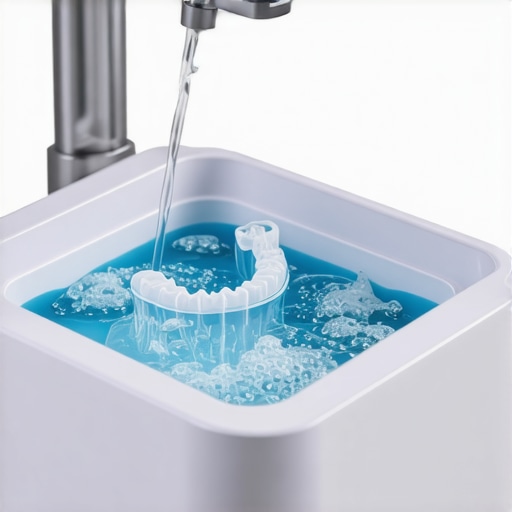
Once you’ve successfully navigated a repair or a new restoration, the real work begins: the long game of maintenance. I used to think that brushing twice a day was enough to protect my investment, but I quickly learned that hardware requires a different level of care. To keep my restorations pristine, I made one specific change that I now recommend to everyone: I invested in an ultrasonic cleaner. If you have ever struggled with how to clean a night guard that has started to smell like vinegar, you know that manual brushing just doesn’t reach the microscopic pores of the acrylic. These devices use high-frequency sound waves to create cavitation bubbles that literally blast biofilm off the surface without scratching the material.
Beyond physical tools, we are seeing massive shifts in family dentistry trends. We are moving away from the ‘wait and see’ model and into a ‘predict and prevent’ era. Digital scanning is the heartbeat of this movement. According to technical documentation from iTero, their digital scanning systems now allow for ‘TimeLapse’ technology, which compares your current mouth scan to previous ones. This isn’t just about Invisalign innovations; it’s about seeing exactly where your gums are receding or where a crown is wearing down before you ever feel a symptom. This data-driven approach is how I finally figured out how to tell if your dental bridge is trapping food before it caused a major infection. It’s a total game-changer for anyone managing multiple restorations.
How do I keep my dental work from failing prematurely?
The secret is focusing on the ‘biological width’—the space between your restoration and your bone. This is where most crowns fail. I personally use a high-powered water flosser every night to irrigate those margins. If you have an implant, you need to know the best way to clean around a dental implant bridge to avoid inflammation, because the way gum tissue attaches to titanium is much weaker than the way it attaches to a natural tooth root. I also recommend the best strategy for flossing when your teeth are tightly crowded: using a specialized tape instead of traditional string, which prevents the ‘snapping’ motion that can accidentally dislodge a temporary or stress a permanent crown. Staying ahead of these mechanical stresses is the only way to ensure you aren’t back in the chair for a redo in three years.
As we look toward the future, I predict we will soon see smart-sensors integrated directly into family dentistry hardware—think crowns that can alert your smartphone if they detect a change in acidity levels or bacterial load. Until that tech hits your local clinic, your best bet is choosing the right crown material and maintaining a rigorous home-care protocol. My advice? Try adding an ultrasonic cleaner to your routine this week. It’s the single most effective way to keep your aligners and guards from becoming a breeding ground for bacteria. Don’t just settle for ‘clean enough’ when it comes to your smile; take that one extra step to ensure your dental work lasts a lifetime.
The Costly Lessons I Learned the Hard Way
Reflecting on my own journey through broken plates and worn-down crowns, I’ve realized that our teeth—whether natural or lab-made—are constantly telling us a story. If I had listened sooner, I would have saved thousands. First, never underestimate the power of a “micro-click.” If your teeth are shifting or making noise, that is the structure begging for an adjustment. Second, the “temporary” fix should never last more than 48 hours; wait any longer and you risk changing your bite permanently. Lastly, the goal of modern family dentistry isn’t just to fix what’s broken, but to build a foundation that prevents the break in the first place.
My Daily Toolkit for a Disaster-Proof Smile
I don’t leave my oral health to chance anymore. My medicine cabinet now looks a little different than it did five years ago. I swear by an ultrasonic cleaner for anything removable; it’s the only way to ensure you don’t have to worry about why your breath smells like vinegar after a long night of wearing a guard. I also recommend checking out the latest Invisalign innovations, which have made maintaining alignment easier than ever. If you have older work, learning how to tell if your dental bridge needs to be replaced is a skill every patient should have. Finally, I’ve adopted the 2-minute habit that prevents morning breath to keep my gums healthy around my crown margins.
Reclaiming Your Confidence One Bite at a Time
A broken plate or a loose crown can feel like a personal failure, but it’s really just a milestone in your health journey. By staying informed on the latest family dentistry trends, you move from being a reactive patient to a proactive advocate for your own smile. Don’t let a snap or a crack steal your joy at the next neighborhood barbecue. With the right tools and a trusted professional, you can get back to laughing and eating without a second thought about your teeth. Have you ever tried to fix a dental mishap at home and ended up making it worse? Let me know in the comments below!