
How to get your child to stop biting their nails for their teeth’s sake
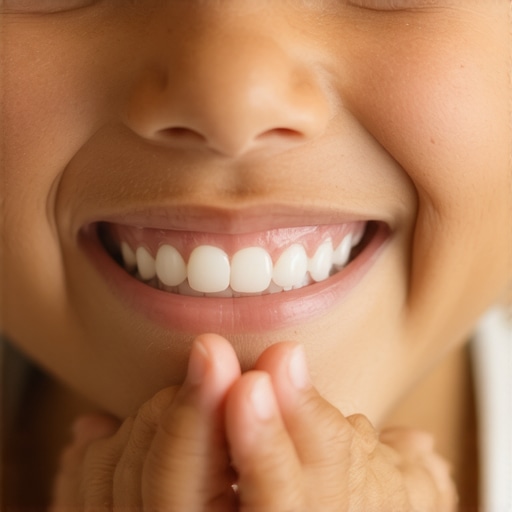
I remember sitting in the front row of my daughter’s second-grade recital, heart swelling with pride, until I looked closer. In every quiet moment between songs, she wasn’t just nervous; she was gnawing. Not just a nibble, but a focused, aggressive bite that sent a chill down my spine. As someone who obsesses over our family’s top oral health tips, I could practically hear her enamel screaming. It wasn’t just about the ragged cuticles anymore. I saw the way her front teeth were starting to look slightly tilted, and I knew we were headed for a disaster if I didn’t step in. We’ve all been there, watching a habit form and wondering if we’re making a mountain out of a molehill. But when it comes to those little pearly whites, the stakes are higher than you might think. Today, I’m going to share the exact path I took to help my child quit the habit while keeping her dental health—and my sanity—intact.[image_placeholder_1]
Your Child’s Teeth are Paying the Price for That Habit
We often think of nail-biting as a grooming issue, but it’s a dental nightmare in disguise. I made a huge mistake early on by just slathering her fingers in that bitter-tasting polish. It was a lazy fix. It didn’t address her stress, and honestly, she just got used to the taste. Meanwhile, the constant pressure was doing real damage to her alignment. According to the American Dental Association, the repetitive force of nail biting can actually cause teeth to shift, lead to gum irritation, and even cause the teeth to break or chip. I’ve seen firsthand how these small habits require modern family dentistry techniques to correct later in life. We’re talking about more than just aesthetics; we’re talking about the functional longevity of their bite.
Is it really worth the struggle to make them stop?
You might be thinking, “It’s just a phase, right? They’ll outgrow it.” I thought so too until our dentist pointed out the wear on her incisors. Much like finding the safest way to stop a child’s thumb-sucking habit, addressing nail biting early prevents a cascade of orthodontic bills down the road. If we don’t act, we aren’t just looking at jagged nails; we’re looking at potential chips that might eventually require crowns for a healthier smile or even root damage from the constant trauma. Have you ever caught your little one mid-bite and felt that instant flash of frustration, wondering how to stop it without being the ‘bad guy’ who constantly nags? It’s a tough balance to strike, but protecting their developing jaw is a hill worth dying on. We are going to dig into the psychological triggers and the physical barriers that actually work, moving past the gimmicks and toward real results.
Find the Secret Trigger Hiding Behind the Habit
You can’t fix what you don’t track. I started by observing exactly when my daughter’s fingers drifted toward her mouth. For her, it wasn’t boredom; it was the intense focus of math homework. Identifying the trigger is like finding a leak in a pipe before you try to patch the drywall. If your child is biting because of stress, a bitter polish is just a band-aid on a broken bone. Instead, we worked on identifying that ‘nervous energy’ together. Sometimes, oral habits are a response to physical changes, such as why your child’s gums look swollen where a molar is erupting, which can create a generalized discomfort they try to soothe through biting. By addressing the root cause—whether it’s a difficult school subject or dental erupting pains—you stop the cycle before it starts.
Create a Speed Bump for Their Nervous System
Once you know the ‘why,’ you need a physical alternative. I call these ‘speed bumps.’ In our house, we used sensory fidget toys and even ‘chewelry’—BPA-free silicone necklaces designed for kids who need oral stimulation. Think of it as a detour on a road under construction; the brain still wants to travel that path, but you’re providing a safer lane. This is crucial because prolonged biting can lead to complications like the reason your child’s teeth are coming in behind their baby teeth, as the habit disrupts the natural path of permanent teeth. I remember one Tuesday when she was particularly frustrated with a spelling list. Instead of the usual ‘get your hands out of your mouth,’ I handed her a cold piece of celery. The crunch satisfied the urge, and the cold soothed her gums. It was a small win, but those small wins prevent the need for more complex interventions later.
Stop the Dental Domino Effect Before It Starts
If the habit has already caused minor damage, you need to act fast to prevent a total collapse of their dental alignment. Constant biting acts like a slow-motion orthodontic treatment—except it’s moving teeth in the wrong direction. We’ve had to look into how Invisalign transforms family dentistry in 2025 for older kids who didn’t kick the habit early enough. You don’t want to be in a position where you’re searching for how to manage a chipped front tooth on a weekend because a fingernail finally won the battle against their enamel. I began explaining to my daughter that her teeth were like a row of carefully planted flowers; if she kept ‘stepping’ on them with her nails, they wouldn’t grow straight.
Use Visual Cues and Positive Reinforcement
We moved away from punishment and toward ‘nail goals.’ We took photos of her teeth every Sunday. Seeing the progress—and noticing that her teeth didn’t have those jagged edges often mistaken for why your child’s adult teeth look like they have serrated edges—gave her a sense of ownership. We also discussed family dentistry trends improving oral health for all ages to show her that taking care of her mouth is a lifelong journey, not just a temporary chore. This shift in perspective turned her from a ‘problem to be fixed’ into the ‘hero of her own health,’ which is the most powerful tool a parent has.
Establishing a routine is only the first step; the real challenge lies in the technical nuances that most parents—and even some general practitioners—overlook. One of the most persistent misconceptions I see is the idea that orthodontic tools are purely for aesthetics. When we discussed my daughter’s bite, the conversation shifted toward how Invisalign could act as a sophisticated intervention. Most people assume clear aligners are just for vanity, but they serve as a physical barrier that retraining the brain. If you’ve been searching for Invisalign myths debunked, you’ll find that the most significant ‘secret’ is how these trays protect the occlusal surfaces from the trauma of nail-biting and grinding.
Will wearing clear aligners finally end the biting cycle?
In my experience, the trays do more than move teeth; they act as a psychological ‘off-switch’ for the habit. However, you have to be careful with the ‘Oops Factor’ of treatment. A common trap is failing to notice why your Invisalign trays feel tighter on some days than others. This isn’t always about the teeth moving; it’s often a sign of inflammation from the very habit you’re trying to break. According to the American Association of Orthodontists, early interceptive care—often called Phase 1—can address these functional issues before they require surgery. If you wait until the teen years, you might find yourself needing crowns as a game-changer in restorative dentistry just to fix the damage caused by a decade of biting. 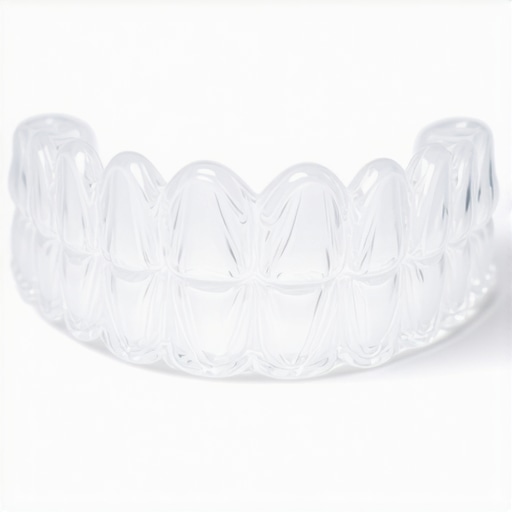
Another nuance involves the restoration itself. If your child already has a restoration, you might notice the reason your crown smells bad when you floss around it or why it feels ‘tall.’ This ‘high’ sensation is often a result of the tooth being pushed out of alignment by external pressure. Learning how to stop your new crown from feeling too high when you chew is essential for long-term comfort. We often think a crown is a ‘set it and forget it’ solution, but it requires the same vigilance as a natural tooth. I once fell into the trap of thinking my daughter’s dental work was invincible, only to realize that modern Invisalign transforms family dentistry by requiring more, not less, attention to hygiene. Have you ever fallen into the trap of thinking a dental fix was permanent without maintenance? Let me know in the comments! By staying ahead of family dentistry trends, we ensure our kids don’t just have straight teeth, but healthy ones for life.
Once you’ve successfully navigated the initial hurdles of correcting a child’s habits or undergoing your own restorative work, the focus shifts from ‘fixing’ to ‘preserving.’ I’ve learned the hard way that the tools you use daily determine whether your results last three years or thirty. If you aren’t careful, you’ll find yourself searching for how to clean the gunk out of your Invisalign aligners because the standard brushing method simply isn’t cutting it. I personally transitioned to using a dedicated ultrasonic cleaner for my daughter’s retainers and my own night guard. It’s a game-changer because it uses high-frequency sound waves to blast away biofilm in nooks that a brush can’t reach, preventing that cloudy look that makes gear look ancient before its time.
How can I keep these dental investments looking new for decades?
Sustainability in oral health isn’t about working harder; it’s about working smarter with the right tech. For anyone with restorative work, a water flosser is non-negotiable. I use mine every night specifically to target the margin where my crown meets the gumline. This is the ‘hot zone’ for bacteria, and it’s the move to stop a crown from trapping food every time you eat steak. If you leave even microscopic debris there, you’re looking at gum recession or secondary decay. A study published in the Journal of Clinical Orthodontics highlights that the mechanical properties of thermoplastic materials used in aligners can actually degrade if cleaned with abrasive toothpastes, which is why I strictly recommend non-abrasive soaking solutions. By following expert advice for long-lasting results, you ensure that the thousands of dollars spent on a smile don’t go to waste due to simple maintenance errors.
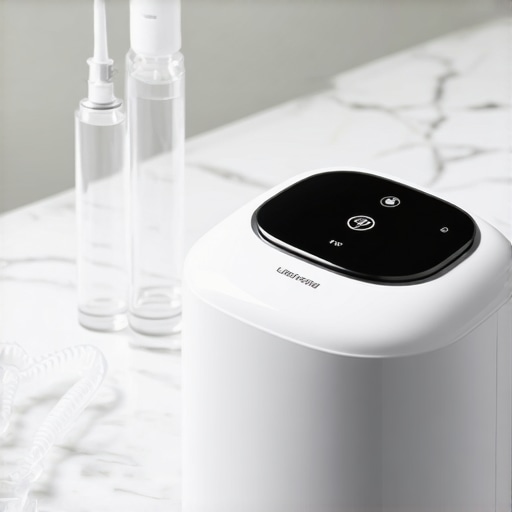
Looking ahead, the next five years will likely bring us even closer to ‘set it and forget it’ dentistry. I predict we will see a massive shift toward AI-integrated monitoring apps that allow your dentist to check your alignment or crown integrity via a smartphone scan, much like the Invisalign innovations and the future of family dentistry we are already seeing today. This ‘remote oversight’ will make it harder for small issues to snowball into emergencies. We are also seeing the hidden benefits of Invisalign for family dental care in 2025 becoming more apparent as these systems incorporate better ‘wear indicators’ to keep kids accountable. If you haven’t yet, I strongly encourage you to invest in a high-quality water flosser this week. It is the single most effective way to protect your crowns and aligners from the silent threat of plaque buildup. Trust me, your future self—and your bank account—will thank you for the five minutes of extra care you put in today.
The Hardest Lesson I Learned About Protecting My Daughter’s Bite
Looking back, the biggest ‘aha’ moment wasn’t when she stopped biting her nails; it was when I realized how much her bite had actually changed during that year of ‘trying to stop.’ Here are the deep insights that shifted my perspective:
- Enamel is a non-renewable resource: Once the edges are jagged, you aren’t just looking at a cosmetic fix. You are looking at a future that might require knowing crowns vs veneers which is better for your smile to restore structural integrity.
- The ‘silent’ trauma: We focus on the visible chips, but the repetitive pressure on the jaw joint (TMJ) is where the real long-term pain hides.
- Invisalign is a behavior modifier: It isn’t just about straight teeth; the physical barrier of a tray is often the most effective way to break the neural loop of biting. Don’t let Invisalign myths stop you from seeing it as a functional tool.
[image_placeholder_1]
The Kit That Saved My Sanity and Her Smile
I didn’t realize how much of a difference the right tools made until we actually used them. If you’re serious about protecting that dental investment, here is what I personally recommend:
- A High-Frequency Ultrasonic Cleaner: This is the only way to avoid that cloudy, unhygienic buildup on retainers or aligners. It’s much more effective than brushing alone and helps you learn how to clean the gunk out of your Invisalign aligners without scratching the surface.
- The Targeted Water Flosser: Essential for anyone with restorations. It’s the move to stop a crown from trapping food every time you eat steak and keeps the gumline healthy.
- BPA-Free Silicone ‘Chewelry’: These provided the sensory input my daughter craved without the dental damage.
Take the First Step Toward Her Confident Future
Stopping a lifelong habit feels like an uphill battle, but you aren’t just fighting for better-looking fingernails. You are actively preserving the foundation of your child’s adult health. By staying informed on family dentistry trends improving oral health for all ages, you transition from being a reactive parent to a proactive health advocate. It takes patience, a few strategic tools, and a lot of grace, but the reward is a smile that lasts a lifetime. Have you ever struggled with getting a child to stop a stubborn oral habit? Let me know your biggest hurdle in the comments below!