
Why your child’s gums look swollen where a molar is erupting
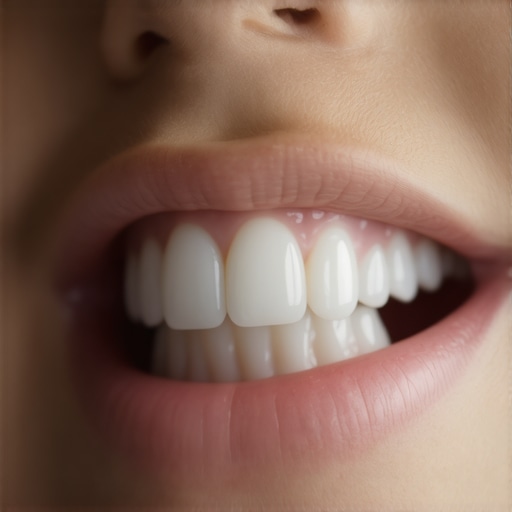
I’ll never forget the Tuesday night I sat on the bathroom floor with my daughter, flashlight in hand, staring into the back of her mouth. There it was: a swollen, angry-looking mound of gum tissue right where her six-year molar was supposed to be. I felt that instant pit in my stomach. Was it an infection? An abscess? Did she bite something too hard? I have been around the block with oral health more times than I can count, but seeing your own kid’s gums look like a miniature volcano is enough to make any parent lose sleep. It is a visceral kind of worry that only a parent understands. Today, I want to help you breathe a sigh of relief by explaining exactly what is happening in that little mouth and how to tell if you should actually be worried.
That Scary Lump in the Back of the Mouth
When I saw that swelling, my first instinct was to reach for the toothbrush and scrub. That was my first big mistake. I thought I could brush away whatever was causing the inflammation, but I ended up making the area even more sensitive. It is a common error many of us make in family dentistry care at home. In reality, what I was looking at was likely an eruption cyst or just the natural pressure of a large molar pushing through thick gum tissue. Sometimes, these spots can even take on a dark color, which is why your child’s gums might look purple where a tooth is coming in. It looks terrifying, but it is often just a bit of localized bruising as the tooth breaks through the surface.
Could this actually be a dental emergency?
It is easy to spiral into worst-case scenarios, especially when your child is complaining of a dull ache or refusing to eat their favorite snack. You might wonder if they need an immediate procedure or even crowns for some mysterious reason. Usually, the answer is no. According to the American Academy of Pediatric Dentistry, eruption cysts are a common clinical finding in children and, in most cases, they require no treatment as they resolve spontaneously when the tooth erupts. Have you ever noticed a weird bulge in your child’s mouth and immediately reached for your phone to call the dentist? I want to show you how to manage the discomfort at home and what signs mean it is time to move up that first dental visit or a follow-up appointment. We will also talk about why your child needs a dental sealant on their molars once they finally do arrive, to keep that new enamel safe from the start. Let’s break down the difference between ‘normal growing pains’ and a real problem.
Handle the Swelling Without Panicking
The first thing you need to do is a simple visual check using a soft light. If the area looks dark, bluish, or even deep red, stay calm. This is why your child’s gums might look purple where a tooth is coming in; it is usually just an eruption hematoma, which is a localized bruise caused by the tooth’s pressure. I remember when my son’s first molar was coming in, I panicked because it looked like a dark grape lodged in his gums. I tried to wipe it away with a cloth, but he yelped in pain. I realized then that the bruise was internal. Once I stopped poking it and switched to a cold washcloth for him to chew on, the swelling settled within two days. You should avoid the urge to ‘help’ the tooth by lancing or rubbing the gum vigorously, as this can introduce bacteria and lead to a genuine infection.
Try the Cold Spoon Trick for Instant Relief
When the inflammation is at its peak, temperature is your best friend. Take a small metal spoon and put it in the freezer for about ten minutes. Gently press the back of the cold spoon against the swollen mound. The cold constricts the blood vessels and numbs the nerve endings temporarily. It is a much safer alternative to over-the-counter numbing gels, which many pediatricians now advise against due to potential ingredient risks. If your child is old enough to swish and spit, you can also utilize the salt water rinse trick for a sore mouth. This helps keep the area clean and reduces the acidity in the mouth, which can aggravate sensitive tissue. 
Maintain Hygiene Even When It Hurts
It is tempting to skip brushing the back of the mouth when your child is complaining of soreness, but this is the worst time to slack off. Food particles and plaque can easily get trapped under the ‘flap’ of gum tissue that often hangs over a partially erupted tooth. This trapped debris causes the very inflammation you are trying to avoid. Use a soft-bristled brush and very gentle circular motions. If you notice that your child’s breath smells even after they brush, it might be a sign that food is stuck in those new crevices. Keeping the area clean ensures that once the tooth is fully out, the surrounding tissue stays healthy and pink.
Know When to Call Your Dentist
While most swelling is part of the process, you need to watch for ‘red flags.’ If the swelling spreads to the cheek or the underside of the jaw, or if your child develops a fever over 101 degrees, it is time to act. This is different from how to handle a knocked-out baby tooth without panicking, but the urgency is similar if an abscess is suspected. A dentist can quickly determine if the tooth needs a small ‘window’ cut into the gum to help it emerge. Usually, they will also check to see if your child needs a dental sealant on their molars right away, as these new teeth are highly susceptible to decay the moment they appear. If you are unsure, moving up the best age to bring your child for their first dental visit or a follow-up is never a bad idea for peace of mind. Using the best way to soothe a teething baby without medication, such as chilled fruit or silicone teethers, can also bridge the gap until the tooth finally breaks through.While managing a child’s dental eruption is a milestone, the nuances of adult family dentistry trends improving oral health for all ages require a different level of vigilance. Let’s dig deeper into the ‘sophisticated’ mistakes that often lead to preventable chair time. Most people assume that once a dentist places a restoration, the tooth is essentially bulletproof. This is the first trap.
Why a Crown Doesn’t Make Your Tooth Invincible
Everyone tells you that crowns protect a damaged tooth, but the common myth is that the tooth is now ‘sealed’ forever against decay. In my experience, the opposite mindset is safer. The margin—the precise line where the crown meets your natural gum—is actually a high-risk zone for bacterial invasion. If you aren’t meticulous with your home care, you’ll eventually wonder why your new crown feels sensitive to cold drinks. This usually isn’t the porcelain failing; it’s the nerve responding to microscopic recession or plaque at that delicate seam. A 2018 study in the International Journal of Oral Science highlights that secondary caries at the crown margin is the leading cause of restoration failure. If you don’t apply top oral health tips with precision, you are essentially leaving the back door open for bacteria. 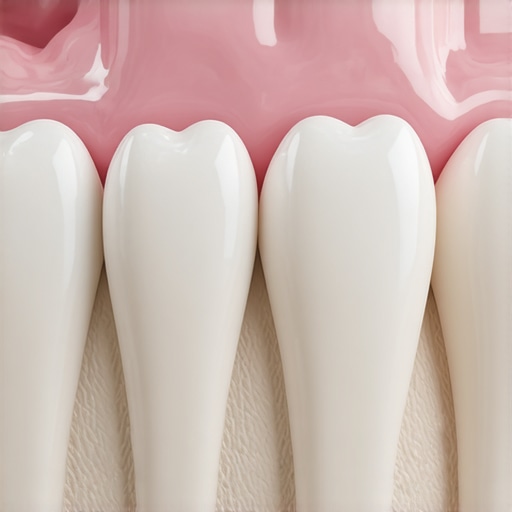
Don’t Ignore the Way Your Teeth Bite Together
One of the biggest ‘oops’ factors I see involves patients ‘toughing it out’ when a restoration feels slightly off. You might think you’ll just ‘break it in’ like a pair of shoes, but the specific reason your crown feels tall when you wake up is often due to microscopic misalignments. This ‘high bite’ causes your jaw muscles to overcompensate during sleep, leading to muscle fatigue or even crown fractures. This isn’t just about comfort; it is about the biomechanical integrity of your whole mouth.
Is Invisalign Really Just for Simple Straightening?
I often hear the contrarian view that clear aligners are ‘orthodontics-lite.’ The hidden nuance is that Invisalign actually requires more expert oversight than traditional braces for certain movements. If you notice why your invisalign aligners keep popping off your back teeth, it is a clear signal that the biomechanical ‘tracking’ is failing. It isn’t a situation to ignore; it means the tooth isn’t following the digital plan. Understanding invisalign myths debunked is critical because success depends 90% on patient compliance and 10% on the plastic itself. Following family dentistry secrets maintaining oral health with modern techniques means recognizing that these tools are medical devices, not just cosmetic accessories. Have you ever fallen into this trap of thinking a dental fix was ‘set it and forget it’? Let me know in the comments.To keep these results for more than just a few months, you have to upgrade your toolkit. I used to be a string-floss purist until I realized I was consistently missing the margins on my back molars. If you really want to protect your investment, you need to master the trick to using a water flosser without making a total mess. I personally use a countertop model because the reservoir allows for a full ninety-second session, which is the sweet spot for flushing out the bacteria that hide under crown edges. Research published in the Journal of Clinical Dentistry has shown that water flossing can be up to 29% more effective than traditional string floss for plaque removal. This is especially true if you are trying to figure out the specific way to floss under a fixed dental bridge or around complex hardware. Using lukewarm water instead of cold also prevents that sudden jolt if why your new crown feels sensitive to cold drinks is a concern for you.
How do I maintain these results for the next decade?
Long-term success with crowns and Invisalign isn’t about one big effort; it is about the mundane habits. For my Invisalign patients, I always emphasize the best way to travel with aligner cleaner in your carry-on. If you skip cleaning for even two days because you are on a flight, you are inviting biofilm to harden on your teeth. It is the same logic we apply in family dentistry secrets maintaining oral health with modern techniques—consistency beats intensity every time. You also need to be careful with temporary phases; knowing how to floss around a temporary crown without pulling it off can save you an emergency trip back to the chair on a Sunday morning. 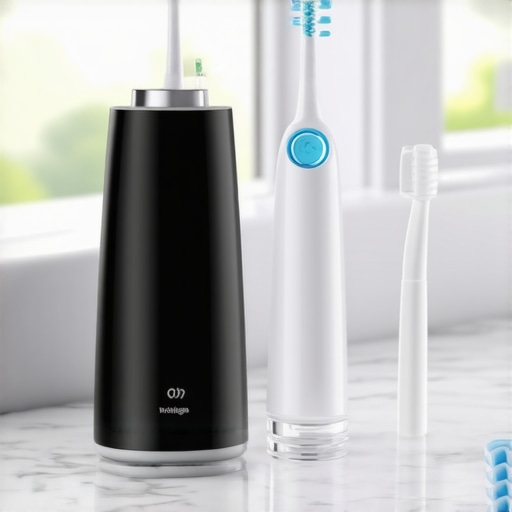 I predict that in the next five years, we will see a total phase-out of physical impressions in family dentistry. We are already moving toward a reality where why finding the best dentistry in Culpeper VA usually starts with a 3D CBCT scan because the precision of a digital map is unparalleled. This technology is exactly what drives invisalign innovations the future of family dentistry revealed at 1137 am, allowing us to simulate your final smile before we even order your first tray. Understanding why crowns are a game changer in restorative dentistry starts with realizing they are custom-engineered shields, and when paired with AI-driven diagnostics, the ‘human error’ factor of a tall bite or a loose fit disappears. If you want to start today, try my favorite advanced tip: use a mirror and a dedicated spotlight when you floss at night for just one week. You will be shocked at the hidden spots you have been missing.
The Hardest Lesson I Learned About Permanent Restorations
I used to think that once a tooth was fixed, it was done. But the real secret is that the work only starts when you leave the office. If you are debating crowns vs veneers which is better for your smile, remember that both require a commitment to hygiene that goes beyond the standard brush-and-floss routine.
Another lightbulb moment for me was realizing that invisalign vs braces which solution fits your lifestyle depends entirely on your daily habits, not just the complexity of your teeth. My third lesson? Never underestimate the power of a digital baseline; how invisalign transforms family dentistry in 2025 is through precision that the human eye simply can’t catch alone. Finally, those scary purple gums in kids are almost always a sign of progress, not a disaster, provided you keep the area clean and bacteria-free.
My Go-To Toolkit for a Lifetime of Smiles
If you want to avoid the common pitfalls we’ve discussed, I recommend three specific resources. First, master the trick to using a water flosser without making a total mess; it is the single best way to clear debris from crown margins. Second, I highly recommend checking the American Academy of Pediatric Dentistry’s parent guides for developmental milestones—they are my bible for knowing what’s normal. Third, always prioritize offices that utilize advanced imaging because why finding the best dentistry in Culpeper VA usually starts with a 3D CBCT scan is all about seeing the “invisible” problems before they cause pain.
Take Charge of Your Family’s Dental Journey
At the end of the day, your role isn’t to be a dental expert, but to be a vigilant observer. Whether you are helping a teething toddler or managing your own restorative work, staying informed is what prevents emergencies. By applying these top oral health tips for your family’s bright smiles, you are building a foundation that lasts decades, not just until the next checkup. Your proactive care is the best gift you can give your family’s future smiles. Have you ever noticed a strange spot in your child’s mouth or felt like a new dental restoration just wasn’t sitting right? Let me know in the comments below!