
The best age to bring your child for their first dental visit

I sat there in my living room, clutching a lukewarm coffee, while my three-year-old flashed a grin that revealed a tiny dark spot on her molar. My heart did a slow-motion somersault. I’d been told—somewhere, by someone—that dental visits weren’t a thing until kids were ready for school. Boy, was I misinformed. That “wait and see” approach is exactly how I ended up frantic, Googling what to do when your child knocks out a baby tooth early or searching for why your child’s breath smells even after they brush. I felt like a failure in the dental department. Today, I’m pulling back the curtain on the real timeline for modern family dentistry so you don’t have to experience that same midnight panic I did. We are going to settle the “when” and “why” once and for all. It’s about building a foundation for a lifetime of health. [IMAGE_PLACEHOLDER]
Forget the Old Rules About Baby Teeth
My biggest blunder was treating baby teeth like they were disposable. I figured they’d just fall out anyway. Why stress over something that is going to be replaced by age seven? I thought they were just trial runs for the permanent set. I was wrong. Those tiny teeth are essential placeholders. They guide the adult teeth into position. They are the blueprint for their future smile. According to the American Academy of Pediatric Dentistry, you should schedule that first visit by their first birthday or when that first little nubbin of a tooth appears. It sounds incredibly early. I know. I felt like I was bringing a literal infant to a place built for adults with sharp tools and clinical white coats. But getting ahead of things means you can discuss preventive measures like why your child needs a dental sealant on their molars before those deep grooves start trapping sugar and bacteria. I learned the hard way. Prevention is much cheaper than restorative work. It is also much less stressful for the child’s nervous system.
Is a One-Year-Old Visit Truly Necessary?
You’re probably thinking exactly what I thought: “They only have four teeth! What is the dentist even going to do?” It is a valid fear. You don’t want to waste your time or your money. You certainly don’t want to scare your child for no reason. However, these early visits are less about the heavy-duty dental chair. They are what we call “happy visits.” They help desensitize your child to the clinical sounds. They get used to the bright overhead lights and the high-pitched hum of the tools. They learn the smells. When we wait until age four or five, the first visit often happens because something already hurts. That’s a recipe for a lifelong phobia. Plus, these early check-ups are the best time to get professional advice on habits that keep parents up at night, like how to stop your child from sucking their thumb for good or managing the transition to fluoride toothpaste. Have you ever felt like you were accidentally “behind the curve” with your child’s health milestones? If you have been putting it off, you are definitely not alone.
Build a Bulletproof Routine at Home
Transforming dental care from a chore into a habit requires more than just a toothbrush and a prayer. I learned this the hard way when I realized my daughter was basically ‘painting’ her front teeth with paste and ignoring everything else. To get it right, you have to treat brushing like a team sport. Start by using the ‘tell-show-do’ method. Tell them what you are doing, show them on your own teeth, and then do it on theirs. It sounds simple, but consistency is the only way to avoid the dreaded ‘fuzzy teeth’ feeling that leads to decay. Incorporating top oral health tips for your family’s bright smiles into your daily flow makes the process feel less clinical and more like a standard part of the morning. 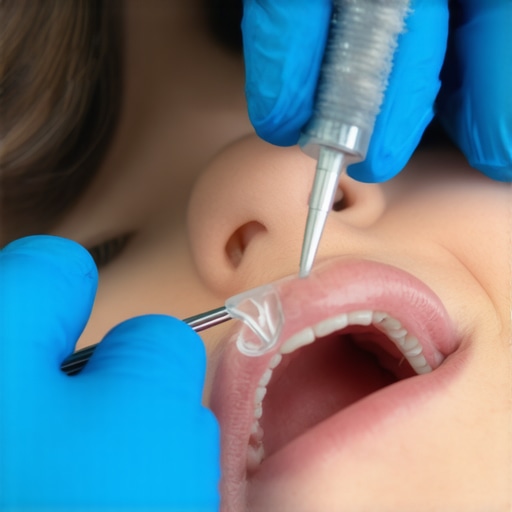
How to Tell When They Are Ready for Real Toothpaste
One of the biggest hurdles is the transition to fluoride. Most parents are terrified of their kids swallowing too much. I was convinced my toddler would treat it like a snack. The rule of thumb is simple: once they can reliably spit into the sink, you are in the clear. If you are still unsure, check out this guide on how to tell if your toddler is ready for fluoride toothpaste. We started with a smear the size of a grain of rice. It took us three weeks of ‘practice spitting’ with water before I felt comfortable moving up to a pea-sized amount. This gradual shift prevents the fluorosis spots that can happen when little ones ingest too much paste during those formative years.
Seal Out the Cavities Before They Start
Think of a dental sealant like a high-tech raincoat for a tooth. Molars have deep valleys and grooves that are basically magnets for food particles. Even the best brusher can’t always reach the bottom of those crevices. This is one of the family dentistry secrets maintaining oral health with modern techniques that saves you thousands in fillings later. When the dentist suggested sealants for my son, I hesitated, thinking it was an ‘extra’ I didn’t need. Then I saw a 3D scan of how deep his grooves actually were. We did the procedure—it’s painless and takes minutes—and he hasn’t had a single cavity in those teeth since. Understanding why your child needs a dental sealant on their molars is the difference between a quick check-up and a stressful filling appointment.
Modern Fixes for the Teenage Transition
As kids grow, the focus shifts from preventing cavities to managing alignment. This is where how invisalign transforms family dentistry in 2025 comes into play. It is no longer just for adults who want to look better in selfies. For teens, it means no broken wires during soccer practice and being able to eat popcorn without fear. If you are debating between invisalign vs braces which solution fits your lifestyle, consider the compliance factor. I recently helped a friend’s son who was struggling with a tray that wouldn’t sit right. We used the munchie technique to get the aligner perfectly in place, and it changed his whole outlook on the treatment. It’s these small, actionable adjustments that make modern dental tech work for a busy household.We often treat restorative work like a ‘set it and forget it’ solution, but that is the fastest way to land back in the chair. Take crowns, for example. Most people assume that once a tooth is capped, it is invincible. I used to think the same—that the porcelain was a suit of armor protecting me from future cavities. The contrarian truth is that the tooth structure underneath a crown is actually more vulnerable at the margin, where the porcelain meets your natural gum line. If you aren’t meticulous, bacteria can seep under that edge, leading to decay that you can’t even see until the crown literally falls off. This is why choosing the right crown expert advice for long-lasting results is about more than just the initial fit; it is about the long-term maintenance of that seam. According to a study in the Journal of Prosthodontic Research, marginal integrity is the primary factor in crown longevity, yet it’s the one thing patients ignore the most. 
Does Your New Crown Actually Fit Your Bite Pattern?
One of the most common ‘traps’ I see is patients ignoring a ‘high spot.’ You know the feeling—when you bite down and one tooth hits just a millisecond before the others. You might think you’ll just ‘wear it down’ or get used to it. Don’t. A crown that is even a fraction of a millimeter too high can cause localized trauma to the ligament, leading to the sensation that why your dental crown feels like it is vibrating or unexpected sensitivity. If you notice why your crown feels like it has a high spot only when you grind, you need an adjustment immediately to prevent a root fracture.
Stop Treating Invisalign Like a Cosmetic-Only Fix
We need to talk about the nuance of clear aligners. Many see it as a way to fix a ‘crooked’ smile for photos, but the real expertise lies in the functional bite. I’ve seen people focus so much on the front six teeth that they ignore how their molars are tracking. If your trays aren’t seated perfectly, you’ll see those dreaded ‘black triangles’ or find that why your invisalign aligners keep popping off your back teeth. This isn’t just a nuisance; it’s a sign that the tooth movement is stalling. Another nuance? Hygiene isn’t just about your teeth—it’s the trays themselves. If you’ve wondered why your invisalign trays are turning yellow even with regular cleaning, you might be accidentally trapping bacteria against your enamel for 22 hours a day, which completely defeats the purpose of family dentistry secrets maintaining oral health with modern techniques. Have you ever fallen into the trap of thinking a dental fix was ‘permanent’ only to have it surprise you later? Let me know in the comments.
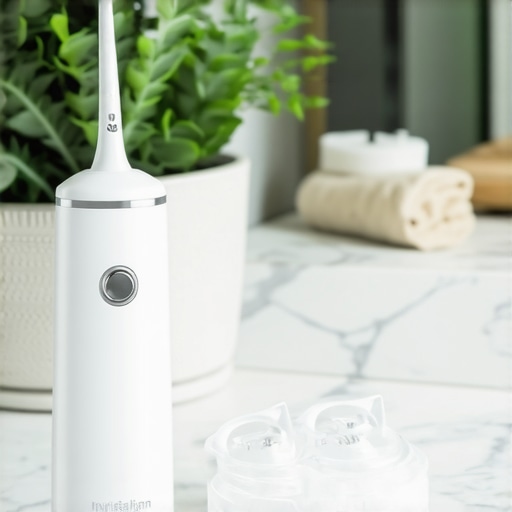
I used to be a purist—just a brush and some floss. But as I’ve added more “hardware” to my mouth, from a porcelain crown to my final set of Invisalign trays, I realized manual tools just aren’t enough for the deep nooks. I finally caved and bought a high-end water flosser. It wasn’t about being fancy; it was about efficiency. If you’ve ever struggled with traditional string around a bridge or a tight contact, you know the struggle. I had to learn the trick to using a water flosser without making a total mess. Pro tip: keep your mouth slightly open and look at the sink, not the mirror. This tool is non-negotiable for my crowns because it flushes out the marginal gap I mentioned earlier, where a toothbrush simply can’t reach. It protects the investment I made when choosing the right crown expert advice for long-lasting results.
How do I maintain these dental investments over time?
The real work starts after the braces come off or the crown is cemented. For my Invisalign journey, I realized that the yellowing wasn’t just a cosmetic issue—it was a biofilm issue. I started using the vinegar soak that safely sanitizes your retainers and guards once a week to keep things surgical-grade clean. According to a study published in the Journal of Clinical Medicine, ultrasonic cleaners combined with mild acids like white vinegar are significantly more effective at removing Streptococcus mutans than brushing alone. If you are still scrubbing your trays with a regular toothbrush, you are likely creating micro-scratches that actually give bacteria more places to hide. This is why how invisalign transforms family dentistry in 2025 includes a much heavier focus on chemical sanitization over mechanical scrubbing.
Scanning the Future of Family Dental Health
I also keep a close eye on my children’s development using high-resolution photos on my phone. We’re moving toward a world where teledentistry isn’t just a buzzword. I predict that within the next five years, most family dentistry trends improving oral health for all ages will revolve around AI-powered apps that scan your teeth for early demineralization. Imagine catching a cavity when it’s just a soft spot instead of waiting for a toothache. This level of family dentistry secrets maintaining oral health with modern techniques allows us to be proactive rather than reactive. If you want to keep your smile looking as good as the day the work was finished, you need to look closer. Check your gums in the back. If you notice the reason your gums bleed only in the back of your mouth, don’t ignore it. It’s usually a sign that your reach isn’t quite far enough. I challenge you to try the vinegar soak method on your night guard or retainer tonight—you’ll be shocked at how much fresher it feels tomorrow morning.
What I Learned While Sitting in the Waiting Room
Dental health isn’t a final destination; it’s a series of small, intentional habits that prevent big problems later. One of the biggest shifts in my perspective happened when I stopped viewing dental visits as ‘damage control’ and started seeing them as maintenance. I realized that many people ignore how to tell if your gums are receding from brushing too hard, but once that tissue is gone, it doesn’t just grow back. I also learned that investing in the ultimate guide to crowns for a healthier smile isn’t just about the individual tooth—it’s about preserving your jaw bone and facial structure for the long haul. My biggest ‘lightbulb moment’ was seeing how how to fix the black triangle gaps that appear after braces could restore not just a smile, but a person’s entire sense of confidence. Modern family dentistry is about the person, not just the procedure.
[IMAGE_PLACEHOLDER]
My Daily Toolkit for a Zero-Cavity Household
Keeping a family on track requires more than just willpower; it requires the right tools to make the job easier. Here is what I keep in our medicine cabinet to ensure we stay ahead of the curve:
- The High-End Water Flosser: This was a game-changer for reaching deep gaps. Once you master the trick to using a water flosser without making a total mess, you’ll never go back to string alone.
- Non-Abrasive Sanitizers: To keep our aligners and mouthguards clear, I skip the toothpaste and stick to the best way to clean a mouthguard so it stays fresh using gentle soaks that don’t scratch the plastic.
- Educational Awareness: I regularly check for family dentistry trends improving oral health for all ages to see if there are new fluoride treatments or sealant techniques that fit our needs.
Give Your Family the Gift of a Worry-Free Smile
You don’t have to be a dental expert to cultivate a healthy mouth; you just have to be consistent and proactive. By focusing on top oral health tips for your family’s bright smiles, you are building a legacy of health that will benefit your children well into their adult years. We live in an era where family dentistry secrets maintaining oral health with modern techniques are more accessible than ever, taking the fear out of the clinical chair and replacing it with confidence. Start today by making that first appointment or trying a new flossing technique—your future self will thank you for the effort you put in now. Have you ever had a ‘lightbulb moment’ regarding your family’s dental routine?