
How to stop your child from swallowing toothpaste
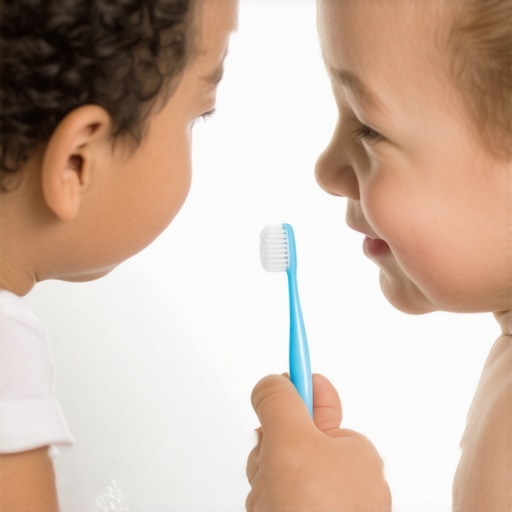
I remember the exact moment I realized my three-year-old wasn’t just brushing his teeth; he was treat-testing the toothpaste. I leaned over the bathroom sink and watched in slow-motion horror as he sucked a bright blue glob of bubblegum-flavored paste straight off the bristles like it was a gourmet popsicle. My heart sank. I’d spent so much energy worrying about toddler cavities that I’d completely overlooked the fact that he was essentially snacking on fluoride. It was a messy, frothy wake-up call that sent me spiraling into research mode. Today, I’m sharing how I moved past that panic to find a routine that actually works for us, ensuring his family oral health stays on track without the upset stomach.
Why I Stopped Panicking and Started Planning
When I first started this journey, I made the classic rookie mistake: I used a massive, adult-sized dollop of paste because I thought more bubbles meant better cleaning. I was wrong. Early on in my family dentistry journey, I learned that less is almost always more. We’re going to solve this gulping problem today by breaking down the ‘smear’ technique, choosing the right flavors, and using a bit of behavioral psychology that even a stubborn preschooler can’t resist. Have you ever caught your little one hiding in the corner with a tube of Tom’s, looking like they just discovered a secret stash of candy? It’s a common struggle, but it doesn’t have to be your daily reality. [image_placeholder]
Is a little bit of swallowed paste really that dangerous?
This is the question that kept me up at night. While a tiny bit isn’t usually an emergency, consistent ingestion can lead to dental fluorosis—a condition where white streaks appear on the permanent teeth. According to the American Academy of Pediatrics, the risk is real if children regularly consume more than the recommended pea-sized amount before their adult teeth are fully formed. This is why the truth about fluoride is so important for every parent to understand. It’s a tool, not a snack, and managing that boundary is our job as the ‘toothbrushing CEOs’ of the house.
Better Habits for Your Little One’s Smile
Transitioning away from the ‘toothpaste buffet’ started with a shift in how I presented the brush. I realized that if the toothpaste tastes like a dessert, I can’t really blame a toddler for wanting to eat it. We had to find a balance between a flavor they’d tolerate and a texture that didn’t feel like a treat. It’s about setting the stage for a lifetime of good habits without the power struggle.
Master the Grain of Rice Method
The single most effective change I made was shrinking the portion size. If you are still using a pea-sized amount for a two-year-old, you are actually using too much. For kids under three, think smaller—like a single grain of rice. I remember the first time I did this; my son looked at the brush, then at me, then back at the brush with utter betrayal. He thought I was being stingy. I had to explain that this was ‘power paste’ and a little bit goes a long way. This tiny amount is enough to provide protection without being enough to cause an upset stomach or contribute to fluorosis.
Hide the Paste Inside the Bristles
Instead of plopping the paste on top like a cherry on a sundae, I started loading the brush. Use your finger or the tip of the tube to press the smear deep into the bristles. This makes it significantly harder for a toddler to simply lick the paste off in one go. It forces the paste to actually interact with the teeth as they brush. Implementing these family dentistry secrets turned our mornings from a snack session into actual cleaning.
Avoid the Dessert Flavor Trap
We live in an era of sparkle fun and marshmallow flavored pastes. While these are great for the trick to getting your baby to accept a toothbrush initially, they can backfire. If the paste tastes like a treat, they will treat it like food. I eventually transitioned to a very mild, boring mint. It was not an overnight success—there were definitely some dramatic sighs—but it helped him realize that brushing is a hygiene task, not a snack break. If you notice the reason your childs breath smells like fruit even an hour after brushing, they are likely still swallowing a significant amount of that sugary-tasting residue.
Turn the Sink into a Waterfall
Teaching a toddler to spit is like teaching a cat to fetch—it feels impossible until you find the right motivation. We started the Waterfall Game. I would have him lean his head way down, almost touching the porcelain, and tell him to let the tooth bubbles fall out like a waterfall. I would make splashing sounds, and suddenly, he was more interested in the gravity of the bubbles than the taste of the paste. This physical positioning is a key part of the truth about fluoride management; if their head is tilted back, gravity sends the paste down the throat. If they lean forward, it goes into the sink. This simple shift in posture drastically reduced his intake.
Keep the Tube Out of Reach
This sounds obvious, but it is the one I failed at most often. I would leave the tube on the counter while I went to grab a towel, and I would come back to find him trying to squeeze it like a snack. Now, the toothpaste lives in a high cabinet. I am the only one who handles the power paste. By maintaining control of the supply, you ensure they are not getting extra doses when you are not looking, which is the best way to prevent how to tell if your toddler has a cavity between their back teeth from becoming a regular concern at your checkups.
But here is where things get even more nuanced as we grow up. Most people think once they graduate from toddler smears to adult checkups, the rules are simple: brush, floss, repeat. But that’s a dangerous oversimplification. In my years of obsessing over family oral health, I’ve realized that the ‘set it and forget it’ mentality is the biggest trap of all, especially when it comes to restorative work like crowns or aligners.
The Myth of the Invincible Crown
Everyone seems to think that once you get a crown, that tooth is ‘safe’ forever. I used to believe this too, thinking of it like a suit of armor. In reality, a crown is only as good as its margin. A study published in the Journal of Dentistry highlights that the survival rate of restorations is heavily dependent on marginal adaptation—essentially, how tightly that cap fits against your natural gum line. If that seal isn’t perfect, or if you neglect flossing, bacteria can sneak underneath. This is often the reason your crown smells bad when you floss around it, signaling that the ‘invincible’ shield is actually harboring a hidden problem. It is vital to check out the ultimate guide to crowns for a healthier smile to understand that these aren’t permanent shields, but high-maintenance tools.
Why does my dental work fail when I follow the rules?
It’s the most frustrating feeling in the world. You brush twice a day, yet the dentist tells you a restoration is failing. Often, the ‘oops’ factor here is occlusion—your bite. If your bite is even a fraction of a millimeter off, you are essentially hammering that tooth every time you chew. If you don’t learn how to stop your new crown from feeling too high when you chew, you risk fracturing the porcelain or damaging the root beneath. We often focus so much on the hygiene that we forget the physics of our mouths.
Invisalign is Not Just for Straight Teeth
Another common mistake I see is the belief that clear aligners are purely cosmetic. When I looked into invisalign myths debunked, I found that the real value lies in function, not just a ‘perfect’ smile. Crooked teeth are harder to clean, leading to higher rates of decay. However, the trap here is the ‘compliance gap.’ People think they can wear them for 18 hours instead of 22 and get the same result. They can’t. That missing four-hour window allows teeth to ‘bounce,’ creating micro-trauma that slows down the whole process. Have you ever fallen into this trap or felt like your dental work should be doing more of the heavy lifting? Let me know in the comments below.
I used to think my sonic toothbrush was a magic wand that solved every problem. But then I noticed that even with the best tech, I was still struggling with the move to stop a crown from trapping food every time you eat steak. It turns out, specialized restorative work requires specialized tools. If you have a crown, a standard nylon brush might reach the surface, but it rarely hugs the margin where decay actually starts. This is why a reactive mindset—only fixing things when they hurt—is the most expensive way to handle your teeth.
How do I maintain complex dental work over time?
The key isn’t just brushing harder; it’s about mechanical precision and flushing out the hidden spaces. I personally switched to a high-quality water flosser because it flushes out the ‘micro-debris’ that manual floss often misses, especially around bridges or implants. According to a report in the International Journal of Computerized Dentistry, the precision of modern CAD/CAM restorations—those crowns designed and milled by computers—is incredible, but they still rely entirely on the patient’s ability to keep the surrounding gingival tissue healthy. If you aren’t choosing the right crown expert advice for long-lasting results, you might be fighting a losing battle against chronic inflammation without even knowing it.
Invest in an Interdental Brush Instead of Toothpicks
If you’ve ever felt that ‘fuzzy’ feeling around your gums even after brushing, you need an interdental brush. I use the tiny, pine-tree-shaped ones for my back molars because they can physically scrub the concave surfaces of the teeth that floss just slides over. They are much safer than wooden toothpicks, which can splinter or actually cause gum recession if used aggressively. This is one of those family dentistry secrets maintaining oral health with modern techniques at 254 pm that most people overlook because it’s not a ‘fancy’ gadget, but it’s the gold standard for preventing bone loss around expensive dental work.
Don’t Let Your Trays Become a Biohazard
For my Invisalign users, the biggest hurdle to long-term success isn’t the movement of the teeth; it’s the ‘tray funk.’ If you don’t learn how to clean the gunk out of your invisalign aligners, you’re essentially soaking your teeth in a concentrated bacteria bath for 22 hours a day. I recommend using a dedicated ultrasonic cleaner—the same kind used for jewelry—with a gentle cleaning tablet. It vibrates at a frequency that breaks up biofilm that manual scrubbing just can’t touch. Keeping your trays crystal clear isn’t just about aesthetics; it’s about preventing the enamel demineralization that happens when plaque is trapped against the tooth surface for weeks on end.
Why Tomorrow’s Dentistry is Already Here
Looking ahead, I see a massive shift toward AI-integrated oral health and remote monitoring. We are moving toward invisalign innovations the future of family dentistry revealed at 1137 am where your smartphone can scan your trays to check for movement accuracy in real-time. This is the future of family dentistry trends improving oral health for all ages: less time sitting in the clinical chair and more real-time data in your hands. Try this tonight: Swap your traditional floss for a sized interdental brush on just your back three molars. You will be shocked by what your regular brush has been leaving behind in those tight gaps!
The Hardest Lessons I Learned Managing My Familys Smiles
If there is one thing this journey has taught me, it is that family oral health is a marathon, not a sprint. I used to think that a quick brush was enough, but I learned the hard way that missing the fine details leads to expensive repairs. One of my biggest lightbulb moments was realizing that crowns are not indestructible shields. I had to investigate the reason your crown smells bad when you floss around it to understand that the seal at the gum line is where the real battle happens. Similarly, with invisalign, I learned that the 22-hour rule is non-negotiable. Skipping even a few hours doesn’t just stall progress; it actually lets the teeth shift back, which can cause discomfort when you finally put the trays back in. Most importantly, I realized that my toddlers relationship with the sink sets the tone for their adult life. If it feels like a chore or a snack, they won’t value it as hygiene. Making it a game wasn’t just about fun; it was about survival.
My Essential Toolkit for Lasting Oral Health
Over the years, I have narrowed down the specific tools that actually make a difference in our daily routine. I no longer rely on just a standard toothbrush and hope for the best. I’ve incorporated these into our lives to ensure we’re following top oral health tips for your familys bright smiles. First, a dedicated ultrasonic cleaner for aligners and retainers is essential to prevent that cloudy buildup. Second, I always keep a pack of various-sized interdental brushes on hand; they are the only things that truly solve why your teeth feel fuzzy even after you just brushed them thoroughly. Finally, I recommend a high-quality water flosser, which is especially helpful for flushing debris from under bridges or around the margins of new dental work. [image_placeholder_final]
Your Next Step Toward a Lifetime of Health
Taking control of your family dentistry needs doesn’t have to be overwhelming. It starts with that single grain of rice on a toddlers brush or the decision to finally how to clean the gunk out of your invisalign aligners properly every night. Every small action you take today prevents a major procedure tomorrow. Don’t be afraid to change your habits, even if you’ve been doing things the same way for years. Your smile is a living part of you, and it deserves that extra minute of precision. Have you ever struggled with getting your toddler to stop treat-testing their toothpaste, or found a secret trick to keep your own dental work feeling fresh? Let me know in the comments below!