
The trick to getting your baby to accept a toothbrush
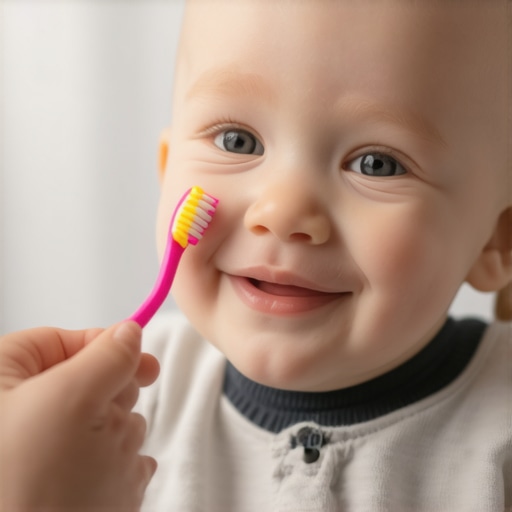
I vividly remember the first time I tried to shove a silicone finger brush into my daughter’s mouth. It was a Tuesday. She was ten months old. I had all the best intentions, having read every book on family dentistry secrets, but the moment that bristles-tipped plastic touched her lips, she clamped down like a vault. My “neighborly” smile vanished. I panicked. I thought, “If I can’t do this now, how am I ever going to handle it when she needs invisalign or potential crowns later in life?” My biggest early mistake was thinking of it as a chore rather than a game. I turned it into a high-stakes standoff, and I lost every single time. Today, I’m going to show you exactly how to break that cycle of resistance so you can stop worrying about how to tell if your toddler has a cavity.
Turn Brush Time Into the Best Part of Their Day
The struggle is real. You’re exhausted, they’re cranky, and the last thing anyone wants is a plastic stick poking around their gums. But here’s the thing: those tiny baby teeth are the placeholders for their future adult smile. According to the American Academy of Pediatric Dentistry, tooth decay is the most common chronic childhood disease, yet it is almost entirely preventable. If we don’t get this right now, we’re setting them up for a lifetime of oral health hurdles. I used to think I was the only one failing at this until I saw my neighbor literally chasing her two-year-old around the yard with a Spongebob toothbrush. It’s a universal parenting rite of passage. Have you ever felt like you were actually losing the battle of the bristles?
Is This Nightly Struggle Truly Necessary?
You might be wondering if it’s okay to just skip a night when the tantrum gets too loud. I’ve been there, staring at the floor, wondering if those baby teeth are really worth the emotional tax. The short answer is yes. Neglect now leads to why your child’s gums look swollen later. But the secret isn’t more force; it’s more finesse. We need to stop acting like dental drill instructors and start acting like playmates. In the next few minutes, I’ll share the techniques that finally worked for me after months of how to stop your toddler from swallowing a mouthful of toothpaste disasters. Let’s get into the practical steps that will save your sanity.
Stop the Brushing Battle with the Two-Brush Trick
The most effective strategy I ever stumbled upon was the distraction hand-off. Instead of fighting for control over a single brush, give your child their own to hold. While they are busy brushing their tongue or chewing on the handle, you use a second brush to actually get the work done. It’s a classic misdirection. If you follow top oral health tips for your family’s bright smiles, you’ll find that toddler cooperation is 90% psychology and 10% technique. I remember one frantic Monday night when my daughter simply refused to open up. I handed her a spare brush, started brushing her favorite stuffed dinosaur’s teeth, and suddenly she was wide-eyed and eager to show me she could do it too. It turned a ten-minute scream-fest into a two-minute victory.
Why Baby Teeth Need a Protective Helmet
Think of your child’s teeth as little explorers. They are constantly under attack from sugars and bacteria. In adult dentistry, why crowns are a game-changer in restorative dentistry is because they act like a protective helmet for a weakened tooth. For a toddler, we don’t have permanent crowns yet, but we have enamel protection. If we let that enamel wear down now, we aren’t just looking at a tiny cavity; we are compromising the space for their future adult teeth. This is exactly how invisalign transforms family dentistry in 2025—by managing space and alignment early. But you can’t align teeth that have been lost prematurely to decay.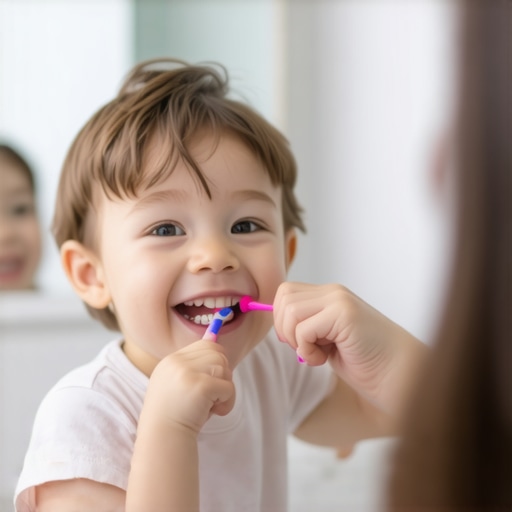
Keeping the Toothpaste Inside the Mouth
The fear of fluoride ingestion is real for every parent. We want the protection, but we don’t want them eating the tube. Stick to a smear the size of a grain of rice. This is a critical part of the truth about fluoride and your child’s health. It provides enough minerals to harden the enamel without being a risk if swallowed. If your child is older or has sensory sensitivities, you might even consider the safest way to use an electric toothbrush on sensitive teeth to make the process feel more like a vibrating massage than a scrubbing chore. I’ve found that high-quality brushes make a massive difference in how the child perceives the sensation.
The Mirror Mimicry Move
Kids want to be just like us, for better or worse. I started brushing my teeth at the same time as my daughter, standing on a stool next to me. I made exaggerated sounds and showed her how I reached the very back molars. This mimicry isn’t just cute; it’s functional. When they see you taking your oral health seriously, they stop seeing brushing as a punishment. It becomes a grown-up privilege. One night, she even tried to help me by sticking her tiny brush in my mouth. It was messy, and I definitely got toothpaste on my nose, but the barrier of fear was officially broken.Most people treat their mouth like a car: if there’s no ‘check engine’ light or sudden noise, they assume everything is running smoothly. This is the single most dangerous mistake in family dentistry secrets. In reality, pain is a lagging indicator. By the time you feel a sharp twinge or a dull throb, the decay has likely already bypassed the protective enamel and reached the sensitive pulp. I’ve seen countless patients avoid the chair for years because they felt ‘fine,’ only to eventually require extensive crowns for structural damage they couldn’t see in the mirror. A study published in the Journal of Dentistry highlights that proactive restorative work is nearly 70% more likely to save a natural tooth long-term compared to reactive, emergency-based treatment. If you wait for the ‘oops’ moment, you’ve usually waited too long.
Why Pain is the Worst Metric for Your Teeth
One of the biggest contrarian truths in dental care is that a truly healthy mouth shouldn’t feel like anything at all. If you start searching for how to manage a crown that feels sensitive to air or cold liquids, you are often dealing with an exposed nerve or a failing margin. The nuance most people miss is that ‘silent’ issues, like micro-fractures and sub-gingival plaque, are the real culprits behind adult tooth loss. This is why choosing the right crown expert advice is so vital; it’s not just about covering a hole in your tooth, it’s about restoring the mechanical integrity of your bite before the tooth splits. 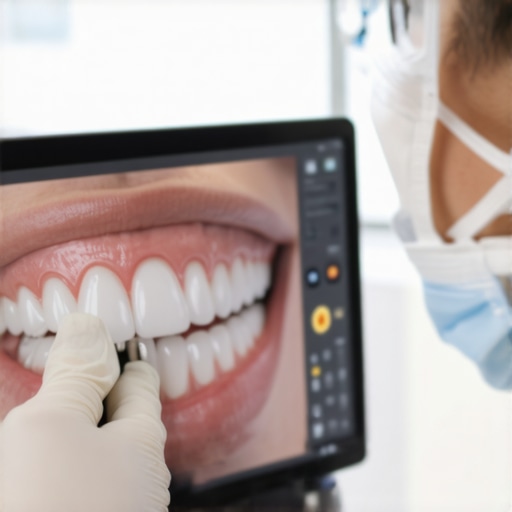
The Danger of the Occasional Aligner Habit
When it comes to modern orthodontics, the primary ‘trap’ usually revolves around the 22-hour rule. Many adults think they can leave their trays out for a long business dinner and just ‘wear them a little longer’ the next day. This simply doesn’t work. The biological process of bone remodeling triggered by the hidden benefits of invisalign for family dental care in 2025 requires constant, steady pressure to remain effective. If you are constantly removing them, you’re putting your teeth in a state of ‘periodontal ligament limbo.’ Not only does this stop your progress, but it can also cause the trays to stop ‘tracking’ correctly, which is one of the most frequent invisalign myths debunked. You also have to be vigilant about tray hygiene, or you’ll quickly be searching for how to stop your invisalign trays from turning yellow because of trapped sugars and bacteria.
Why Does My New Crown Feel Taller Than My Other Teeth?
It is a common advanced concern: you receive a beautiful new restoration, but it feels like a literal mountain in your mouth when you bite down. This usually isn’t because the material is ‘too thick,’ but rather because your brain is capable of sensing even a few microns of difference. However, if the sensation doesn’t settle within 48 hours, you need to know how to stop your new crown from feeling too high when you chew. An improper bite—or ‘high occlusion’—can lead to severe jaw fatigue and even further damage to the opposing teeth. This level of detail—adjusting the bite to the micrometer—is what separates a standard procedure from the expert results seen in invisalign innovations and high-end restorative care. Have you ever fallen into the trap of waiting until it hurt to call the dentist? Let me know in the comments.
The Specialized Gear That Actually Changed My Routine
I used to think a manual toothbrush was ‘good enough’ until I looked at the data on plaque removal. I switched to a sonic-powered brush specifically because it has a light that flashes red if I press too hard. I realized I was scrubbing like I was cleaning a patio, which is a major factor in the reason your gums are receding despite good brushing habits. For my kids, we use a version that connects to an app; it gamifies the process so they aren’t just swirling paste around, they are actually hitting every quadrant. It’s one of the top oral health tips for your family’s bright smiles that actually sticks because it removes the ‘parent vs. child’ power struggle. 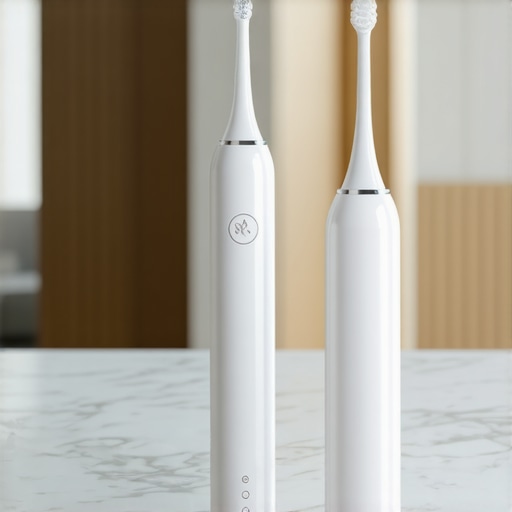
How can I maintain my dental work over years of use?
The secret to making a restoration last isn’t just brushing; it’s managing the friction. If you have a bridge or multiple crowns, you need a high-volume water flosser. String floss is great, but it often misses the tiny ‘pockets’ where a crown meets the gumline. I personally use a water flosser every night before bed because it flushes out the debris that manual flossing misses. If you don’t stay on top of this, you’ll eventually deal with the reason your crown smells bad when you floss around it, which usually indicates bacterial buildup at the margin. For those of us in aligners, maintenance means more than just rinsing. You need to know how to clean the gunk out of your invisalign aligners using specialized crystals or gentle soaps—not toothpaste, which can actually scratch the plastic and make it look cloudy.
Why Digital Scanning is Replacing Those Goopy Trays
Looking ahead, the future of oral health is entirely digital. We are moving away from those thick, gag-inducing impression molds and toward 3D intraoral scanners that create a perfect map of your mouth in seconds. This isn’t just about comfort; it’s about precision. These scans allow for invisalign innovations where we can predict tooth movement with a degree of accuracy that was impossible ten years ago. This technology also ensures you are choosing the right crown expert advice by allowing the lab to mill a restoration that fits your bite perfectly on the first try. I predict that within five years, your dentist won’t just look at your teeth; they’ll compare your current 3D scan to last year’s scan to detect wear patterns before you even feel a chip. According to a systematic review published in the Cochrane Database of Systematic Reviews, electric toothbrushes provide a significant 11% reduction in plaque and a 6% reduction in gingivitis compared to manual brushes over a three-month period. It’s a small hardware upgrade that pays massive dividends. Go check your toothbrush bristles right now—if they are splayed out or frayed, they aren’t cleaning your teeth effectively. Swap that head out tonight!
What Nobody Tells You About Keeping Your Family’s Teeth Healthy
Over the years, I have realized that the most successful dental journeys aren’t about having perfect genes; they are about consistency and the right perspective. One major lightbulb moment for me was realizing that preventive care is much easier on the wallet and the nerves than emergency fixes. For example, staying informed on family dentistry trends allows you to catch issues like crowding or enamel wear before they become painful. Another hard-won lesson is that you shouldn’t let fear dictate your choices; if you are worried about braces, reading up on invisalign myths debunked can help you see how comfortable modern solutions have become. Finally, remember that your child’s attitude toward the chair starts with your own. If you treat your check-ups as a form of self-care, they will too.
The Maintenance Kit That Keeps My Smile Bright
I am often asked what tools actually make a difference in a daily routine. First and foremost, a high-quality electric toothbrush is non-negotiable for effectively removing plaque without damaging gums. For those who have existing dental work, using specialized tools is essential for longevity. If you have restorations, following the ultimate guide to crowns will help you understand why a water flosser is your best friend for reaching under margins. I also recommend a gentle whitening approach, specifically learning how to safely whiten teeth to maintain aesthetics without causing sensitivity. These tools, combined with regular professional cleanings, are the secret to avoiding the ‘check engine’ light moments in your mouth.
Take the First Step Toward a Fearless Dental Future
Embracing a proactive approach to your oral health is one of the best gifts you can give yourself and your children. Whether you are navigating the toddler years or looking for choosing the right crown expert advice for your own smile, the technology and techniques available today are designed to make the process smoother than ever. Don’t wait for a toothache to prioritize your family dentistry needs. The future of your smile is built in the two minutes you spend at the sink tonight and the expert partnerships you build today. #IMAGE_PLACEHOLDER_E#
What is the one dental habit you’ve found hardest to stick with lately? Let me know in the comments below!