
The safest way to use an electric toothbrush on sensitive teeth
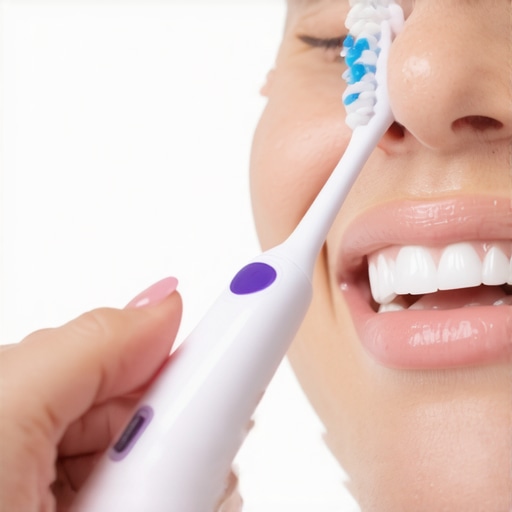
The first time I switched to a high-end electric toothbrush, I thought I had made a massive mistake. I stood in front of my bathroom mirror, pressed the power button, and within three seconds, I felt a sharp, electric zing shoot straight through my canine tooth. It felt like a tiny bolt of lightning had decided to strike my jaw. I nearly dropped the brush into the sink. For someone with sensitive teeth, that high-frequency vibration felt less like a cleaning tool and more like a miniature jackhammer. I went back to my old manual brush for a week, convinced that my gums just werenot built for modern dental tech. But eventually, I realized the tool wasnt the problem—it was my approach.
Stop Fearing the Vibration and Start Brushing Smarter
I realized later that I was scrubbing my teeth like I was trying to get a stubborn stain out of a garage floor. If you have ever wondered why your gums are receding despite brushing twice a day, you probably know that sinking feeling of overdoing it. We want that deep-clean feeling, but our nerves are screaming enough! Today, I am going to show you exactly how I transitioned from manual-only to using a sonic brush every single day without a single wince or eye-watering moment. We are going to fix your technique so you can finally get the benefits of family dentistry secrets without the discomfort. Whether you are trying to manage sensitivity after a deep root planing session or you just have naturally thin enamel, there is a way to make this work for you. Have you ever had to stop brushing halfway through because your teeth simply could not take the vibration anymore?
Is an Electric Brush Actually Worth the Risk?
I get it. You are skeptical. Why invite more vibration when even a cold glass of water hurts? But the truth is, the data supports the switch. A comprehensive study by the Cochrane Library found that electric toothbrushes resulted in an 11% reduction in plaque after just one to three months of use compared to manual brushes. The trick is making the technology work for your sensitivity, not against it. If you have ever felt why your teeth ache for the first two days of a new aligner tray, you know that oral discomfort can ruin your whole mood. My biggest mistake early on was ignoring the specialized settings and going full power immediately. We are going to break down why that is a recipe for disaster and how to ease your mouth into a better routine.
Transition to Sonic Brushing Without the Pain
To make the switch successfully, you have to stop thinking of your toothbrush as a manual tool and start treating it like a precision instrument. If you go in with the same ‘sawing’ motion you used for twenty years, you are going to irritate your nerves. Instead, think of it like a professional car polisher; you let the machine do the work while you simply guide it along the surface.
Pick the Gentlest Brush Head Available
Most high-end brushes come with a ‘standard’ head that is far too stiff for someone with thin enamel or exposed roots. I learned this the hard way when my bathroom sink looked like a crime scene every morning. You need to swap that out for a ‘Sensitive’ or ‘Extra Soft’ head immediately. Often, the reason your gums bleed only when you use a firm toothbrush is that the bristles are essentially micro-scratching your delicate gum tissue. Soft bristles on a high-frequency setting are actually more effective at breaking up biofilm than stiff bristles used manually because the vibrations create fluid dynamics that reach between the teeth.
The Hover Technique Saves Your Enamel
This was the game-changer for me. Instead of pressing the bristles against your teeth, you want them to barely graze the surface. I call it the ‘Hover Technique.’ You move the brush in a slow, steady path, spending about three seconds on each tooth. If you press too hard, many modern brushes will pulse or light up to warn you. If you ignore those warnings, you are contributing to why your gums are receding despite brushing twice a day. 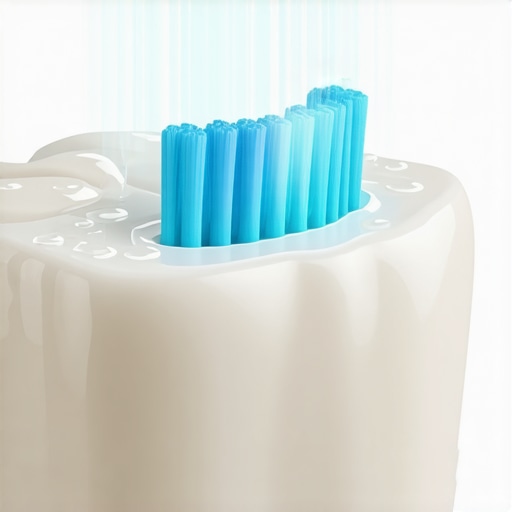 I remember a Tuesday morning about six months ago when I was in a rush and reverted to my old scrubbing habits with my electric brush. By lunchtime, my lower molars felt like they were vibrating on their own. It took two days of using a manual brush just to calm the inflammation down. It was a stark reminder that with great power comes the need for much lighter pressure.
Navigate Around Dental Work with Care
If you have recently invested in restorative work, you might be extra jumpy. When I got my first molar cap, I was convinced the sonic pulses would rattle the cement loose. I actually searched for why your dental crown feels like it is vibrating and found out that it’s usually just the material conducting the sound differently than natural enamel. If you are also dealing with why your new crown feels sensitive to cold drinks, start by using the ‘Sensitive’ mode on your brush, which reduces the stroke frequency. The same applies to orthodontics. While some invisalign myths debunked suggest you can’t use electric tools, the reality is that they are excellent for keeping those attachment bumps clean, provided you aren’t jamming the brush head into the plastic or your sore gums. Just guide the bristles around the perimeter of the attachments, and let the sonic waves do the heavy lifting.
While mastering your sonic toothbrush technique is a massive win, the real experts know that oral health involves more than just cleaning—it is about understanding the mechanical balance of your mouth. Most people treat a new crown as a ‘set it and forget it’ fix, but that is a dangerous myth. In my experience, the material of the crown matters far less than the precision of the bite. If you feel like your bite is slightly off, do not wait for it to ‘settle.’ Ignoring that sensation is the biggest ‘oops’ factor in restorative dentistry.
Stop Waiting for Your New Crown to Settle In
The most common mistake I see is patients assuming a slight discomfort is normal. If you are wondering what to do when your crown feels taller than your other teeth, the answer is simple: call your dentist immediately. According to the Journal of Prosthetic Dentistry, even a few microns of occlusal interference (a high bite) can lead to ligament inflammation or even a fractured crown over time. It is a precision game, and being ‘mostly right’ isn’t enough for long-term success. You should be choosing the right crown expert advice to ensure your restoration doesn’t just look good, but functions perfectly within your unique bite path.
Why Does My Crown Feel Significantly Higher in the Morning?
This is a sophisticated question many patients overlook. Often, the specific reason your crown feels tall when you wake up is related to nocturnal bruxism (teeth grinding). When you grind your teeth at night, the periodontal ligament around the crowned tooth can become inflamed and slightly ‘push’ the tooth up. It isn’t that the crown grew overnight; it’s that your jaw is under stress.  This nuance is why family dentistry secrets often include a night guard as a mandatory companion to any major restorative work. Have you ever fallen into the trap of thinking a high crown would just wear down on its own? Let me know in the comments.
The Functional Reality of Clear Aligners
Another area where the ‘nuance’ is often lost is with clear aligners. Everyone thinks they are just for a straighter smile in selfies. However, the true benefit is functional. Invisalign myths debunked usually reveal that properly aligned teeth are easier to clean and distribute chewing forces more evenly, protecting your enamel from premature wear. If you find why your teeth ache for the first two days of a new aligner tray to be a deterrent, remember that this discomfort is actually the bone remodeling itself to support a healthier, more sustainable bite. It is not just about the look; it is about keeping your natural teeth for a lifetime. Whether you are transforming your smile or just maintaining what you have, understanding these advanced nuances will keep you ahead of the curve.
Once you have moved past the initial learning curve of sonic brushing and bite adjustments, the real work begins: long-term maintenance. I used to think that once a crown was seated or an Invisalign treatment was finished, the hard part was over. I was wrong. The secret to choosing the right crown expert advice for long-lasting results is realizing that the restoration is only as good as the foundation you maintain around it. If you let plaque build up at the margin where the crown meets the tooth, you are asking for trouble.
Master the Messy Art of Water Flossing
For years, I avoided water flossers because I ended up soaking my bathroom mirror every time I turned the machine on. But after a deep dive into family dentistry secrets, I realized I was using it wrong. You don’t look in the mirror; you lean over the sink and keep your lips slightly parted. I personally use the Waterpik Aquarius because it has a specialized ‘Plaque Seeker’ tip designed specifically for restorations. If you want to know the trick to using a water flosser without making a total mess, remember to always point the tip at a 90-degree angle to your gum line and follow the curve of each tooth. According to a clinical study published by the American Academy of Periodontology, the use of a water flosser in conjunction with manual brushing is 51% more effective at reducing gingivitis than traditional string floss. 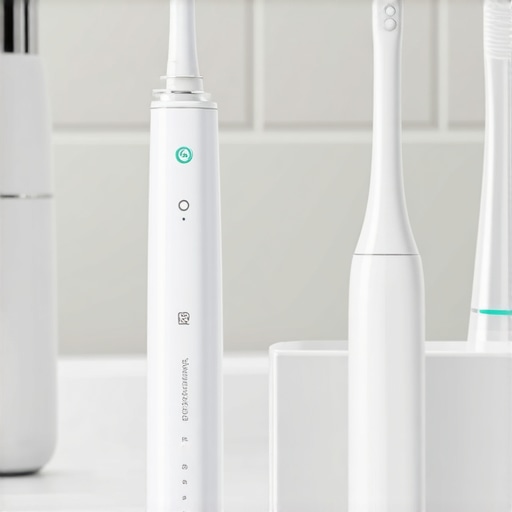
Keep Your Night Guard From Smelling Like a Salad
If you are protecting your new crowns or aligner results with a night guard, hygiene is non-negotiable. I have seen too many people ruin a $500 guard by using harsh chemicals. I recommend a simple soak in a mix of distilled water and a single cleaning tablet designed for orthodontics. If you don’t stay on top of it, you’ll eventually be searching for how to clean a night guard that has started to smell like vinegar. A clean guard prevents the ‘biofilm bridge’ where bacteria move from the guard back to your teeth, increasing the risk of cavities under your expensive dental work.
Can You Actually Make a Crown Last Thirty Years?
The short answer is yes, but it requires mechanical vigilance. You need to be aware of the reason your crown feels tight after flossing, which often indicates slight movement or inflammation. As we look toward the future, Invisalign innovations and 3D-printed ceramic restorations are making these tools more durable than ever. I predict that within the next decade, we will have ‘smart’ crowns that can alert your phone if they detect a change in acidity or a micro-crack. For now, we rely on the top oral health tips for your family’s bright smiles to bridge the gap.
Your Next Move for a Lifetime Smile
The single most effective thing you can do tonight is to try the ’90-degree pulse’ method with your water flosser. Don’t just spray randomly; pause for two seconds at each interdental space. It feels like a mini-massage for your gums and ensures your why crowns are a game-changer story stays a success story for decades rather than years.
Moving from the mechanical stress of traditional brushing to the precision of modern tools can feel like learning a new language. But once you speak it fluently, your mouth will thank you for years. It is about moving beyond the ‘scrubbing’ mindset and embracing a strategy that protects your investment in your health.
The Expensive Lessons My Dentist Finally Taught Me
Over the years, I have realized that the most valuable dental advice is rarely about the biggest procedure, but the smallest habits. Here are the lightbulb moments that changed everything for me:
- Enamel is harder than bone but not invincible. I used to think ‘the whiter, the better,’ until I learned the truth about charcoal toothpaste and your enamel health. Abrasive trends can strip away the very protection your teeth need to resist sensitivity.
- Listen to the ‘tightness.’ If you have a restoration, the reason your crown feels tight after flossing is usually a signal that inflammation is starting. Catching it early with a salt-water rinse or better technique saves you an emergency visit.
- Expertise matters more than hardware. You can buy the most expensive brush in the world, but without choosing the right crown expert advice for long-lasting results, you are just putting a band-aid on a foundation that needs professional alignment.
Gear That Actually Keeps My Gums Happy
I don’t believe in cluttering the bathroom counter with every gadget on the market. Instead, I rely on a few specific tools that align with family dentistry secrets for longevity. First, always keep a stash of extra-soft tapered brush heads; they reach into the sulcus (the gap between tooth and gum) where standard heads fail. Second, master the trick to using a water flosser without making a total mess by keeping your head down and the pressure low—it’s the only way to effectively flush under bridges and around aligner attachments. Finally, keep a dedicated cleaning kit for your night guards to prevent bacterial buildup that can lead to unexpected decay.
Your Path to a Pain-Free Smile Starts Tonight
Taking care of your teeth shouldn’t feel like a chore or a source of anxiety. By slowing down your brushing speed, using the right pressure, and following the top oral health tips for your family’s bright smiles, you can enjoy the benefits of modern dentistry without the ‘zing’ of sensitivity. You have the tools and the technique; now it is just about consistency. Have you ever felt a sharp ‘zing’ from your electric brush and almost gave up on it? Tell me your story in the comments below!