
The best way to eat corn on the cob with a dental bridge
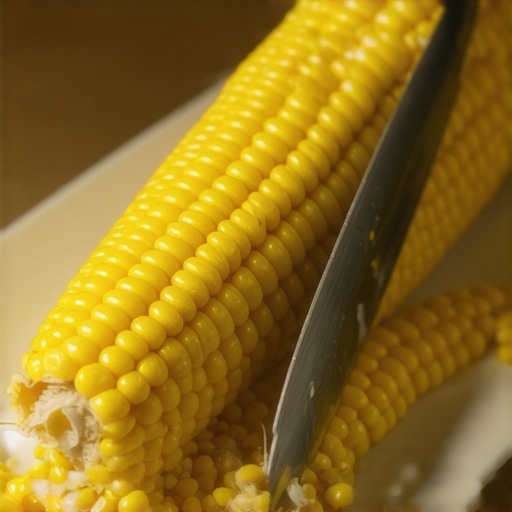
I will never forget the sound. It was not the crisp pop of a perfectly grilled kernel. It was a dull, terrifying thud that vibrated straight into my jawbone during my neighbor’s annual summer bash. There I was, halfway through a buttery ear of corn, when I felt my dental bridge shift just a fraction of a millimeter. My heart dropped faster than a dropped hot dog. I spent the next twenty minutes in the bathroom, sweating, trying to figure out if I had just caused a multi-thousand-dollar catastrophe. That was the day I realized that while a bridge is a miracle of modern restorative dentistry, it is not a license to be reckless. We have all been there—staring at a platter of golden corn and wondering if the first bite will be our last for that prosthetic. Today, I am going to share the hard-won techniques I have developed so you can enjoy the flavor of summer without the anxiety of an emergency visit.
Stop Attacking the Cob Like a Hungry Squirrel
The biggest mistake I made early on—and trust me, it was a painful and expensive lesson—was assuming my bridge could handle the same shearing force as my natural teeth. According to the American Dental Association, dental bridges are remarkably strong but are primarily designed for vertical pressure rather than the lateral ‘ripping’ motion we use when eating corn. I used to dive right in, teeth first, until I realized I was basically using my expensive dental work as a crowbar. If you have ever felt that weird pressure or a slight clicking, you might even start wondering how to tell if your dental bridge needs to be replaced because of one bad decision at a picnic. In the world of modern family dentistry, we are lucky to have these restorations, but they do not always come with a manual for the BBQ pit. The trick isn’t giving up the corn; it is changing your angle of attack. You have to be smarter than the vegetable.
Is it actually worth the risk to eat it on the bone?
You might be thinking, ‘Why don’t I just cut it off the cob and save myself the stress?’ And honestly, for some, that is the safest bet. But there is something about the ritual, right? The salt, the butter, the mess. However, if you are not careful, you will end up searching for the easiest way to get sticky food out from under a dental bridge or, worse, dealing with the pain of a popcorn kernel stuck deep in your gums. Have you ever had that moment of panic where a piece of food feels like it is fused to your bridge? Tell me I am not the only one who has had a minor breakdown over a kernel! We are going to dive into the ‘Knife Method’ and the ‘Side-Bite’ technique that changed everything for me, but first, let us talk about why your bridge is more vulnerable than you think.
Think Vertical Not Horizontal to Save Your Bridge
Think of your dental bridge like a high-end suspension bridge; it is engineered to withstand incredible downward force, much like the weight of a car. However, if you hit it with a lateral ‘swinging’ force, you risk compromising the anchors. When you bite directly into a cob, you are creating a lever effect that tries to pull your bridge away from its abutment teeth. I remember a humid August afternoon at my sister’s graduation party where I forgot this rule. I took a massive bite of a sweet corn ear and felt a sickening ‘tug.’ It didn’t break, but the anxiety was enough to make me research why your crown feels sensitive to cold months after it was placed because I was sure I’d loosened the seal. To avoid this, you must prioritize vertical pressure. If you are choosing the right crown expert advice for long-lasting results, they will tell you that the bond is strongest when you bite straight down, not when you pull or twist.
The Side-Bite Strategy That Saved My Summer
Instead of using your front teeth—which is where many bridges are located—you need to relocate the action to your natural molars. I call this the ‘Stealth Side-Bite.’ By turning the corn cob 90 degrees and using your back teeth to graze the kernels off, you bypass the bridge entirely. The first time I tried this, I looked a bit like a woodchipper, but it worked perfectly. My bridge remained untouched, and I still got that satisfying crunch. If you’ve recently had work done, you might need to learn how to stop your new crown from feeling too high when you chew before you get comfortable with this technique. It takes practice to find the right ‘sweet spot’ in your mouth where the corn hits your natural teeth without putting any torque on the prosthetic. 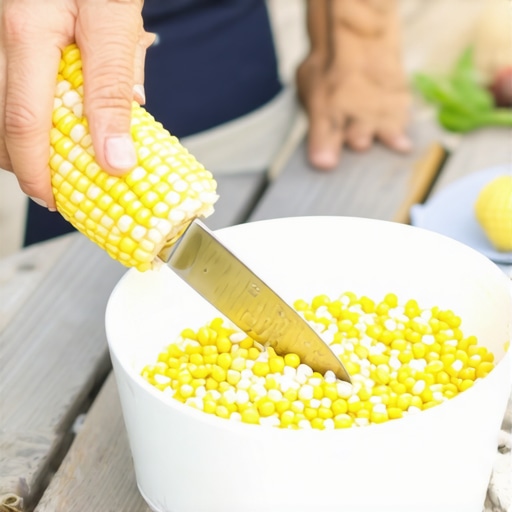
When to Give Up the Ghost and Grab a Knife
There is no shame in the ‘Shave and Scoop’ method. In fact, if your bridge is older or if you are already following top oral health tips for your family’s bright smiles, you know that prevention is better than an emergency repair. Use a sharp steak knife to slice the kernels vertically into a bowl. You still get the fresh, charred flavor without any of the mechanical stress. This is also the best way to prevent the dreaded ‘kernel trap.’ Nothing ruins a meal faster than searching for the easiest way to get sticky food out from under a dental bridge while your friends are finished with dessert. I once spent an entire evening with a piece of husk wedged under my pontic, and believe me, it was far more embarrassing than using a knife and fork at a picnic.
Keep the Debris Out of the Gap
The space between your bridge and the gumline is a magnet for corn husks and silken threads. Unlike natural teeth, you cannot always floss through the contact points. If you do brave the cob, you must be prepared for the aftermath. Corn is notoriously fibrous, and those fibers can act like sandpaper against your gums if they get stuck. You do not want to end up needing the safest way to remove a popcorn kernel stuck deep in your gums because you were too aggressive with a toothpick later. Carry a portable water flosser or specialized interproximal brushes to the BBQ. It sounds overkill until you feel that first sharp jab of a kernel casing. By managing the physical bite and the cleanup, you can keep your smile intact and your bridge secure for many summers to come.While we are talking about corn-on-the-cob safety, let us peel back the layers on a myth I hear all the time: the idea that a crown is a ‘set it and forget it’ solution. Many of my friends think once the porcelain is bonded, the tooth underneath is essentially in a vault. This is the biggest ‘Permanence Trap’ in restorative dentistry. In reality, the margin—that tiny line where the crown meets your gum—is the most vulnerable real estate in your mouth. A study published in the Journal of Oral Rehabilitation suggests that while restorations are durable, the biological seal at the margin is the primary failure point over time. If you have ever wondered why your crown feels sensitive to cold months after it was placed, it is often because that seal isn’t as impenetrable as we would like to believe. One ‘oops’ factor I see constantly is the ‘over-cleaning’ mistake. People get so paranoid about the crown that they scrub the gumline with a hard-bristled brush, which actually causes the gums to recede and exposes the margin further. This leads to the exact situation where you are looking for the safest way to clean a dental crown that feels sticky because bacteria have started to find a foothold. It is a delicate balance. Have you ever fallen into this trap of thinking your dental work was invincible? Let me know in the comments.
Can modern aligners actually fix a bite that feels ‘off’ from old crowns?
This is a sophisticated question I get from readers who feel their bite has shifted over the years. When you have multiple restorations, your occlusion (the way your teeth meet) can become a moving target. Some think they are stuck with a wonky bite once the crowns are in, but invisalign innovations are proving that we can often move teeth even with existing dental work. However, there is a nuance: the movements must be planned so they do not put excessive torque on the bridge abutments. If you are choosing the right crown expert advice for long-lasting results, they will tell you that the sequence matters. You do not want to straighten your teeth only to find how to stop your new crown from feeling too high when you chew becomes your new full-time job. The hidden danger of the ‘perfect’ smile is complacency. We focus on the aesthetics of crowns vs veneers, but the real secret to family dentistry secrets is maintaining the foundation. 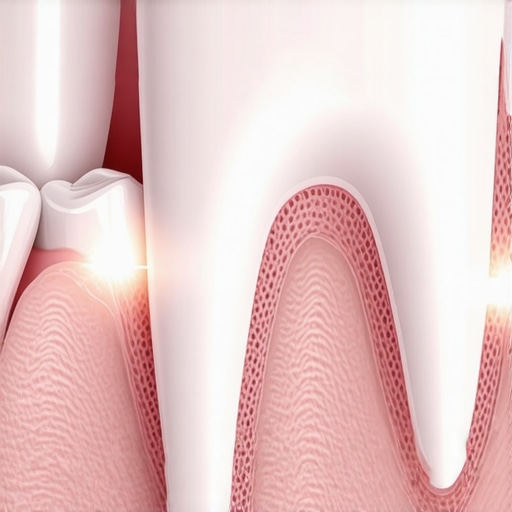 Even with the ultimate guide to crowns, the best tool in your kit is knowing when a sensation isn’t just ‘new’ but ‘wrong.’ Don’t ignore the dull ache; it is the only way your tooth can talk to you.
The Gear That Keeps My Smile From Falling Apart
I used to think a standard toothbrush and a box of waxed floss were enough to protect my dental work, but I was dead wrong. After my ‘corn cob incident,’ I went down a rabbit hole of professional-grade maintenance. If you want to avoid why your crown smells bad when you floss around it, you need more than the basics. My absolute non-negotiable is a high-quality water flosser. While standard floss is great for natural teeth, it often struggles to navigate the ‘dead zones’ beneath a bridge or the tight gaps of crowded teeth. I use mine on the ‘pulse’ setting because it physically dislodges the microscopic debris that creates that dirty feeling on your teeth at midday. It is not just about cleanliness; it is about preventing the gingival inflammation that eventually leads to bridge failure.
How do I maintain a complex restoration over time?
Consistency is the boring answer, but the way you clean matters more than the frequency. I personally swear by interproximal brushes—those tiny, Christmas-tree-looking things. They reach the nooks and crannies where a water flosser might miss a sticky biofilm. If you are also balancing orthodontic work, you know how to keep your breath fresh while wearing invisalign trays all day involves constant vigilance. I carry a small kit with me that includes these brushes and a travel-sized bottle of pH-balanced mouthwash. This prevents the ‘acid bath’ effect that happens when food gets trapped under your aligners or bridge. As Dr. Gordon Christensen of the Clinicians Report often emphasizes, the longevity of a restoration like a zirconia crown depends heavily on the meticulous management of the margin where the prosthetic meets the gumline. If that area stays clean, your investment stays secure. 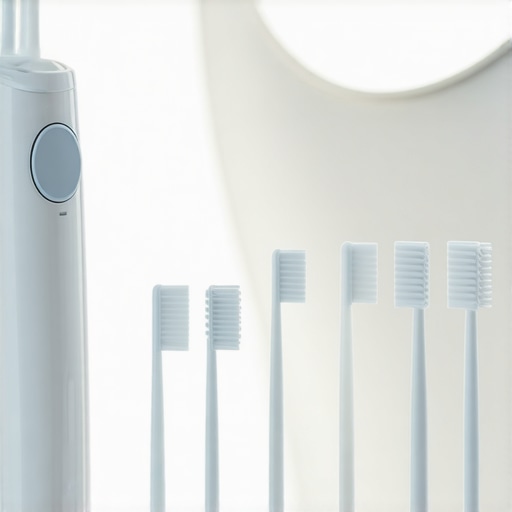
Don’t Just Floss Like Your Parents Did
If you are currently wearing aligners, you have probably wondered how to stop your invisalign trays from turning yellow or why they get that cloudy film. I’ve found that using ultrasonic cleaning pods—the same kind used for jewelry but designed for dental appliances—is a game changer. It vibrates the bacteria off at a frequency your toothbrush can’t match. This level of care is part of the invisalign innovations that make modern care so much easier than the metal-mouth days of the past. Looking ahead, I predict we will soon see AI-powered smartphone attachments that allow us to scan our own margins for micro-leaks, alerting us to issues before they become painful. For now, the best thing you can do is learn the safest way to clean a dental crown that feels sticky and stay ahead of the plaque. My challenge to you: pick up a pack of interproximal brushes this week and try cleaning the gap under your bridge or between your tightest molars—you will be shocked (and maybe a little grossed out) by what a standard toothbrush has been missing.
Three Realities of Restorative Work That Changed My Habits Forever
It took me years to realize that a bridge isn’t just a piece of porcelain; it’s a partnership between your hygiene habits and the materials themselves. One of my biggest lightbulb moments was realizing that the ‘set it and forget it’ mindset is a recipe for failure. If you want to know why crowns are a game changer in restorative dentistry, you have to respect the margin where the porcelain meets your natural gumline. Another lesson learned the hard way: the ‘Wait and See’ approach to sensitivity is dangerous. If something feels off, it probably is. I recommend reviewing the ultimate guide to crowns for a healthier smile to understand why early intervention saves your wallet and your jaw.
The Survival Kit I Keep in My Glovebox
I don’t leave the house without my ‘Bridge Defense Kit’ anymore. First, a handheld water flosser is non-negotiable—I trust the ones that offer a gentle ‘soft’ mode so I don’t blast the sensitive gum tissue. Second, interproximal brushes are the only way to truly scrub the underside of a pontic. I also keep a digital copy of top oral health tips for your family’s bright smiles on my phone for quick troubleshooting at parties. These aren’t just gadgets; they are the reasons I can still eat steak and corn without fear. Knowing how to keep your breath fresh while wearing invisalign trays all day also taught me that portable care is the only care that actually happens consistently. #IMAGE_PLACEHOLDER_E#
Your Smile Deserves the Extra Five Minutes of Care
Don’t let the fear of a loose bridge stop you from making memories at the next family gathering. We invest in transform your smile how crowns boost oral health confidence at 815 am so that we can live fully, not so we can sit on the sidelines. By applying family dentistry secrets maintaining oral health with modern techniques at 254 pm, you are doing more than just protecting a prosthetic; you are preserving your quality of life. Have you ever had a minor dental ‘scare’ at a party that changed how you eat? Share your story in the comments below!