
The reason your gums are receding despite good brushing habits
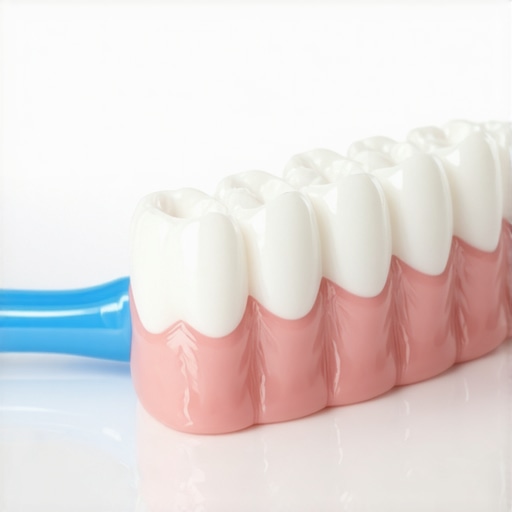
I’ll never forget the morning I noticed that my canine tooth looked… well, “longer” than the others. I was thirty-two, a fanatic about my oral hygiene, and I prided myself on never missing a session with my vibrating toothbrush. I thought I was doing everything right. But there it was: a tiny, sensitive notch at the gumline that sent a zing through my jaw every time I sipped cold water. It felt like a betrayal. I was doing the work, yet my gums were retreating like they were scared of my own mouth.
The Frustrating Paradox of the Over-Brusher
The truth is, many of us are actually too good at brushing, at least in terms of effort. We treat our teeth like we’re scouring a cast-iron skillet, but our gums are more like delicate silk. If you’ve noticed your smile changing despite your best efforts, you aren’t alone. Today, we are going to get to the bottom of why those gums are moving south and, more importantly, how to stop the retreat in its tracks. We’re moving past the basic advice and looking at the mechanical and biological reasons your “perfect” routine might be backfiring.
Is your toothbrush actually a secret weapon against your smile?
It sounds counterintuitive, right? How can the tool meant to save your teeth be the one destroying your gumline? Early in my journey, I made the classic mistake of thinking “firm” meant “cleaner.” I bought the stiffest bristles I could find and went to town. According to the American Academy of Periodontology, about 50% of adults over 30 have some form of periodontal disease, but a significant portion of recession cases in “healthy” mouths are caused by mechanical trauma—essentially, we are scrubbing our gums away. I spent years thinking I was following top oral health tips for your family’s bright smiles, only to realize I was committing “toothbrush abrasion.” If you use an electric model, you might even find the reason your gums bleed only when you use an electric toothbrush is that you’re pressing down too hard rather than letting the bristles do the work. Have you ever looked in the mirror and wondered why a specific tooth suddenly looks “older” or longer than the rest? It’s a jarring realization. [image_placeholder]
Why Perfect Hygiene Isn’t Stopping the Slide
It isn’t just about the physical scrubbing. Sometimes, the way our teeth are aligned or the way we sleep contributes to the issue. For instance, I found out that my nightly clenching was putting immense pressure on the thin bone supporting my gums. It’s a complex puzzle. You might be focused on the hidden reason your gums bleed even if you floss daily, but recession often happens silently, without any bleeding at all. If you’re using high-tech gear, you need to know the safest way to use an electric toothbrush on sensitive teeth to prevent further wear. We’re going to look at the “The Helpful Neighbor” approach to saving your smile—no judgment, just real talk on how to adjust your habits before you need a graft.
Stop the mechanical scrubbing before it’s too late
To fix my receding gums, I first had to unlearn everything I thought I knew about ‘clean.’ I used to hold my toothbrush like a hammer, gripping it with my whole fist as if I were about to scrub a dirty patio. My dentist gave me a life-changing tip: hold the brush with your fingertips, like a violin bow or a delicate pen. This naturally limits the amount of force you can apply. I remember the first week I tried this; my hand felt weak and awkward, and I kept wanting to revert to my old, aggressive ways. But within a month, the ‘zing’ in my sensitive tooth started to dull. If you struggle with this, you need to master the safest way to use an electric toothbrush on sensitive teeth to ensure you aren’t just vibrating the tissue away.
Hold your toothbrush like a pen, not a hammer
The goal isn’t to scrub; it’s to massage. Think of your gums as a delicate silk scarf rather than a rugged carpet. When I finally switched to a brush with a pressure sensor, I was shocked at how often the little red light flashed. I was consistently pressing three times harder than necessary. This over-activity is often the reason your gums bleed only when you use an electric toothbrush, as the high-speed oscillations combined with heavy pressure create a ‘sawing’ effect on the delicate attachment fibers. 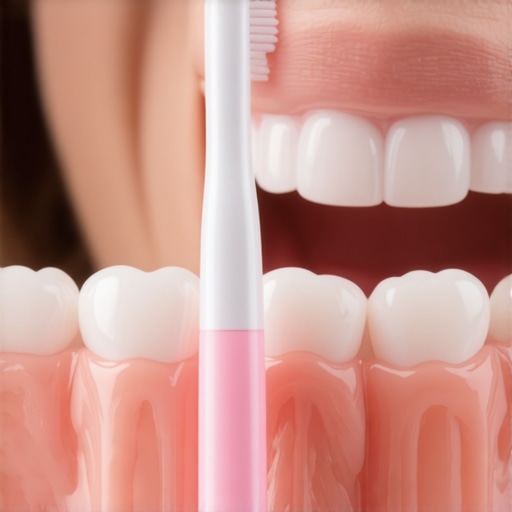
Fixing the structural pressure with modern alignment
Sometimes, the retreat isn’t your fault—it’s your bite. If your teeth are crowded or tilted, they don’t distribute the force of chewing evenly. I discovered that one of my bottom teeth was taking the brunt of every bite, literally being pushed out of its ‘socket’ of gum tissue. This is where looking into how Invisalign transforms family dentistry in 2025 becomes a medical necessity rather than a cosmetic choice. By aligning the teeth, you ensure that the pressure is shared across the entire arch, which allows the bone and gums to stabilize. It’s like redistributing the weight on a bridge; if one pillar takes all the stress, it’s going to crumble.
Why shifting your teeth can save your gumline
When teeth are properly aligned, they are much easier to clean. I spent years struggling with the best strategy for flossing when your teeth are tightly crowded, often snapping the floss and hitting my gums with a violent force that only made the recession worse. Straightening the path makes maintenance a breeze.
Protecting the exposed roots with restorative barriers
If the recession has already exposed the yellow-ish root (dentin), you can’t just ‘grow’ it back with a special toothpaste. At this stage, you need physical protection. For my canine tooth, the notch was so deep that even breathing cold air hurt. My dentist recommended a crown to act as a permanent shield. Understanding the ultimate guide to crowns for a healthier smile helped me realize that this wasn’t just a fix for a cavity, but a way to stop the root from decaying. If you’ve already had work done and notice new discomfort, it’s vital to know how to manage a crown that feels sensitive to air or cold liquids to prevent further gum irritation.
The nightly guard against silent damage
Finally, we have to talk about the ‘nightly grind.’ I was waking up with a sore face, which is usually what that dull ache in your jaw really means during stressful weeks. This clenching acts like a jackhammer on your gumline. I had to implement the move to stop your teeth from grinding during a stressful day and wear a custom night guard. It’s about creating a buffer so your body can’t destroy its own foundation while you sleep.
Why straight teeth are actually a medical necessity
Most people look at clear aligners as a cosmetic upgrade—a way to get that ‘perfect’ wedding photo or a boost in confidence. However, if you are battling recession, I want to challenge that belief. In my experience, and as highlighted in invisalign myths debunked, the real value of alignment is periodontal preservation. When your teeth are crowded, they create ‘biofilm bunkers’ where bacteria thrive, no matter how much you floss. A study published in the Journal of Periodontology confirms that malocclusion is a direct risk factor for increased pocket depths. By looking into how Invisalign transforms family dentistry in 2025, you aren’t just buying a straighter smile; you are creating a mouth that is physically capable of being cleaned.
Can shifting your teeth actually stop your gums from retreating?
Absolutely. When teeth are out of alignment, the ‘occlusal load’—the force of your bite—is uneven. This results in some teeth being hammered into the bone, which causes the gum tissue to pull away in a desperate attempt to escape the pressure. This is a nuance many miss: you can’t fix the surface (the gums) if the foundation (the alignment) is crumbling. Learning family dentistry secrets for maintaining oral health often involves realizing that your bite is a mechanical system that needs balance. [image_placeholder]
The high-crown trap you need to avoid
Here is a specific ‘oops’ factor I see far too often. You get a crown to protect a sensitive root, but when you leave the office, it feels just a tiny bit high. Your brain says, ‘I’ll get used to it.’ Do not fall into this trap. If you notice the specific reason your crown feels tall when you wake up, it means that single tooth is absorbing 100% of your clenching force at night. This ‘hyper-occlusion’ will accelerate gum recession faster than any toothbrush ever could. If you don’t address it, you’ll end up wondering why your crown feels sensitive to cold months after it was placed. It isn’t a new cavity; it’s the periodontal ligament screaming for relief.
Stop experimenting with DIY whitening on damaged gums
Another common mistake is trying to brighten a smile that is already structurally compromised. Many people use over-the-counter kits without realizing the danger of using whitening strips on a tooth with a filling or an exposed root. The chemicals can seep into the ‘notch’ at your gumline, causing permanent nerve damage. Have you ever fallen into the trap of trying to fix one problem only to create a much more expensive one? Let me know in the comments. We need to move away from ‘quick fixes’ and toward the family dentistry trends improving oral health that prioritize the biological health of your gums over temporary aesthetics.
The tech I use every night to stop the slide
After my initial scare with gum recession, I realized that good intentions weren’t enough; I needed better gear. The absolute game-changer for me was a water flosser with a specialized ‘perio’ tip. Unlike traditional string floss, which can sometimes be too abrasive if you have a heavy hand, a water flosser uses pulsating pressure to clear out bacteria without physical trauma. According to a systematic review by the Cochrane Oral Health Group, using these devices can significantly reduce gingival inflammation compared to manual flossing alone. When I combined this with the 2-minute habit that prevents morning breath better than mouthwash, my gum health transformed within three months. It wasn’t just about cleaning anymore; it was about protecting the delicate tissue from unnecessary friction.
Why your dentist needs a 3D map of your mouth
If you’re serious about monitoring recession, you can’t rely on a quick look in the mirror once a week. I’ve learned that why finding the best dentistry in Culpeper VA usually starts with a 3d cbct scan is because it allows for precision tracking. These scans create a digital baseline. Every year, my dentist can overlay a new scan on top of the old one to see exactly where the bone and tissue are moving—even by a fraction of a millimeter. This is the ultimate early warning system. If we see a shift, we can adjust my night guard or check for a ‘high’ spot on a tooth before the recession becomes visible to the naked eye. This kind of data-driven care is one of the many family dentistry secrets maintaining oral health with modern techniques that I wish I had known ten years ago. 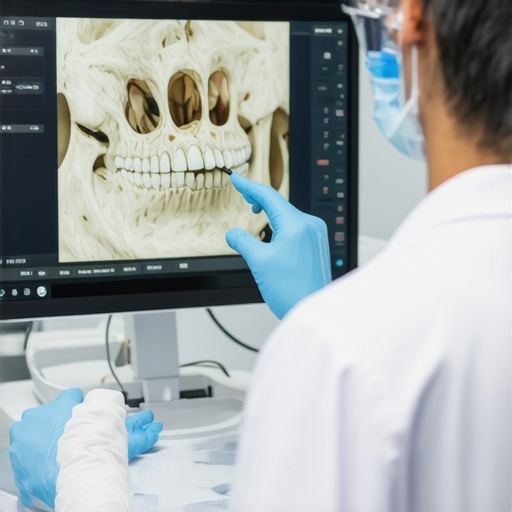
How do I keep my smile stable for the next decade?
Maintenance is a marathon, not a sprint. If you have crowns to protect those exposed roots, you have to be vigilant. I always recommend choosing the right crown expert advice for long lasting results because a poorly fitted margin will only trap more bacteria and accelerate gum retreat. If you’re using aligners to fix your bite and stop the pressure-related recession, you must stay disciplined. For example, knowing how to keep your aligners clear while drinking tea isn’t just about aesthetics; it’s about preventing the buildup of acidic residues that can irritate the gumline.
The future of your teeth is probably on your phone
Looking ahead, I see a massive shift toward digital home monitoring. We are already seeing the emergence of invisalign innovations and the future of family dentistry where patients use their smartphones to take weekly photos that are analyzed by AI to track tooth movement and gum health in real-time. This means we won’t have to wait for a six-month checkup to catch a problem; our phones will tell us the moment something looks off. My advice? Don’t wait for the technology to be perfect. Start by changing your physical approach today. Try the ‘pen-grip’ toothbrushing method tonight to instantly reduce the pressure on your gums—it’s the simplest, most effective way to start your recovery.
The shift from scrubbing to stabilizing my smile
I spent years thinking I could out-brush a structural problem. The biggest lightbulb moment was realizing that gums aren’t like skin; they don’t just callous and get tougher with friction—they just disappear. If you’ve been using high-pressure tactics, it’s time to pivot. I learned that my gums were retreating not because I was dirty, but because I was treatening them like a project to be conquered. For anyone feeling overwhelmed by their gumline moving, start with the low-hanging fruit. Switch your grip and look into modern family dentistry secrets that emphasize preservation over repair. If the damage is already done, exploring the ultimate guide to crowns for a healthier smile can give you a roadmap for physical protection. [image_placeholder]
The three tools that finally ended the ‘zing’
For the tools I trust: A water flosser with a specialized perio-tip is non-negotiable for anyone with tight teeth or existing recession. Unlike string, it flushes the pocket without the risk of a physical ‘snap’ that can tear delicate fibers. I also recommend a brush with a visible pressure sensor—it’s like having a dental coach in your hand. Finally, always ask for a digital baseline; 3D CBCT scans in Culpeper VA are the gold standard for tracking bone health long before you can see a recession in your bathroom mirror. Having that data is far more empowering than guessing if your tooth looks ‘longer’ than it did last year.
Your gums don’t have to keep retreating
Recession feels like an uphill battle, but it’s one you can win by changing your strategy from aggressive cleaning to mechanical balance. Whether you choose to address alignment via Invisalign in 2025 to fix an uneven bite or simply stop the mechanical scrubbing tonight, your future self will thank you for the intervention. Consistency in these small adjustments is the only way to hold the line and keep your natural teeth for a lifetime. Have you ever been told by a hygienist that you’re an ‘aggressive brusher’? Let me know how you adjusted your routine in the comments below!