
What that dull ache in your jaw really means during stressful weeks
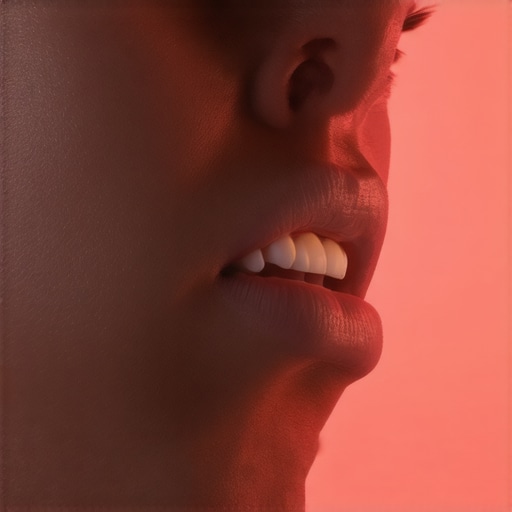
I will never forget the Tuesday night I sat at my kitchen table, nursing a lukewarm cup of tea and wondering why the left side of my face felt like it had been through a boxing match. I was convinced a molar was dying. I spent hours googling symptoms, certain I needed a root canal or at least one of those crowns for a healthier smile. But when I finally saw my dentist, he didn’t reach for the drill. He looked at my worn-down enamel and asked, “How has work been lately?” That was my lightbulb moment. My body wasn’t failing; it was reacting to a three-week deadline by turning my jaw into a biological nutcracker. I was literally gritting my teeth through my problems, and my jaw was screaming for a break.
My jaw was killing me—and it wasn’t a cavity
We often think of stress as a mental burden, but it has a nasty habit of manifesting physically in the most uncomfortable places. For me, it was Bruxism—the medical term for grinding and clenching. I made the specific mistake early on of buying every “sensitive” toothpaste on the shelf, thinking I had developed a sudden allergy to cold water. In reality, I was putting hundreds of pounds of pressure on my teeth every night. If you have ever noticed that your jaw clicks more when you are feeling tired, you know exactly the kind of exhaustion I am talking about. It is a physical fatigue that makes even talking feel like a chore by 5:00 PM.
Today, I want to help you untangle why this happens and, more importantly, how to break the cycle before you do permanent damage. According to the American Dental Association, stress is a leading trigger for TMD (temporomandibular disorders), affecting millions of people who don’t even realize they are doing it. It isn’t just “in your head”—it is a physiological response. Have you ever caught yourself clenching your teeth while stuck in traffic or during a difficult phone call? I would love to hear if you have found a trick to catch yourself in the act.
Is this just a fancy way to say I am stressed out?
It is easy to be skeptical. You might think your teeth are just sensitive or that you have a random earache. I used to be the same way until I realized the move to stop your teeth from grinding during a stressful day was actually about muscle awareness, not dental strength. Your jaw is one of the most powerful muscle groups in your body. When your sympathetic nervous system—your “fight or flight” mode—is stuck in the ‘on’ position, those muscles stay contracted. It is like doing a bicep curl for eight hours straight; eventually, that muscle is going to throb. Learning family dentistry secrets for maintaining oral health taught me that the pain is a signal to slow down, not just a nuisance to be ignored.
When the pressure mounts your teeth pay the price
Leaving this jaw tension unchecked is where the real trouble starts. I waited too long and actually ended up with a hairline fracture in a molar, which was a very expensive lesson in self-care. Stress-related jaw pain is the warning light on your dashboard. If we don’t address the clenching now, we are looking at flattened teeth, receding gums, and chronic tension headaches that no amount of aspirin can touch. It is about more than just comfort; it is about protecting your smile for the long haul. Let’s look at what is actually happening under the surface when you bite down hard on those daily worries.
Stop the clench before it cracks a tooth
The first step in saving your smile isn’t a complex surgery; it’s a mental reset of your muscle memory. Think of your jaw like a high-performance engine. If you constantly redline it without shifting gears, eventually a gasket is going to blow. In dental terms, that ‘blown gasket’ is a fractured cusp or a worn-down joint. To avoid this, you need to master the move to stop your teeth from grinding during a stressful day, which is actually a lot simpler than you think.
The simple tongue trick that resets your muscles
I remember sitting in a high-stakes quarterly review last year, feeling my molars practically welded together as the CEO asked about our missed targets. Right then, I used a technique my dentist taught me: place the tip of your tongue against the roof of your mouth, just behind your front teeth, as if you are starting to say the letter ‘N.’ When your tongue is in this position, it is physiologically impossible for your teeth to touch. I sat through the rest of that hour-long meeting with my jaw slightly slack, hidden behind my mask, and for the first time in months, I didn’t leave the office with a tension headache. It felt like hitting the ‘mute’ button on my physical stress.
Why a night guard is your best insurance policy
While the tongue trick works during the day, your subconscious takes over at night. This is where most of the damage happens. A custom night guard acts like a shock absorber for your mouth. Without one, you are essentially letting two tectonic plates grind against each other for eight hours. Once you get one, maintenance is key to keeping your breath fresh. Learning how to clean a night guard that has started to smell like vinegar is essential because a dirty guard can lead to gum irritation or even localized infections. It’s a small price to pay to keep those powerful masseter muscles from destroying your enamel while you dream.
Fixing the foundation with modern alignment
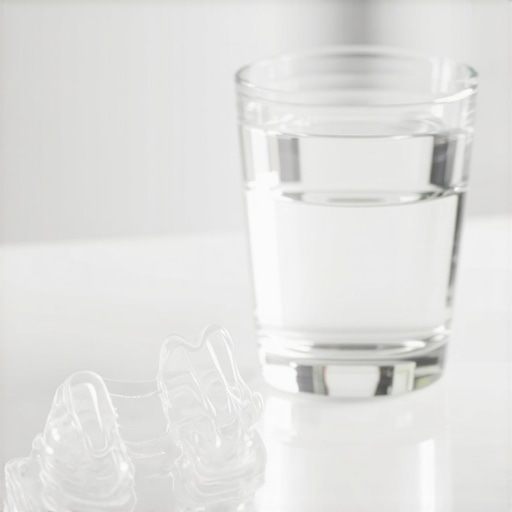
Sometimes, the clenching is exacerbated because your teeth don’t fit together like a perfect puzzle. If your bite is slightly off, your jaw muscles work overtime trying to find a comfortable resting spot. This is where the hidden benefits of Invisalign for family dental care in 2025 come into play. By aligning your teeth properly, you distribute the pressure evenly across your whole arch rather than overloading a single tooth. It’s the difference between carrying a heavy box with both hands versus just one finger.
Repair the damage before it gets expensive
If you’ve already worn down your teeth, you might need restorative work to bring your bite back to its natural height. A crown can act like a protective helmet for a weakened tooth, but the fit has to be precise. I’ve seen people struggle after a procedure because the height was off by a fraction of a millimeter. Knowing how to stop your new crown from feeling too high when you chew is vital for long-term comfort. These family dentistry secrets for maintaining oral health help ensure that your restorative work doesn’t become a new source of jaw tension. Your goal is to return your mouth to a state of neutral balance where everything feels light and effortless.
I’ve spent years watching people make the same well-intentioned mistakes. The biggest one? Thinking that oral health is a ‘set it and forget it’ game. Let’s look at the nuance that your average brochure won’t tell you. Most people assume that if their gums are receding, they need to double down on their cleaning routine. However, why your gums are receding despite brushing twice a day is often because you are using too much horizontal force. You are scrubbing away the very foundation of your smile. It’s a contrarian truth: sometimes, the harder you try, the more damage you do. This is a classic ‘oops’ factor—over-cleaning leads to sensitivity, which leads to avoidance, which eventually leads to decay.
Can a fraction of a millimeter really change your entire bite?
The short answer is yes. In my experience, the most overlooked aspect of restorative dentistry isn’t the material used, but the ‘occlusion’—how your teeth actually meet. A study published in the Journal of Oral Rehabilitation found that even a 20-micron discrepancy in tooth height can trigger significant muscle activity in the jaw. This is why choosing the right crown expert advice for long lasting results is about more than just aesthetics. If that crown is just slightly too ‘tall,’ your brain will try to grind it down while you sleep. You’ll wake up with a headache, blaming the crown, when the issue is actually the precision of the fit.
The simple reason your new bridge keeps trapping food
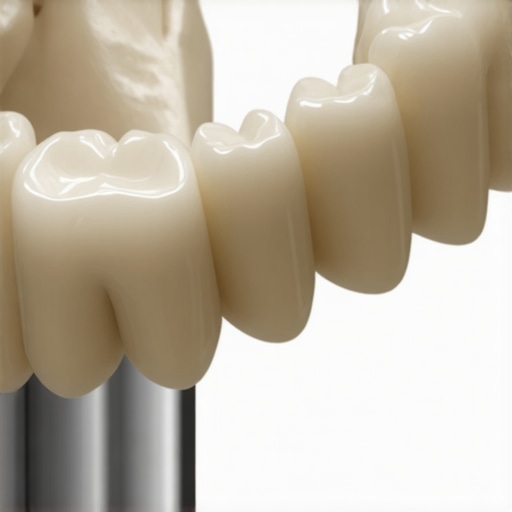
Another common trap is ignoring the space between the teeth after a procedure. If you have ever wondered why your new dental bridge feels like its trapping food, it’s rarely just ‘bad luck.’ It’s usually a design flaw in the ‘contact point’ where the restoration meets your natural tooth. When that gap is even slightly too wide, you aren’t just dealing with a nuisance; you are creating a localized breeding ground for bacteria. This is where family dentistry secrets for maintaining oral health come into play—demanding that your dentist checks the ‘floss snap’ before you leave the chair. If the floss doesn’t click through that contact point with resistance, that crown or bridge isn’t finished.
I also want to debunk the idea that clear aligners are just for ‘fixing a crooked smile.’ Looking into Invisalign myths debunked: what you need to know today, we see that alignment is actually a preventative health measure. When teeth are crowded, you can’t clean them properly, no matter how good your brush is. This leads to the specific food that cracks more teeth than anything else—like popcorn or hard nuts—finding the weak spot in a crowded arch and snapping a tooth that was already under tension. Have you ever fallen into the ‘harder is better’ brushing trap or ignored a minor bite issue until it became a major headache? Let me know in the comments below; I’d love to help you navigate these nuances.
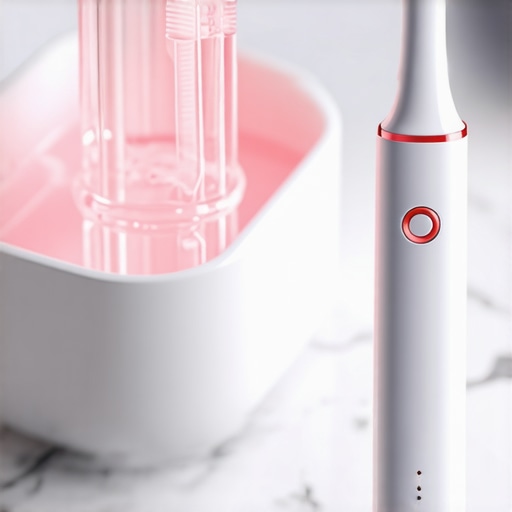
Moving from the common mistakes to my personal survival kit, I have realized that the tools you choose are just as important as the technique itself. I used to think a manual brush was perfectly fine until my dentist pointed out the early signs of gum wear on my premolars. Now, I swear by electric brushes with haptic pressure sensors. These aren’t just gadgets; they provide immediate feedback by flashing red when you press too hard—a lifesaver if you are prone to the aggressive scrubbing that causes gum recession. Finding the safest way to use an electric toothbrush on sensitive teeth changed my morning routine from a chore into a precise calibration. It is about working smarter, not harder, to protect that thin layer of enamel we have left.
Stop guessing with your morning routine
I also invested in a small ultrasonic cleaner for my night guard and aligners. If you have been following my journey, you know I struggled with that weird cloudiness that develops over time. Using the easiest way to clean a night guard that has turned yellow or cloudy involves more than just a quick rinse under the tap. These ultrasonic baths use high-frequency sound waves to create cavitation bubbles that literally blast away plaque and mineral deposits in the tiny crevices that a brush can’t reach. It is the same technology used for cleaning jewelry, and it keeps your dental appliances looking brand new for months instead of weeks. It also prevents that ‘vinegar’ smell we talked about earlier by neutralizing bacteria at a microscopic level.
How do I keep my dental work looking fresh for a decade?
Maintenance isn’t just about cleaning; it is about monitoring. I predict that in the very near future, we will all be using AI-driven smartphone apps to scan our teeth weekly. In fact, Invisalign innovations and the future of family dentistry revealed at 11:37 AM already point toward remote monitoring where your doctor can track tooth movement without you ever leaving your couch. This kind of data-driven care ensures that if a crown starts to fail or a tooth shifts slightly, it is caught before it becomes a five-figure problem. According to technical documentation in the International Journal of Computerized Dentistry, the transition to 3D digital workflows has improved the marginal fit of restorations by up to 40% compared to traditional methods. This means choosing the right crown expert advice for long lasting results now relies heavily on how well your dentist integrates these digital tools.
For those of us with existing dental work, the secret is longevity through ‘load management.’ If you have the ultimate guide to crowns for a healthier smile, you know that the ceramic is strong, but the bond can be compromised by constant grinding. This is why I am so adamant about top oral health tips for your family’s bright smiles involving a professional-grade night guard. You are protecting your investment. Think of it like a high-end car; you wouldn’t skip the oil changes and expect it to hit 200,000 miles. Your crowns and aligners are no different. My advanced tip for you today? Try the ‘floss snap’ test tonight. If your floss doesn’t make a satisfying ‘click’ as it passes between your teeth, or if it shreds, it is a sign that your restoration might be trapping food and needs a professional adjustment before decay sets in.
What My Fractured Molar Actually Taught Me
I used to think a tooth was just a tooth, but my journey through clenching and grinding taught me that your mouth is a finely tuned instrument. One major takeaway is that your body uses your jaw as a pressure valve; if you do not find a mental outlet, your enamel pays the ultimate price. I also learned that why your gums are receding despite brushing twice a day is often linked to the sheer force of clenching, not just how you hold your toothbrush. Finally, I realized that modern family dentistry trends for improving oral health are moving toward total body wellness, where a relaxed jaw is just as important as a cavity-free tooth.
My Three Non-Negotiables for Modern Dental Care
To keep my smile intact after years of stress, I have curated a specific toolkit that goes beyond the basics. First, I never skip my easiest way to clean a night guard that has turned yellow or cloudy routine, because a clean appliance is the only way to ensure long-term wear and gum health. Second, I only trust practitioners who use 3D digital impressions—it is how finding the best dentistry in Culpeper VA usually starts with a 3D CBCT scan to ensure a crown fits perfectly the first time. Lastly, I actively follow top oral health tips for your family’s bright smiles to make sure the next generation does not pick up my stressful habits.
Your Path to a Stress-Free Smile Starts Now
Your smile is one of your most valuable assets, and protecting it from the silent damage of stress is a gift to your future self. By implementing the tongue trick, using the right technology, and staying proactive with your family dentistry secrets for maintaining oral health, you can break the cycle of pain. Don’t wait for a crack to appear or a headache to strike before you take action. Have you ever caught yourself clenching your teeth in the middle of a stressful workday? Let me know in the comments below!