
The reason your jaw clicks more when you’re feeling tired

I was sitting on my couch at midnight, finally finishing a project, when I took a bite of a leftover sandwich and *crack*. It wasn’t the bread. It was my jaw. Again. I used to think my jaw was just naturally crunchy, like a bowl of cereal. But I noticed a pattern: the more I stayed up late or pushed through a stressful week, the louder that clicking became. It was embarrassing, painful, and frankly, a bit scary. I spent years trying to stretch it out, which—spoiler alert—was a massive mistake that only made my joint more irritated. I remember one specific Tuesday where I had three cups of coffee just to stay awake for a meeting. By 4 PM, I could not even talk without a rhythmic clicking sound following every sentence. I was mortified. I thought people could hear it from across the room! I mistakenly tried to force my jaw to reset by opening it as wide as possible, which is exactly what you should not do when the joint is already inflamed from exhaustion. Today, we are going to dive into why your body reacts this way and how you can stop the cycle.
My Jaw Started Sounding Like a Typewriter Every Time I Hit the Wall
The connection between being bone-tired and that annoying pop is not just in your head. When we are exhausted, our entire system starts to compensate. My biggest mistake early on was ignoring the fatigue factor. I thought it was a structural problem that needed surgery or some high-tech fix. In reality, my muscles were just giving up on me. When your body is spent, you lose the postural control that keeps your jaw aligned. You might even find that your face feels sore after a night of heavy dreaming because your brain is trying to process stress through your teeth. According to the Mayo Clinic, sleep deprivation and stress are primary triggers for TMJ flare-ups because they increase muscle tension globally. I had to learn the hard way that how to stop grinding your teeth without an expensive night guard starts with understanding your body’s limits, not just buying more gear.
Is This Clicking Actually Going to Lock My Jaw Forever?
It is the question that kept me up even later than the clicking did. You wonder if one day you will just be stuck. While total lockjaw is rarer than your late-night anxiety suggests, the fatigue-induced click is a huge warning light on your dashboard. I used to worry about how to stop your jaw from locking while you eat, but I did not realize the root cause was simply my bedtime and posture. Have you ever felt that sudden zing or pop right when you were about to drift off to sleep? It is more common than you think, and it is usually your body’s way of saying it has had enough. By using family dentistry secrets for maintaining oral health, we can map out a plan to get you back to silent chewing without the constant fear of a joint malfunction. Let’s look at the actual steps to quiet those muscles down before they decide to quit on you for good.
Reset Your Hinge with the Tongue-Up Trick
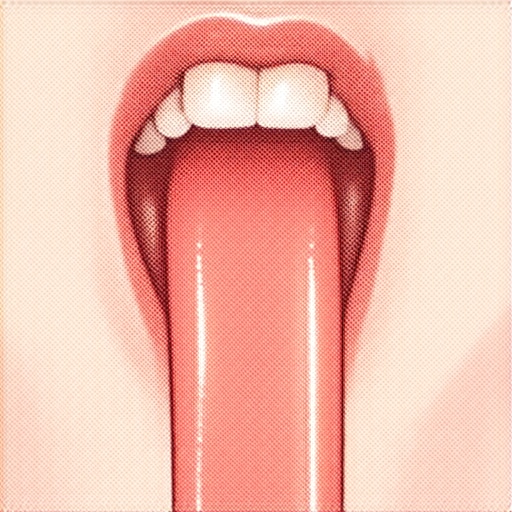
The first thing you have to realize is that your jaw muscles are like overworked rubber bands. When you are exhausted, they lose their elasticity and start to snap rather than stretch. To fix this, you need to master the ‘N’ position. It sounds simple, but it is the gold standard for jaw relaxation. Place the tip of your tongue gently against the roof of your mouth, just behind your upper front teeth—exactly where it rests when you make the ‘N’ sound. Now, let your jaw drop open slightly while keeping your tongue in place. This position is physically designed to prevent clenching because the muscles involved in biting down cannot fully engage while the tongue is elevated. I started doing this every time I felt a flare-up coming on. One morning, after a night of barely four hours of sleep, I felt that familiar tightness. I held the ‘N’ position for five minutes while making coffee, and the usual ‘pop’ I expected never happened. It gave my joint enough space to breathe before the day’s stress kicked in.
Understanding why your jaw clicks more when you are stressed at work is often about these small muscle habits. If your tongue is resting on the floor of your mouth, your teeth are likely touching, and if they are touching, they are probably clenching without you even realizing it.
Treat Your Head Like a Bowling Ball on a Stick
Your head weighs about 10 to 12 pounds—roughly the size of a heavy bowling ball. When you are tired, your neck muscles give out, and your head naturally tilts forward. This shift pulls on the muscles connected to your jaw, dragging the joint out of its socket. You cannot fix a clicking jaw if your head is hanging off your shoulders. I used to ‘tech-neck’ my way through every afternoon, and the clicking was always worse by 5 PM because my jaw was fighting gravity just to stay closed. I had to learn to sit with my ears directly over my shoulders. By utilizing family dentistry secrets for maintaining oral health, I realized that my posture was the foundation for everything else. If you are struggling with how to stop grinding your teeth without an expensive night guard, start by looking at your computer setup and your pillow height. A jaw that is being pulled forward by a drooping neck is never going to stay quiet.
Balance Your Bite to Save the Joint
Sometimes the clicking happens because your teeth are like a table with one leg slightly shorter than the others. Every time you close your mouth, the ‘table’ wobbles, putting uneven pressure on the hinge. This is where professional alignment makes a massive difference. If you have a restoration that doesn’t fit perfectly, like why your new zirconia crown feels taller than your other teeth, it throws your entire bite off. Even a millimeter of height can cause a lifetime of clicking. In my case, a slightly crooked molar was forcing my jaw to shift to the left every time I chewed. Addressing the alignment through modern orthodontics—like looking into the hidden benefits of Invisalign for family dental care in 2025—can actually be a functional fix for TMJ. When the teeth meet evenly, the muscles don’t have to work overtime to find a comfortable resting spot. If you’ve noticed your bite feels different lately, it could be a sign of structural shifts, such as the hidden sign your old silver filling is finally failing, which can subtly change how your jaw closes and trigger that annoying click.
The Dangerous Lie of the Indestructible Crown
Many people fall into the trap of thinking a dental crown is a ‘set it and forget it’ shield. I used to think the same until I realized that while porcelain doesn’t decay, the tiny sliver of natural tooth at the gumline—the margin—is actually more vulnerable than ever. A common ‘oops’ factor is neglecting the area because you assume the tooth is now invincible. This is exactly the ultimate guide to crowns for a healthier smile teaches us to avoid: if that margin isn’t kept pristine, bacteria can tunnel underneath. If you have noticed why your new crown feels sensitive to cold drinks, it might not be the nerve acting up; it could be a sign that your gums are receding away from that critical seal. In my experience, patients who treat their crowns with more care than their natural teeth are the ones who avoid the dreaded ‘black line’ at the gumline later on.
Can a Single Millimeter of Ceramic Really Cause Chronic Headaches?
The short answer is a resounding yes. One of the most sophisticated nuances in restorative work is the ‘high spot.’ Because materials like zirconia are incredibly dense, they do not wear down like natural enamel. If your bite is off by even a fraction of a millimeter, your jaw muscles will try to compensate all night long. This is often why your crown feels like it has a high spot only when you grind or when you are particularly tired. You aren’t just imagining it—your jaw is physically shifting to find a comfortable resting place, which leads directly back to that clicking and popping we discussed. According to a study published in the Journal of Oral Rehabilitation, even minor occlusal interferences can trigger significant myofascial pain. This is why choosing the right crown expert advice for long-lasting results is about more than just the look; it is about the physics of your bite.
Why Invisalign Is Actually a Gum Health Tool in Disguise
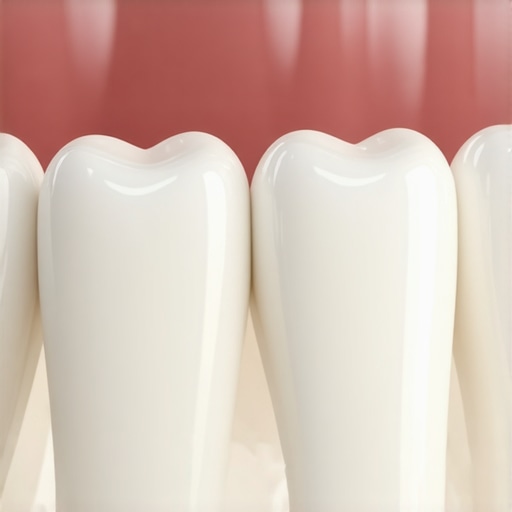
Everyone talks about Invisalign for a straighter smile, but the real expertise lies in understanding its impact on your periodontium. Most people get it wrong by thinking it’s purely cosmetic. In reality, crowded teeth create ‘niche’ environments where plaque flourishes, regardless of how well you brush. By using the hidden benefits of Invisalign for family dental care in 2025, we aren’t just moving teeth for selfies; we are removing those bacterial traps. A major mistake beginners make is skipping the ‘chewies’ or not knowing how to seat stubborn invisalign trays using the munchie technique. If the tray doesn’t sit perfectly, the tooth movement is ‘lagging,’ which can actually cause more stress on the bone than benefit. Have you ever fallen into the trap of thinking your dental health was just about luck rather than these mechanical nuances? Let me know in the comments. If you’re ready to stop the guesswork, you can always contact us to map out a precision plan for your unique bite.
Stop the Rebound with Better Hardware
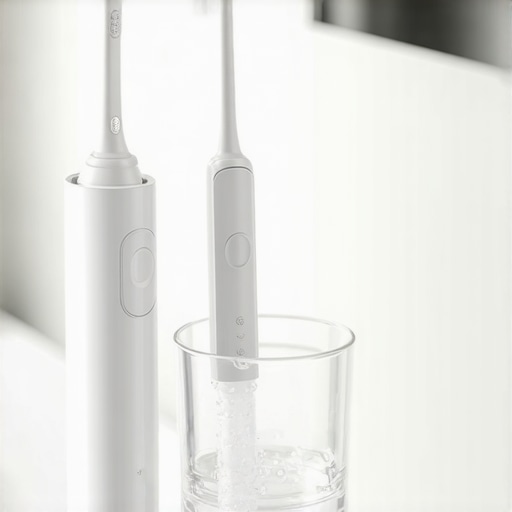
It is one thing to quiet the clicking for a week, but keeping your jaw silent for the next decade requires more than just willpower. I have found that the real difference lies in the specific tools you use when the bathroom door is closed. For me, this meant ditching the manual toothbrush for a high-frequency sonic model. Why? Because at 62,000 brush movements per minute, the bristles create micro-bubbles that reach deep into the periodontal pockets that manual brushing simply cannot touch. If you are looking for top oral health tips for your family’s bright smiles, it starts with the physics of biofilm disruption. I also added a cordless water flosser to my nightstand. Mastering the trick to using a water flosser without making a total mess turned my evening routine from a chore into a 60-second habit that protects my crown margins from decay. According to a study in the Journal of Clinical Dentistry, water flossing is up to 29% more effective than traditional string floss for removing plaque, which is critical when you are managing the tight spaces created by orthodontics or complex restorative work.
How do I maintain my oral health progress over time?
Maintenance is where most people fail because they stop the ‘active’ phase of treatment and assume the job is done. If you have finished Invisalign, your teeth are essentially in a state of flux for at least a year. I use the vinegar soak that safely sanitizes your retainers and guards every single morning. This prevents the buildup of calcium and bacteria that can make your trays smell and eventually irritate your gums. Long-term results also depend on your awareness of structural changes. I periodically check the ultimate guide to crowns for a healthier smile to ensure I am not ignoring subtle signs of wear on my restorations. If your retainer feels tight or your bite feels slightly ‘off’ in the morning, it is a signal that your jaw is still trying to fight the new alignment.
AI and the Future of Your Living Room Dental Exam
The trend I am most excited about is the shift toward AI-guided home monitoring. We are already seeing invisalign innovations the future of family dentistry revealed at 1137 am that allow patients to use their smartphones to scan their teeth. This software can detect a shift of half a millimeter before you even feel it. In the near future, your bathroom mirror might even tell you if you are clenching too hard based on your gum color and tooth wear patterns. By integrating family dentistry secrets for maintaining oral health with these digital tools, we can move from reactive ‘drilling and filling’ to true preventive care. I highly encourage you to try the ‘N’ position trick I mentioned earlier for just three minutes tonight while you are scrolling through your phone; it is the simplest advanced technique to retrain your brain and protect your investment. If you want a deep dive into your specific bite mechanics, feel free to contact us to see how these new technologies can work for you.
What My Jaw Taught Me About Listening to My Body
- Stress doesn’t just live in your mind; it migrates directly to your masseter muscles. I learned that how to stop grinding your teeth without an expensive night guard begins with recognizing when your body is entering ‘fight or flight’ mode before the clenching even starts.
- Your bite is a precision instrument. Even a small misalignment can trigger a cascade of issues, so debunking invisalign myths what you need to know today helped me realize that straightening teeth is often more about functional survival than just a pretty smile.
- Recovery is rarely a straight line. Some days your jaw will click simply because you slept poorly or stayed at your desk too long, and that is okay—just go back to your ‘N’ position and focus on your head posture.
- Professional expertise is your best shortcut. Getting a second opinion and choosing the right crown expert advice for long-lasting results saved me from months of unnecessary structural discomfort.
The Survival Kit for a Quiet Hinge
If you want to move from clicking to comfort, I recommend focusing on three specific tools. First, a high-frequency sonic toothbrush is non-negotiable for keeping the margins of your restorations pristine. Second, keep a water flosser on your counter to ensure your gum health doesn’t take a backseat to your joint issues. Finally, I regularly revisit these top oral health tips for your family’s bright smiles to build a foundation of prevention. I trust these methods because they focus on the long-term biological health of your mouth rather than just masking the symptoms of a noisy jaw.
You Don’t Have to Live with a Noisy Jaw Forever
That rhythmic clicking doesn’t have to be your permanent soundtrack. By adjusting your posture, being mindful of your tongue placement, and ensuring your bite is professionally balanced, you can reclaim your comfort and your confidence. Improving your oral health is one of the best investments you can make for your daily quality of life and your long-term peace of mind. If you are feeling overwhelmed by the popping and clicking, do not hesitate to contact us for a personalized assessment. Have you ever felt your jaw lock up or start clicking during a particularly stressful week? Let me know your story in the comments below!