
How to handle a toothache that only happens when you lie down

I remember it like it was yesterday—finally tucking the kids in, collapsing onto my favorite pillow, and waiting for sleep to take me. Instead, a dull, rhythmic throb started in my upper molar. It wasn’t there when I was brushing my teeth. It wasn’t there while I was watching the evening news. But the second my head hit the mattress, it felt like a tiny construction crew was using my jaw as a demolition site. I sat up, confused, and the pain vanished. I laid back down, and thump-thump-thump, it was back. It is incredibly frustrating to feel like you are being chased out of your own bed by a sensation that seems to defy logic. If you are currently sitting upright in bed reading this at 2 AM because your tooth won’t let you sleep, I have been exactly where you are.
Gravity and the Midnight Throb
The first thing I learned the hard way is that ignoring this specific kind of pain is a recipe for a very expensive root canal. Early on, I made the mistake of thinking if it didn’t hurt during the day, it wasn’t a real emergency. I waited weeks, propping myself up with four pillows, only to find out I had a brewing infection that eventually required choosing the right crown to save the tooth. The reason this happens is actually quite simple: when you lie down, blood rushes to your head. This increase in blood pressure can put intense pressure on an already inflamed dental nerve or a congested sinus cavity. According to the American Association of Endodontists, this postural change significantly increases pulpal pressure, which is why that tiny bit of inflammation feels like a full-blown crisis the moment you go horizontal. It is a biological quirk, but it is one that is trying to tell you something important about your oral health. We are going to dive into exactly how to manage this pressure tonight so you can actually get some rest, and what it means for your next dental visit.
Is This All Just in My Head?
It is easy to feel like you are exaggerating the problem when the pain is so inconsistent. You might even wonder if you are just stressed, especially since your jaw clicks more when you are stressed. But the physical reality of blood flow and nerve endings is real. Sometimes the issue isn’t even the tooth itself; it could be the reason your teeth hurt when you bend over, which points toward a sinus infection rather than a cavity. Have you ever felt like your tooth was perfectly fine until the exact moment you tried to relax? You aren’t crazy, and you definitely aren’t alone. This specific symptom is often the real reason your implant area throbs when you lie down or why an old filling starts acting up. Whether it is a lingering infection or why your dental crown feels like it is vibrating, the goal is to reduce that internal pressure. Before you reach for the pliers—don’t, please—let’s look at the immediate steps you can take to calm the storm and reclaim your sleep.
Keep Your Head Above Your Heart
The most immediate tool in your arsenal is gravity. Think of your dental nerve like a garden hose that is slightly kinked; if you increase the water pressure, that kink starts to bulge. When you lie flat, you are effectively turning the faucet on full blast. To combat this, you need to sleep at a 45-degree angle. I remember a miserable Tuesday night where I tried to tough it out with just one flat pillow. Within twenty minutes, the throbbing was so rhythmic I could track my pulse through my jaw. I ended up dragging the sofa cushions onto my bed to create a makeshift ramp. It wasn’t the most comfortable setup for my back, but it kept the blood pressure in my head low enough to let the inflammation settle. This simple postural shift is the first line of defense for maintaining oral health comfort during a flare-up.

Rinse with Warm Salt Water
It sounds like an old wives’ tale, but the salt water rinse trick for a sore mouth is rooted in pure osmosis. If you have a minor infection or gum swelling, salt water draws out the fluid that is causing the pressure. Mix about half a teaspoon of salt into eight ounces of warm water and swish for thirty seconds. Don’t swallow it—just let it work its magic on the tissues. This is especially helpful if your pain feels ‘spongy’ or if you suspect your gums are involved. I’ve found that doing this three times in a row before propping myself up for the night provides a localized numbing effect that store-bought gels can’t quite match.
Identify the Source with the Sip Test
Knowing exactly why it hurts helps you decide if you can wait until morning or if you need an emergency line. Use the sip test to determine if your tooth sensitivity is nerve-related. Take a tiny sip of room-temperature water. If the pain lingers for more than thirty seconds after the water is gone, the nerve inside the tooth is likely dying or severely inflamed. If the pain is sharp but vanishes instantly, you might just be dealing with gum recession or a high spot on a restoration. For those with older work, this could be a sign that you need the ultimate guide to crowns to protect the remaining structure. Avoid ice packs directly on the tooth if it’s nerve pain, as extreme cold can actually trigger a ‘zing’ that will keep you awake even longer. Instead, apply a cold compress to the outside of your cheek for 15 minutes on and 15 minutes off to dull the overall sensation.
Control the Inflammation Early
If you wait until the pain is an 8 out of 10 to take an over-the-counter anti-inflammatory, you are chasing the dragon. You want to stay ahead of the chemical signals your body is sending out. Ibuprofen is generally the gold standard for dental pain because it addresses the swelling directly. However, always consult your doctor before starting any new medication. When I had my first major dental crisis, I made the mistake of waiting until I was crying in the bathroom to take anything. By then, the inflammation was so localized that the medicine took nearly two hours to kick in. Taking it at the first sign of that ‘heavy’ feeling in your jaw can make the difference between a restless night and actual REM sleep.
It’s easy to think that if the throbbing stops when you stand up, you’ve dodged a bullet. But here is the nuance most people miss: that postural pain is often a ‘pre-alarm’ for a structural failure you can’t see. Many believe dental crowns are just for ‘dead’ teeth or aesthetic fixes, but in my experience, using them as a preventative measure is often the only way to stop a catastrophic split in a structurally compromised tooth. Everyone says you should wait for ‘real’ symptoms, but by the time the tooth splits, you are often looking at an extraction rather than a simple restoration. The ultimate guide to crowns usually focuses on the look, but the real benefit is the ‘hoop effect’—it holds the tooth together like the metal rings on a wooden barrel, preventing the internal nerve from being squeezed every time you bite down. Have you ever fallen into the trap of waiting for a crisis before calling the dentist? Let me know in the comments.
Stop Looking at Invisalign as a Cosmetic Luxury
Another common misconception involves orthodontic work for adults. People frequently view clear aligners through the lens of vanity, but the ‘oops’ factor here is ignoring the long-term periodontal impact of crowded teeth. When your teeth are misaligned, you create microscopic ‘bacteria traps’ that no toothbrush can reach. The hidden benefits of Invisalign for family dental care actually revolve around making your mouth ‘cleanable.’ Straightening your smile isn’t just about the wedding photos; it is about reducing the localized inflammation that leads to bone loss as you age. If you’ve noticed why your gums are receding despite brushing twice a day, it might be because the crowding is forcing the bone to thin out in specific areas. Correcting the bite often stops that recession in its tracks.
Could a Tiny Misalignment Be Ruining Your Sleep?
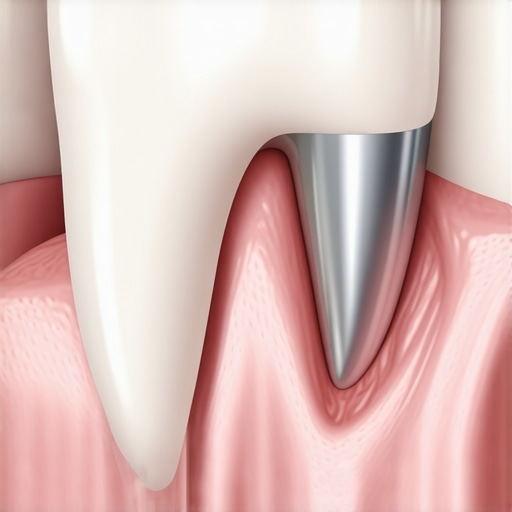
One of the most frustrating traps for patients is the ‘high spot’ on a restoration. If you just had work done and notice why your crown feels like it has a high spot only when you grind, do not ignore it. You might think you will simply ‘get used to it,’ but a crown that is even a few microns too high can cause the periodontal ligament to become severely bruised. This trauma mimics the rhythmic, pulsing pain of an abscessed tooth. A study published in the Journal of Prosthetic Dentistry confirms that occlusal interference is a primary cause of post-operative sensitivity. If your bite is off, your jaw muscles will overcompensate, which is the reason your jaw clicks more when youre feeling tired. This cascading effect of muscle fatigue and ligament bruising is often what creates that unbearable pressure the moment you lie down to rest.
The Danger of the ‘Wait and See’ Approach
When you feel why your dental crown feels like it is vibrating or a strange ‘zing’ when you tap a tooth, your body is providing advanced data. Ignoring these signals because they are intermittent is the fastest way to turn a $200 filling into a $3,000 implant. For those managing a household, family dentistry secrets maintaining oral health often come down to early intervention. When we catch a hairline fracture early, we can use choosing the right crown techniques to seal the tooth and protect the pulp. Modern dentistry isn’t just about fixing what is broken; it’s about engineering your mouth to withstand the literal tons of pressure you exert on it every single day. Taking that 2 AM throb seriously today means you won’t be dealing with a much larger dental emergency tomorrow.
Once you’ve survived the midnight throb and addressed the immediate crisis, the game shifts from dental survival to long-term engineering. I used to be the person who bought the cheapest toothbrush available and assumed as long as I wasn’t bleeding, I was winning. I was wrong. Transitioning into the maintenance phase of maintaining oral health requires more than just showing up twice a year; it requires a curated kit. For me, that meant finally embracing the water flosser. I resisted for years because I thought it would be a watery mess, but learning the trick to using a water flosser without making a total mess changed everything. It is the only way I’ve found to effectively flush the margins of my dental work where traditional floss often snags or shreds, especially around the delicate edges of a bridge or a permanent crown.
Why I Swapped My Routine for High-Tech Tools
When you have a mouth full of restorations, you aren’t just cleaning teeth; you are maintaining a complex infrastructure. The American Dental Association (ADA) Council on Scientific Affairs has noted that while the materials in modern ceramics are incredibly durable, the longevity of any restoration is almost entirely dependent on the health of the gingival margin—the exact point where your tooth meets the crown. This is why I am so particular about the tools I use. If you are currently in clear aligners, you know the struggle of a tray that won’t quite ‘click’ into place. I personally swear by the munchie technique to ensure the orthodontic force is distributed evenly across the tooth surface. It is a small, specific habit, but it is the difference between a treatment that stays on track and one that lags by months because of a ‘lazy’ lateral incisor.
How do I maintain my dental work over time?
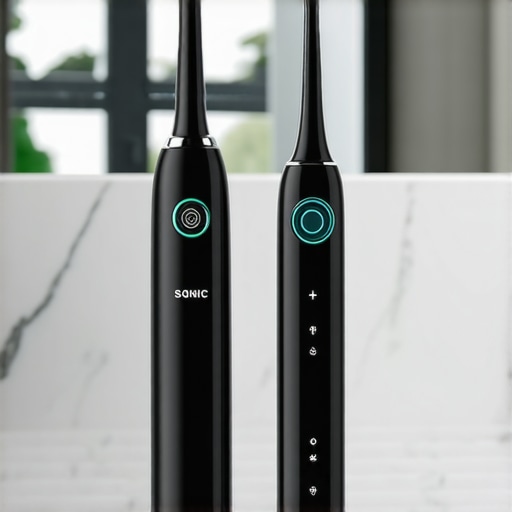
The secret isn’t just brushing harder; it is brushing with better data. I recommend switching to a sonic toothbrush with a built-in pressure sensor. Most people, when they worry about their ultimate guide to crowns or new veneers, tend to over-brush out of anxiety, which causes gum recession. You need a tool that vibrates to tell you when you are pressing too hard. Additionally, if you’re looking for top oral health tips for your familys bright smiles, consistency with a fluoride-based, alcohol-free mouthwash at night is non-negotiable. It helps remineralize the tiny gaps that the human eye—and even some standard X-rays—cannot see. I predict that within the next five years, we will all be using AI-powered home intraoral cameras to scan our teeth weekly. This technology will allow our dentists to catch those ‘high spots’ or ‘vibrating crowns’ through an app before they even start to throb. We are moving toward a ‘predict and prevent’ model rather than the old-school ‘drill and fill’ reactive approach.
If you take away one thing from my journey, let it be this: don’t treat your dental health like a series of isolated fires to be put out. Treat it like a garden that needs daily, specific care. If you’re wearing aligners right now and they feel even slightly loose, I challenge you to try the munchie seating method tonight—you will feel the difference in how the pressure is applied immediately. It is these tiny, high-level adjustments that lead to how Invisalign transforms family dentistry from a chore into a lifestyle upgrade. Your future self (and your wallet) will thank you for being proactive rather than reactive.
Lessons My Jaw Taught Me the Hard Way
Looking back, the biggest lightbulb moment I had was realizing that dental pain is never just a random occurrence; it is an early warning system. I used to think of a toothache like a headache—something to be medicated and forgotten. Now, I know that if my tooth is throbbing when I lie down, it’s a physical signal of pressure that won’t fix itself. Another hard-earned lesson: why crowns are a game-changer in restorative dentistry isn’t about the cost, but about saving the structural integrity of a tooth before it’s too late. Finally, I’ve learned that family dentistry trends improving oral health for all ages are moving toward non-invasive monitoring, making it easier than ever to avoid the drill-and-fill cycle I grew up with.
My Personal Dental Survival Kit
If you want to move beyond just surviving the night, you need the right gear. First, get a high-quality water flosser; once you learn the trick to using a water flosser without making a total mess, you’ll never go back to traditional string. Second, if you are currently using clear aligners, keep a set of munchies nearby and practice the munchie technique to ensure your trays are perfectly seated. Third, I highly recommend checking out top oral health tips for your familys bright smiles to build a routine that works for everyone in the house. These tools transform your daily hygiene from a chore into a professional-grade maintenance session.
The Future of Your Pain-Free Smile
The journey from midnight toothaches to a stable, healthy smile isn’t always linear, but it is always worth the effort. By understanding the mechanics of pressure, the importance of structural support like crowns, and the benefits of modern alignment, you are taking control of your well-being. Your oral health is an investment that pays dividends in sleep, comfort, and confidence every single day. Don’t be afraid to ask the hard questions at your next check-up—you deserve a smile that stays quiet when the lights go out. Have you ever had a toothache that seemed to vanish the moment you stood up in the morning? Let me know in the comments below!