
How to talk to your teen about their stained teeth

My daughter, Maya, was leaning into the mirror last Tuesday, scrubbing her front teeth so hard I thought she’d wear down the enamel right then and there. "Dad, they’re yellow," she whispered, her voice cracking just enough to break my heart. It was a visceral reminder that for a teenager, a smile isn’t just about biological health; it’s their primary social currency. I remember when I first noticed her smile wasn’t as bright as it used to be. I handled it all wrong. I jumped straight into "fix-it" mode, lecturing her about soda while she was already feeling vulnerable. The wall went up instantly. Learning how to navigate this conversation without crushing their self-esteem is a tightrope walk, but it is one we have to master to protect their long-term confidence. Today, I’m going to share how I stopped being the "tooth-police" and started being the ally my teen actually needed.
Get the timing right before you say a word
Conversations about appearance are minefields. If you bring up discoloration while they are rushing out the door or stressed about a math test, you’ve already lost. I made the mistake of pointing out stains right after a bad soccer game, and let’s just say it didn’t lead to a productive chat about the difference between professional whitening and store-bought strips. You need a low-pressure environment. Maybe it’s in the car or while making dinner—times when eye contact isn’t forced. We often forget that why your smile looks different in selfies vs the mirror is a huge source of anxiety for them. According to the American Academy of Cosmetic Dentistry, a staggering 99.7% of adults believe a healthy smile is a key social asset, and that pressure starts in high school. We aren’t just talking about vanity; we are talking about how they present themselves to the world. Sometimes the culprit isn’t even coffee or soda; they might just be wondering the reason your teeth look gray instead of white due to genetics or past medications.
Does whitening actually ruin their permanent enamel?
This is the big fear most parents have, and frankly, it’s what kept me quiet for too long. You worry that being supportive of their desire for a brighter smile might mean compromising their oral health. The reality is that modern top oral health tips for your familys bright smiles include safe, age-appropriate ways to lift stains without causing permanent damage. My initial mistake was dismissing Maya’s concerns as "just a phase," which only led her to search for dangerous DIY charcoal trends online. It’s much better to be the one who provides the safe path. Have you ever tried to bring up a sensitive health topic only to have your teen roll their eyes so far back they could see their own brain? I’d love to hear how you handled that initial pushback.Once you’ve established that safe space, it’s time to look at the ‘why’ without sounding like you’re interrogating a suspect. I sat down with Maya and we did what I called a ‘smile audit.’ Instead of pointing fingers at her morning routine, we looked at the science of what she was consuming. I used the analogy that her enamel is like a fine porcelain plate—if you leave dark pigments on it long enough, they will eventually sink in. This simple shift moved the conversation from ‘you aren’t brushing well’ to ‘here is how the world affects your smile.’ It made her an active participant rather than a criticized kid. We started looking at how to keep your smile white while drinking daily coffee or those colorful energy drinks that are so popular in high schools.
Start with a stain audit instead of a lecture
When I did this with Maya, I realized she was drinking three iced coffees a week, and she had no idea the tannins were the primary culprit. We didn’t stop the coffee; we just adjusted how she drank it. We treated it like a project. I showed her that external stains are much easier to handle than internal ones, but the first step is always identifying the source. If the yellowing is coming from the inside out, no amount of scrubbing will help. That’s when you need to consult a professional about family dentistry secrets maintaining oral health with modern techniques at 254 pm to see if the issue is actually deeper than surface level.
Why viral charcoal trends are basically sandpaper for teeth
One night, I caught Maya in the bathroom with a jar of black powder she’d bought online. She’d seen an influencer claim it was a ‘natural’ way to whiten. I had to step in quickly. I explained that using that stuff is like using a heavy-grit sandpaper on the clear coat of a luxury car. You might see a temporary flash of white, but you’re actually stripping away the protective layer. I pointed her to the facts about the truth about charcoal toothpaste and your enamel health, explaining that once that enamel is gone, it’s gone for good. She was terrified by the idea of ‘permanent’ damage, which was the only way I could get her to put the jar down. #IMAGE_PLACE_HOLDER_B#
Choose the right treatment for permanent teeth
Once we ruled out the DIY disasters, we looked at actual options. For teens, the choice usually comes down to convenience versus safety. Over-the-counter products are tempting because they are cheap, but they are ‘one size fits all.’ When Maya tried a generic brand, she ended up with stinging pain. I explained that why your gums look white after using whitening strips is actually a sign of chemical irritation, not a ‘good’ clean. That’s when I took her to see our dentist to discuss the difference between professional whitening and store-bought strips. A professional knows how to protect the soft tissue while targeting the stains, ensuring the process doesn’t leave her teeth feeling like they’re being shocked every time she breathes.
Keep the results bright after the treatment
After we finally got her smile to a place where she felt confident again, the real work began: maintenance. It’s not about being the ‘tooth-police’ anymore; it’s about protecting the investment she cares about. We updated our top oral health tips for your familys bright smiles to include simple habits, like rinsing with water after a soda. I stopped nagging her to brush and started asking, ‘Hey, do you need more of that specialized toothpaste?’ It’s a small linguistic shift, but for a teenager, it makes all the difference in the world.Once you move past the basics of whitening, you realize that many ‘common sense’ dental beliefs are actually holding us back. For instance, most parents think Invisalign is just about a straighter selfie. That is a massive misconception. In my experience, the real value lies in how the hidden benefits of Invisalign for family dental care in 2025 at 903 am address functional issues that cause long-term pain. When Maya’s bite was off, she wasn’t just worried about the look; she was dealing with micro-cracks from uneven pressure.
The Invisible Trap of Ignoring a Misaligned Bite
We often focus on the color of the teeth while ignoring the architecture. You might think ‘her teeth are straight enough,’ but if the molars don’t mesh, you’re looking at a lifetime of restorative work. I’ve seen so many Invisalign myths debunked what you need to know today, and the biggest one is that it’s purely cosmetic. According to a study in the Journal of Oral Rehabilitation, even minor malocclusions can accelerate enamel wear by up to 30% over ten years. This isn’t just about a pretty smile; it’s about preventing a need for heavy-duty interventions later. This is where Invisalign innovations the future of family dentistry revealed at 1137 am truly shine, offering precision that old-school braces sometimes struggled to match in complex late-teen cases. 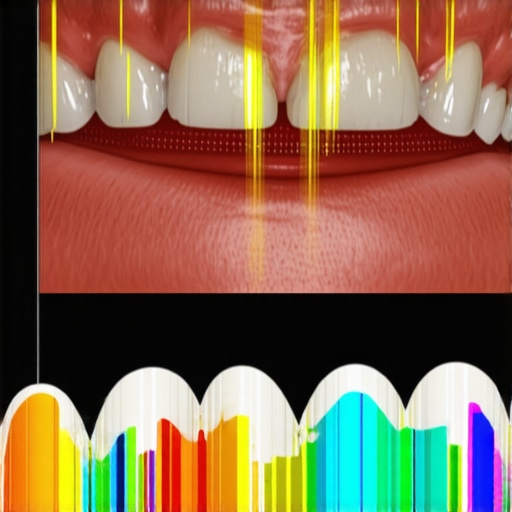
Why Does Your New Crown Feel Like It’s Shifting During Meals?
If your teen—or you—has graduated to needing restorative work, the ‘oops’ factor usually kicks in during the recovery phase. A common mistake is ignoring that weird sensation when you chew. You might think it’s just ‘settling in,’ but why your dental crown feels like its shifting often comes down to a micro-adjustment needed in the bite alignment. If you feel why your crown feels like it has a high spot only when you grind, it means the restoration is taking too much force, which can lead to nerve inflammation or even a fracture of the new porcelain. This nuance is why choosing the right crown expert advice for long lasting results is so critical; it’s about the ‘fit’ beyond just the visual.
Don’t Fall for the ‘Quick Fix’ Home Repair Trap
The absolute most dangerous nuanced mistake I’ve encountered is the DIY dental repair. When a crown or bridge feels loose, the temptation to grab a ‘temporary’ fix from the drugstore—or worse, the toolbox—is real. I cannot stress enough the danger of using superglue to fix a broken denture at home or trying to reseat a crown yourself. These chemicals are toxic and can permanently damage the underlying tooth structure, turning a simple adjustment into an emergency root canal. By sticking to family dentistry secrets maintaining oral health with modern techniques at 254 pm, you ensure that every intervention is biocompatible and built to last. There is also a nuance in choosing between restorative types. Often, parents jump to aesthetics, but understanding crowns vs veneers which is better for your smile cure at 429 pm is vital. For a teenager who plays sports, a crown offers structural reinforcement that a veneer simply cannot match. Using what a 3d cbct scan reveals that standard x-rays miss entirely can detect these structural stresses before they become painful fractures. It’s about moving from reactive parenting to proactive health management. Have you ever fallen into the trap of thinking a dental issue would ‘just go away’ on its own? Let me know in the comments below!I used to think that once the dentist finished the job, my responsibility ended. I was wrong. Maintenance isn’t just about avoiding a lecture; it’s about protecting the thousands of dollars and hours you’ve invested in your mouth. For Maya, that meant moving beyond the basic toothbrush. I finally bought her a high-quality water flosser, but we quickly realized there is a steep learning curve. If you don’t know the trick to using a water flosser without making a total mess, you’ll likely give up after two days of soaking your bathroom mirror. It’s all about the lean and the ‘closed-lip’ technique, which keeps the water in the sink and the plaque off the gums. 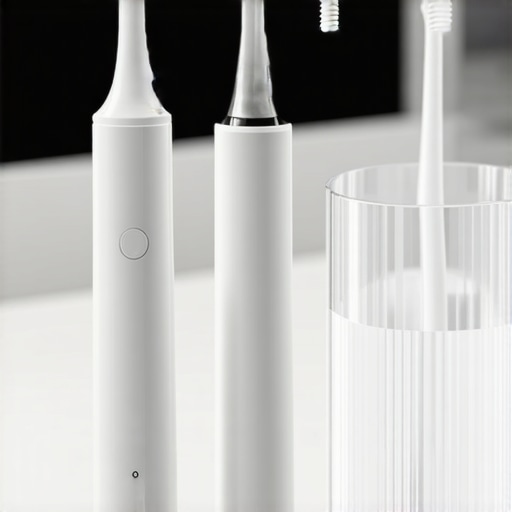
Stop guessing if your aligners are seated
If you’re using Invisalign, the tool I recommend above all others isn’t even electronic. It’s a simple silicone device called a ‘munchie.’ Most people just pop their trays in and hope for the best, but that often leads to ‘tracking’ issues where the tooth doesn’t move as planned. Learning how to seat stubborn invisalign trays using the munchie technique is the difference between finishing treatment in six months or eighteen. According to Dr. Robert Boyd, a pioneer in clear aligner research, the mechanical ‘seating’ of an aligner is the single most critical factor in tooth movement predictability. If you aren’t biting down on something to engage those attachments, you’re just wearing a plastic mouthguard. This precision is what sets modern orthodontics apart, and ignoring it is why some people see their teeth shift back.
How do I keep my dental work looking new for a decade?
This is the question I get asked most often when friends see my own crowns. The secret isn’t a special chemical; it’s consistency and the right hygiene routine. You have to treat a crown with even more respect than a natural tooth because the margin where the porcelain meets the gum is a magnet for bacteria. I always point people toward the ultimate guide to crowns for a healthier smile to understand the mechanics of how these restorations age. Beyond brushing, I use the vinegar soak that safely sanitizes your retainers and guards to make sure no funky bacteria is sitting against my dental work overnight.
The future of the family smile is digital
Looking ahead, I predict we are moving toward a world where ‘dental visits’ happen via your smartphone more often than in a chair. We are already seeing Invisalign innovations the future of family dentistry revealed at 1137 am that use AI to track tooth movement through daily photos taken by the patient. Soon, your toothbrush will likely alert your dentist’s office the moment it detects a change in your gum health or a hairline fracture in a crown. This tech is incredible, but it’s only as good as the professional guide behind it. That’s why choosing the right crown expert advice for long lasting results remains the most important step in the process. Don’t wait for a ‘zing’ of pain to take action. This week, try one thing: swap your manual flossing for a water flosser or a dedicated seating tool for your aligners. Your future self will thank you for the lack of emergency root canals.
The Hard Truths I Learned After Failing the Tooth-Police Exam
Reflecting on this journey with Maya, a few lightbulb moments stand out that I wish I’d known before that first tearful mirror moment. First, a teen’s dental anxiety is almost never about the tooth itself; it’s about their fear of being judged by peers. Second, the best dental tool in your house isn’t the electric toothbrush—it’s the low-pressure conversation. If I had known family dentistry secrets maintaining oral health with modern techniques at 254 pm sooner, I wouldn’t have treated every stain like a moral failure. Third, and perhaps most importantly, being a dental ally means offering solutions that fit their lifestyle, not just yours.
The Toolkit That Keeps Maya Smiling
If you are looking to move from stress to dental success, here are the specific resources I now swear by. For any parent weighing the orthodontic path, I highly recommend looking into invisalign vs braces which solution fits your lifestyle to see which actually matches a busy high school schedule. When it comes to restorative work, don’t just take the first option; study the ultimate guide to crowns for a healthier smile so you can ask the right questions during the consultation. We also keep a bookmark on how to manage a chipped front tooth until your appointment because, let’s face it, accidents happen during soccer season.
#IMAGE_PLACEHOLDER_E#
Building a Lifetime of Confidence One Appointment at a Time
At the end of the day, our goal isn’t just a set of straight, white teeth. It’s about giving our kids the confidence to walk into a room and lead with their personality without feeling the need to cover their mouth. This transition to proactive family dentistry has changed our relationship. Maya doesn’t hide her smile anymore, and she doesn’t hide her concerns from me either. We’ve turned a source of stress into a shared mission for long-term health. Have you ever struggled to talk to your teen about their dental habits without it turning into a fight? Let me know below.