
Why your new dental bridge feels like it’s trapping food
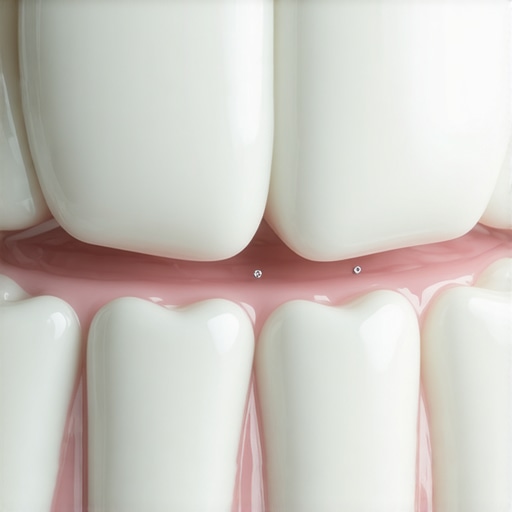
I will never forget the first dinner party I attended after getting my permanent dental bridge. I felt like a million bucks until the appetizer tray came around. One bite of a crusty bruschetta, and suddenly, it felt like I had stashed half the tomato topping in a secret compartment under my new tooth. I spent the next two hours doing that awkward ‘tongue-poke’ move, convinced everyone could see the struggle. If you are currently sitting there with your tongue glued to the back of your bridge trying to dislodge a rogue sesame seed, believe me, I have been there too.
Stop Digging Around and Learn Why Your Bridge is a Magnet for Debris
Having a dental bridge should feel like regaining a part of yourself, not like installing a tiny pantry for leftovers in your jaw. When I first got mine, I made the classic mistake of trying to ‘force’ it to feel like a natural tooth by digging in with a wooden toothpick. Big mistake. I ended up with bleeding gums and a scratch on my porcelain that I could feel for weeks. The reality is that the bridge design includes a small space where the fake tooth, or ‘pontic,’ meets the gum line. According to the American Dental Association, while bridges are excellent for restoring function, they require specific hygiene techniques because they don’t emerge from the gum exactly like a natural root. This gap is necessary, but it certainly takes some getting used to. We are going to solve that ‘trapped’ feeling today. I am going to show you how to tell if the gap is actually too large or if you just need a better cleaning routine, like mastering the specific way to floss under a fixed dental bridge.
Is it actually supposed to feel this way?
You might be skeptical and think your dentist just didn’t fit the thing correctly. I was convinced my bridge was a faulty piece of hardware for at least a month. However, most of the time, the sensation of food being ‘stuck’ is more about the newness of the hardware than a structural failure. We will look at the easiest way to get food out from under your bridge so you can stop worrying during meals. Have you ever felt like your dental bridge comes loose during dinner or just feels bulky? Let me know in the comments, because you are definitely not alone in this. Let’s get into the practical steps to make your mouth feel like yours again.Mastering the toolkit is the only way to stop that nagging sensation of a ‘hidden pantry’ under your bridge. You have to think of your bridge like a highway overpass; you cannot just clean the top of the road and expect the supports to stay clear. You need to get the debris out from underneath the structure. I finally stopped using those dangerous wooden picks after I realized I was just pushing the food deeper. Instead, I invested in a water flosser. My first attempt was a comedy of errors. I leaned over the sink, hit the ‘on’ button, and immediately sprayed my own ear and half the bathroom mirror with a high-pressure jet. It was a mess, but once I learned the trick to using a water flosser without making a total mess, it became my secret weapon. You have to trace the gumline with the tip at a ninety-degree angle and let the water do the heavy lifting for you. This creates a ‘flushing’ effect that manual tools just cannot match.
Ditch the Toothpick for These Three Pro Tools
Dumping the toothpick is the first step toward oral health sanity. Those little wooden sticks are too thick and often splinter, which can actually cause more inflammation in that sensitive gap. Instead, you need tools that are specifically designed to navigate the tight space where your ‘pontic’—the fake tooth—hovers over your gum. I started carrying a small kit with me to restaurants so I would never have to do the ‘tongue-poke’ move in public again.
The Water Flosser Method That Actually Works
If you are not using a water flosser, you are working ten times harder than you need to. The water jet acts like a pressure washer for your teeth, getting into the nooks and crannies that traditional floss cannot reach because the bridge is connected as one solid piece. The key is to start on the lowest pressure setting. When I first tried to go full-blast, I actually made my gums bleed because I was aimless. Once I focused the stream specifically at the junction where the porcelain meets the gum, the debris came out instantly.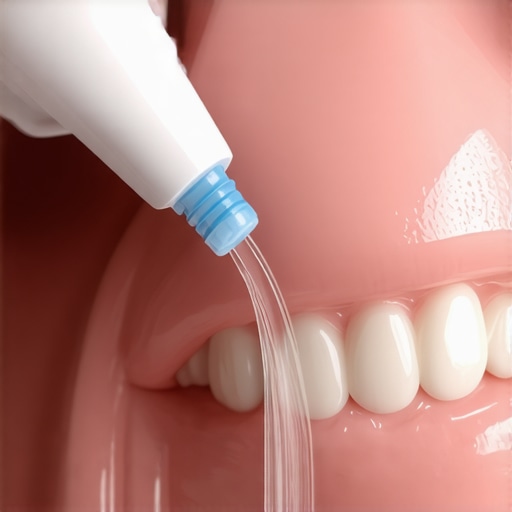
Thread Your Floss Without Losing Your Mind
Traditional flossing is impossible with a bridge because you cannot go ‘down’ between the teeth. You have to go ‘under.’ Most people get frustrated with those little plastic threaders that look like oversized needles. If you find them too fiddly, you should look into how to clean a dental bridge without those annoying threaders by using pre-cut stiff-ended floss. This is a game-changer. You simply slide the stiff end under the bridge and pull it through. I found that doing this once a day, specifically after my heaviest meal, kept the gum tissue from getting red and puffy. If you are struggling with the mechanics, learning the specific way to floss under a fixed dental bridge will save you a lot of time and potential repair costs down the road.
How to Tell if Your Bridge is Actually Failing
Sometimes, the feeling of food getting stuck is a red flag that something is wrong with the hardware itself. If you find that food is getting trapped in a spot where it never used to, your bridge might have a ‘leak’ or the cement could be washing out. I once ignored a slight shift in my bridge for weeks, only to find out the margin had opened up slightly. This is why choosing the right crown expert advice for long-lasting results is so important; the fit must be precise to prevent bacteria from getting under the anchor teeth. If you feel like your bite is off, or if you find yourself asking what to do when your crown feels taller than your other teeth, it is time for a professional adjustment. A bridge should sit flush and feel like a natural part of your mouth, not an obstacle course you have to navigate every time you eat.Many people assume that since a bridge is made of porcelain or metal, they need to ‘attack’ it with a firm toothbrush to keep it clean. This is the biggest mistake you can make. While the bridge itself is tough, the junction where it meets your gum is incredibly delicate. I used to think I was being thorough by scrubbing until my gums felt a little raw, but I was actually destroying the ‘biological seal’ that prevents bacteria from tunneling under the anchor teeth. If you are wondering why your gums are receding despite brushing twice a day, it is likely because you are treating your bridge like a kitchen tile rather than living tissue. According to a study published in the Journal of Clinical Periodontology, over-aggressive mechanical cleaning is a primary driver of gingival recession near fixed prosthetics. You need to embrace the truth about soft vs hard toothbrushes for receding gums; a soft-bristled brush used with a gentle, circular motion is the only way to protect that margin.
Can a 3D scan reveal why your bridge always feels ‘off’?
If you have a persistent sensation that something is ‘stuck’ even after a deep clean, the issue might be microscopic. Traditional 2D X-rays are great for catching big cavities, but they often miss the subtle gaps in a bridge’s margin or early-stage bone loss around an anchor tooth. This is why finding the best dentistry in Culpeper VA usually starts with a 3D CBCT scan. This technology allows a dentist to rotate a 3D model of your jaw and see exactly how the bridge sits on the bone. When I finally had one done, we realized my bridge was sitting just a fraction of a millimeter too close to the bone, causing chronic irritation that no amount of flossing could fix. 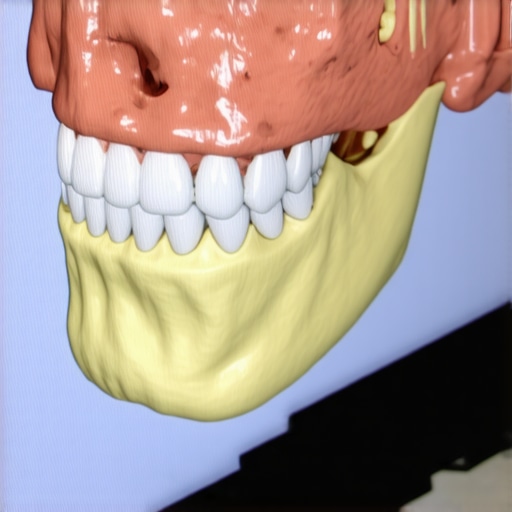 Getting this level of detail is a core part of choosing the right crown expert advice for long-lasting results. If your dentist is still relying solely on those little bite-wing X-rays, you might be missing the root cause of your discomfort.
The whitening trap that leaves your smile looking two-toned
Here is a warning most people don’t get until it’s too late: your bridge will not change color. If you decide to brighten your smile using over-the-counter kits, your natural teeth will whiten while your bridge stays the same shade, leaving you with a patchy, mismatched look. Even worse, if those chemicals get trapped under the bridge, you might notice why your gums look white after using whitening strips—it’s a chemical burn on the sensitive tissue. Always whiten before getting a bridge or consult your dentist about matching a new restoration to your desired shade. Have you ever fallen into this trap of over-cleaning or mismatched whitening? Let me know in the comments. Taking these advanced nuances into account is the difference between a bridge that lasts five years and one that lasts twenty.I used to think my dental bridge was a ‘set it and forget it’ piece of hardware. I was wrong. To keep this investment working, you need to transition from basic cleaning to professional-grade maintenance. One tool I swear by is the interdental brush—specifically the ones with a plastic-coated wire so you do not get that painful ‘zing’ against the metal of your bridge. These tiny brushes can reach the center of the pontic in a way that even a water flosser sometimes misses. If you have been struggling with the transition, check out the ultimate guide to crowns for a healthier smile to see how these restorations interact with your overall mouth health.
How do I maintain my dental bridge over the long haul?
Longevity is all about biofilm management. According to research published in the International Journal of Dentistry, the area under a fixed bridge is a primary reservoir for specific anaerobic bacteria that can lead to ‘secondary caries’ on your anchor teeth. To fight this, I recommend using an antimicrobial rinse once a day, but do not just swish and spit. You need to force the liquid through the gap. It sounds weird, but ‘pulsing’ the rinse with your cheeks ensures it reaches the spaces your brush cannot. This is a core part of family dentistry secrets maintaining oral health with modern techniques at 254 pm. Beyond just cleaning, you have to watch your ‘occlusal load’—basically, how hard you bite. If you find yourself clenching during the day, your bridge acts like a lever, putting immense pressure on the natural teeth holding it up. I have started using a specialized night guard, which is one of the top oral health tips for your family’s bright smiles. It prevents the porcelain from chipping and keeps the underlying structure stable. 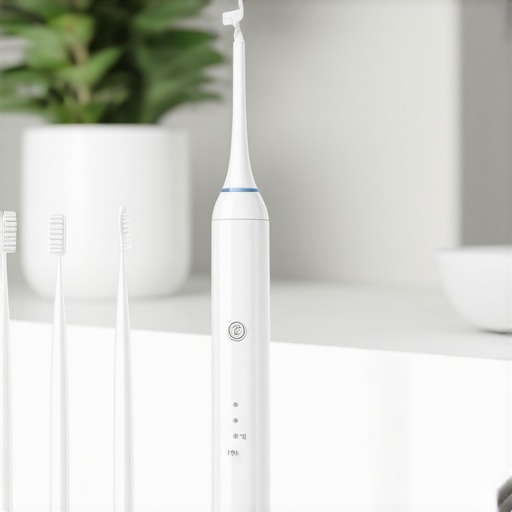
Smart tech is changing the way we see oral health
Looking ahead, I predict we are moving toward a world where ‘smart’ restorations are the norm. Imagine a bridge embedded with micro-sensors that can detect pH changes or bacterial buildup and send an alert to your phone. We are already seeing this level of innovation with invisalign innovations the future of family dentistry revealed at 1137 am. This shift toward ‘predictive’ dentistry is one of the most exciting family dentistry trends improving oral health for all ages. It turns oral care from a daily chore into a data-driven health metric that you can track in real-time. If you want to ensure your bridge lasts twenty years instead of five, start by switching your manual threader for a high-quality water flosser tonight. It is the single biggest upgrade you can make for your gum health. Check out how invisalign transforms family dentistry in 2025 to see how other modern tools are making life easier for patients everywhere.
I will never forget the first dinner party I attended after getting my permanent dental bridge. I felt like a million bucks until the appetizer tray came around. One bite of a crusty bruschetta, and suddenly, it felt like I had stashed half the tomato topping in a secret compartment under my new tooth. I spent the next two hours doing that awkward ‘tongue-poke’ move, convinced everyone could see the struggle. If you are currently sitting there with your tongue glued to the back of your bridge trying to dislodge a rogue sesame seed, believe me, I have been there too.
Stop Digging Around and Learn Why Your Bridge is a Magnet for Debris
Having a dental bridge should feel like regaining a part of yourself, not like installing a tiny pantry for leftovers in your jaw. When I first got mine, I made the classic mistake of trying to ‘force’ it to feel like a natural tooth by digging in with a wooden toothpick. Big mistake. I ended up with bleeding gums and a scratch on my porcelain that I could feel for weeks. The reality is that the bridge design includes a small space where the fake tooth, or ‘pontic,’ meets the gum line. According to the ADA, while bridges are excellent for restoring function, they require specific hygiene techniques because they don’t emerge from the gum exactly like a natural root. This gap is necessary, but it certainly takes some getting used to. We are going to solve that ‘trapped’ feeling today. I am going to show you how to tell if the gap is actually too large or if you just need a better cleaning routine, like mastering the specific way to floss under a fixed dental bridge.
Is it actually supposed to feel this way?
You might be skeptical and think your dentist just didn’t fit the thing correctly. I was convinced my bridge was a faulty piece of hardware for at least a month. However, most of the time, the sensation of food being ‘stuck’ is more about the newness of the hardware than a structural failure. We will look at the easiest way to get food out from under your bridge so you can stop worrying during meals. Have you ever felt like your dental bridge comes loose during dinner or just feels bulky? Let me know in the comments, because you are definitely not alone in this. Let’s get into the practical steps to make your mouth feel like yours again. Mastering the toolkit is the only way to stop that nagging sensation of a ‘hidden pantry’ under your bridge. You have to think of your bridge like a highway overpass; you cannot just clean the top of the road and expect the supports to stay clear. You need to get the debris out from underneath the structure. I finally stopped using those dangerous wooden picks after I realized I was just pushing the food deeper. Instead, I invested in a water flosser. My first attempt was a comedy of errors. I leaned over the sink, hit the ‘on’ button, and immediately sprayed my own ear and half the bathroom mirror with a high-pressure jet. It was a mess, but once I learned the trick to using a water flosser without making a total mess, it became my secret weapon. You have to trace the gumline with the tip at a ninety-degree angle and let the water do the heavy lifting for you. This creates a ‘flushing’ effect that manual tools just cannot match.
Ditch the Toothpick for These Three Pro Tools
Dumping the toothpick is the first step toward oral health sanity. Those little wooden sticks are too thick and often splinter, which can actually cause more inflammation in that sensitive gap. Instead, you need tools that are specifically designed to navigate the tight space where your ‘pontic’—the fake tooth—hovers over your gum. I started carrying a small kit with me to restaurants so I would never have to do the ‘tongue-poke’ move in public again.
The Water Flosser Method That Actually Works
If you are not using a water flosser, you are working ten times harder than you need to. The water jet acts like a pressure washer for your teeth, getting into the nooks and crannies that traditional floss cannot reach because the bridge is connected as one solid piece. The key is to start on the lowest pressure setting. When I first tried to go full-blast, I actually made my gums bleed because I was aimless. Once I focused the stream specifically at the junction where the porcelain meets the gum, the debris came out instantly.
How to Tell if Your Bridge is Actually Failing
Sometimes, the feeling of food getting stuck is a red flag that something is wrong with the hardware itself. If you find that food is getting trapped in a spot where it never used to, your bridge might have a ‘leak’ or the cement could be washing out. I once ignored a slight shift in my bridge for weeks, only to find out the margin had opened up slightly. This is why choosing the right crown expert advice for long-lasting results is so important; the fit must be precise to prevent bacteria from getting under the anchor teeth. If you feel like your bite is off, or if you find yourself asking what to do when your crown feels taller than your other teeth, it is time for a professional adjustment. A bridge should sit flush and feel like a natural part of your mouth, not an obstacle course you have to navigate every time you eat. Many people assume that since a bridge is made of porcelain or metal, they need to ‘attack’ it with a firm toothbrush to keep it clean. This is the biggest mistake you can make. While the bridge itself is tough, the junction where it meets your gum is incredibly delicate. I used to think I was being thorough by scrubbing until my gums felt a little raw, but I was actually destroying the ‘biological seal’ that prevents bacteria from tunneling under the anchor teeth. If you are wondering why your gums are receding despite brushing twice a day, it is likely because you are treating your bridge like a kitchen tile rather than living tissue. According to clinical studies, over-aggressive mechanical cleaning is a primary driver of gingival recession near fixed prosthetics. You need to embrace the truth about soft vs hard toothbrushes for receding gums; a soft-bristled brush used with a gentle, circular motion is the only way to protect that margin.
Lessons My Dental Bridge Taught Me the Hard Way
One thing I wish someone had told me early on is that the sensation of something being ‘stuck’ isn’t always about a physical object. Sometimes, it is the beginning of gum inflammation from microscopic biofilm. I learned that if I wait until I feel the food to clean, I am already behind the curve. Consistency beats intensity every single time.
Another ‘lightbulb moment’ was realizing that my bridge isn’t just a tooth replacement; it is a structural change to my entire bite. If you feel like your bridge is ‘high’ or different, don’t ignore it. I found that what to do when your crown feels taller than your other teeth applies perfectly to bridges too—it needs a professional tweak before it causes a crack or shifts the way you chew.
The Daily Gear I Trust to Keep My Smile Fresh
You don’t need a drawer full of gadgets, but you do need the right ones. I personally swear by three things. First, a high-quality water flosser is non-negotiable. It solves the issue of debris better than any manual tool I’ve used. Second, I keep pre-cut stiff-ended floss in my car and office. It makes a quick clean-up after lunch effortless.
Lastly, I cannot recommend a 3D scan enough if you are having persistent issues. Seeing the ‘hidden’ side of your restoration is vital for peace of mind. Learning what a 3d cbct scan reveals that standard x-rays miss entirely changed how I approached my checkups. This technology is a cornerstone of top oral health tips for your family’s bright smiles.
A Little Effort Now Means Decades of Comfort
Your dental bridge is an investment in your confidence and your health. It might feel like a lot of work right now, but once you master the tools, the routine only takes about two minutes of your day. Don’t let a single bad experience at a dinner party keep you from enjoying your favorite foods. With the right care, you’ll forget the bridge is even there, and your smile will remain as vibrant as ever.
Have you ever found a specific tool or trick that made cleaning your bridge easier? I’d love to hear your experiences—let me know in the comments below!