
The specific food that cracks more teeth than anything else
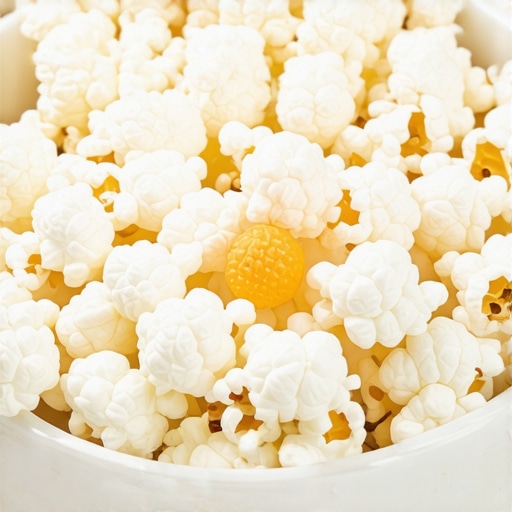
I was three-quarters of the way through a bowl of buttery popcorn, eyes glued to a suspenseful thriller, when I heard a sound louder than the movie’s jump scare. It wasn’t a floorboard creaking; it was a sickening, metallic crack inside my own head. I’d just bit down on a rogue, unpopped kernel. That one “old maid” didn’t just ruin my snack; it sent me on a frantic midnight search for how to stop a sharp tooth from cutting your tongue. Trust me, that’s not how you want to spend your Friday night. It’s a visceral, sharp pain that immediately makes you wonder if your insurance covers weekend emergencies. We often worry about sugar causing cavities or coffee staining our teeth, but we rarely fear the physical impact of what we eat. Today, I’m going to share exactly why popcorn is the secret villain of the dental world and how you can protect your smile without giving up the treats you love.
Stop Underestimating the Danger of Unpopped Kernels
You might think your teeth are indestructible. I certainly did. For years, I prided myself on being able to crunch through ice and hard pretzels without a second thought. That was my first big mistake. I ignored the tiny craze lines—those microscopic cracks in the enamel—thinking they were just “character lines” for my smile. But the American Association of Endodontists points out that cracked teeth are a leading cause of tooth loss because they often go unnoticed until a catastrophic failure occurs. When you hit a popcorn kernel at just the right angle with enough force, that existing stress causes the tooth to split wide open. It happens in an instant. If you’ve already had some work done, you might even find yourself wondering why your porcelain crown has a tiny chip on the edge after a simple movie night. The structural integrity of a tooth, once compromised, is never quite the same. I learned the hard way that a little bit of caution goes a long way. Have you ever felt that terrifying, unexpected crunch that wasn’t supposed to be there?
Can a Simple Snack Really Cause Permanent Damage?
I hear this all the time from neighbors who see me skipping the popcorn bucket at community events. People are skeptical. They think their teeth are like diamonds. But the reality is that the pressure exerted by your jaw muscles is immense—up to 200 pounds of force on the molars. When that force is concentrated on a tiny, rock-hard kernel, something has to give. Usually, it’s your enamel. I’ve spent more time than I’d like to admit researching the safest way to remove a popcorn kernel stuck in your gums, only to realize the kernel had actually taken a piece of my tooth with it. It’s not just about the immediate break, either; it’s about the vulnerability that follows. If you don’t address a crack, you’re looking at a future where why crowns are a game changer in restorative dentistry becomes your primary topic of conversation. It’s better to understand the risks now so you can keep your natural teeth for a lifetime. If you’re a die-hard fan like me, don’t worry—there is a the secret to eating popcorn with a permanent retainer or even just natural teeth without ending up in the dentist’s chair on a Monday morning.
Shake Your Bowl to Find Hidden Traps
The simplest way to avoid a dental disaster starts before you even sit down on the couch. Think of your popcorn bowl like a gold miner’s pan; the goal is to let the ‘heavy’ dangers sink to the bottom. I always give my bowl a vigorous shake for about ten seconds. This physics-based trick forces the dense, unpopped kernels to the base, leaving only the fluffy, safe pieces on top. Once you get near the bottom third of the bowl, stop. It’s better to waste a few cents of corn than to pay for an emergency visit because you were digging for the last bits. If you are supervising snack time for children, choosing the best snacks for kids with new braces that won’t cause damage is a much safer bet than letting them gamble with a bucket of corn. 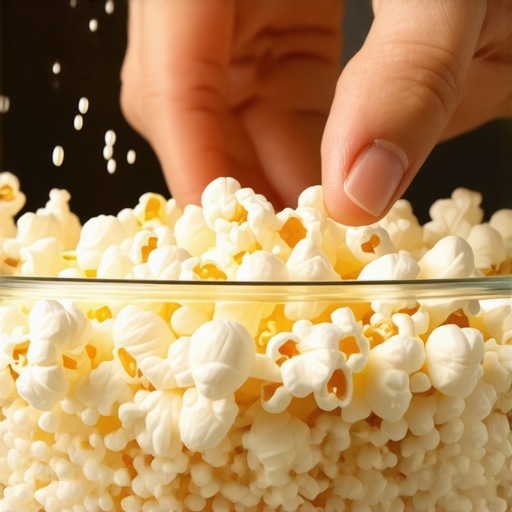
The Tongue Scan Technique
Before your molars make contact with any piece of popcorn, use your tongue as a frontline scout. It sounds tedious, but it becomes second nature after a few tries. I developed this habit after a terrifying incident at a drive-in theater where I almost snapped a premolar on what felt like a literal pebble. Now, I never bite down fully until my tongue confirms there’s no hard center. This is especially vital for those navigating how invisalign transforms family dentistry in 2025, as your teeth are often in a state of movement and can be slightly more sensitive to sudden impacts. If you do feel a sharp edge after a bite, knowing how to stop a chipped tooth from cutting your tongue can prevent a bad situation from becoming a painful one.
When to Choose a Crown Over a Simple Filling
If the worst happens and you hear that dreaded ‘crack,’ a standard filling might not be enough to save the day. When a tooth splits due to the force of a kernel, the structural walls are often compromised. This is where the ultimate guide to crowns for a healthier smile comes into play. A crown acts like a protective helmet, surrounding the remaining tooth structure and holding it together. I once tried to patch a kernel-related chip with a simple resin filling, only for it to pop out three weeks later while I was eating a slice of bread. My dentist explained that for high-pressure areas like molars, why crowns are a game changer in restorative dentistry becomes very clear—they provide the long-term stability a filling just can’t match.
Soft Snacks for the Recovery Phase
If you’ve recently had dental work or are dealing with a minor crack, you need to pivot your diet immediately. After my own dental ‘popcorn incident,’ I spent a week eating mashed avocados, Greek yogurt, and lukewarm soups. This ‘soft food’ phase isn’t just about comfort; it’s about letting the inflammation subside. If you have a new restoration, you might notice why your new crown feels sensitive to cold drinks, which is perfectly normal as the nerve calms down. During this time, I focused on top oral health tips for your family’s bright smiles, like using a soft-bristled brush to avoid irritating the gums around the trauma site. Staying away from crunchy textures for at least 48 hours after a dental scare gives your mouth the best chance to heal without further complications.One of the most dangerous myths I see floating around is the idea that once you have a crown, that tooth is ‘done’ with decay forever. Everyone tells you that synthetic porcelain can’t get a cavity, and they are technically right—the porcelain itself is immune. But in my experience, the real danger lies at the ‘margin,’ the microscopic line where the crown meets your natural tooth. This is where most people get it wrong. They stop flossing as diligently because they think the tooth is invincible. However, a study published by the American Dental Association highlights that secondary caries—decay occurring at the edges of existing restorations—remains a leading cause of tooth loss in adults. If you aren’t careful, you’ll find yourself looking for choosing the right crown expert advice for long-lasting results much sooner than you expected.
Stop Treating Your Crown Like It’s Made of Steel
The ‘oops’ factor with dental work often happens during the first week. Many patients assume that a slight discomfort is just part of the process. While why your new crown feels sensitive to cold drinks is a common temporary issue, ignoring a ‘tall’ feeling when you bite down is a major mistake. If the crown is even a fraction of a millimeter too high, the repetitive force of your jaw will eventually bruise the ligament holding the tooth in place. This can lead to a sensation that feels like a deep ache or even a sharp pain, making you think the root is dying when it’s actually just a mechanical alignment issue. 
Why Does Your New Crown Feel Taller When You Wake Up?
Have you ever noticed that your bite feels ‘off’ in the morning but seems to normalize by lunch? This is a nuance many people overlook. Overnight, your teeth can shift slightly, and if you have even a minor case of bruxism (grinding), your new restoration will take the brunt of that force. Understanding the specific reason your crown feels tall when you wake up can save you from unnecessary anxiety and help your dentist make the right micro-adjustments. Don’t wait for it to ‘wear down’—porcelain is harder than your natural enamel, and it won’t give way; your jaw joint will.
Straight Teeth Don’t Always Mean a Healthy Bite
Another common trap involves the world of clear aligners. People focus so much on the aesthetics of a straight smile that they ignore ‘occlusion’—how the top and bottom teeth actually fit together. In invisalign myths debunked what you need to know today, we often discuss the speed of treatment, but the real expertise lies in ensuring your molars still meet correctly to chew efficiently. If you prioritize speed over proper positioning, you might end up with a beautiful smile that causes chronic jaw pain. It’s about more than just a selfie; it’s about family dentistry secrets maintaining oral health with modern techniques at 254 pm. Have you ever fallen into this trap of prioritizing looks over function? Let me know in the comments.Since I had my first crown placed, I’ve become a bit of an obsessive about the gadgets in my bathroom cabinet. It’s not about buying every shiny new toothbrush; it’s about choosing the right tools to prevent a repeat of that popcorn-induced disaster. I’ve found that a standard toothbrush often misses the ‘shelves’ created by dental work, especially around the back molars. That’s why I rely heavily on a high-quality water flosser. But here is the secret: most people use it on the highest setting and just spray their gums until they bleed. I use it at a medium-low setting, aiming specifically at a 45-degree angle toward the margin of the crown. This is the trick to using a water flosser without making a total mess while actually flushing out the bacteria that hide where your tooth meets the porcelain. If you haven’t tried this specific angle, you are likely missing the very debris that eventually causes crown failure. 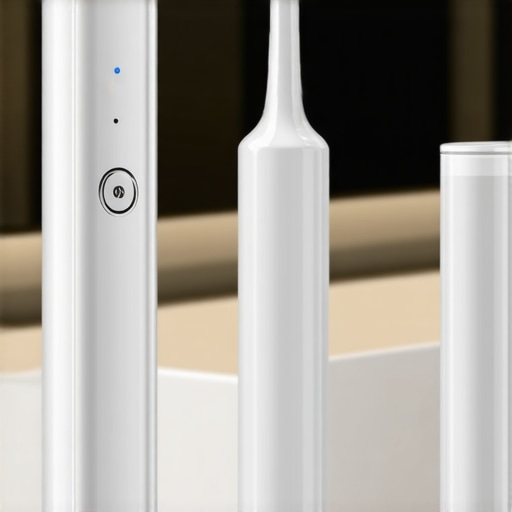
My Personal Kit for Keeping Everything Intact
Beyond the water jet, I’ve added an ultrasonic cleaner for my night guard and aligners. If you are navigating invisalign vs braces which solution fits your lifestyle, you quickly realize that keeping those trays clear is a constant battle against plaque buildup. I use a specific effervescent tablet once a day because manual scrubbing with a regular toothbrush can actually create microscopic scratches on the plastic that trap more bacteria and cause odors. This attention to detail is what separates a restoration that lasts five years from one that lasts twenty. I also keep a stash of interdental brushes for when I’m on the go. They are far more effective than wooden toothpicks for clearing gaps without traumatizing the gum tissue or accidentally chipping a veneer.
How do I maintain my dental work over time?
Consistency is key, but so is the technology you use for professional monitoring. I’ve started asking my dentist for a 3D scan every single year, even when nothing feels wrong. According to the Journal of Prosthetic Dentistry, mechanical failure in crowns and bridges is significantly higher in patients who do not manage their bite force or ignore early structural shifts. Early detection of ‘occlusal wear’ can save you thousands in replacement costs. This is why finding the best dentistry in culpeper va usually starts with a 3d cbct scan; it creates a digital baseline that identifies shifts invisible to the naked eye. We are moving toward a future where AI will analyze these scans in real-time, predicting cracks before they even happen. This trend is already taking off with invisalign innovations the future of family dentistry revealed at 1137 am, where software can simulate years of wear in seconds. If you are curious about the lifespan of your own restorations, remember the truth about how long dental implants actually last often depends more on your home care and these high-tech check-ups than the initial surgery. I want you to try this tonight: instead of just rushing through your brushing, take thirty seconds to look in the mirror and check the edges of your gums for any redness—it’s the first sign that your maintenance routine needs a tweak. These top oral health tips for your family’s bright smiles combined with family dentistry secrets maintaining oral health with modern techniques at 254 pm are the foundation of everything I do to keep my smile movie-ready.
The Hard Lessons My Molars Taught Me About Stress
One of the biggest ‘lightbulb moments’ for me was realizing that my teeth aren’t just tools; they are sensors. When I ignored that first tiny crack, I wasn’t just risking a chip; I was ignoring a structural warning sign that my bite was uneven. I’ve learned that the ultimate guide to crowns for a healthier smile is often the only way to reset that balance. Another realization was that dental work doesn’t mean you’re finished with maintenance; it means you’ve started a new phase of protection. I wish someone had told me years ago that how crowns boost oral health confidence at 815 am comes from the peace of mind that your teeth are reinforced against future accidents, not just patched up for the week.
Tools That Keep My Smile Movie Ready Every Day
My bathroom cabinet looks like a mini-clinic now, but it’s worth it to avoid another emergency chair visit. I don’t go a day without my water flosser, but the real secret is the 3D scan. I truly believe that family dentistry secrets maintaining oral health with modern techniques at 254 pm often start with that digital baseline that catches cracks before they split. I also rely on high-quality interdental brushes instead of wooden picks to protect the delicate margins where my crown meets the gumline. For anyone looking for long-term success, I recommend staying updated on invisalign innovations the future of family dentistry revealed at 1137 am, as modern software can now track tiny shifts in your bite that might be putting dangerous pressure on your molars.
Start Protecting Your Smile Before the Next Crunch
Don’t wait for a midnight emergency to start taking these small, vital steps. Whether it is shaking your popcorn bowl to find the hidden ‘old maids’ or scheduling that long-overdue check-up to check for craze lines, your future self will thank you for being proactive. Your oral health is the foundation of your overall well-being, and it deserves more than just a quick brush at night. Embrace the modern tools available and keep that smile strong enough to handle anything life throws your way. Have you ever had a close call with a popcorn kernel or a hard snack that changed the way you view your dental visits? Let me know in the comments below!