
The truth about how long dental implants actually last
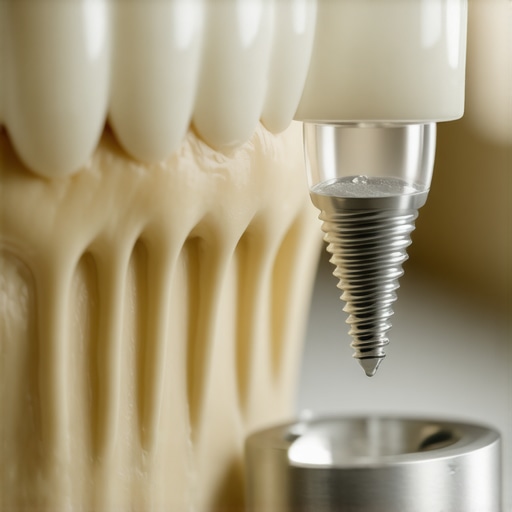
I’ll never forget the morning I sat in my bathroom, heart racing, because I thought I felt my “permanent” tooth wiggle. It was nearly ten years after my surgery, and I had become dangerously complacent. I had fallen hook, line, and sinker for the marketing that dental implants are a “set it and forget it” miracle. I was wrong. I spent that whole week scouring the internet, terrified I was seeing the specific sign my dental implant was rejecting rather than just settling. That scare changed how I looked at oral health forever. Today, I want to talk to you like a neighbor over the fence—no clinical jargon, just the gritty truth about what makes these things stay in your head for the long haul. We are not just talking about survival; we are talking about thriving.
Stop Treating Your Implant Like a Piece of Plastic
Look, I get it. You paid a lot of money for that titanium post. It feels solid. It does not get cavities. You might even find yourself wondering why your dental implant feels different than your natural teeth when you are chewing. But here is the mistake I made: I thought that because the tooth was artificial, the environment around it did not matter. I skipped flossing back there for months. I figured, “What is the worst that could happen? It is metal.” The truth is, the bone and gums supporting that metal are very much alive. If you neglect them, the foundation crumbles. A study in the International Journal of Implant Dentistry notes that while 10-year success rates are near 96.4%, biological complications like peri-implantitis are the leading cause of late-stage failure. Basically, if you do not clean the site, your body will eventually reject the guest.
Is it actually possible for an implant to last 40 years?
This is the big question everyone asks when they see the bill. The short answer is yes, but it is not guaranteed by the manufacturer; it is guaranteed by you. When I finally went back to the dentist during my wiggle scare, he told me my gums were just inflamed from my own neglect. He taught me that even the trick to eating corn on the cob with dental implants is not really about the strength of the porcelain, but about the health of the anchor. I had to relearn how to care for my mouth as a whole system. Have you ever felt like you could slack off on your brushing just because you have “fake” teeth in the mix? Be honest—we have all been there. Today, we are going to walk through the specific steps to ensure your investment stays exactly where it belongs.
Master Your Daily Cleaning Routine
I used to be a ‘string floss’ purist until I got my first implant. One Tuesday night, I was digging around back there and the floss caught on the edge of the metal abutment. It shredded instantly. I spent forty minutes with a pair of tweezers and a magnifying mirror, sweating, trying to pull out blue wax threads that had essentially become a gasket around my implant. That was the day I realized that traditional flossing doesn’t always cut it for dental hardware; you need a system that flushes the area without getting snagged.
Stop the Splash with Better Water Flossing
If you have tried a water flosser and ended up soaking your bathroom mirror, you are likely missing a simple technique. The key is to lean deep over the sink, keep your lips slightly parted, and let the water drain out naturally while you work. This isn’t just about keeping the floor dry; it is about the physics of cleaning. You need to angle the tip at a 45-degree angle toward the gum line. It reaches into those tiny crevices where the titanium meets the tissue—places a toothbrush simply cannot go. Once I mastered the trick to using a water flosser without making a total mess, my gum inflammation disappeared in less than two weeks.
Keep Food Out of the Gaps
One of the biggest complaints I hear—and one I lived through during my own recovery—is the ‘pocket’ problem. Sometimes the way an implant sits creates a little trap for steak or spinach. If you leave that food there, it ferments and triggers the immune response that leads to bone loss. You have to be proactive. Learning how to stop your dental implant from trapping food every time you eat involves both the right tools and knowing the specific angles of your crown. If you notice a persistent ‘full’ feeling after a meal, don’t ignore it. That is your body telling you the foundation is under siege.
Protect the Foundation by Balancing Your Bite
Your implant is a solitary soldier, but it relies on the rest of the ‘army’ in your mouth to stay standing. If your other teeth are shifting, they can put ‘lateral’ pressure on the implant. Titanium can handle vertical pressure from chewing all day, but side-to-side wiggling is a death sentence for the bone bond. This is why I started looking at the ‘big picture’ of my mouth. I learned about the hidden benefits of Invisalign for family dental care in 2025 at 903 am because keeping my natural teeth aligned meant my implant wasn’t taking the brunt of a crooked bite.
Strengthen Your Neighboring Teeth with Crowns
If the tooth next to your implant is weak or decaying, it cannot help share the load. I had a molar next to my implant that was starting to crack, and every time I bit down, I felt a weird sensation. I had to investigate why your dental implant feels different than a natural tooth when you bite to realize the problem wasn’t the implant—it was the failing tooth next to it. Getting a crown on that neighbor saved both of them. Using the ultimate guide to crowns for a healthier smile helped me choose a material that matched the strength of my implant, creating a unified front.
Keep Your Mouth Environment Stable
Lastly, you have to watch for the small sensory shifts. Have you ever noticed that your dental implant feels colder than your natural teeth when you drink ice water? That is normal—it is metal, after all. But if that coldness turns into a throb, you have an environmental issue like rising acidity or bacteria. I started using family dentistry secrets maintaining oral health with modern techniques at 254 pm to keep my pH levels balanced and my saliva flow high, as a dry mouth is an implant’s worst enemy.One of the biggest lies we tell ourselves is that dental work is a static finish line. We think once the crown is on or the aligners are out, we are ‘done.’ But the nuance most people miss is that your mouth is a shifting landscape. Everyone tells you that clear aligners are for a prettier smile, but in my experience, they are actually the ultimate insurance policy for your dental work. If your bite is even slightly off, you are putting thousands of pounds of pressure on your restorations every year. This is why I started researching the hidden benefits of Invisalign for family dental care in 2025—not for vanity, but to stop my teeth from grinding my expensive implant into the ground.
Stop thinking of Invisalign as just a cosmetic fix
Most patients assume that if their teeth look straight, their bite is healthy. That is a dangerous trap. You can have a ‘pretty’ smile while your molars are actually colliding in a way that chips porcelain. If you have noticed why your new zirconia crown feels taller than your other teeth, that is not just a temporary annoyance; it is a mechanical disaster waiting to happen. A study in the Journal of Oral Rehabilitation highlights that occlusal overload—basically, an uneven bite—is a primary culprit in mechanical failures of crowns and implants alike. If it feels off when you bite, your body is literally screaming at you to fix the alignment before the material fractures.
Can shifting teeth actually cause your expensive crown to crack?
Yes, and it happens more often than you would think. As we age, our teeth naturally drift forward. If you do not utilize family dentistry secrets for maintaining oral health with modern techniques, that drift creates ‘collision points.’ I have seen people lose beautiful work because they ignored the black triangle gaps that appear after braces or failed to follow expert advice for long-lasting results. It is about the harmony of the whole mouth, not just the single tooth that was bothering you. When you ignore the micro-movements of your ‘natural’ teeth, you are leaving your ‘artificial’ teeth out to dry. Have you ever felt like your bite changed overnight? Let me know in the comments—I would love to hear if you have fallen into the trap of thinking one fix solves everything.One of the biggest lessons I learned—after that blue floss debacle—is that you cannot rely on willpower alone to keep your mouth healthy. You need a toolkit that actually works for you. For me, that meant moving past the standard drug-store toothbrush. If you are currently wearing aligners, you know the frustration of a tray that just won’t ‘click’ into place. I wasted weeks of progress until I discovered how to seat stubborn Invisalign trays using the munchie technique. It is a small silicone device, but it ensures the plastic is actually gripping the tooth, which is the only way the bone knows to move. Without that pressure, you are just wearing expensive jewelry in your mouth.
How do I maintain my high-end dental work over a lifetime?
The secret is not just brushing; it is managing the biomechanics and the chemistry of your saliva. According to a landmark study in the Journal of Clinical Periodontology, interdental cleaning is the single most important factor in preventing the ‘biological failures’ I mentioned earlier—basically, you must keep the gaps clean or you will eventually lose the bone. I personally use a combination of a high-pressure water flosser and a weekly specialized soak for my night guard. If you have ever wondered about the best way to clean a mouthguard so it stays fresh, please do not use toothpaste; it is far too abrasive and creates tiny micro-scratches where bacteria hide and multiply. I swear by the vinegar soak that safely sanitizes your retainers and guards because it breaks down the calcified biofilm without ruining the expensive material. This is part of the broader top oral health tips for your family’s bright smiles that focus on clinical longevity over quick cosmetic fixes.
Why 3D Scans are Replacing the Guesswork
Looking forward, I predict we are going to see a massive shift toward AI-driven home-monitoring. We are already seeing Invisalign innovations and the future of family dentistry where software scans your teeth via a smartphone app to tell you if your crown is shifting or your gums are receding before you even feel a twinge. We are moving away from ‘waiting for it to hurt’ and toward high-tech prevention. I have started asking my dentist for what a 3D CBCT scan reveals that standard X-rays miss entirely during my annual check-ups because I want to see the bone density around my implant in three dimensions. It is about being the CEO of your own mouth and using family dentistry trends for improving oral health for all ages to stay ahead of the curve. My challenge for you this week: ditch the traditional string floss for just one night and try an interdental brush or a water flosser on your back molars. You will be shocked—and maybe a little grossed out—at what the string has been leaving behind for years.
What Ten Years of Dental Implants Taught Me About Resilience
Looking back at my journey, the biggest takeaway wasn’t about the surgery itself, but the daily commitment to maintenance. I eventually realized that why your dental implant feels different than your natural teeth is actually a testament to how the titanium integrates with your jaw, but it requires a different kind of vigilance than a living tooth. I also learned that if you ever feel why your dental crown feels like its shifting, it is rarely the crown’s fault; it is usually the surrounding teeth moving and changing the pressure points in your mouth. The hardest lesson was discovering that pain is a late-stage signal—if you wait for a twinge to tell you something is wrong, you have likely already missed the window for a simple fix.
The Non-Negotiable Tools for Your Smile’s Longevity
To keep my mouth in peak condition, I have curated a toolkit that goes far beyond the basic grocery-store brush. I highly recommend looking into how Invisalign transforms family dentistry in 2025 as a structural safeguard to maintain bite alignment, which is the real secret to not cracking your expensive porcelain crowns over time. For daily hygiene, mastering the best way to clean a mouthguard so it stays fresh or keeping your nightly retainers sanitized is vital to prevent bacterial buildup around the gumline. These aren’t just gadgets; they are the insurance policy for your long-term oral health investment.
#IMAGE_PLACEHOLDER_E#
Your Smile Deserves More Than Just Survival
At the end of the day, your mouth is the gateway to your overall health, and a healthy restoration is a reflection of a healthy lifestyle. By prioritizing top oral health tips for your family’s bright smiles, you are not just protecting your teeth; you are investing in your future confidence and comfort. If you are ready to take the next step or have specific concerns about your restorations, don’t hesitate to reach out through our contact us page to get expert guidance. Have you ever noticed your teeth feel more sensitive during times of high stress? Let me know in the comments below!