
How to stop your glasses from fogging up while wearing a dental bib

I was sitting there, gripped by that familiar mix of anxiety and anticipation, waiting for my latest set of Invisalign trays to be fitted. The hygienist draped that thick, crinkly dental bib over my chest and secured the clip. Within thirty seconds, the world vanished. My glasses didn’t just fog; they turned into two opaque white clouds. I couldn’t see the dental light, the doctor, or even my own hands. It is a strangely isolating feeling to be blind while someone is working on your teeth. I tried the old ‘breathe out of the side of my mouth’ trick, but that just made me look like I was having a minor crisis. It was a classic dental appointment fail that I’m determined to help you avoid. Today, I’m sharing the neighborly secrets to keeping your vision crystal clear, whether you are in for a routine cleaning or getting fitted for dental crowns.
Stop the Steam During Your Next Dental Visit
One of the biggest mistakes I made early on was trying to tuck the top of the bib under my glasses. I thought it would create a barrier, but it actually acted like a chimney, funneled my warm breath straight onto the lenses. According to physics experts at the Journal of Ophthalmic & Physiological Optics, condensation occurs when warm, moist air hits a surface that is significantly cooler. When you are reclined in the chair, the bib traps your body heat and your breath, creating the perfect storm for fog. Whether you are dealing with modern family dentistry techniques or just a quick check-up, you shouldn’t have to navigate it in a haze. Have you ever spent an entire hour in the chair staring at nothing but white mist? It’s more common than you think.
Is This Fog Really Worth the Extra Effort?
You might be thinking that you can just take your glasses off, but for many of us, that isn’t an option if we want to actually see the progress of our smile transformation or look at those high-tech X-rays. My goal is to give you three simple, household-style hacks that don’t require fancy anti-fog sprays. We are talking about things you can do in thirty seconds before the dentist even walks in. We want to ensure your family’s bright smiles are something you can actually see during the process. Let’s dive into the practical ways to stay clear-headed and clear-eyed.
Wash Your Lenses with Dish Soap Before You Leave
The most effective way to combat the fog is to create a microscopic barrier on your lenses. This isn’t about using fancy chemicals; it’s about basic surface tension. Before you head out for your appointment, take a drop of mild dish soap and rub it onto both sides of your lenses. Rinse them lightly with lukewarm water and let them air dry or gently pat them with a microfiber cloth. This leaves behind a thin, invisible film that prevents water molecules from clustering into that annoying white mist. I remember doing this right before a long session for my zirconia crown. Usually, I’d be squinting and guessing what the dentist was doing, but with the soap trick, I could actually see the digital scans of my teeth clearly. It’s a game-changer when you’re trying to stay relaxed while someone is working in your mouth.
Tuck a Tissue Under the Bridge of Your Frames
If you’re already at the office and forgot the soap trick, ask the hygienist for a small piece of tissue or a gauze pad. Fold it into a small horizontal strip and place it across the bridge of your nose, then rest the top edge of your glasses over it. The tissue acts like a sponge, catching the warm moisture from your breath before it can escape upward. It’s a simple mechanical block. During my last visit to check on my Invisalign progress, I felt a bit silly with a tiny piece of tissue on my nose, but the result was crystal clear vision for the full forty minutes. It was much better than the time I tried to hold my breath and ended up feeling lightheaded halfway through the procedure.
Ditch the Chimney Effect by Repositioning the Dental Bib
We need to talk about that bib. It is designed to protect your clothes, but it is also a heat trap. When the hygienist clips it on, the tendency is to have it high and tight against the neck. This creates a ‘chimney’ where your breath is funneled directly up toward your eyes. Instead, ask to have the bib clipped slightly lower, or even better, fold the top inch of the bib inward. This creates a little shelf that diverts your breath outward rather than upward. This is especially helpful during modern family dentistry procedures where you might be reclined for an extended period. If your tooth sensitivity makes you tense up and breathe more heavily, this small adjustment to the bib’s position can prevent a total visual blackout.
Master the Art of Downward Nasal Breathing
While it sounds like a yoga technique, controlling the direction of your exhale is a practical skill for any dental patient. When you are in the chair, consciously try to direct your breath downward, past your chin, rather than straight out or up. This works in tandem with the bib adjustment. I practiced this while learning how to seat stubborn Invisalign trays. It takes a little bit of focus, but once you find that rhythm of breathing through your nose and directing the air down, the fogging stops almost instantly. If you find your crown feels tight or you’re experiencing some pressure, focusing on this controlled breathing serves two purposes: it keeps your glasses clear and helps lower your overall heart rate, making the entire visit much more tolerable.Beyond just staying clear-eyed in the chair, there is a much deeper level of dental nuance that many patients—and even some practitioners—gloss over. We often treat dental crowns or Invisalign treatments as ‘set it and forget it’ solutions. But the truth is, the most sophisticated part of your oral health isn’t the porcelain or the plastic; it’s the ‘occlusion,’ or how your teeth actually meet when you’re not thinking about it.
Why Your New Crown Isn’t Actually Indestructible
A common myth I see all the time is the belief that once a tooth is crowned, it is essentially ‘bulletproof’ against decay. In my experience, this is the most dangerous trap you can fall into. While the crown itself won’t decay, the tiny seam where the restoration meets your natural tooth—the margin—is a magnet for microscopic plaque. This is why choosing the right crown expert is so vital. If that fit isn’t seamless, you are essentially building a house on a cracked foundation. A study published in the Journal of Prosthetic Dentistry highlights that even a 10-micron discrepancy in your bite—thinner than a human hair—can lead to long-term joint pain or nerve inflammation. If you’ve ever wondered why your crown feels tight after flossing, it might not be the floss; it could be the way the crown is interacting with your adjacent teeth under pressure.
Watch Out for the Vibration Trap
Have you ever noticed a strange sensation when you tap your teeth together? I call it the ‘vibration trap.’ Most people think a crown should just feel ‘there,’ but if your dental crown feels like it is vibrating, your bite is likely off. This is a nuance that standard X-rays often miss. If the crown is even a fraction of a millimeter too high, it absorbs the full force of your jaw muscles, which can actually bruise the ligament holding the tooth in place. This isn’t just a minor annoyance; it’s a ‘silent’ failure that can lead to a fractured root months down the line. We want to ensure your family’s bright smiles stay intact, and that means listening to those subtle ‘zings’ or vibrations early on. #IMAGE_PLACE_HOLDER_C#
Why Does Your New Zirconia Crown Feel Taller Only When You Grind?
This is the ultimate sophisticated reader question. Many patients report that their bite feels perfect at the dentist’s office, but their new zirconia crown feels taller only when they are stressed or at night. This happens because your jaw muscles tighten and pull the joint into a different position than when you are relaxed in the dental chair. It’s a classic ‘dynamic’ vs. ‘static’ bite issue. If you’re going through a Invisalign vs. braces comparison, remember that the goal is a functional bite, not just straight teeth. Have you ever fallen into the trap of thinking a ‘high spot’ would just wear down over time? Let me know in the comments—I’ve been there, and I can tell you, waiting usually makes it worse. By staying ahead of these tiny nuances in modern family dentistry techniques, you can save yourself from unnecessary rework and keep your smile healthy for decades.I used to think that once my dental work was finished, I could just coast on autopilot. I assumed the hard part was over once the final dental crowns were seated or my last aligner was popped in. But as any seasoned patient will tell you, the real work is in the preservation. If you want those family’s bright smiles to last more than a few years, you have to upgrade your toolkit beyond the basic supermarket toothbrush.
The One Tool That Saved My Crown Margins
When you have restorative work, the ‘margin’—that tiny junction where the crown meets your natural tooth—becomes your biggest vulnerability. I personally swear by a high-quality water flosser, but not just for the generic spray. I use the ‘pulse’ setting specifically aimed at a 45-degree angle toward the gum line. According to research published in the Journal of Oral Rehabilitation, interdental cleaning is the single most critical factor in preventing secondary caries around restorations. If you aren’t clearing that microscopic debris, you’re essentially waiting for a cavity to form under a five-hundred-dollar piece of porcelain. This is why choosing the right crown expert matters; they can guide you on the specific anatomy of your bite so you know exactly where to aim.
Why I Switched to Sonic Brushing for My Invisalign Journey
During my treatment, I noticed my Invisalign trays were turning yellow despite my best efforts. The culprit wasn’t just the trays; it was the biofilm on my teeth transferring to the plastic. I moved to a sonic toothbrush with a pressure sensor. Unlike manual scrubbing, which can actually cause you to recede your gums from brushing too hard, the sonic vibration disrupts bacteria colonies through ‘non-contact’ fluid dynamics. It’s a fancy way of saying the bubbles do the work for you. This is a staple in modern family dentistry techniques because it removes more plaque from those awkward spaces around Invisalign attachments. 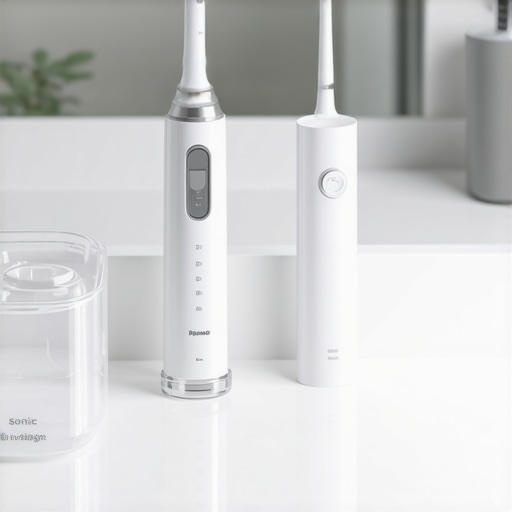
How do I keep my restorative work from failing over the next decade?
Long-term success is about consistency and the right ‘check-in’ rhythm. We often see family dentistry trends shifting toward prevention, and I believe the future lies in AI-integrated dental apps that use your phone’s camera to scan for early signs of wear on your vibrating dental crowns or shifts in your alignment. In the meantime, don’t ignore the ‘zing’ of tooth sensitivity. It is your body’s early warning system. I recommend the ‘saltwater rinse hack’ for immediate relief if you feel minor gum irritation, but never use it as a substitute for a professional evaluation. My advanced tip for today? Next time you brush, use your non-dominant hand. It forces you to pay closer attention to the angles and ensures you don’t miss those hidden spots most people miss. Give it a try tonight and see how much more aware you become of your oral landscape.
The Hardest Lesson I Learned About Lifelong Smile Preservation
After years of navigating various treatments, I realized that the “perfect” smile is a moving target, not a destination. One major lightbulb moment was discovering that your bite changes based on stress levels. I used to think a crown was just a cap, but learning why your crown feels like it has a high spot only when you grind taught me that the body is constantly reacting to our environment. Another revelation? Don’t wait for pain to be the signal for action; by the time it hurts, the damage is often deep. Finally, the best outcomes happen when you view your dentist as a partner in how Invisalign transforms family dentistry, rather than just a technician you see twice a year.
My Personal Arsenal for a Perfect Smile
I don’t believe in buying every gadget on the shelf, but a few specific tools have fundamentally changed my dental health. First, a high-quality water flosser is non-negotiable for anyone with restorative work; it is the only way to truly reach the hidden spots most people miss while brushing. Second, I keep a container of high-quality sea salt on hand because the saltwater rinse hack is still the most effective way to calm minor gum inflammation. Lastly, I highly recommend finding a practitioner who uses 3D scanning, as choosing the right crown expert depends on their ability to see the micro-nuances of your natural anatomy.
A Clear Path to Your Future Smile
Taking control of your oral health journey doesn’t have to be overwhelming. Whether you are clearing the fog off your glasses or managing the complex fit of new crowns, the goal is clarity and comfort. Modern family dentistry is about more than just fixing problems; it is about empowering you to maintain a vibrant, functional smile for life. Don’t be afraid to ask the “silly” questions or request adjustments until everything feels exactly right. Your long-term confidence is worth the extra thirty seconds of effort. Have you ever felt that annoying high spot on a new crown or struggled with foggy glasses in the chair? Let me know your experience in the comments below!