
How to stop a chipped tooth from cutting your tongue
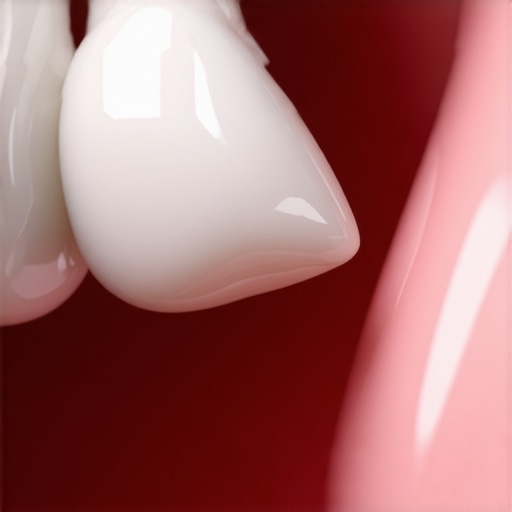
I was sitting at my favorite Mexican spot, halfway through a basket of extra-salty chips, when I heard it: a sharp, sickening click. I didn’t even need to look in a mirror to know I had done it. I’d managed to snap a corner off my molar. But the real torture didn’t start until five minutes later. That is when my tongue—which apparently has a mind of its own—decided it needed to investigate the new jagged edge every three seconds. By the time I got home, the side of my tongue felt like it had been through a paper shredder. If you are reading this while currently wincing, I know exactly how much that tiny, sharp edge can ruin your entire day.
Stop the Bleeding Before Your Tongue Gives Up
The first thing I learned the hard way is that your tongue is incredibly sensitive and heals slowly when it’s being constantly traumatized. When you have a jagged edge, your instinct is to poke at it, but you have to stop. I made the massive mistake of trying to ‘smooth it out’ with a fingernail file once—please, for the love of your enamel, do not do that. You risk cracking the tooth further or causing an infection that could lead to needing crowns sooner than you’d like. Instead, you need a physical barrier. Over-the-counter dental wax (the stuff kids use for braces) is your absolute best friend. You just roll a tiny ball of it and smoosh it over the sharp point. It stays put, tastes like nothing, and finally lets your tongue rest.
Is a tiny chip really worth the emergency call?
You might be thinking you can just tough it out until your next six-month cleaning. I thought so too, until the irritation turned into a full-blown canker sore that made talking impossible. According to the American Association of Endodontists, even a minor-looking chip can sometimes hide a hairline fracture that goes deeper into the root. While you can manage a chipped front tooth with wax for a day or two, you really need a professional to check if the structural integrity is compromised. Have you ever tried to ‘wait out’ a tooth issue only to have it turn into a weekend emergency? I’d love to hear your stories in the comments—misery loves company, after all.
If the wax isn’t staying, another neighborly tip is to use a small piece of sugarless gum in a pinch, though it’s not a long-term fix. We’re aiming to get you through the night without a bloody tongue. Once you’ve neutralized the ‘razor blade,’ you can start looking at whether you’ll need a simple filing or if it’s time to consult a crown expert to restore the tooth’s shape. Let’s look at exactly how to handle the next 24 hours without losing your mind.
Once you’ve calmed the initial panic, the goal is to sanitize the area. I remember standing in my bathroom, heart racing, thinking I’d need a full reconstruction immediately. But first, you need to flush out any tiny shards of enamel or leftover tortilla chip that might be hiding in the crevice. Use a warm saltwater rinse—about half a teaspoon of salt in an 8-ounce glass of water. This isn’t just an old wives’ tale; it’s a legitimate salt water rinse trick that reduces bacteria and helps soothe the microscopic cuts on your tongue.
Clear the Debris Before You Patch the Problem
Before you apply any barrier, make sure the area is bone-dry. In my experience, dental wax is like a command strip—it only works on a clean, dry surface. If you try to stick it to a saliva-coated molar, it will slide right off and end up in your stomach by dinner time. Use a sterile gauze pad or a clean cotton swab to pat the tooth dry. While you are at it, look closely in the mirror. Does the area look dark? Sometimes a dark spot is a cavity that weakened the tooth from the inside out, making it brittle enough to snap during a normal meal.
Master the Art of the Dental Wax Shield
Applying the wax is an art form. My first attempt was a disaster; I used a chunk the size of a marble, and I couldn’t even close my mouth properly. I felt like a squirrel storing nuts for winter. The trick is to take a piece no larger than a pea, roll it between your fingers to soften it with your body heat, and then firmly press it over the sharp edge. If it’s a front tooth, you’ll want to be even more precise so it doesn’t look like you have something stuck in your smile. This is the same logic used when you manage a chipped front tooth temporarily. 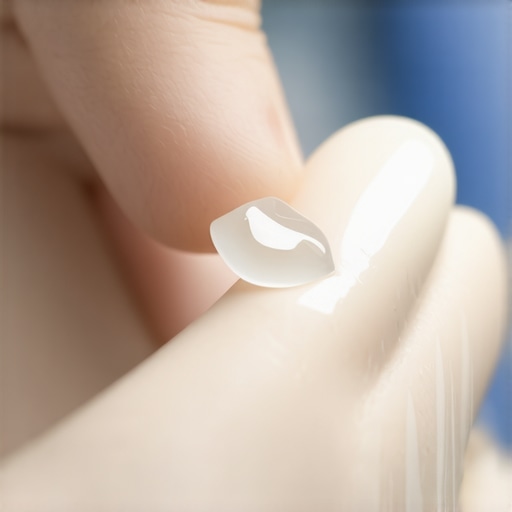
Take the Sip Test to Check for Nerve Damage
Next, you need to determine if the nerve is exposed. If air hitting the tooth makes you jump, or if ice water feels like an electric shock, you’ve likely gone deeper than the enamel. You can try the sip test to gauge the severity. If the pain lingers for minutes after the cold is gone, that’s a signal that the pulp is involved, and you shouldn’t wait more than 24 hours to see a professional.
Why Your Old Filling Might Be the Real Culprit
Why did it break? Sometimes it’s a fluke, but often it’s because of structural weakness. If you have old fillings, they can eventually fail. I learned that the hidden sign your old silver filling is failing is often a crack you can’t even see until the tooth finally gives way. In these cases, a simple patch won’t work. You’ll likely need to discuss why crowns are a game changer for saving the remaining tooth structure. They act like a helmet for your tooth, preventing further fractures. If your teeth are crowded, making them more prone to chips, your dentist might even suggest looking into how Invisalign transforms family dentistry by aligning your bite to distribute pressure more evenly. Once the wax is in place, avoid chewing on that side of your mouth until your appointment. Even with the shield, the tooth is structurally compromised and another ‘crunch’ could lead to a vertical fracture that requires an extraction.
Most people assume that if a chip isn’t causing a sharp throb, they have dodged a bullet. In reality, the absence of initial pain is often just a lag in the nerve’s response or a sign that the fracture hasn’t reached the pulp—yet. I have seen friends ignore a jagged molar for months, only to find out that the constant micromovement of the remaining tooth structure eventually caused a vertical root fracture. According to a study published in the Journal of Prosthetic Dentistry, teeth with untreated structural loss are significantly more prone to catastrophic failure under normal biting forces. This is where modern family dentistry secrets come into play—detecting these micro-strains before they require an extraction.
The Misalignment Trap You Might Be Walking Into
Let’s talk about the ‘Oops’ factor of DIY fixes. Beyond the obvious danger of ‘filing’ your own teeth, the biggest trap is treating the chip as an isolated event. If you are constantly chipping the same area, it is rarely just about the hard food you ate; it is usually about how your teeth collide. This addresses one of the many Invisalign myths debunked: people often think clear aligners are purely for vanity. In my experience, they are a functional tool to stop you from literally grinding your teeth into dust by correcting a traumatic bite. Ignoring the ‘why’ behind the break is like patching a tire without removing the nail.
Does a tiny chip really justify a full crown?
Not always, but here is the nuance: if the chip has compromised more than 50% of the tooth’s width, a standard resin filling is basically a ticking time bomb. The bonding material used for small repairs simply does not have the same compressive strength as your natural tooth or a high-quality porcelain restoration. That is why crowns are a game changer; they provide 360-degree protection that a filling cannot offer. I used to think it was overkill when a dentist suggested a crown for a chip that didn’t even hurt, but then I saw how a large filling can actually act like a wedge, eventually splitting the tooth right down the middle under pressure.
Your Old Fillings Are Not Immortal
Another common mistake is ignoring the age of your existing dental work. Many of us are walking around with ‘silver’ amalgams from decades ago. The hidden sign your old silver filling is finally failing isn’t always a visible hole; it is often a grayish staining of the surrounding enamel or tiny ‘craze lines’ around the edges. Metal expands and contracts with temperature at a different rate than your tooth, which creates internal stress over time. Have you ever fallen into this trap—waiting until a tooth actually broke before checking on the integrity of an old filling? Let me know in the comments, because I have definitely been there, and I’d love to hear how you handled it.
Once you’ve addressed the immediate crisis of a chipped tooth, the focus shifts to the long game. I used to think a crown was the finish line, but it’s actually the starting block. To keep that restoration from becoming another ‘oops’ moment, you have to change how you clean. I personally swear by the high-pressure water flosser, but not the way most people use it. Most folks end up soaking their bathroom mirror and giving up. You have to lean way over the sink and keep your lips closed; it’s the trick to using a water flosser without making a total mess that makes it a sustainable habit rather than a chore. This tool is non-negotiable because it flushes out the biofilm under the margins of your new work where a standard string can’t reach.
Invest in Data Not Just Porcelain
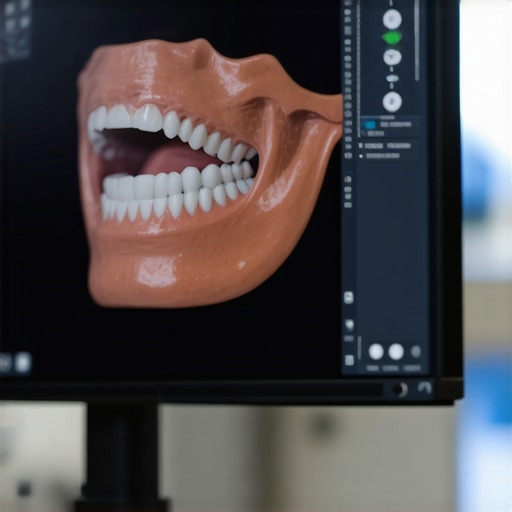
The biggest shift I’ve seen in modern family dentistry trends is the move toward digital archiving. Every time I go in now, I ask for a 3D scan. Why? Because it creates a ‘baseline’ of your mouth. According to the International Journal of Computerized Dentistry, 3D intraoral scans allow dentists to overlay images from two different years to see exactly where you are grinding down your enamel—even by a fraction of a millimeter. This is exactly why finding the best dentistry in Culpeper VA usually starts with a 3d cbct scan; it’s about predictive maintenance rather than reactive repairs.
How do I keep my dental work from failing again?
The secret is managing the ‘bite forces’ we talked about earlier. If you’ve just had a crown placed, you need to be incredibly careful during the transition phase. I remember the anxiety of trying to floss around a temporary crown without pulling it off. If you feel like your bite is ‘heavy’ on that side, don’t wait for it to ‘settle.’ A crown that is even a hair too tall will eventually fracture itself or the tooth underneath. This is where how Invisalign transforms family dentistry becomes relevant even for adults with existing crowns—it’s about aligning the gears of your mouth so no single tooth takes the brunt of the impact.
The Future of Your Bathroom Counter
Looking ahead, I predict we are going to see ‘smart’ toothbrushes that don’t just tell you how long you brushed, but actually analyze the pH levels of your saliva in real-time. We are entering an era where top oral health tips for your family’s bright smiles will be driven by AI diagnostics in your own home. For now, my best advice is to treat your dental work like a high-performance engine. You wouldn’t skip an oil change on a Ferrari, so don’t skip the professional cleanings for your porcelain. If you haven’t yet, try using a water flosser on the lowest setting tonight—it’s a game changer for keeping those crown margins healthy and avoiding that dreaded ‘black line’ at the gum.
I was sitting at my favorite Mexican spot, halfway through a basket of extra-salty chips, when I heard it: a sharp, sickening click. I didn’t even need to look in a mirror to know I had done it. I’d managed to snap a corner off my molar. But the real torture didn’t start until five minutes later. That is when my tongue—which apparently has a mind of its own—decided it needed to investigate the new jagged edge every three seconds. By the time I got home, the side of my tongue felt like it had been through a paper shredder. If you are reading this while currently wincing, I know exactly how much that tiny, sharp edge can ruin your entire day.
Stop the Bleeding Before Your Tongue Gives Up
The first thing I learned the hard way is that your tongue is incredibly sensitive and heals slowly when it’s being constantly traumatized. When you have a jagged edge, your instinct is to poke at it, but you have to stop. I made the massive mistake of trying to ‘smooth it out’ with a fingernail file once—please, for the love of your enamel, do not do that. You risk cracking the tooth further or causing an infection that could lead to needing crowns sooner than you’d like. Instead, you need a physical barrier. Over-the-counter dental wax (the stuff kids use for braces) is your absolute best friend. You just roll a tiny ball of it and smoosh it over the sharp point. It stays put, tastes like nothing, and finally lets your tongue rest.
Is a tiny chip really worth the emergency call?
You might be thinking you can just tough it out until your next six-month cleaning. I thought so too, until the irritation turned into a full-blown canker sore that made talking impossible. According to the American Association of Endodontists, even a minor-looking chip can sometimes hide a hairline fracture that goes deeper into the root. While you can manage a chipped front tooth with wax for a day or two, you really need a professional to check if the structural integrity is compromised. Have you ever tried to ‘wait out’ a tooth issue only to have it turn into a weekend emergency? I’d love to hear your stories in the comments—misery loves company, after all.
If the wax isn’t staying, another neighborly tip is to use a small piece of sugarless gum in a pinch, though it’s not a long-term fix. We’re aiming to get you through the night without a bloody tongue. Once you’ve neutralized the ‘razor blade,’ you can start looking at whether you’ll need a simple filing or if it’s time to consult a crown expert to restore the tooth’s shape. Let’s look at exactly how to handle the next 24 hours without losing your mind.
Once you’ve calmed the initial panic, the goal is to sanitize the area. I remember standing in my bathroom, heart racing, thinking I’d need a full reconstruction immediately. But first, you need to flush out any tiny shards of enamel or leftover tortilla chip that might be hiding in the crevice. Use a warm saltwater rinse—about half a teaspoon of salt in an 8-ounce glass of water. This isn’t just an old wives’ tale; it’s a legitimate salt water rinse trick that reduces bacteria and helps soothe the microscopic cuts on your tongue.
Clear the Debris Before You Patch the Problem
Before you apply any barrier, make sure the area is bone-dry. In my experience, dental wax is like a command strip—it only works on a clean, dry surface. If you try to stick it to a saliva-coated molar, it will slide right off and end up in your stomach by dinner time. Use a sterile gauze pad or a clean cotton swab to pat the tooth dry. While you are at it, look closely in the mirror. Does the area look dark? Sometimes a dark spot is a cavity that weakened the tooth from the inside out, making it brittle enough to snap during a normal meal.
Master the Art of the Dental Wax Shield
Applying the wax is an art form. My first attempt was a disaster; I used a chunk the size of a marble, and I couldn’t even close my mouth properly. I felt like a squirrel storing nuts for winter. The trick is to take a piece no larger than a pea, roll it between your fingers to soften it with your body heat, and then firmly press it over the sharp edge. If it’s a front tooth, you’ll want to be even more precise so it doesn’t look like you have something stuck in your smile. This is the same logic used when you manage a chipped front tooth temporarily.
Take the Sip Test to Check for Nerve Damage
Next, you need to determine if the nerve is exposed. If air hitting the tooth makes you jump, or if ice water feels like an electric shock, you’ve likely gone deeper than the enamel. You can try the sip test to gauge the severity. If the pain lingers for minutes after the cold is gone, that’s a signal that the pulp is involved, and you shouldn’t wait more than 24 hours to see a professional.
Why Your Old Filling Might Be the Real Culprit
Why did it break? Sometimes it’s a fluke, but often it’s because of structural weakness. If you have old fillings, they can eventually fail. I learned that the hidden sign your old silver filling is failing is often a crack you can’t even see until the tooth finally gives way. In these cases, a simple patch won’t work. You’ll likely need to discuss why crowns are a game changer for saving the remaining tooth structure. They act like a helmet for your tooth, preventing further fractures. If your teeth are crowded, making them more prone to chips, your dentist might even suggest looking into how Invisalign transforms family dentistry by aligning your bite to distribute pressure more evenly. Once the wax is in place, avoid chewing on that side of your mouth until your appointment. Even with the shield, the tooth is structurally compromised and another ‘crunch’ could lead to a vertical fracture that requires an extraction.
Most people assume that if a chip isn’t causing a sharp throb, they have dodged a bullet. In reality, the absence of initial pain is often just a lag in the nerve’s response or a sign that the fracture hasn’t reached the pulp—yet. I have seen friends ignore a jagged molar for months, only to find out that the constant micromovement of the remaining tooth structure eventually caused a vertical root fracture. According to a study published in the Journal of Prosthetic Dentistry, teeth with untreated structural loss are significantly more prone to catastrophic failure under normal biting forces. This is where modern family dentistry secrets come into play—detecting these micro-strains before they require an extraction.
The Misalignment Trap You Might Be Walking Into
Let’s talk about the ‘Oops’ factor of DIY fixes. Beyond the obvious danger of ‘filing’ your own teeth, the biggest trap is treating the chip as an isolated event. If you are constantly chipping the same area, it is rarely just about the hard food you ate; it is usually about how your teeth collide. This addresses one of the many Invisalign myths debunked: people often think clear aligners are purely for vanity. In my experience, they are a functional tool to stop you from literally grinding your teeth into dust by correcting a traumatic bite. Ignoring the ‘why’ behind the break is like patching a tire without removing the nail.
Does a tiny chip really justify a full crown?
Not always, but here is the nuance: if the chip has compromised more than 50% of the tooth’s width, a standard resin filling is basically a ticking time bomb. The bonding material used for small repairs simply does not have the same compressive strength as your natural tooth or a high-quality porcelain restoration. That is why crowns are a game changer; they provide 360-degree protection that a filling cannot offer. I used to think it was overkill when a dentist suggested a crown for a chip that didn’t even hurt, but then I saw how a large filling can actually act like a wedge, eventually splitting the tooth right down the middle under pressure.
Your Old Fillings Are Not Immortal
Another common mistake is ignoring the age of your existing dental work. Many of us are walking around with ‘silver’ amalgams from decades ago. The hidden sign your old silver filling is finally failing isn’t always a visible hole; it is often a grayish staining of the surrounding enamel or tiny ‘craze lines’ around the edges. Metal expands and contracts with temperature at a different rate than your tooth, which creates internal stress over time. Have you ever fallen into this trap—waiting until a tooth actually broke before checking on the integrity of an old filling? Let me know in the comments, because I have definitely been there, and I’d love to hear how you handled it.
Once you’ve addressed the immediate crisis of a chipped tooth, the focus shifts to the long game. I used to think a crown was the finish line, but it’s actually the starting block. To keep that restoration from becoming another ‘oops’ moment, you have to change how you clean. I personally swear by the high-pressure water flosser, but not the way most people use it. Most folks end up soaking their bathroom mirror and giving up. You have to lean way over the sink and keep your lips closed; it’s the trick to using a water flosser without making a total mess that makes it a sustainable habit rather than a chore. This tool is non-negotiable because it flushes out the biofilm under the margins of your new work where a standard string can’t reach.
Invest in Data Not Just Porcelain
The biggest shift I’ve seen in modern family dentistry trends is the move toward digital archiving. Every time I go in now, I ask for a 3D scan. Why? Because it creates a ‘baseline’ of your mouth. According to the International Journal of Computerized Dentistry, 3D intraoral scans allow dentists to overlay images from two different years to see exactly where you are grinding down your enamel—even by a fraction of a millimeter. This is exactly why finding the best dentistry in Culpeper VA usually starts with a 3d cbct scan; it’s about predictive maintenance rather than reactive repairs.
How do I keep my dental work from failing again?
The secret is managing the ‘bite forces’ we talked about earlier. If you’ve just had a crown placed, you need to be incredibly careful during the transition phase. I remember the anxiety of trying to floss around a temporary crown without pulling it off. If you feel like your bite is ‘heavy’ on that side, don’t wait for it to ‘settle.’ A crown that is even a hair too tall will eventually fracture itself or the tooth underneath. This is where how Invisalign transforms family dentistry becomes relevant even for adults with existing crowns—it’s about aligning the gears of your mouth so no single tooth takes the brunt of the impact.
The Future of Your Bathroom Counter
Looking ahead, I predict we are going to see ‘smart’ toothbrushes that don’t just tell you how long you brushed, but actually analyze the pH levels of your saliva in real-time. We are entering an era where top oral health tips for your family’s bright smiles will be driven by AI diagnostics in your own home. For now, my best advice is to treat your dental work like a high-performance engine. You wouldn’t skip an oil change on a Ferrari, so don’t skip the professional cleanings for your porcelain. If you haven’t yet, try using a water flosser on the lowest setting tonight—it’s a game changer for keeping those crown margins healthy and avoiding that dreaded ‘black line’ at the gum.
The Lessons My Cracked Molar Taught Me Too Late
After navigating my own tooth disaster, I realized that we often focus on the wrong things. Here is the insider wisdom I gathered while sitting in that dental chair: First, your tongue is a terrible judge of size. A tiny chip feels like the Grand Canyon because your tongue is incredibly sensitive. Don’t panic based on feel alone. Second, adrenaline masks the real damage. You might not feel pain for the first few hours, but that doesn’t mean the nerve is safe. Finally, a patch is never a permanent cure. Wax is wonderful for comfort, but it provides zero structural support. #IMAGE_PLACEHOLDER_E#
Gear That Actually Saves Your Enamel
If you want to avoid a repeat performance, your bathroom needs a serious upgrade. I personally rely on these three essentials: Orthodontic Wax for immediate relief, a high-quality Water Flosser to protect restoration margins, and a regular 3D Intraoral Scan for data-driven diagnostics. I trust these tools because they move the needle from reactive ‘fixing’ to proactive ‘saving.’ By following the family dentistry secrets of modern dental tech, you can catch brittle enamel long before it snaps.
Start Protecting Your Structural Integrity Today
Your smile deserves more than a quick wax patch. Whether you are ready to explore the ultimate guide to crowns or you want to see how Invisalign transforms family dentistry by fixing a traumatic bite, the best time to act is now. Don’t wait for the ‘sharp click’ to happen during dinner. Have you ever had a tooth break at the worst possible moment, like during a holiday meal or a big presentation? Let me know your survival stories in the comments below!