
The fastest way to stop a toothache caused by cold air
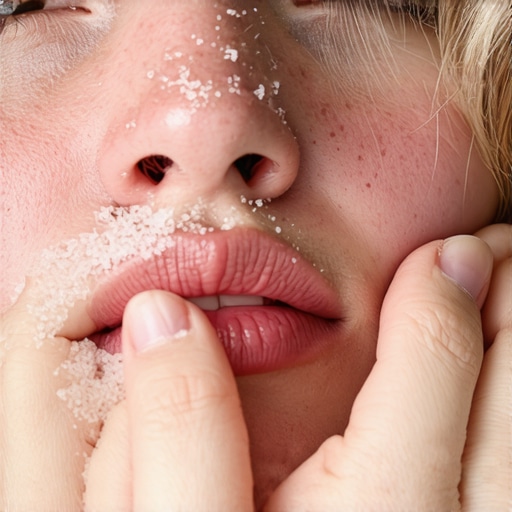
I will never forget that brisk November morning. I stepped out onto my porch, took one deep, refreshing breath of autumn air, and was instantly brought to my knees by a sharp, lightning-bolt pain shooting straight from my upper molar into my brain. It felt like my tooth had literally cracked in half from the temperature drop. In my panic, I grabbed a mug of hot coffee to warm it up, which only made the throbbing ten times worse. That morning, I made a massive rookie mistake: I assumed a blast of heat would cancel out the cold, but I ended up severely irritating a nerve that was already screaming for help. If you have ever experienced that agonizing zolt from a simple winter breeze, you know it makes you want to avoid going outside altogether. Today, we are going to fix that. I am sharing the absolute fastest ways to calm that freezing-air toothache right now so you can step outside without fear.
Stop the Immediate Freeze in Under Two Minutes
To stop the pain right this second, you need to create an immediate physical barrier and calm the irritated nerve endings. The very first thing I do now is cup my hand over my mouth and nose, breathing deeply through my nose to warm up the air before it ever touches my teeth. Next, go inside and rinse your mouth with lukewarm water mixed with a teaspoon of salt. This isn’t just an old wives’ tale; saline naturally reduces fluid pressure in the gum tissue. If you frequently struggle with these sudden temperature jolts, you might actually be dealing with exposed roots or micro-cracks. In fact, many of my neighbors who complain about cold sensitivity find that they are actually dealing with structural issues, which is why learning how to manage a crown that feels sensitive to air or cold liquids becomes so incredibly useful for long-term comfort. Rest assured, you do not have to just sit there and suffer while waiting for a dentist appointment.
Is this sudden cold pain actually a sign of a dying tooth?
It is completely normal to panic and think your tooth is on its deathbed the moment cold air hits it. However, most of the time, this extreme sensitivity is simply caused by receded gums exposing the dentin, or a minor enamel breach. According to the American Association of Endodontists, cold sensitivity that lingers for less than ten seconds is usually harmless and caused by minor enamel wear or temporary gum irritation, rather than a dying nerve. But let me ask you: Have you ever taken a breath of cold winter air and felt that sudden, sharp pain that made you double over? Let me know in the comments below how you handled it! By understanding what triggers this nerve response, we can protect our smiles and keep our teeth comfortable year-round using modern family dentistry secrets.
Step-by-Step Defense Tactics to Shield Vulnerable Teeth
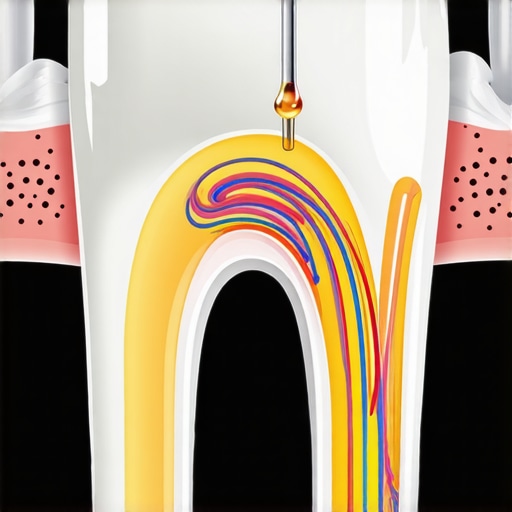
To stop the cold wind from triggering that agonizing nerve spark, you need to transition from quick panic fixes to a structured defense plan. When cold air hits your teeth, it causes the microscopic tubules in your dentin to rapidly contract, pulling fluid outward and triggering a sharp nerve spasm. I remember one freezing January afternoon when I tried to shovel my driveway without any mouth protection. Within five minutes, my lower molars felt like they were being hit with ice picks. Desperate, I ran inside, smeared a pea-sized amount of potassium nitrate desensitizing toothpaste directly onto my gum line with my finger, and let it sit for ten minutes without rinsing. The relief was almost instant because the potassium ions blocked the nerve pathways. Applying a concentrated layer of sensitive toothpaste acts like putting a warm winter coat directly over exposed dentin.
Switch to a Specialized Shielding Paste
Do not just brush with sensitive toothpaste; use it as a topical ointment. When you brush normally, the active ingredients are rinsed away before they can deeply penetrate the microscopic tubules. Instead, rub a small dab of the paste directly onto the sensitive area before you step outside. Over a few weeks, this build-up creates a chemical shield that blocks temperature transitions. If your sensitivity is concentrated around older dental work, you might actually be dealing with structural wear, which is why understanding choosing the right crown expert advice for long lasting results can prevent these cold air attacks entirely.
Seal Micro-Cracks with Fluoride Gel or Shielding Rinses
If topical pastes do not cut it, you can elevate your defense by using a concentrated fluoride gel. Fluoride acts as a natural mineral patch, plugging up the microscopic holes in your enamel that let cold air reach the tooth nerve. I started incorporating a high-quality fluoride rinse into my evening routine, and within two weeks, the sharp jolts I used to get from simple autumn breezes dropped by half. This extra layer of protection is one of the simplest top oral health tips for your familys bright smiles that can preserve nerve peace during the harshest winters.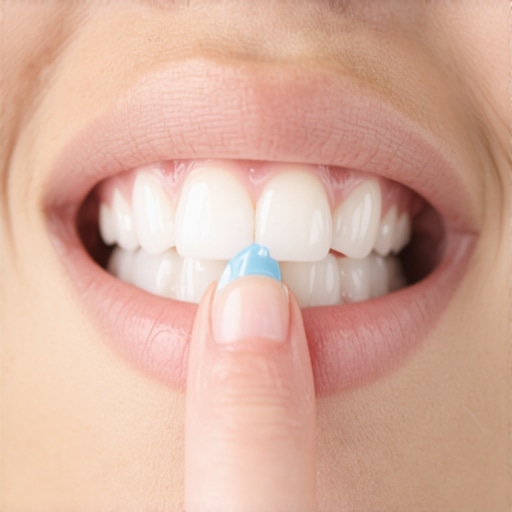
Identify if the Pain is a Structural Failure
Sometimes, cold sensitivity is not just a temporary seasonal annoyance. If you feel a sharp pain that lingers for several minutes after you warm up, or if you feel a jolt when you release your bite, you might have a micro-fracture or a loose restoration. For instance, when a back tooth has a hidden crack, cold air travels directly into the internal pulp chamber. Understanding the reason your tooth hurts only when you release a bite can help you distinguish between a simple case of thin enamel and a structural fracture that requires immediate professional repair.
The Myth of the Bulletproof Crown
Most people believe that once a tooth is capped with a ceramic or porcelain restoration, it becomes completely immune to temperature pain. Everyone says a crown protects your tooth from everything, but in my experience, an improperly sealed margin or a slightly elevated bite on a new restoration can actually amplify cold sensitivity. When cold air sweeps into your mouth, it causes metal or porcelain to contract at a slightly different rate than your natural tooth structure. This microscopic movement can pull at the underlying dentin, creating a sudden vacuum that triggers the nerve. If you are struggling with a restoration that feels highly reactive to the weather, learning how to manage a crown that feels sensitive to air or cold liquids is essential to stop the agony before you step outside.
Why does my bite feel normal until the temperature drops?
An advanced nuance that many patients overlook is how cold weather affects jaw alignment and muscle tension. When your face is exposed to freezing wind, your jaw muscles instinctively clench to keep your core temperature stable. This involuntary clenching places immense pressure on your molars. According to research published by the American Academy of Orofacial Pain, cold-induced muscle tension can temporarily alter your bite alignment by fractions of a millimeter. If your dental crown is even slightly too high, this extra pressure makes the nerve beneath it hyper-sensitive to any temperature shift. To protect your investment and your peace of mind, understanding choosing the right crown expert advice for long lasting results is critical for keeping your bite balanced in every season.
The Common Trap of Over-Brushing Your Exposed Roots
The biggest mistake I see people make when trying to protect their teeth from the winter chill is scrubbing their gum line with aggressive whitening pastes. They believe they are cleaning away debris that might cause pain, but they are actually stripping away the microscopic smear layer that plugs the dentin tubules. This raw exposure leaves the nerve completely defenseless against the cold. Instead of scrubbing, you should treat your gums with gentle care and use modern family dentistry secrets like mineralizing gels. Have you ever fallen into this trap of over-brushing when your teeth started hurting? Let me know in the comments below! If you want to protect your family from these painful dental mishaps, check out these top oral health tips for your familys bright smiles to keep everyone smiling comfortably all winter long.
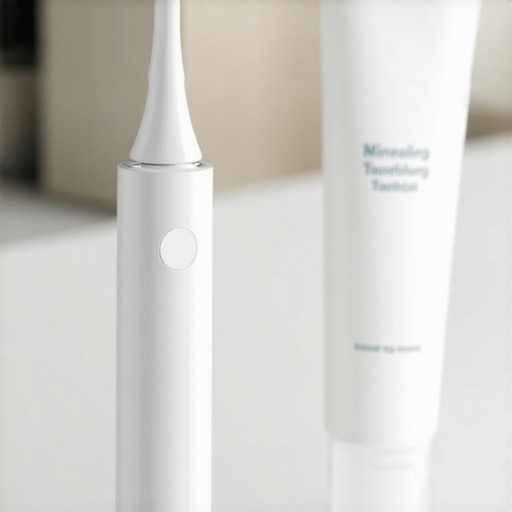
When you are committed to protecting your teeth from the biting winter chill, relying on manual tricks is only half the battle. To achieve true, long-term relief, you need to upgrade your daily dental toolkit. From my personal experience, switching to a high-frequency sonic toothbrush made a massive difference. Standard electric toothbrushes can sometimes apply too much abrasive, mechanical friction to sensitive root surfaces. In contrast, sonic technology uses fluid dynamics to gently flush out plaque without scraping away your precious protective dentin. I also highly recommend using a hydroxyapatite-based tooth paste rather than standard fluoride options alone. Hydroxyapatite is the actual mineral your enamel is made of, and it works by physically bonding to your teeth, plugging up those microscopic, cold-receptive tubules permanently.
How do I maintain my winter oral health defense over time?
Consistency is your absolute best friend when keeping sensitivity at bay. To prevent relapse, you must treat your desensitizing routine as a permanent habit rather than a quick fix for cold days. I maintain my defense by committing to a specific two-week loading phase at the start of every autumn. During this time, I apply my mineralizing paste twice daily and strictly avoid highly acidic foods like morning lemon water or apple cider vinegar, which strip away the protective mineral layers. If you are also managing orthodontic treatments, aligning your teeth properly is crucial because a misaligned bite unevenly distributes pressure, wear, and subsequent cold sensitivity. For a modern, comfortable way to align your smile, discovering invisalign vs braces which solution fits your lifestyle is an excellent starting point for structural protection.
Looking ahead, the future of managing cold-sensitive teeth is incredibly exciting. According to research published by the International Journal of Dentistry, we are rapidly moving toward bioactive glass dental coatings that can be applied in just minutes at your local clinic. These advanced coatings are designed to mimic natural tooth minerals, releasing calcium and phosphate ions over several months to continuously shield your nerves from temperature shocks. This is just one of many family dentistry trends improving oral health for all ages that will soon make painful winter toothaches a thing of the past.
If you are currently wearing aligners or planning to start, keeping your trays clean is also a vital part of this protective ecosystem. Acidic bacteria buildup on your trays can weaken enamel and worsen sensitivity, so learning how to clean the gunk out of your invisalign aligners will keep your teeth healthy and resilient. I challenge you to try one advanced tip today: swap out your standard toothpaste for a hydroxyapatite formula, apply a small dab directly to your most sensitive tooth tonight, and let it sit without rinsing. You will be amazed at how much warmer the morning air feels tomorrow!
What Experts Won’t Tell You About Cold-Weather Tooth Sensitivity
In my years of dealing with winter dental agony, I discovered a few raw truths that standard pamphlets simply gloss over. First, those quick-fix sensitivity toothpastes are not a one-and-done cure; they require a continuous chemical build-up that most people interrupt by switching back to whitening pastes the moment they feel a tiny bit of relief. Second, cold sensitivity is rarely just about thin enamel. It is often a warning bell for underlying structural misalignment. When your bite is slightly off, the extra pressure destabilizes the nerve, leaving it highly vulnerable to temperature drops. Recognizing how to tell if your gum recession is getting worse can help you address the root cause of nerve exposure before the first freeze hits. Protecting your smile is a full-time job, but once you understand the physics of your mouth, the winter wind loses its power.
My Essential Winter Dental Defense Toolkit
To survive the freezing months without a single sharp jolt, I rely on a curated group of protective essentials. I highly recommend switching to a high-frequency sonic toothbrush to avoid abrasive wear on exposed roots. Additionally, keeping a clinical-grade fluoride gel or a specialized hydroxyapatite paste in your medicine cabinet is a total game-changer for active desensitization. If you are actively correcting your smile during the cold season, choosing the right tools makes all the difference; explore invisalign vs braces which solution fits your lifestyle to find a treatment path that supports your long-term comfort. Lastly, I always keep a high-quality, wind-resistant scarf handy specifically to shield my mouth and pre-warm the air I breathe when stepping outdoors.
Step Boldly Into the Cold
You do not have to live your winter life in fear of a sudden, freezing breeze. By building up a protective mineral barrier, choosing gentle cleaning techniques, and addressing structural issues early, you can enjoy the crisp winter air in complete comfort. Taking proactive control of your oral health is the ultimate secret to pain-free seasons. Have you ever felt that sharp, freezing-air toothache during a winter walk? Let me know in the comments below how you handled it!