
How to tell if your gum recession is getting worse
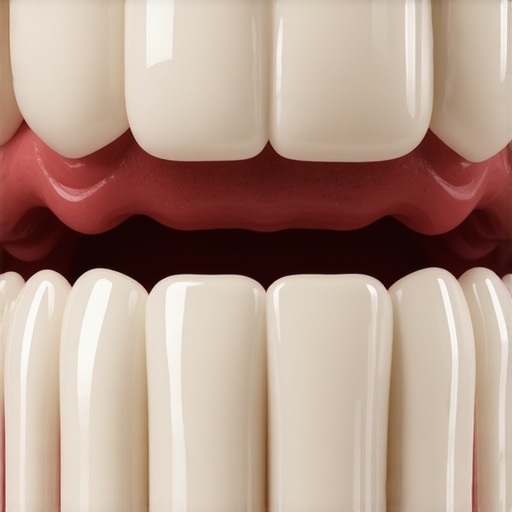
I remember leaning into the bathroom mirror, squinting under the harsh LED lights, and realizing that my left canine looked just a little bit longer than it did a year ago. It wasn’t a dramatic change—no one else would have noticed—but I knew. My first instinct was to grab my toothbrush and scrub even harder, thinking I just needed to clean better. That was probably the biggest mistake I’ve ever made with my mouth. Instead of helping, I was literally sawing away at my own gum line. I thought I was being extra clean, but I was actually destroying the very foundation of my smile. If you are noticing a similar shift, I want you to take a deep breath. You aren’t alone, and this isn’t a losing battle. We’re going to figure out together if your gums are actually in retreat or if you’re just having a paranoid morning.
How to Spot the Warning Signs Before It’s Too Late
[image_placeholder_1]
Gum recession is a sneaky beast. It doesn’t usually hurt until the damage is already quite advanced, which is why most people ignore it until they feel a sharp zing from a cold drink. I spent months ignoring the reason your gums are receding despite good brushing habits, assuming that as long as I didn’t have cavities, I was in the clear. But here is the truth: your gums are the seal that keeps bacteria away from your jawbone. When they start to pull back, that seal is broken. According to the Centers for Disease Control and Prevention (CDC), nearly 47.2% of adults over 30 have some form of periodontal disease. That is nearly half of us! It is not a failure; it is a biological reality we need to manage.
If you have noticed that your teeth look longer or if you can feel a tiny notch right at the gum line with your fingernail, those are the red flags we need to address. This isn’t just about aesthetics; it’s about keeping your teeth for the long haul. By using some family dentistry secrets and staying consistent, you can absolutely stabilize things. My goal today is to help you identify these shifts early so you don’t end up needing aggressive surgery down the road. We will look at how modern tools like Invisalign can sometimes help or hinder this process, and how a few simple swaps in your routine can save your smile.
Is this really worth the anxiety I’m feeling?
I get it. You have a million things to worry about, and slightly lower gums feels like it should be at the bottom of the list. You might even wonder if the dentist is just trying to upsell you on a deep cleaning. But I learned the hard way that ignoring recession leads to much bigger bills later. Have you ever wondered why your teeth hurt every time you drink iced coffee? That sharp pain is often the exposed root of your tooth screaming for protection. It’s not just sensitivity—it’s a cry for help. The good news is that once you know what to look for, you can adapt your routine with top oral health tips that actually work for real people, not just textbook patients.
I used to think my gums were invincible, but after that vampire tooth scare, I had to get real about my technique. I had to learn to stop scrubbing and start massaging. Have you noticed any weird notches or sensitivity lately that you’ve been trying to ignore? Drop a comment or reach out; I’d love to hear your story. Now, let’s get into the nitty-gritty of how to measure this progression at home without losing your mind.
Stop guessing and start measuring with this simple trick
The first thing I did when I panicked about my ‘vampire tooth’ was look for a ruler. It sounds ridiculous, but you can’t manage what you don’t measure. I took a high-resolution photo of my smile in the same spot, under the same bathroom light, every month. If you’re worried, do this: look for the ‘cementoenamel junction’—the spot where the white enamel of the tooth meets the darker, slightly yellower root. If that line is visible, your gums have moved. By tracking this, you’ll know if you’re actually losing ground or just overthinking it. This is one of those family dentistry secrets that empowers you to walk into a checkup with data, not just dread.
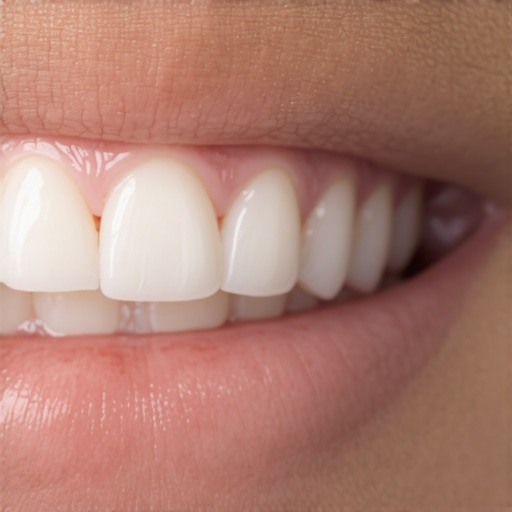
Why your electric toothbrush might be your worst enemy
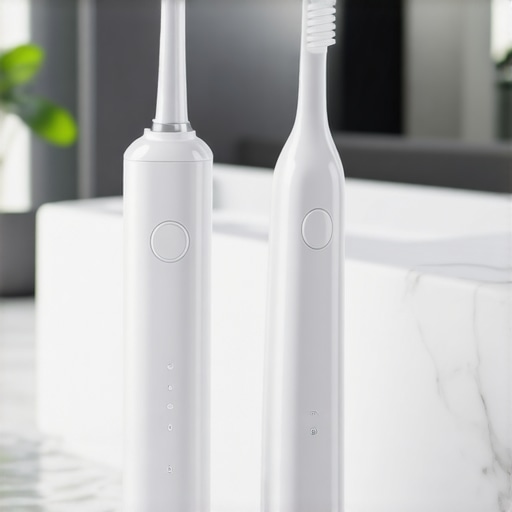
I used to think my sonic toothbrush was a magic wand. I would press it against my teeth like I was trying to buff out a scratch on a car. Big mistake. I eventually learned the safest way to use an electric toothbrush on sensitive teeth is to let the bristles do the work without any manual pressure. Think of it like a feather duster, not a power sander. When I finally stopped scrubbing, the ‘zing’ of sensitivity started to fade. If you feel your gums are tender, you might be experiencing the reason your gums bleed only when you use an electric toothbrush, which is often just user error—pressing too hard against the delicate tissue. Switch to a ‘sensitive’ brush head and hold the handle with just two fingers to lighten your grip.
Align your bite to save your bone
Sometimes, the recession isn’t about how you brush; it’s about how your teeth hit each other. Think of a fence post: if you keep hitting it from the side, the dirt around it starts to loosen and dip. That’s what happens when your teeth are misaligned. This is where how Invisalign transforms family dentistry in 2025 comes into play. By straightening the ‘fence posts,’ you distribute the pressure evenly, which stops the bone and gums from retreating under stress. I’ve seen friends who ignored their bite issues end up wondering why your teeth feel loose after a professional deep cleaning—it’s often because the gum ‘seal’ was already compromised by a bad bite.
Reinforce the weak spots with modern materials
If the recession has already left a deep notch or a ‘yellow’ spot near the root, you might need more than just a better brushing technique. When I had a particularly deep area of wear, my dentist suggested a composite bond or a crown to protect the exposed area. It’s amazing how crowns boost oral health confidence by physically shielding that vulnerable root from bacteria and temperature changes. It’s like putting a protective sleeve over a frayed wire. If you’ve reached the point where your teeth hurt every time you drink iced coffee, the root is essentially naked. Covering it up isn’t just about the look; it’s about structural integrity. Don’t wait for the tooth to crack; reinforcing it early is much easier than a total replacement later.
Most people assume that if they buy the most expensive electric toothbrush and floss religiously, their gums will stay put forever. I’m here to tell you that’s a half-truth that often leads to more frustration. In my years of obsessing over dental health, I’ve realized that we focus so much on ‘cleaning’ that we ignore ‘mechanics.’ You can have the cleanest teeth in the world, but if your bite is off, your gums will still retreat like they’re under attack. It’s not just about the bacteria; it’s about the physics of your mouth.
Does fixing a crooked tooth actually save your jawbone?
The short answer is yes, and it’s a nuance that many people overlook when they dismiss clear aligners as purely cosmetic. When your teeth are crowded or tilted, they don’t distribute the force of your bite evenly. One or two teeth end up taking the brunt of every chew, every clench, and every grind. This ‘occlusal trauma’ literally shakes the tooth in its socket, causing the bone and gums to back away from the stress. This is why the hidden benefits of Invisalign for family dental care in 2025 are so significant. By moving teeth into their proper positions, you aren’t just getting a ‘pretty’ smile; you are creating a structural environment where your gums can actually thrive. A study published in the Journal of Periodontology found a clear correlation between malocclusion and increased periodontal attachment loss, proving that straight teeth are often healthier teeth.
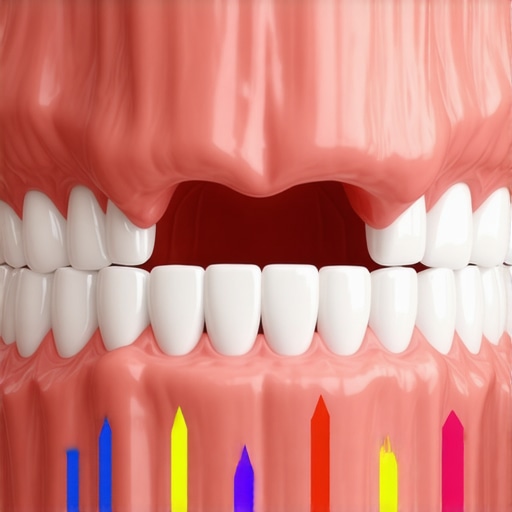
Why your new crown isn’t a ‘set it and forget it’ solution
Here is a trap I see all the time: a patient gets a crown, feels relieved that the tooth is ‘saved,’ and then stops paying attention to it. But crowns require even more vigilance than natural enamel. If you’ve ever wondered the specific reason your crown feels tall when you wake up, it’s often because of micro-shifts in your jaw or nighttime grinding that are putting immense pressure on that new restoration. If the crown is even a fraction of a millimeter too high, it can trigger the very recession we’re trying to stop. Understanding how Invisalign transforms family dentistry in 2025 by preparing the bite before a crown is placed can be a game-changer for longevity. It is all about how crowns boost oral health confidence while maintaining the functional harmony of your mouth.
The sensitivity myth that keeps people from the dentist
I’ve heard so many people say, ‘I don’t want a deep cleaning because it makes my teeth loose.’ This is perhaps the most dangerous ‘oops’ factor in dental health. If your teeth feel loose after a cleaning, it’s because the tartar was the only thing holding them together—which is like saying the rust is the only thing holding your car’s bumper on. You need to know why your teeth feel loose after a professional deep cleaning to realize that this is actually the first step toward healing. Once that debris is gone, your gums can finally attempt to reattach to the root. If you’re dealing with a restored tooth, don’t be surprised by why your crown feels sensitive to cold months after it was placed; sometimes the nerve is just taking its time to settle after the trauma of the procedure. We have to be patient with our bodies. Have you ever fallen into the ‘I brush hard so I’m clean’ trap or avoided a cleaning because you were afraid of sensitivity? Let me know in the comments; I’d love to hear how you handled it.
I used to be a manual toothbrush purist until I realized I was doing more damage than good. To stop the retreat, I had to upgrade my arsenal. The most important tool in my kit isn’t even a brush; it is a high-quality water flosser. I personally use the Waterpik Aquarius because it allows me to flush out the sulcus—that tiny pocket between your gum and tooth—without the abrasive sawing motion of string floss that often aggravates recession. Following top oral health tips involves realizing that high-pressure water can reach where bristles cannot. It changed my checkups from ‘we need to watch this spot’ to ‘everything looks incredibly stable.’
The gear that actually saved my gums
If you are serious about longevity, you need to look at your tools as an investment. For my crowns, I have learned that a standard cleaning isn’t enough. I check the margins monthly with a lighted dental mirror to ensure there is no new decay hiding where the porcelain meets the gum. If you have ever wondered why your crown feels sensitive to cold months after it was placed, it is often because that margin has been compromised. Staying on top of family dentistry secrets means being proactive about these tiny details before they become root canals.
Stop treating your aligners like old Tupperware
Maintenance does not stop at your natural teeth. If you are using Invisalign, the way you treat your trays directly impacts your gum health. I see people scrubbing their aligners with abrasive toothpaste, which creates micro-scratches that trap bacteria against your gums all day. I have found that the best way to clean your retainers without using harsh chemicals is using specialized ultrasonic cleaners or gentle soak tablets. This keeps the plastic porous-free and clear. Also, if you are a tea drinker like me, you need to know how to keep your aligners clear while drinking tea—it involves immediate rinsing, not just waiting until you get home. Bacterial buildup on a dirty tray is a fast track to gum inflammation.
How do I keep my smile stable for the next decade?
The secret to long-term results is consistency and data. According to clinical research from the Kois Center, a world-renowned hub for evidence-based dentistry, the primary cause of long-term restorative failure isn’t just hygiene—it is ‘occlusal management’ or how your teeth fit together. This is why I am so bullish on things like clear aligners even later in life. We aren’t just moving teeth; we are balancing the load. I predict that in the next few years, we will see invisalign innovations the future of family dentistry revealed at 1137 am where AI-driven apps will scan your smile via your smartphone to detect gum shifts in real-time. We are moving from reactive to predictive care.
My challenge for you this week is to stop the scrubbing habit entirely. Switch to a soft-bristled brush or a sensitive electric head and try the two-finger grip I mentioned earlier. If you are feeling bold, grab a specialized aligner cleaning kit instead of using your regular toothpaste. Your gums will thank you for the lack of abrasion. We are building a foundation here, and the tools you choose today determine if you will be looking at the ultimate guide to crowns for a repair or just for a routine checkup in ten years.
The Brutal Truth I Had to Accept to Save My Smile
After years of obsessing over my bathroom mirror, I realized that oral health isn’t a battle of strength—it’s a game of finesse. Here are the lightbulb moments that finally stopped my recession in its tracks. First, silence is better than scrubbing. I learned that the safest way to use an electric toothbrush on sensitive teeth is to barely touch the surface; if you feel the motor struggling, you are pressing too hard. Second, structure equals stability. Straightening my teeth wasn’t about vanity—looking into invisalign innovations the future of family dentistry revealed at 1137 am helped me realize that a balanced bite protects the bone that holds the gums in place. Finally, don’t fear the deep clean. Many people avoid the chair because they’ve heard why your teeth feel loose after a professional deep cleaning, but I realized that ‘looseness’ is just the removal of dangerous buildup, allowing your tissue a chance to finally heal.
The Minimalist Toolset for Long-Term Gum Protection
I stopped buying every ‘whitening’ gimmick and focused on three things that actually move the needle for my family’s smiles. A high-quality water flosser is non-negotiable; it flushes the pockets without the trauma of string. I also switched to ultra-soft brush heads—if the bristles aren’t flexible, they are too aggressive for your anatomy. Finally, I became obsessed with hygiene for my appliances, using the best way to clean your retainers without using harsh chemicals to ensure I wasn’t trapping bacteria against my gum line every night. I trust these tools because they focus on preservation rather than just surface-level polishing.
Your Gums Don’t Have to Be a Source of Stress
It is easy to feel like your body is failing you when you notice a shift in your smile, but remember that most recession is manageable with the right proactive approach. By shifting from a ‘scrubbing’ mindset to a ‘nurturing’ one, you can maintain your oral health for decades to come. Whether you are consulting the ultimate guide to crowns or simply switching your toothbrush grip, every small change counts toward a stable future. Have you ever felt that sharp zing of sensitivity and wondered if it was time to change your routine? Let me know in the comments below!