I remember the day I first noticed my dental crown feeling loose. It was a casual dinner, and I felt that weird, uneasy sensation while biting into my favorite apple. Panic set in—was my crown falling out? Could I fix it myself? That moment sparked a realization that’s common in many families: dental emergencies can strike when we least expect them, especially in our busy lives. And if you’re like me, you want quick, reliable solutions without running to the dentist at the drop of a hat.
Don’t Let a Wobbly Crown Ruin Your Day
Having a loose dental crown isn’t just about aesthetics; it can lead to discomfort, increased sensitivity, and potential damage to the underlying tooth if left unaddressed. But here’s the good news: in many cases, you can fix a loose crown at home temporarily, buying you precious time until you can see your dentist. Today’s post is dedicated to guiding you through safe, practical ways to handle this common issue swiftly and effectively. We’ll explore three top methods backed by dental experts, including how to identify when it’s safe to attempt a fix yourself and when it’s time to call in the pros. For more insights into choosing the best crown, check out this comprehensive guide.
Facing Skepticism? Is Fixing a Loose Crown at Home Really Safe?
Early in my own experience, I made the mistake of trying to shove a wayward crown back onto my tooth with sticky stuff I found in my bathroom drawer. It was a hurried decision, driven by worry, but I quickly learned that not every household fix is safe or advisable. This misstep underscores the importance of understanding the risks and knowing the right approach. Remember—professional advice is always best, but when you’re in a pinch, knowing the right quick fix can prevent further damage and discomfort.
So, if you’ve ever faced that moment of panic when your crown wiggles unexpectedly, you’re not alone. The good news is that with a little know-how, you can confidently handle the situation and avoid unnecessary trips or costs. Ready to learn the top quick fixes for 2026? Let’s dive in and get your smile back to tip-top shape!
Secure the Crown Fast: Step-by-Step Fixes
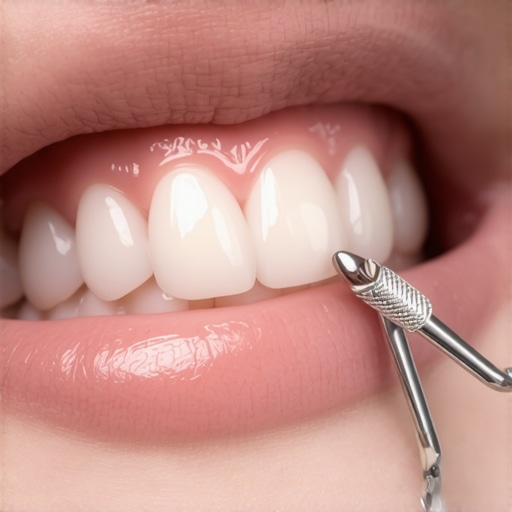
When your dental crown feels wobbly, immediate action can prevent further damage. I once faced this during a weekend getaway—my crown was loose after a rough meal. To stabilize it temporarily, I first rinsed my mouth gently with warm water to clear debris. Then, I prepared a small amount of dental cement from a dental kit at home, which I keep for emergencies. Applying a tiny bead of cement onto the inside of the crown using a toothpick, I carefully seated it back onto the tooth, pressing firmly but gently for a few minutes to ensure adhesion. This quick fix held until I visited my dentist. This method is like using a temporary patch on a leaky pipe—it buys you time, but professional repair is essential. Be cautious: avoid using household glues or superglue, as they can damage the tooth or irritate your gums.
Use Temporary Cement or Similar Material
If you don’t have dental cement, over-the-counter temporary dental cement or even a small dab of orthodontic wax can work. These materials are designed to be safe for temporary use. Squeeze a small amount into the crown, then seat it firmly on the tooth. Hold in place for a few minutes—this mimics the initial setting process of professional cement. Remember, this fix is temporary and should not replace a visit to your dentist. Think of it as a band-aid for your tooth until the real doctor can examine the wound.
Remove and Reposition Carefully
Sometimes the crown is merely displaced rather than loose. In this case, gently remove it with clean fingers or a floss threader—never force it, as you could damage the underlying tooth. Check the inside of the crown for debris or damage; clean it with warm water if needed. Before re-seating, inspect the tooth for decay or damage. If the crown is intact, apply a small amount of dental cement, then press it back into place, holding it steady for a few minutes. Do not use excessive force—imagine fitting a key into a lock; careful alignment is key. This method worked for me during a family trip, ensuring I could eat and speak comfortably until I saw my dentist.
Seal the Deal with Saltwater Rinse
After repositioning, rinse your mouth with warm saltwater to reduce bacteria and soothe tissues. Mix half a teaspoon of salt in a cup of warm water, swish gently around your mouth for 30 seconds, then spit. This promotes healing and minimizes the risk of infection, especially if the crown was dislodged due to decay or damage. Incorporate this into your routine until professional help is accessible. Maintaining good oral hygiene is like shielding your house with reinforced security—preventing future problems starts with consistent care.
Know When to Seek Professional Help
While these steps can temporarily stabilize your crown, they are not substitutes for professional repair. If the crown is missing, if there’s persistent pain, or if the tooth feels fractured, contact your dentist immediately—for instance, by scheduling a visit through this contact page. Delaying professional assessment can lead to more extensive damage, akin to ignoring a small crack in a dam that can escalate into a flood. Be proactive; your smile’s health depends on timely professional intervention.
By understanding these at-home techniques, you can handle a loose dental crown confidently, reducing discomfort and preventing further damage until your dentist can provide a permanent fix. Remember, these methods are backups, not permanent solutions—prioritize scheduling a professional consultation promptly.
Breaking Through the Myths: What You Usually Get Wrong
Many people assume that all dental treatments are fairly straightforward or that their oral health questions are universally applicable. However, my experience as a dentist has shown that misconceptions abound—especially regarding family dentistry, Invisalign, crowns, and overall oral health. For instance, the popular belief that Invisalign is only suitable for teenagers is simply not true; in fact, adults increasingly prefer it for its discreet nature and effectiveness, as highlighted in this article.
Another common myth involves dental crowns. Many think they are purely cosmetic; while they do significantly improve appearance, their primary role is restorative—protecting weakened teeth and restoring function. The misconception may cause patients to delay necessary procedures, risking more extensive damage, which is why understanding the true purpose of crowns is essential, as outlined in this guide.
In the realm of family dentistry, there’s a tendency to overlook the importance of personalized care. People often assume that a one-size-fits-all approach works, but in reality, each family member’s needs vary greatly—based on age, health history, and lifestyle. Recognizing these nuances can make a significant difference in preventive strategies and treatment success. For an insight into tailored care practices, review this resource.
Why Do Many Miss the Nuance in Oral Health
One trap that often ensnares patients is the oversimplification of oral health. For example, many believe that brushing more often equals better health, but overbrushing can lead to gum recession and sensitivity. A study in the Journal of Clinical Dentistry emphasizes the importance of gentle, proper brushing combined with flossing and regular checkups for optimal results. Recognizing these subtleties helps maintain long-term oral wellness, and understanding that dental health is intertwined with diet, habits, and systemic health is vital. For an in-depth explanation of these interconnected factors, visit this article.
Don’t fall for the fallacy that dental care should be reactive. Prevention is key, and early intervention often prevents costly treatments later. Always question blanket assumptions—what works for your friend or neighbor might not suit your unique needs. After all, a nuanced approach and personalized care make all the difference. Have you ever fallen into this trap? Let me know in the comments.
How do I maintain my dental restorations and orthodontic treatments over time?
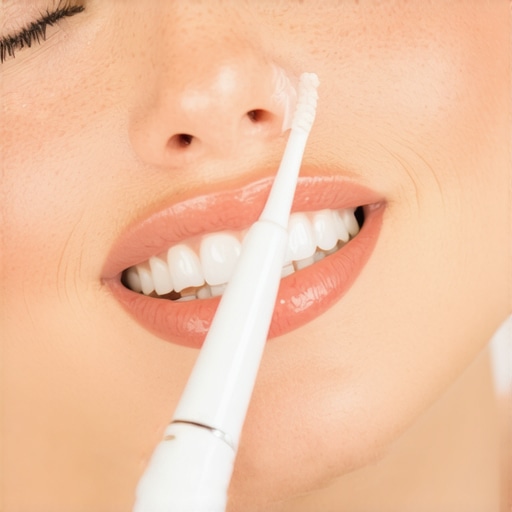
Maintaining your dental work, especially crowns and Invisalign aligners, requires more than just regular brushing. I personally rely on high-precision ultrasonic toothbrushes like the Philips Sonicare DiamondClean, which effectively remove plaque without damaging delicate restorations. Its sonic technology loosens debris better than manual brushing, ensuring longer-lasting restorations and healthier gums. Additionally, I use a water flosser such as the Waterpik Aquarius, which reaches areas traditional flossing may miss and reduces the risk of decay around crowns or brackets. These tools have transformed my routine, making daily maintenance more effective and less time-consuming.
Beyond tools, I incorporate software like Dental Monitoring, which allows my dentist to track my oral health remotely. This integration of smart technology facilitates early detection of issues, preventing minor problems from escalating. As technology evolves, expect more advanced AI-powered diagnostics and personalized oral health plans tailored to your unique needs, making long-term care even more manageable.
Why is it crucial to select the right dental tools and methods for your family’s diverse needs?
Each family member’s oral health requirements differ—children, seniors, and adults have unique challenges. For instance, I recommend using age-appropriate fluoride rinses for children to prevent future decay, and customized nightguards for teenagers involved in sports. Choosing the right tools, like sensitive gum brushes for those with gum recession, ensures each individual’s needs are addressed without causing harm. Consulting your family dentist about the latest devices, such as bioactive crowns or discreet aligner options, helps you make informed choices that boost longevity and success of treatments.
What future trends will influence family dental maintenance?
Looking ahead, the integration of smart sensors in dental appliances and implants will revolutionize at-home monitoring. Imagine crowns embedded with health-tracking microchips alerting you and your dentist to early signs of decay—this technology is already in development and could be standard by 2028. Additionally, advances in biocompatible materials promise longer-lasting restorations that meld seamlessly with natural tissue. Staying current with these innovations means you can proactively safeguard your family’s oral health, reducing costly interventions and ensuring functional, beautiful smiles over decades.
To keep your family’s dental investments protected, I encourage you to explore the best quality crowns, which can last for many years if properly maintained. For detailed insights into selecting durable restorations, visit this guide.
Start implementing these cutting-edge tools and practices today—your future self will thank you for the healthier, more confident smile.
What I Wish My Family Dentist Told Me About Crowns and Invisalign
One of the most eye-opening lessons I learned is that even the best dental procedures require ongoing care and vigilance. Crowns, while durable, can sometimes fail if overlooked—I’ve seen cases where simple habits could have extended their lifespan significantly. Similarly, Invisalign isn’t a set-it-and-forget-it solution; consistent wear and hygiene make the difference. These insights have made me realize that understanding the nuances of our family’s unique oral health journey is crucial, and it’s often the small, overlooked details that have the biggest impact.
My Secret Weapons for Lasting Dental Trust and Family Smiles
Over the years, I’ve come to rely on a few key tools that keep my family’s dental health on track. A high-quality ultrasonic toothbrush, like the Philips Sonicare DiamondClean, not only cleans thoroughly but also protects delicate restorations. Pairing that with a water flosser such as the Waterpik Aquarius ensures no nook or cranny is missed, especially around crowns and braces. For information on choosing the right crown, I often revisit this comprehensive guide. These tools empower us to take control of our oral health day-to-day while trusting that we’re making smart choices for the long term.
Taking Charge of Your Family’s Oral Future in 2026
Your family deserves a smile that lasts, and the journey starts with informed choices today. Embracing new technologies, personalized care routines, and proactive habits can revolutionize your approach to family dentistry. Imagine a future where smart sensors alert you to potential issues early, or where biocompatible materials extend the life of your crowns — those innovations are already knocking on our doors. Don’t wait for problems to appear; make a commitment now to invest in regular checkups, proper at-home care, and staying updated with the latest family dental trends. Your family’s confident, healthy smiles are worth it.