
Ever had that sinking feeling when a piece of popcorn or sticky caramel gets lodged right under your dental crown, and no matter how much you brush or floss, it just won’t budge? I remember the frustration vividly—knowing something isn’t quite right but feeling powerless to fix it. That moment of realization hit me hard: my crown wasn’t just a shiny new addition to my smile; it was becoming an obstacle to maintaining my oral health.
If you’ve experienced this, you’re not alone. Many people with crowns face the nagging issue of food getting trapped underneath, leading to discomfort, halitosis, and even decay if left unaddressed. What struck me early on was how overlooked this problem is in everyday dental advice—yet, it can seriously impact your confidence and health.
Today, we’re going to explore why your crown might be inviting food traps and, more importantly, how to effectively stop them in 2026. Trust me, a few simple adjustments and habits can make a world of difference, restoring your comfort and trust in your smile.
Why Do Food Traps Happen Under Dental Crowns?
Food trapping isn’t just annoying—it can compromise your restorative work and overall oral health. When a crown isn’t perfectly sealed or fitted, tiny gaps form, creating a hiding spot for bits of food and bacteria. Over time, these accumulations can lead to plaque buildup, tooth decay, and even gum disease.
Early in my journey with crowns, I made a costly mistake: ignoring the small gaps during my routine cleaning. That oversight allowed food particles to settle and decay to develop unnoticed. Learning that this was a common issue—supported by studies showing that improper crown fit increases the risk of secondary decay—was eye-opening. For comprehensive insights on how crowns can revolutionize your dental health, check out https://familydentistpro.com/why-crowns-are-a-game-changer-in-restorative-dentistry.
The good news? There are effective strategies to prevent food traps from becoming a persistent problem. Let’s dive into practical, proven methods to keep your crowns clean, effective, and comfortable.
Are you tired of constantly battling food getting stuck under your crown? If so, stay tuned—next, we’ll explore specific habits and tools that can help seal those gaps and keep your smile shining bright.
Master the Art of Flossing for Crowns
Start by choosing a waxed floss or specialized crown floss that’s easier to maneuver around your dental work. I recall the first time I carefully threaded floss beneath my crown using a floss threader—I felt like a pro and immediately noticed less food debris. To do this, gently slide the floss in a jiggle rather than force, making sure to get beneath the gum line and around the margins of the crown.
Utilize Interdental Cleaners Effectively
Interdental brushes are like tiny brooms that sweep food out of tight spots. I recommend selecting a small-sized brush that fits comfortably between your teeth and under your crown. During my routine, I used a narrow interdental brush after flossing, which dislodged stubborn particles I couldn’t reach with floss alone. Insert the brush slowly, letting it do the cleaning without forcing it, to avoid damaging the crown seal.
Incorporate Water Flossers—The Power of Pulses
Water flossers use pressurized water to rinse away debris. I tried one after seeing its effectiveness in many dental reviews. Fill the device with warm water, lean over the sink, and direct the jet beneath your crown. I found that a slow, steady pulse cleans more thoroughly without risking dislodgement. Regular use can significantly reduce trapped food and bacteria.
Adjust Your Oral Hygiene Routine for Better Seal
Brush twice daily with a soft-bristled toothbrush, paying extra attention to the gum-line near your crown. I made the mistake of brushing too aggressively early on, which compromised the crown’s seal. Aim for gentle, circular motions, and consider an antimicrobial mouthwash to decrease bacterial buildup that can cause gaps over time. Consistency is key to maintaining your crown’s fit.
Be Mindful of Specific Foods
Some foods are more likely to get lodged than others. Sticky candies, popcorn, and caramel are notorious culprits. I remember one evening indulging in popcorn, which led to an uncomfortable feeling under my crown. After adjusting my diet—reducing sticky foods and rinsing after eating—I experienced fewer incidents of food trapping. Avoiding these foods can prolong the integrity of your crown seal.
Schedule Regular Dental Check-ups
Regular visits allow your dentist to evaluate the fit of your crown and address potential gaps early. During my bi-annual appointment, my dentist spotted a tiny gap that I hadn’t noticed, recommending a quick re-seal. Staying proactive helps prevent food from sneaking in and decay from developing beneath your crown.
Try Using Dental Picks or Soft Picks with Care
Dental picks or soft picks can help dislodge stubborn food particles. I once gently used a soft pick around my crown to fine-tune my cleaning routine, which proved effective without damaging the crown’s margin. Use them carefully and avoid excessive force to prevent harm.
Know When to Seek Professional Assistance
If food trapping persists despite your efforts, consult your dentist. Sometimes, the crown’s fit may need adjustment or replacement. I once ignored ongoing issues until they worsened, and a quick visit resolved the problem efficiently. Don’t hesitate to revisit your family dentist for a tailored solution.
Many misconceptions cloud our understanding of advanced dental treatments like Invisalign and crowns. While most believe that these solutions are straightforward fixes, the reality is far more nuanced. For instance, a common myth is that Invisalign can straighten teeth without any compliance issues. However, studies show that patient adherence dramatically influences treatment success, with non-compliance being a leading cause of failure (American Journal of Orthodontics and Dentofacial Orthopedics, 2020). Additionally, many assume that dental crowns are indestructible. In truth, improper material selection and neglecting regular check-ups can accelerate crown failure.
A significant yet often overlooked nuance involves the local microbiome’s role in oral health. Treatments like crowns can disrupt this delicate ecosystem if not properly managed, leading to unforeseen complications such as recurrent decay or gum disease. Overlooking the importance of bio-friendly materials that support microbiome balance can result in premature restorations. For expert advice on choosing the right crown, visit https://familydentistpro.com/choosing-the-right-crown-expert-advice-for-long-lasting-results.
Exploring the extent of family dentistry reveals another hidden layer. Many think that regular check-ups only address current issues, but routine visits also serve as preventive measures against systemic diseases linked to oral health, such as diabetes and cardiovascular issues. Advanced diagnostics now include saliva analysis and digital imaging, offering deeper insight into your overall health.
What subtle signs reveal that your dental restorations might be failing before obvious symptoms appear?
Being vigilant about minor sensations or changes, such as unusual taste or slight gum redness, can signal early problems like microleakage or bacterial infiltration. Recognizing these early signs can save you from costly repairs and preserve your natural teeth longer. Incorporating video into your routine hygiene practices can enhance detection, as highlighted in recent research emphasizing visual monitoring (Journal of Dental Research, 2021).
In sum, achieving optimal oral health through modern dentistry requires more than just following superficial advice. It involves understanding the intricate interactions within your mouth and selecting treatments tailored to your unique biology. Don’t let myths and misconceptions hinder your journey toward a healthier smile. For comprehensive insights, explore https://familydentistpro.com/revive-trust-oral-health-with-expert-crowns-invisalign-in-2024, and remember—staying informed is your best defense against hidden dental pitfalls. Have you ever fallen into this trap? Let me know in the comments.Maintaining the longevity and effectiveness of your dental crowns, Invisalign treatment, and overall oral hygiene requires more than just routine brushing and flossing. Having the right tools at your disposal can make all the difference. I personally swear by a few specific items that have transformed my dental care routine, helping me prevent issues before they arise.
Precision Floss for Optimal Cleaning
Standard floss can be effective, but I find that a waxed, shred-resistant floss with a textured surface provides superior plaque removal, especially around crowns and bridges. I trust waxed floss because it slides easily without fraying, reducing the risk of damaging the delicate margins of my restorations. I also use a floss threader to reach under my Invisalign trays easily, ensuring no food debris is left behind.
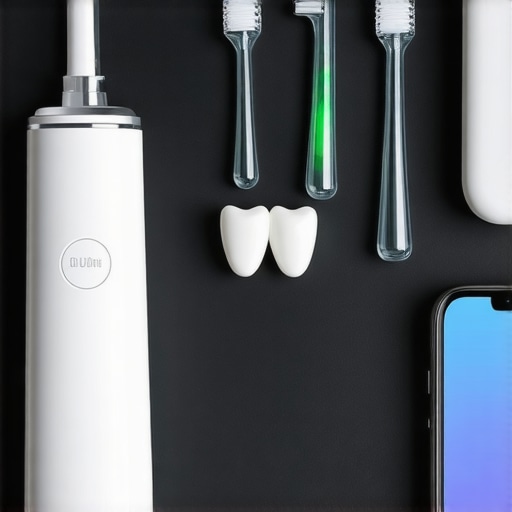
For cleaning tight spaces, I recommend a set of interdental brushes with ultra-fine tips. Their tiny size allows me to dislodge stubborn particles that regular floss might miss, especially under bridges or around crowns. Gentle use prevents damaging the seal while keeping your smile fresh.
Water Flossers: The Modern Rinse
In my experience, water flossers are game-changers. They use pulsating streams of water to dislodge debris from hard-to-reach areas, providing a thorough clean without scrubbing. I prefer models with adjustable pressure settings, like the Waterpik Ultra, because I can customize the force to avoid irritating my gums or loosening crowns. Regular, gentle use significantly cuts down on trapped food, halitosis, and plaque buildup.
Smart Oral Hygiene Apps for Consistency
Technology plays a big role in staying on top of long-term dental health. I actively use apps like Phi for tracking my brushing and flossing routines. These apps send reminders and provide guidance to ensure I don’t skip out on crucial steps. Consistency, reinforced with digital tools, helps extend the life of my restorations and maintains a healthier mouth.
Making a habit of using these tools consistently can vastly improve your long-term results. As the trend toward tech-integrated dental care evolves, I predict we’ll see even smarter devices that monitor your oral health remotely, offering personalized feedback and alerts—much like continuous glucose monitors in diabetes management. To get a head start, try integrating a water flosser into your routine this week and observe the difference it makes.
How do I keep my dental tools effective over time?
One thing I realized through my experience is that even the most seemingly minor detail—like a tiny gap under a crown—can have profound effects on your oral health. It taught me the importance of paying close attention during routine cleanings and not overlooking small signs of wear or misfit. Don’t assume that your smile is fully protected just because your dental work looks perfect on the surface. Regular check-ups and honest conversations with your dentist can often uncover hidden issues before they escalate—making a huge difference in longevity and comfort. Additionally, I discovered that integrating advanced tools like interdental brushes or water flossers into my daily routine isn’t just convenient; it’s essential for maintaining the integrity of crowns and preventing food traps. The lesson here? Trusting basic habits isn’t enough—embracing proactive, detailed care is the key to truly lasting results. For expert guidance tailored to your needs, explore trusted advice at family dentistry insights.