
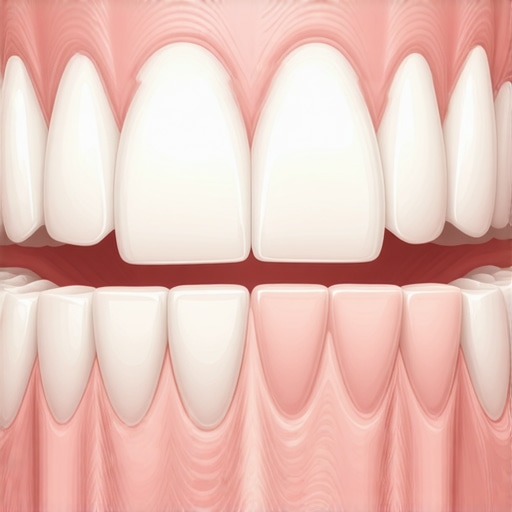
I remember the moment I realized my gums were receding. It was during a routine brushing, and suddenly, I felt a little pinch—a strange sensation that didn’t seem normal. At first, I brushed it off as sensitivity or just rough brushing, but as weeks went by, the gap between my teeth and gums seemed to grow. That lightbulb moment made me realize how serious gum recession can be, especially when left unchecked. If you’ve ever experienced similar feelings, you’re not alone—and it’s a warning sign you shouldn’t ignore.
The Hidden Danger of Receding Gums
Gum recession is more than just a cosmetic issue; it can lead to increased tooth sensitivity, a higher risk of cavities, and even tooth loss if ignored. Sadly, many people brush off early signs, thinking it’s just part of aging or that it will resolve on its own. But here’s the true concern: early-stage gum recession often goes unnoticed until it becomes painful or visibly worsening. That’s why understanding the “why” behind this issue can be a game-changer.
Are You Overlooking the Root Cause?
I’ve learned from personal experience—and trusted dental sources—that neglecting early warning signs is a common mistake. I used to think that frequent brushing was enough, but I failed to realize that improper technique, gum disease, and even habits like teeth grinding contribute heavily to gum recession. An important fact I discovered is that untreated gum issues can accelerate loss of tissue, making future dental work more complicated and costly (American Dental Association). This realization motivated me to dig deeper and seek professional advice.
So, if you’ve noticed your gums receding or sensitive teeth acting up, don’t brush it aside. The good news is that with the right guidance and lifestyle changes, you can stop the progression before it leads to more serious problems. In the next sections, we’ll explore practical steps to identify the root causes and prevent your gum health from deteriorating further. And yes, taking action now can save your smile and overall oral health for years to come.
Assess Your Oral Hygiene Routine
Start by evaluating how you brush and floss daily. Use a soft-bristled toothbrush and gentle circular motions; aggressive scrubbing can wear away gum tissue, much like sanding wood. I once switched to a softer brush and noticed immediate relief from gum sensitivity. Incorporating interdental brushes or water flossers can remove plaque more gently, preventing further recession.
Identify and Address Contributing Habits
Habits like teeth grinding (bruxism) can accelerate gum loss. I learned this after waking up with jaw pain and worn-down enamel, prompting me to use a mouthguard recommended by my dentist. Other habits, such as nail-biting or chewing on ice, strain gums and should be replaced with healthier alternatives. Quitting these habits reduces mechanical stress on gum tissue, giving it a chance to recover.
Seek Professional Dental Evaluation
Schedule a visit with your dentist for a comprehensive exam. A family dentist can identify early signs of recession and pinpoint causes like gum disease or misaligned teeth. During my visit, the dentist used laser periodontal probing to measure gum depth accurately, which helped tailor my treatment plan. Professional cleaning and scaling remove tartar buildup beneath the gum line, halting progression.
Implement Targeted Treatments and Preventive Measures
Depending on severity, options include deep cleanings, gum grafts, or even orthodontic adjustments. I was advised to consider Invisalign, which not only straightens teeth but also reduces gum stress. Invisalign trays gently reposition teeth, decreasing pockets where bacteria thrive. Visiting family dentistry specialists can help identify if aligners suit your case.
Maintain Consistent Oral Care Habits
Adopt a strict routine: brush twice daily, floss regularly, and rinse with a fluoride mouthwash. This creates a hostile environment for plaque, minimizing bacterial-driven gum recession. I set reminders and kept a routine chart, which kept me accountable and contributed to gum health improvement.
Monitor and Adapt Over Time
Regular dental check-ups every six months are essential to catch recurrence early. Keep an eye on gum appearance and sensitivity, and report changes promptly. Using the right tools, like sonic toothbrushes or specialized gums brushes, can enhance cleaning effectiveness without damaging tissue. Over time, consistent care can reverse or stabilize recession, maintaining your smile’s health and appearance.
While many people believe they understand the basics of oral health, there are subtle misconceptions and advanced mistakes that often go unnoticed. For instance, a prevalent myth is that all dental crowns are created equal—many assume porcelain crowns are always the best option. However, studies show that zirconia crowns often outperform porcelain in durability and biocompatibility, especially for back teeth where strength matters most (source). This nuance is crucial because choosing the wrong material can lead to premature failure, costing you more over time.
Another misconception revolves around Invisalign. Many think it’s only suitable for mild misalignments, but recent research indicates that with proper planning, Invisalign can effectively tackle complex cases, comparable to traditional braces. Yet, common mistakes like inconsistent wearing or neglecting attachments can significantly delay results (more on this). The ‘oops’ here is assuming that just wearing the trays intermittently will give optimal outcomes, when in fact, adherence is key.
Family dentistry often gets internalized as merely brushing and flossing regularly, but advanced errors involve neglecting comprehensive exams that detect early signs of decay or gum disease. Many skip routine checkups, unaware that early intervention can prevent costly procedures like crowns or root canals. Moreover, misunderstanding the purpose of crowns can lead to misuse—some believe crowns are only cosmetic, but they play a vital role in restoring function and preventing further deterioration. Visiting this guide can clarify their importance.
Why do some crowns last longer than others?
A sophisticated consideration that advanced readers should appreciate is material selection and placement technique. For example, metal crowns tend to last longer under heavy biting forces, while porcelain-fused-to-metal combines durability with aesthetics. Proper preparation and bonding also influence longevity. Ignoring these factors leads to premature loosening or fracture. Picking the right expert for placement, as discussed here, ensures you get maximum lifespan out of your crown.
As we dig deeper into these nuances, it’s evident that knowledge of the subtle distinctions and common pitfalls can greatly improve your dental health and treatment outcomes. Have you ever fallen into this trap? Let me know in the comments to keep the conversation going.
How do I keep my dental work functioning smoothly over the years?
Maintaining optimal oral health isn’t just about brushing and flossing daily; it requires precision tools and disciplined routines. Personally, I rely heavily on electric toothbrushes like the Oral-B Genius X, which boasts sensor technology that adapts brushing intensity and tracks your coverage. This helps prevent damage to sensitive gum tissue and ensures thorough cleaning, especially around crowns and Invisalign attachments.
Another essential is using interdental brushes such as TePe, which I prefer over traditional floss because they reach tight spaces more effectively and are gentler on delicate gum tissue. Investing in high-quality mouthwashes containing fluoride, like ACT Total Care, can also bolster enamel strength, especially as we age and our saliva production decreases.
To monitor long-term results, I integrate digital tracking via my dental provider’s app, which logs check-up schedules, treatment progress, and personalized reminders. Technology like this helps catch minor issues before they escalate, such as early signs of crown wear or gum inflammation. According to recent advancements discussed in family dentistry innovations, combining digital tools with traditional care greatly enhances treatment longevity.
What’s on the horizon for Family Dentistry?
Looking ahead, I predict a surge in AI-driven diagnostics and 3D printing of crowns and aligners, which could revolutionize customization and reduce chair time. The integration of smart sensors embedded in general dental tools will provide real-time feedback on technique, ensuring consistent quality and minimizing errors. Staying ahead means embracing these technological trends now, as they become standard practice in comprehensive oral health management.
Key maintenance tips for lasting restorations
Regular professional cleanings remain vital; experts recommend every six months, but I vary my schedule based on individual needs, especially after getting new crowns or Invisalign trays. Furthermore, paying attention to your body’s signals—like unusual sensitivity or discomfort—can save costly repairs down the line. Use specialized tools, such as sonic toothbrushes with timers, to maximize cleaning efficacy without damaging delicate tissues.
Finally, don’t forget about lifestyle habits; smoking cessation, reducing sugary intake, and wearing protective guards during sports are all integral parts of an effective long-term strategy. Remember, your dentist is a vital partner—visit here to schedule your next evaluation and discuss personalized tools tailored to your dental journey.
Implementing these advanced tools and habits is your best bet to keep crowns, Invisalign, and other restorations working flawlessly for years to come. For an in-depth look at innovative methods, check out future dental tech. One practical tip I recommend: try integrating a smart sensor-enabled toothbrush into your routine today — it’s a small change that can make a big difference in your long-term oral health.
Throughout my journey with dental health, I’ve uncovered some surprising truths that can dramatically change the way you approach your oral care. The most eye-opening lesson was realizing how easily misconceptions about crowns and Invisalign can lead to overlooked risks and preventable issues. Recognizing these subtle pitfalls has empowered me to advocate for smarter, long-term dental choices—something I wish I had known earlier.
Lessons That Transformed My Dental Perspective
- The Material Matter: Not all crowns are created equal. Zirconia, for example, has been a game-changer for durability, especially for back molars subjected to heavy biting forces. Embracing this knowledge shifted my view from cosmetic superficiality to functional excellence.
- Beyond the Trends: Invisalign isn’t just for mild misalignments. Advanced cases can benefit significantly when moderation and expert guidance are involved. Now I see aligners as a versatile tool, not just a cosmetic option.
- Early Signs Are Your Friends: Gum recession often whispers hints—sensitivity, bleeding, slight gaps—that we tend to ignore. Recognizing these early signals could save you from complex procedures and tooth loss. Don’t dismiss these signs; listen to your mouth.
- Habit Habits Can Harm More Than You Think: Night grinding or biting nails may seem benign but can accelerate gum loss and crown failure. Addressing these habits early can prolong the lifespan of your restorations and maintain oral health.
Tools That Elevate My Smile Confidence
- The Ultimate Guide to Crowns: A trusted resource that deepened my understanding of material choices and placement techniques, helping me make informed decisions.
- Invisalign vs. Braces: This comparison clarified which orthodontic approach suited my lifestyle, emphasizing effectiveness and comfort.
- Revive Oral Health Strategies: Practical tips that kept my restorations in top shape despite years of wear.
- Habits That Delay Invisalign Results: Learning these helped me stay disciplined and see faster, better outcomes.
Your Next Step Toward a Healthier Smile
It’s never too late to take charge of your dental well-being. The future of family dentistry is exciting, blending tech advances with personalized care—imagine real-time monitoring and smarter restorative options. Start today by scheduling a comprehensive exam and discussing your concerns with a trusted professional. Whether you’re considering crowns or Invisalign, understanding the nuances can make all the difference. Your smile is worth it—embrace these insights and let your confidence shine.
How have you handled early signs of gum recession or decided between Invisalign and traditional braces? Share your experiences in the comments below; your story could inspire someone else on their dental journey.