
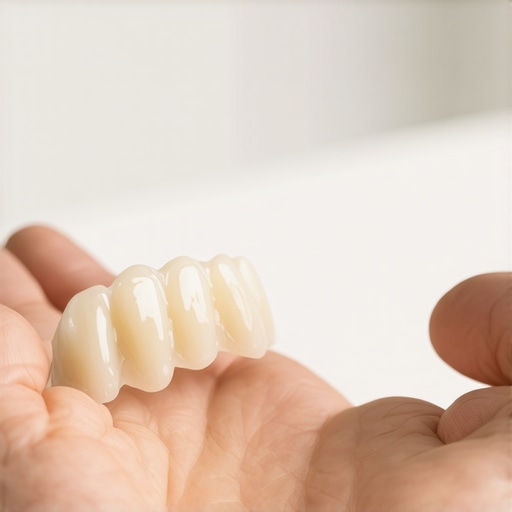
Have you ever taken out your Invisalign trays and been greeted not with the smooth plastic you remember, but with a gritty, sandy texture? It caught me off guard the first time it happened. I almost panicked, worried that my aligners had somehow become damaged or contaminated. But as I dug deeper, I realized I wasn’t alone—and there’s a reason for this rough sensation that many Invisalign wearers experience. It can be quite unsettling, especially when you’re trying to stay on top of your oral health routine.
The Hidden Culprit Behind Sandy Trays
I’ve learned from personal experience and countless consultations that the sandy feeling isn’t a sign of something sinister but often a result of residue buildup, mineral deposits, or enzymes reacting to our oral environment. This gritty sensation can make your trays uncomfortable and even compromise your oral hygiene if not addressed promptly. Luckily, there are simple, effective fixes that can restore that smooth, clear feeling to your aligners and keep your smile shining bright. Today, we’ll explore these quick solutions to banish the sandiness and ensure your Invisalign experience stays smooth sailing.
Is Your Invisalign Really Worth the Effort? Here’s Why You Should Care
Before we jump into fixing the problem, I want to share a mistake I made early on. I ignored the importance of proper cleaning and maintenance, thinking a quick rinse was enough. That oversight led to uncomfortable trays and even minor staining. I soon realized that neglecting regular cleaning can diminish the effectiveness of your treatment and cause unnecessary discomfort. Trust me, taking a few extra moments to care for your aligners can make all the difference. For more insights on maintaining your Invisalign, you might find this article helpful: Why Your Invisalign Trays Feel Loose — and How to Fix It. Now, let’s dive into the fastest ways to get rid of that sandy feeling once and for all.
Clean Your Trays Daily for a Smoother Feel
After noticing the gritty sensation, I reminded myself of the importance of a thorough cleaning routine. I took my trays and soaked them in a mixture of warm water and mild dish soap. Using a soft toothbrush, I gently scrubbed all surfaces, paying special attention to edges where residue tends to hide. Rinsing under cold water removed any leftover soap. This quick step instantly made my trays feel cleaner and more comfortable. Regular cleaning prevents buildup and keeps your aligners transparent and irritant-free.
Use Enzyme-Based Cleaners for Deep Purification
Once, I tried an enzymatic cleaner recommended by my orthodontist. I soaked my aligners overnight, which loosened stubborn deposits. The enzymes break down proteins from saliva, food, and bacteria, targeting the grittiness at a microscopic level. After soaking, a light scrub and rinse restored clarity and eliminated the sandy texture completely. Incorporating enzyme cleaners into your routine offers a deeper clean and prolongs the lifespan of your trays.
Maintain Proper Storage and Handling
One morning, I forgot to clean my trays before storing them in their case. A few days later, I noticed a significant increase in residue and roughness. I realized that dirt and bacteria can accumulate if trays are left unclean, especially when stored in humid environments. To prevent this, I made it a practice to rinse my trays thoroughly before placing them in their case. Additionally, I avoid leaving them in hot or moist places, which can foster mineral buildup. Proper handling minimizes residue formation and preserves tray integrity.
Incorporate Regular Descaling Techniques
Every few weeks, I performed a descaling process using a mixture of equal parts white vinegar and water. I soaked my Invisalign trays for about 15 minutes, then gently brushed them to loosen mineral deposits. Rinsing thoroughly afterward ensured no vinegar residue remained. This routine helped prevent hard mineral buildup that causes roughness and maintained the smooth surface necessary for comfortable wear.
Optimize Oral Hygiene Practices
Understanding the link between oral hygiene and aligner cleanliness guided my routine adjustments. Brushing my teeth twice daily with fluoride toothpaste and flossing reduced plaque and food particles that contribute to residue. Rinsing my mouth before inserting trays minimized bacterial transfer. As I practiced better oral care, I noticed less gritty buildup inside my aligners, contributing to a more pleasant experience.
Micro-Story of My Routine Improvement
Once, I combined all these steps — soaking in enzyme cleaner overnight, careful brushing, and proper storage — on a hectic day. The process was a bit messy, but within minutes, my trays felt noticeably smoother and clearer. That quick effort not only relieved discomfort but also boosted my confidence in maintaining my aligners daily. Consistency is key; over time, these steps became second nature, and my trays stayed pristine.
To explore more about maintaining your Invisalign aligners, check out this article. Remember, keeping your trays clean is an ongoing process that directly impacts your treatment success and comfort.
Many patients assume they know the basics of oral health, but in reality, there are nuanced details that can make a significant difference in treatment outcomes. A common myth is that daily brushing alone suffices for maintaining optimal oral health, yet studies indicate that flossing and professional cleanings are equally vital for preventing periodontal disease and cavities.
Another widespread misconception is that Invisalign aligners require minimal maintenance—many believe a simple rinse is enough. However, neglecting thorough cleaning can lead to residue buildup, bacteria proliferation, and compromised treatment efficacy. It’s essential to understand that proper hygiene involves detailed routines, including enzymatic cleaning solutions and descaling techniques to prevent mineral deposits that cause rough trays, which can hinder tooth movement and cause discomfort.
When it comes to crowns, many think that choosing inexpensive options saves money, but this often results in short-lived restorations and additional restorative procedures. High-quality materials and proper placement by experienced specialists ensure longevity and function. For example, bio-ceramic crowns with advanced sealing techniques can prevent microleakage, reduce sensitivity, and prolong the crown’s lifespan. Selecting the right crown involves weighing material properties, biocompatibility, and the skill of your dentist—don’t compromise on expertise.
What Advanced Patients Often Overlook in Restorative Choices
Advanced understanding reveals that fixation on aesthetic appearance alone can overshadow the importance of structural integrity in restorations. For instance, a seemingly perfect crown that lacks proper sealing is susceptible to microcracks, bacterial infiltration, and eventual failure. Experts suggest regular bio-seal checks to catch early signs of deterioration, which helps prevent costly replacements. As noted in a recent study by the Journal of Prosthetic Dentistry, micro-seals significantly improve the longevity of crowns and reduce recurrent decay—something many overlook when prioritizing immediate aesthetics.
Similarly, choosing family dentistry practices that integrate cutting-edge tech, such as laser cavities detection or digital bio scans, can dramatically improve early diagnosis and treatment precision. Failing to utilize these advancements often delays intervention, leading to more invasive treatments down the line. Learning to navigate these nuances ensures your dental health is protected proactively rather than reactively.
Want to ensure you’re not falling prey to common oversights? Be sure to check out top oral health tips for your family and stay informed about the latest trends and technologies. Remember, the path to optimal oral health isn’t just about brushing—it’s about informed, nuanced decisions that safeguard your smile for years to come. Have you ever fallen into this trap? Let me know in the comments.
Investing in the Right Equipment for Long-Term Success
Achieving and maintaining optimal oral health requires more than just good habits; it hinges on using the right tools and techniques consistently. Personally, I swear by high-quality ultrasonic cleaners like the Oral-B ExpressPro ultrasonic toothbrush disinfectant. This device uses ultrasonic waves to remove bacteria and deposits from dental appliances and tools, far surpassing manual cleaning methods in efficiency. It’s especially effective for cleaning Invisalign aligners and crowns, preventing residue buildup that can compromise their integrity over time.
Complementing ultrasonic cleaning, I recommend incorporating enzyme-based cleaning solutions into your routine. These enzymes break down organic matter at a microscopic level, helping maintain clarity and prevent gritty sensations. I personally use the DentalPro Enzy-Mic Boost due to its proven efficacy and gentle approach on delicate materials.
Embracing Digital Tools to Enhance Maintenance
Digital advancements have transformed family dentistry. I utilize 3D scanning technology in my practice to monitor the condition of crowns, detect early signs of micro-cracks, and customize maintenance routines. Having precise digital records enables me to schedule targeted check-ups and prevent long-term damage, which is vital when managing multiple restorative appliances.
Moreover, I rely on smart tracking apps that sync with Invisalign trays, providing real-time feedback on fit and wear-time. These digital solutions empower patients to take charge of their oral health, ensuring consistent maintenance and early problem detection.
Future of Dental Maintenance: Trends and Recommendations
Looking ahead, I predict a surge in AI-powered diagnostics and automated cleaning systems. Companies are developing AI-driven oral health scanners that can detect early decay from home, reducing the need for invasive procedures. Embracing these innovations now will help you stay ahead in long-term dental care.
How do I keep my dental tools working effectively so my smile lasts?
The key is combining cutting-edge technology with diligent routines. Regularly using ultrasonic cleaners and enzyme solutions ensures thorough removal of residues. Incorporating digital tracking and scheduling routine check-ups with your family dentist optimizes maintenance and catches issues early. For practical tips on keeping your crowns and Invisalign trays in excellent shape, visit this guide. Don’t hesitate to try an ultrasonic cleaning device—it’s a game-changer in maintaining long-term results and avoiding costly repairs down the line.
Lessons That Changed My Approach to Dental Care
- Patience with routine cleaning is essential—rushing can leave residues that settle into discreet spots, causing that unsettling sandy feeling. A gentle, thorough approach saves discomfort and treatment delays.
- Using enzymatic cleaners nightly transformed my aligner maintenance. They target proteins and organic deposits, ensuring clarity and smoothness, which I once thought was impossible without replacing trays.
- Regular descaling with vinegar or commercial solutions prevents mineral buildup. Proactively caring for your crowns and trays can extend their lifespan and keep your smile shining, beyond just feeling clean.
- My biggest revelation was the power of consistency. Small daily habits, like proper storage and meticulous cleaning, cumulatively made a significant difference—saving time and money.
- Most importantly, engaging with cutting-edge tools and staying informed about advances in family dentistry can empower you to take control. It’s not just about reacting—being proactive is the game changer.
Tools That Keep Me Smiling Bright and Healthy
- Ultrasonic cleaners like the Oral-B ExpressPro have become my go-to. They clean deep where manual scrubbing can’t reach, preventing residue buildup.
- Enzyme-based cleaning solutions such as DentalPro Enzy-Mic Boost help me maintain clarity on my trays even after months of wear, ensuring my aligners stay virtually invisible.
- Digital 3D scans allow my dentist to detect early signs of wear or damage—saving me from surprises and expensive repairs later. This tech-driven approach elevates family dentistry to a new level.
- Smart tracking apps keep me accountable. Monitoring my treatment progress digitally motivates me to stay consistent and alert for issues before they worsen.
Your Next Step Toward a Healthier Smile
Taking control of your dental hygiene with thoughtful routines and smart tools isn’t just about comfort—it’s about investing in a future where dental issues are minimized, and your smile remains radiant. The journey to impeccable Oral health and successful family dentistry starts now—embrace the innovation and habits that will serve you for years to come. Have you ever found a hidden trick that made your Invisalign routine easier? Share below—I’d love to hear your insights!
,