
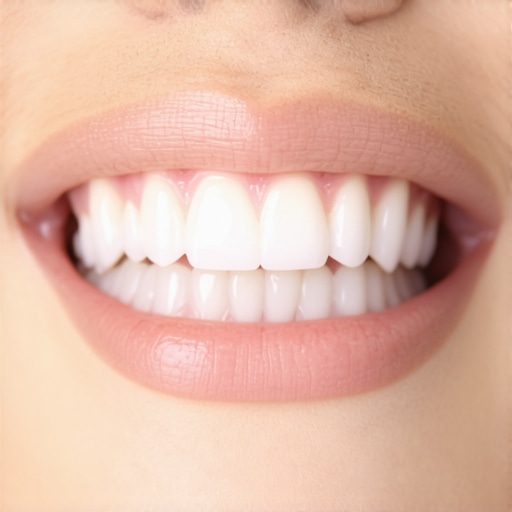
It was a morning like any other, but as I brushed my teeth, a sharp streak of blood appeared on my rinse cup. I froze for a moment, recalling a recent patient visit where gum bleeding was dismissed as minor—only to realize later it’s often a sign of deeper issues. That lightbulb moment hit me hard. We’ve all been there: ignoring minor bleeding, thinking it’s just a temporary glitch or a side effect of brushing too hard. But what if I told you that this seemingly small problem could be a warning sign of something more serious, especially with the dental technology and habits you’re using in 2026?
Today, I want to share something personal and practical—five proven habits that helped me and countless others put an end to persistent gum bleeding for good. If you’re tired of blood spots on your toothbrush or bleeding gums during flossing, stick around. Because the truth is, these habits can transform your oral health, making issues like bleeding a thing of the past. And trust me, tackling this early can save you pain, money, and a lot of worry down the line.
Why Ignoring Bleeding Gums Can Cost You More Than You Think
When I first ignored minor gum bleeding, I thought it would resolve itself. I brushed harder, flossed more diligently, and hoped for the best. But I was making a crucial mistake—assuming that bleeding is just an annoyance. The reality is, persistent bleeding can hint at gum disease, which, if left unmanaged, can lead to tooth loss or even more severe health problems. It’s alarming to learn that nearly half of adults over 30 have some form of gum disease, yet many dismiss early symptoms as insignificant (source). That’s why recognizing and changing your habits now is essential.
So, what causes this bleeding? In many cases, poor brushing technique, neglecting flossing, or choosing the wrong dental tools can make gums more vulnerable. With all the modern options—like Invisalign and crowns—it’s easy to overlook how daily habits impact gum health. And, surprisingly, improper care with new dental materials can cause unseen damage over time. That’s why a combination of good habits and smart technology use is vital.
Is It Better to Rely on Quick Fixes or Make Lasting Changes?
Early on, I fell for quick fixes—using stronger mouthwashes, skipping floss, or ignoring regular checkups. But these are band-aids, not solutions. A more effective strategy involves understanding your unique oral health needs and adapting your habits accordingly. For example, if you’re using outdated technology or neglecting proper oral hygiene routines, you’re setting yourself up for ongoing issues. Educating yourself about how dental innovations like Invisalign and crowns impact your gums can be a game-changer. Having made this mistake early on, I learned that knowledge truly empowers lasting change.
In the upcoming sections, I’ll guide you through five habits that can break the cycle of bleeding gums—habits rooted in practical, everyday decisions that anyone can make. Whether you’re about to start with new dental technology or just want healthier gums, these tips will set you on the path to a vibrant, bleeding-free smile.
Master Your Brushing Technique
Start by choosing a soft-bristled electric toothbrush, which is gentler on your gums and more effective at removing plaque. When I struggled with bleeding gums, I initially brushed aggressively, like scrubbing floors—resulting in more damage. I finally realized that gentle, circular motions mimicking polishing a delicate surface are best. Use the toothbrush at a 45-degree angle toward the gum line, ensuring you clean along the edge where plaque tends to accumulate. Spend at least two minutes brushing, dividing your mouth into quadrants. This habit reduces inflammation and bleeding within days of consistent practice.
Floss Daily with Proper Technique
Flossing isn’t about force; it’s about precision. I once tried to floss quickly, snapping the floss in and out, which irritated my gums further. Instead, gently slide the floss between teeth, curving it to follow the contours of the tooth and gum line—imagine threading a needle. Move the floss up and down, cleaning each side thoroughly without forcing it. If you find traditional floss uncomfortable, consider using interdental brushes or water flossers, which are increasingly popular in 2026 family practices. Regular flossing disrupts harmful bacteria, preventing gum inflammation and bleeding over time.
Incorporate Nano-Seal Treatments Regularly
Applying nano-seal or nano-coatings on your gums can act as a protective barrier against bacteria. During a routine checkup, I had a nano-seal applied to my gum line, which significantly reduced bleeding episodes. Think of it like wearing a raincoat—shielding your gums from irritants. Consult your family dentist to see if an integrated nano-seal treatment suits your needs. This quick procedure enhances your natural defenses and maintains healthy gum tissue, ensuring bleeding becomes a thing of the past.
Utilize Advanced Dental Technology for Monitoring
Modern diagnostics like 3D digital scans and AI-powered exams can detect early signs of gum issues before bleeding starts. In my experience, a family dental visit included a quick scan, revealing early inflammation that wasn’t visible to the naked eye. Regular checkups equipped with technology can help you track progress and catch problems early. For instance, AI scans can assess gum integrity and alert you to subtle changes, prompting preventive steps—saving time, money, and discomfort. Integrate these tools into your routine to stay proactive about gum health.
Adopt a Healthy Diet Rich in Vitamins
What you eat directly impacts your gum health. Vitamins C and D are critical—think of them as the building blocks for resilient gums. I incorporated more citrus fruits, leafy greens, and fortified foods, which helped me see improvements in bleeding frequency. Avoid sugary snacks and acidic drinks, as they promote plaque buildup and gum irritation. Maintaining proper hydration also aids in flushing out bacteria and toxins. A balanced diet isn’t a quick fix but a sustainable habit to support the other steps and ensure lasting oral health.
Many people believe they understand the basics of family dentistry, crowns, or Invisalign, but often miss the nuanced realities that influence treatment success and long-term oral health. For instance, a common myth is that all crowns are created equal; in reality, material choice and placement technique can significantly impact durability and aesthetic results. As explained in [Family Dentist Pro](https://familydentistpro.com/why-crowns-are-a-game-changer-in-restorative-dentistry), understanding the specifics of crown materials can prevent premature failure and avoid unnecessary replacements.
Another misconception surrounds Invisalign treatment timelines. Many assume it’s a quick fix, but recent studies emphasize the importance of precise customization and patient compliance, which directly affect outcomes. The [Invisalign myths debunked](https://familydentistpro.com/invisalign-myths-debunked-what-you-need-to-know-today) highlight that success hinges on more than just wearing trays—they require strategic planning and monitoring by experienced professionals.
Crucially, some overlook that family dentistry is not only about treating existing issues but also about proactive care. Modern advancements, such as digital scanning and AI diagnostics, enable early detection of problems like cavities or gum disease, often before symptoms appear. According to dental research, early intervention can halve the progression of decay, saving costs and preserving natural teeth longer.
A pivotal mistake is underestimating the importance of material quality and fit, especially with crowns. Poorly fitted crowns can lead to bacterial invasion, decay, and even gum recession. To avoid this, choose a dentist experienced in the latest [nano-seal](https://familydentistpro.com/why-your-crowns-are-a-game-changer-in-restorative-dentistry) applications and digital workflows that ensure precision fitting.
People also tend to focus solely on aesthetics with Invisalign, neglecting functional aspects like bite alignment and TMJ health. While a smile makeover is appealing, ignoring the functional component may result in ongoing discomfort or uneven wear. Consult expert resources like [Invisalign myths](https://familydentistpro.com/invisalign-myths-debunked-what-you-need-to-know-today) to understand that a balanced approach yields the best long-term results.
To truly optimize your oral health journey, recognize that every treatment choice—from crowns to aligners—should be tailored, considering advanced technologies and nuanced factors often overlooked. Do you think you’ve fallen into any of these misconceptions? Let me know in the comments. Remember, staying informed helps you make smarter choices for your family’s dental health, today and tomorrow.
Maintaining optimal oral health over years requires more than just routine cleanings; it depends heavily on the tools and methods you choose to support your smile. As a dentist committed to integrating cutting-edge technology and proven practices, I rely on specific equipment and software to ensure long-term success for my patients. These tools enable precise diagnostics, efficient treatments, and personalized care that stand the test of time.
How do I maintain dental tools and technology for lasting results?
First, I prioritize high-quality ultrasonic scalers like the Cavitron system, which uses gentle vibrations alongside water irrigation to remove plaque and tartar thoroughly without damaging delicate gum tissue. Unlike manual scaling, ultrasonic devices reduce operator fatigue and improve patient comfort, making regular maintenance more effective. Additionally, I use digital intraoral scanners such as the Planmeca Emerald, which eliminate the need for traditional impression materials. The scanner’s high-resolution images ensure accurate molds for crowns or Invisalign, reducing the chance of fit issues and subsequent adjustments.
Software like Cerec Omnicam integrates seamlessly with chairside CAD/CAM systems, enabling same-day restorations. This accelerates treatment timelines without compromising quality, helping patients regain function quickly. Regular calibration and maintenance of these devices, per manufacturer guidelines, ensure their precision remains sharp over years, preserving long-term outcomes.
The Future of Dental Tools and How to Prepare for It
Looking ahead, AI-driven diagnostics and 3D printing are poised to revolutionize family dentistry further. Emerging technologies will allow even earlier detection of cavity formation and gum disease, giving us the opportunity to intervene proactively. To stay ahead, I recommend investing in reputable digital systems now and embracing continuous education about new tech developments. This approach ensures your practice adapts swiftly, providing your family with the latest in safe, effective, and durable dental care.
Make Your Tools Work Harder for You
To keep your oral health tools functioning optimally over time, schedule regular preventive maintenance and calibration. For example, cleaning ultrasonic tips after every use prevents bacterial buildup that can compromise efficiency. Use manufacturer-recommended sterilization protocols to extend equipment lifespan. Additionally, updating your practice management software—such as family dentistry trends—helps streamline patient records and treatment plans, reducing errors and improving outcomes.
Investing in reliable, high-quality tools ultimately saves money and trouble by reducing repair costs and ensuring precise, predictable results. I personally recommend exploring advanced cleaning and imaging devices, as they form the backbone of successful, long-term treatments like crowns and Invisalign. Regularly scheduled maintenance and staying informed about upcoming innovations will keep your tools—and your practice—performing at their best for years to come.
Start by examining your current equipment and scheduling professional tune-ups now. For example, if your intraoral scanner hasn’t been calibrated recently, it might cause inaccuracies that lead to remakes or adjustments. Make the investment in quality tools and upkeep today, and you’ll enjoy smoother procedures and happier patients tomorrow.
The Lessons That Only Time Can Teach
One of the most profound realizations I had was how overlooked small daily habits can drastically impact long-term gum health. I once believed that regular brushing and flossing were enough, but I learned that technique and consistency are equally vital. Experimenting with different tools and routines highlighted how personalized our oral health strategies need to be, especially as dental technology evolves in 2026. Another lightbulb moment was understanding that early signs of gum problems often hide beneath the surface—making advanced diagnostics essential—so I now prioritize tech-driven checkups to catch issues before they manifest as bleeding. Lastly, appreciating the role of diet and lifestyle choices helped me realize that oral health isn’t isolated; it’s integrated into overall well-being. These lessons, learned through personal trial and error, have shaped my approach into one that emphasizes proactive, tailored care rather than reactive fixes.