
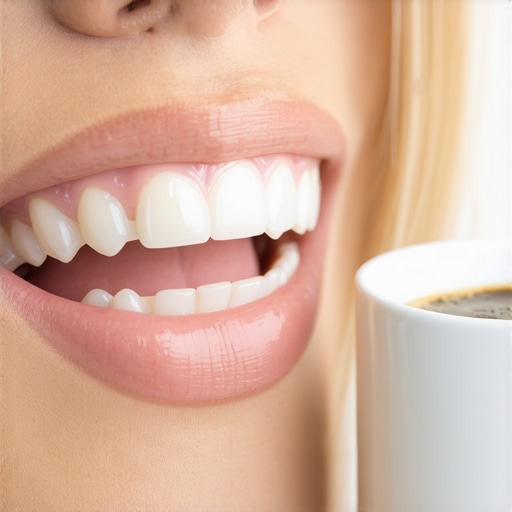
It was just a regular morning, and I took my first sip of coffee—hot, aromatic, comforting. But almost immediately, I noticed something odd: my dental crown felt painfully tight. Not just a little uncomfortable—like a clamp squeezing my tooth. It was a lightbulb moment for me, and I bet it’s one you’re familiar with too. That strange, tight feeling after drinking coffee usually leaves many wondering, “Why did this happen? Is my crown failing?” Well, let me tell you—you’re not alone, and there’s good news. Today, we’re going to explore why this sensation occurs and, more importantly, how you can address it before it turns into a bigger dental issue. This simple discomfort might seem minor, but ignoring it can lead to more serious problems down the line. Understanding the root cause is the first step toward a healthier, happier smile.
What Causes That Tight Feeling in Your Crown After Coffee?
You might be surprised to learn that the sensation of a tight dental crown isn’t exactly about the crown itself shrinking or expanding. Instead, it’s often about how the materials used in your crown interact with temperature changes in your mouth, especially when consuming hot beverages like coffee. When you sip that steaming cup, the temperature causes the cement holding your crown to slightly expand or contract. If the fit isn’t perfectly done, or if the cement layer is compromised, you might feel that constricting sensation.
In my early days of dealing with crowns, I made a common mistake: I thought that if the crown didn’t hurt constantly, it was fine. But I ignored subtle signs, like this tightness after drinks. That oversight nearly led to a cracked crown and a costly dental emergency. Remember, not all discomfort warrants panic, but it’s essential to listen to your body and act proactively.
Interestingly, a study published by the American Dental Association highlights that thermal fluctuations are one of the key factors influencing crown fit and longevity. Knowing this makes it clear: what we sip and chew can directly impact our dental work.
Are you wondering whether this tight feeling is just temporary or a sign of something more serious? The good news is, with proper understanding and care, you can often resolve these issues early on. But first, let’s address some of the common fears that might be holding you back from seeking help.
Check Your Bite and Crown Fit
Start by gently tapping your teeth together to see if the crown feels uneven or high, especially after hot drinks. Using a mirror, look for signs of misalignment or gaps around the crown. If you notice your bite feels off or the crown seems marginally higher, it’s time to consult your dentist for precise adjustments. In my experience, a minor bite adjustment can instantly relieve the tightness, restoring comfort and preventing future wear or cracks.
Maintain Proper Oral Hygiene Around the Crown
Use a soft-bristled toothbrush and floss carefully to clean around the crown’s margins. Plaque buildup can compromise cement integrity, leading to tighter sensations. Incorporating interdental brushes or water flossers can help reach tricky areas. I once neglected this, which resulted in increased sensitivity. Regular cleaning keeps cement layers healthy, reducing temperature-induced expansions that cause tightness.
Address Cement and Material Issues
If your crown is loose or slipping, it may be due to cement degradation. Avoid trying to fix this yourself; instead, schedule a visit to your dentist. They might re-cement or replace the crown if needed. Remember, modern crown materials like bio-compatible ceramics are designed for durability, but they still require professional checkups. Visiting https://familydentistpro.com/why-crowns-are-a-game-changer-in-restorative-dentistry can provide insights into choosing the right crown for longevity.
Manage Temperature Sensitivity Effectively
Hot beverages cause thermal expansion in the cement, sometimes leading to misfits. To prevent sharp sensations, opt for lukewarm drinks temporarily and notice if the tight feeling subsides. Using desensitizing toothpaste can also help, as it soothes nerve endings and reduces discomfort during temperature swings. I found that switching to cool drinks during hot days helped avoid that constricted feeling.
Schedule Regular Dental Checkups
Ensure your routine visits include crown evaluations. During the appointment, your dentist can verify the crown’s integrity, fit, and cement condition, preventing minor issues from escalating. This proactive step not only captures early signs of potential crown failure but also minimizes discomfort from temperature fluctuations. For comprehensive advice on crown maintenance, visit https://familydentistpro.com/the-ultimate-guide-to-crowns-for-a-healthier-smile.
 Many misconception myths cloud our understanding of dental treatments like Invisalign, crowns, and comprehensive family dentistry. First, there’s a common belief that Invisalign trays are only for minor corrections, but in reality, they can address complex cases effectively when used with proper expert oversight, as highlighted in https://familydentistpro.com/invisalign-myths-debunked-what-you-need-to-know-today. Secondly, many assume that all crowns are created equal, leading patients to opt for cheaper, less durable options; however, the choice of material directly affects longevity and health, making consultation with a specialist essential, which you can learn more about at https://familydentistpro.com/choosing-the-right-crown-expert-advice-for-long-lasting-results.Maintaining your dental work over time requires more than just good brushing; it demands specific tools and methods designed for durability and efficiency. I personally rely on ultrasonic electric toothbrushes, like the Philips Sonicare DiamondClean, which uses high-frequency vibrations to remove plaque effectively without damaging delicate restorations such as crowns or veneers. These devices help preserve your restorations’ integrity by providing thorough cleaning that traditional brushes often miss. Additionally, I incorporate water flossers like the Waterpik Ultra, which can access hard-to-reach areas around crowns and orthodontic appliances, reducing plaque buildup and preventing cement degradation. Using floss picks with angled tips fosters better plaque removal in tight spaces, extending the lifespan of your restorations and preventing long-term issues. As digital technology advances, AI-powered oral health apps are becoming invaluable; I recommend trying apps that track your brushing patterns and remind you of replacement schedules for toothbrush heads and floss, ensuring your tools stay effective. Looking ahead, the trend points toward integrated smart systems that couple real-time monitoring with professional diagnostics, helping catch potential problems before they become painful or costly. For example, digital bio-scans advanced by AI are now capable of early cavity detection, which I discuss in detail at https://familydentistpro.com/how-invisalign-transforms-family-dentistry-in-2025. Want to improve your maintenance routine? Start by investing in a quality ultrasonic toothbrush and make sure to replace your brush head on schedule—it’s a small step that offers significant long-term benefits. How do I maintain my dental tools for ongoing effectiveness? Regularly clean and replace parts, keep them stored in hygienic conditions, and consider using smart apps to track usage. Remember, consistent maintenance of your tools is crucial for long-lasting results and optimal oral health. For more personalized advice, feel free to contact us at https://familydentistpro.com/contact-us.
Over the years, I’ve learned that the journey to a healthy smile isn’t just about dramatic fixes—sometimes, it’s in the small, almost imperceptible details that truly make a difference. These subtle lessons have helped countless patients—and myself—avoid costly repairs and retain confidence in our dental health.
What I Wish I Knew Before Ignoring the Tiny Signs
One of the most impactful lessons was realizing that discomfort around crowns isn’t always about immediate failure. Paying attention to moments of tightness or sensitivity, especially after hot drinks, can be early signs of cement degradation or material mismatch. Addressing these signs promptly prevents small issues from turning into big emergencies, saving both time and money.
Another revelation was understanding the importance of proper cleaning tools. Simple updates like switching to ultrasonic electric toothbrushes or water flossers can drastically extend the life of dental restorations. These tools help maintain cement integrity and prevent plaque buildup that might compromise fit or cause sensitivity.
Finally, I learned that regular checkups are your best allies. Routine visits allow professionals to catch early signs of cement wear, misalignment, or material fatigue—long before discomfort becomes noticeable. An ounce of prevention, supported by trust in your dental team, truly goes a long way.
Where I Turn for Confidence and Clarity
- Family Dentist Pro Articles—Their in-depth guides like Choosing the Right Crown offer insights I trust, ensuring my decisions are backed by expertise.
- The Ultimate Guide to Crowns—A comprehensive resource that demystifies materials and long-term care, helping me choose durable, biocompatible options.
- Latest Technology Reviews—Staying updated on innovations like AI-based diagnostics and laser treatments keeps me confident that my dental health is in the best hands.
Your Bright Smile Starts Now
Remember, your smile is a reflection of your overall health and confidence. Embrace regular maintenance, listen to your body’s subtle cues, and don’t hesitate to consult your dental professional when something feels off. Small steps today can lead to a lifetime of strong, radiant smiles.
Have you ever caught a tiny sign that turned out to be an important health indicator? Share your experiences below—I’d love to hear your story!