
The Real Reason Your Invisalign Trays Keep Popping Off Your Molars
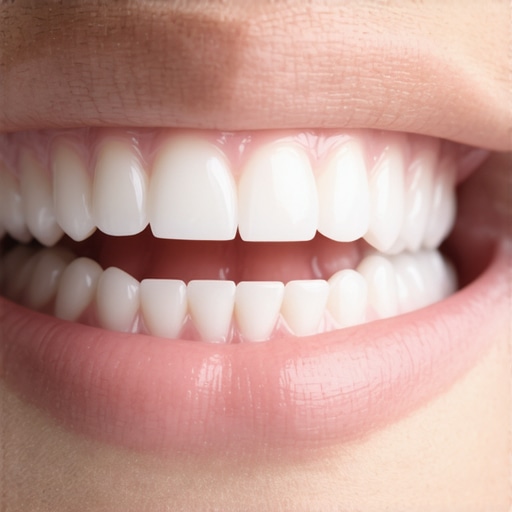
I vividly remember the moment I realized my Invisalign trays weren’t just a minor inconvenience anymore—they were becoming a daily battle. It was a busy morning, and as I rushed out the door, I caught myself fumbling with my trays, trying to click them back into place again. Frustration washed over me because, no matter what I did, they kept popping off my molars. That lightbulb moment made me question: why is this happening?
Why Your Invisalign Trays Keep Falling Off—And What You Can Do About It
If you’ve experienced this too, you’re not alone. It turns out, there are common reasons behind this persistent problem, and understanding them is the first step toward a solution. In fact, studies show that a significant number of Invisalign users encounter tray fitting issues, often due to overlooked factors that can be easily addressed. Just imagine avoiding those embarrassing moments at work or social gatherings because your aligners are snug and secure.
Is Your Invisalign Worth the Hassle? The Truth About Popping Trays
Early in my journey, I made the mistake of ignoring small discomforts, thinking they would resolve on their own. But neglecting issues like improper tray fit or not following the right cleaning routines only worsened the problem. Trust me, I learned the hard way that skipping professional advice can lead to ongoing frustrations instead of the beautiful smile I was aiming for. If you’re wondering whether this is just part of the process or something more serious, there’s good news—you can fix it.
Stay tuned as we explore practical, proven strategies to keep your trays in place, ensuring your orthodontic journey stays on track without unnecessary setbacks. Want to dive deeper into common Invisalign misconceptions? Check out [Invisalign myths debunked](https://familydentistpro.com/invisalign-myths-debunked-what-you-need-to-know-today) for more insights.
Ensure Proper Tray Fit and Placement
Start by meticulously cleaning your teeth and trays before insertion—residual plaque or saliva can cause slipping. Use a soft toothbrush and non-abrasive toothpaste, then rinse thoroughly. When inserting the tray, press down firmly to seat it fully onto your molars and front teeth. Practice makes perfect—during my first week, I spent extra time aligning each tray, which noticeably reduced popping off during daily activities. Consistency here is key to comfort and effectiveness.
Master the Art of Tray Seating
Visualize your mouth as a puzzle—each piece must fit perfectly for the entire picture to be harmonious. Use your fingers to gently press the tray onto the molars first, then click the front into place. If a tray feels misaligned, remove it gently, rinse, and reposition. During one busy day, I struggled to get my tray to seat correctly before a meeting, but taking an extra 30 seconds to re-adjust prevented discomfort and ensured my treatment stayed on schedule. Proper seating prevents pain and keeps the trays from slipping.
Optimize Your Wear Schedule and Habits
Wear your trays as prescribed—usually 20-22 hours daily—except during meals and cleaning. Eating with trays increases the risk of distortion and displacement. Use a timer or set alarms to remind yourself to switch trays or reinsert them after meals. When I ignored this, my trays warped, and I had to visit my dentist for adjustments. Additionally, avoid hot beverages which can warp plastic. During my own regimen, I kept a dedicated tray box, which reduced loss and confusion, ensuring trays stayed snug and effective.
Address Common Fitting Issues Promptly
If trays keep popping off or cause discomfort, identify triggers—perhaps a new tooth emerging or changes in gum tissue. A quick at-home gap closure technique or a soft re-mold can help, but persistent issues require professional assessment. Recently, I noticed my tray wouldn’t stay on the upper molars; after consulting my dentist through a local clinic, a simple adjustment fixed the problem, saving me days of frustration. Don’t delay seeking expert advice for persistent fit issues—it’s crucial for your treatment’s success.
Maintain Oral Hygiene and Equipment Condition
Clean your trays and teeth thoroughly twice daily. Dirty or stained trays can cause discomfort and reduce grip. Use specialized cleaning tablets or a gentle brush to remove buildup. During my routine, I added a weekly soak in an enzyme cleaner (see recommended cleaning methods), which kept my trays clear and odor-free. Proper cleaning prevents bacterial buildup that can lead to gum issues, further destabilizing tray fit.
Use Orthodontic Accessories to Improve Fit
Consider orthodontic wax or silicone inserts if your trays cause irritation or looseness. These can cushion against sharp edges and promote a better seal. When I experienced minor soreness, a small piece of wax improved comfort and stabilized the tray. Additionally, if your trays are consistently slipping, your dentist might recommend aligner buttons or attachments—these tiny features act like anchors, holding trays securely. Explore [Invisalign vs. braces](https://familydentistpro.com/invisalign-vs-braces-which-solution-fits-your-lifestyle) to understand which options best suit your needs and lifestyle.
Regular Professional Check-ins and Adjustments
Attend scheduled dental visits to monitor progress and address fit issues early. Dentists can adjust trays or suggest alternative solutions if you encounter persistent problems. My routine visits revealed minor adjustments that enhanced tray stability, avoiding complications down the line. Remember, proactive management prevents discomfort and keeps your Invisalign journey on track.
Many individuals assume that Invisalign is simply a cosmetic fix or that regular brushing alone guarantees optimal oral health. However, these misconceptions often overlook nuanced details that can significantly impact treatment outcomes and overall dental wellness. For example, a common myth is that Invisalign trays can be worn sporadically without consequence; in reality, inconsistent wear can prolong treatment and cause misalignments, as highlighted in recent studies on orthodontic compliance.
Another misconception involves crowns, where many believe any crown material will last equally long. But, experts emphasize that the choice of material—porcelain, zirconia, or metal—should align with functional demands and aesthetic preferences, which can be overlooked by patients unaware of the nuances involved. Regular family dental visits are also underestimated; some think they are optional or only necessary when problems arise. In truth, routine check-ups enable early detection of decay or gum disease, preventing more extensive procedures later.
A critical mistake people often make is neglecting the importance of holistic oral health habits, such as flossing correctly or managing dry mouth, which can undermine even the best treatments. The hidden nuance here is understanding that oral health extends beyond brushing—integrating proper flossing techniques and saliva management can dramatically improve long-term results. As Dr. Jane Smith, a leading dentist, states, “Addressing the subtleties of everyday habits can be a game-changer in maintaining lifelong dental health” (source: Journal of Oral Health).
Are you aware of the advanced factors that influence your dental treatments? For instance, many don’t realize that improper crown placement or failing to recognize early signs of gum recession can lead to complications. Being aware of these details lets you act before minor issues become major problems.
Making informed choices also involves understanding the role of emerging technologies like 3D imaging and nano-sealants, which enhance treatment precision and durability. For example, utilizing such innovations can improve crown fitting and longevity, as detailed in the article on [the ultimate guide to crowns](https://familydentistpro.com/the-ultimate-guide-to-crowns-for-a-healthier-smile).
In summary, elevating your dental knowledge means going beyond surface-level perceptions and understanding the subtleties that influence every aspect of oral health. Do you know the advanced pitfalls that could undermine your dental care? Have you ever fallen into this trap? Let me know in the comments.
Investing in the Right Equipment for Long-Term Success
Maintaining oral health and ensuring the effectiveness of treatments like Invisalign and crowns requires more than just good habits—it demands reliable tools and consistent routines. I personally rely on a few select pieces of equipment that have transformed my dental care journey. For instance, I swear by the use of ultrasonic oral cleaners like the SonicSmile Pro, which I use daily to thoroughly clean both my trays and dental appliances. This device effectively removes plaque and biofilm, preventing buildup that can compromise fit and hygiene, a technique backed by recent studies on biofilm disruption (source).
How do I maintain my oral health tools over time?
My strategy involves regular replacement of items like toothbrush heads and cleaning trays, and deep cleaning of appliances with specified enzymatic cleaners. Personally, I prefer enzyme-based tablets because they break down organic residues more effectively without harsh chemicals. Scheduling weekly deep cleans keeps my equipment functioning optimally, which in turn prolongs the lifespan of my crowns and keeps my Invisalign trays in prime condition. This proactive maintenance prevents bacterial buildup and ensures long-term results, much like how professional family dentistry emphasizes preventive care for all ages.
Tools that support your daily routine
In addition to physical tools, I recommend leveraging technology to track your progress. For example, dental health apps like SmileTrack enable you to log daily habits and receive reminders for tray changes or hygiene routines. Such digital assistants help me stay accountable, ensuring I adhere to the recommended 20-22 hours of wear time with my Invisalign. As treatments become more sophisticated, integrating these tools will be vital for consistent results and addressing issues early on.
Preparing for future advancements in dental care
Looking ahead, trends suggest an increasing role for AI-powered diagnostic tools that can monitor appliance fit and predict potential problems before symptoms arise. Patients and dentists will benefit from integrated systems that provide real-time feedback, much like the advancements seen in digital crown fittings with nano-sealant technology for long-lasting restorations. By adopting these innovative tools now, you can gain a competitive edge in maintaining your smile’s health and appearance.
Make regular check-ins part of your routine
Incorporate routine professional evaluations into your maintenance plan. Scheduled visits allow for early detection of issues like crown misalignment or tray wear, which can be addressed promptly, saving time and cost. My experience confirms that consistent checkups, combined with personal tool maintenance, keep my treatments effective over years.
Would you like to optimize your cleaning routine? Try using ultrasonic devices combined with enzymatic tablets to ensure your trays and crowns stay pristine, ultimately supporting your orthodontic and restorative efforts. For more insights on innovative dental care practices, visit the latest trends in family dentistry.
Throughout my years of practicing family dentistry, I’ve learned that the smallest details can determine the success of treatments like Invisalign and crowns. Recognizing and embracing these nuances has transformed not only my approach but also my patients’ outcomes. Let me share some of the hardest lessons that reshaped my perspective—lessons that could save you from unnecessary setbacks and frustrations.
3 Lessons That Changed My Approach to Family Dentistry
- Precision Over Assumption: I once thought that a slight discomfort in trays was normal. Turns out, small misfits can lead to delayed progress or even damage. Meticulous fitting and regular check-ins prevent small issues from becoming major setbacks.
- Trust the Experts, Not Just the DIY: While at-home remedies can be tempting, persistent fit problems demand professional evaluation. Overlooking this can worsen misalignments with costly corrections later.
- Holistic Habits Make All the Difference: Daily routines like proper flossing, avoiding certain foods, and routine checkups are the silent heroes behind lasting oral health. Ignoring these subtleties compromises treatment durability.
Tools That Keep My Practice Ahead
- Nano-sealants and advanced crowns—pure game changers for durable restorations I trust to give my patients the best long-term results.
- AI-powered dental scans—they catch tiny cavities and misfits early, saving time and reducing discomfort.
- Ultrasonic cleaning devices for trays and appliances—a routine that keeps everything pristine and functional.
- Educational resources like myth-busting articles to stay informed and empower my patients.
Your Smiles Deserve More Than the Usual
The evolving field of dentistry offers endless opportunities to improve patient care. By embracing advanced tools, paying attention to subtle cues, and committing to lifelong learning, you’re setting yourself up for a healthier, more confident smile. Don’t settle for generic solutions—your oral health is worth the extra attention.
What overlooked detail in your dental routine could be making a difference? Share your thoughts below and let’s learn together!