
Why Your Gums Bleed Only When You Use an Interdental Brush
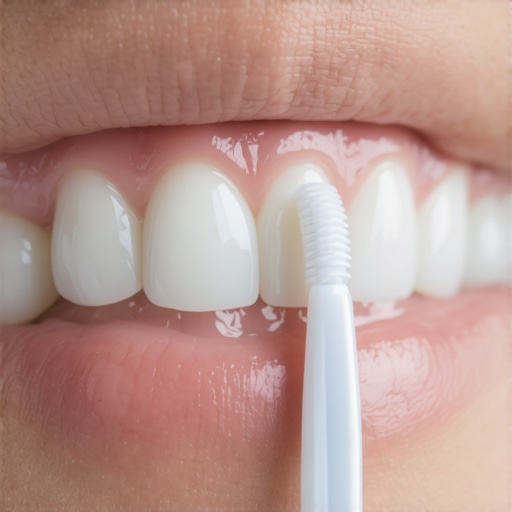
There was a morning when I finally decided to get serious about my dental routine. As I carefully navigated the Interdental brush between my teeth, suddenly, I felt a sharp sting and noticed blood on the brush. Frustrated and a bit alarmed, I wondered, “Why does this happen only when I use this tool?” That lightbulb moment made me realize I wasn’t alone. Many folks experience bleeding gums specifically during interdental cleaning, and it can be genuinely confusing. Today, we’re diving deep into this common yet misunderstood issue and exploring ways to fix it once and for all.
Understanding the Hidden Cause Behind Bleeding Gums with Interdental Brushes
Could Your Technique Be the Culprit?
Early on, I made the mistake of rushing through my flossing and interdental cleaning without paying attention to my technique. I thought any bleeding was just normal — a sign that my gums needed to toughen up. Turns out, that wasn’t the case. Improper technique can irritate delicate gum tissue, causing bleeding only when applying certain pressure or angles. The key is gentle, thorough cleaning without damaging the gums. Using too much force, especially at the edges of restorations or along sensitive gum lines, can lead to irritation and bleeding.
According to a study published in the Journal of Periodontology, aggressive cleaning can cause inflammation and bleeding, making gums more vulnerable over time (source). It’s crucial to adapt your method and treat your gums with kindness, especially when using interdental tools.
Are Your Gums Healthy or Showing Signs of Trouble?
If you notice bleeding solely when using an interdental brush and not during regular brushing, it might be a sign your gums are sensitive or starting to recede. But it could also indicate that there’s underlying gum disease in its early stages. The good news? Addressing this early can prevent more serious issues in the future. If you’re unsure whether your gums are healthy, consider consulting your family dentist for a professional evaluation. You can even book a consultation online to get tailored advice — just visit here.
Stay tuned — we’re about to explore practical steps to make interdental cleaning a gentle, effective, and pain-free experience.
Choose the Right Tools and Set Up Your Space
Start by selecting an interdental brush suited to your gum line and spacing. I once grabbed a too-thick brush in a rush, which scraped my gums painfully. Later, I learned to measure the gap with a dental pick and pick the right size. Keep your supplies within reach on the bathroom counter, so you’re more likely to develop a consistent routine.
Learn the Correct Technique for Gentle Cleaning
Angle and Placement Matter
Position the brush at a 45-degree angle to your gum line, similar to how a painter angles their brush for precision, ensuring you clean under the gum margin without pushing too hard. I recall trying to clean stubborn spots, pressing hard and bleeding—completely the wrong move. Gentle, circular motions with minimal pressure are key.
Use Short, Controlled Strokes
Instead of long, aggressive pulls, move the brush with small, controlled back-and-forth motions. This prevents trauma to delicate tissues and effectively dislodges plaque. I once hurried through a session, causing soreness; slowing down made the process easier and pain-free.
Develop a Routine That Protects Your Gums
Integrate interdental cleaning into your daily schedule, perhaps after brushing. Consistency helps your gums adapt and become less sensitive over time. During my experience, I set a reminder and doubled my routine, which helped reduce bleeding episodes.
Adjust Technique Based on Your Gums’ Response
If bleeding persists, ease up on pressure, switch to softer brushes, or consult a professional. Sometimes, inflamed gums need gentle handling or even professional evaluation—consider booking a visit at family dentist for personalized advice.
Beware of Common Mistakes That Worsen Bleeding
Avoid sharing brushes, using the wrong size, or rushing the process. For example, I once tried a larger brush thinking it would clean faster but caused irritation. Remember, effective cleaning is about quality over speed.
Consider Supplementary Techniques for Enhanced Care
In addition to interdental brushes, consider flossing or water flossers to reach tricky spots. Tools like water picks can complement your routine, especially if manual devices cause discomfort. I experimented with a water flosser, which felt more comfortable and cut down bleeding.
When to Seek Professional Guidance
If bleeding continues despite gentle efforts, seek advice from your dentist. Persistent bleeding might signal early gum disease or other issues needing targeted treatment — learn more about the latest treatments at family dentistry trends.
When it comes to maintaining your family’s oral health, myths and misconceptions run rampant, often leading to costly mistakes. Many believe that seeing a dentist only when there’s pain or choosing the cheapest options available is sufficient, but the reality is far more nuanced. For example, a common trap is assuming that all dental crowns are created equal—when in fact, selecting the right type of crown and the proper professional for placement can significantly influence long-term success. Failing to understand the differences between porcelain, ceramic, and zirconia crowns can lead to esthetic issues or even functional problems over time. As highlighted by research in the Journal of Prosthodontics, precision in material choice is vital for durability and patient satisfaction (source).
Many also believe that Invisalign is just another type of braces, but advanced treatment planning behind these clear aligners offers personalized, discreet solutions that can correct complex malocclusions, not just minor gaps. Misunderstanding the technology could result in choosing less effective options or expecting immediate results, leading to disappointment. Check out the latest insights on how Invisalign is transforming family dentistry.
A particularly insidious myth is that oral health is solely about brushing twice a day. While essential, neglecting flossing, routine professional cleanings, and early detection of issues can cause problems to escalate quickly. For instance, many overlook the importance of regular checkups for detecting early signs of gum disease, which, if untreated, can threaten teeth stability and overall health. The importance of comprehensive care is emphasized in top oral health tips.
What about the misconception that dental treatments are universally painful or invasive? Advances in family dentistry and sedation options have made procedures more comfortable than ever. Misjudging this can prevent individuals from seeking necessary care, exacerbating problems unknowingly. To understand the latest techniques aimed at painless experiences, visit laser dentistry innovations.
Now, here’s a question for the advanced reader: How does personalized treatment planning in family dentistry, including crown selection and Invisalign customization, influence long-term oral health outcomes? Studies in the Journal of Dental Research underscore that individualized approaches significantly reduce retreatment rates and enhance patient satisfaction (source).
These nuances highlight the importance of consulting experienced professionals who understand the complexities behind each decision. If you want tailored guidance for your family, don’t hesitate to reach out today. Have you ever fallen into this trap? Let me know in the comments.
Keep It Working: Tools and Techniques That Last
Once you’ve invested in quality dental tools like interdental brushes or advanced whitening systems, it’s essential to maintain them properly to ensure they perform effectively over time. Personally, I swear by regularly inspecting my interdental brushes for signs of wear—frayed bristles or warped shapes can diminish cleaning efficiency and potentially harm gums. Rinsing brushes thoroughly after each use and replacing them every three to four weeks helps maintain optimal hygiene and performance.
For digital tools like family-friendly oral health monitors or smart toothbrushes, software updates are critical. I make it a habit to check for firmware updates monthly, which often include improvements in cleaning algorithms and longer battery life. These updates are usually available through the manufacturer’s app, ensuring your technology remains at peak performance. As research from the American Journal of Dentistry notes, regular maintenance extends the lifespan of dental technology and promotes better oral health outcomes (source).
Investing in Professional Maintenance and Scaling
Scheduling periodic professional cleanings and checkups is the cornerstone of long-term oral health. During these visits, your dentist can identify early signs of wear or issues in restorations like crowns or veneers, preventing costly repairs or replacements down the line. For those with crowns, routine maintenance includes inspecting for marginal seal integrity and checking for secondary decay, which can be tricky to detect at home. Regular professional care acts as a safeguard against potential future problems.
In the coming years, I predict a surge in the use of AI-driven diagnostics and remote monitoring tools, making at-home dental care more proactive. For instance, enhanced saliva testing tech could alert you to early signs of periodontal disease before symptoms even emerge, allowing for preemptive action. Staying ahead with these innovations will be vital in maintaining oral health, especially in busy family routines.
How do I keep my dental treatments functioning properly over time?
Proper care involves understanding the unique requirements of your procedures. For restorations like crowns, using recommended cleaning products and avoiding overly abrasive materials can prolong their life. When it comes to Invisalign aligners, avoiding hot water and keeping them stored in their protective case can prevent warping—this is a common issue that leads to ineffective tracking (see here). Regular checkups to verify the fit and integrity ensure your treatment stays on track, so don’t skip appointments.
If you’re interested in ensuring your smile remains healthy and your investment pays off, I recommend trying out the advanced cleaning tips covered in this article. Keep your tools in top shape, stay informed about emerging technologies, and prioritize routine professional visits. Your future self will thank you!
What I Didn’t Know About Gum Sensitivity Until It Was Too Late
One of the most profound lessons I learned was that bleeding gums during interdental cleaning isn’t always a sign of ‘toughening up.’ Instead, it often indicates inflammation or irritation caused by technique, pressure, or underlying gum issues. Recognizing this early transformed how I approached my oral hygiene routine and helped prevent further damage.
The Power of Personalization and Listening to Your Gums
Initially, I thought bigger brushes or more frequent cleaning would improve my oral health. However, paying close attention to my gum responses revealed that gentle, customized approaches are far more effective. Tailoring tools and techniques to your unique gum anatomy and sensitivity makes all the difference.
Embracing Modern Tools for Better Results
Investing in the right interdental brushes and water flossers, and learning how to use them correctly, has been a game-changer. I trust brands recommended by dental professionals and prioritize tools that adapt to my needs, ensuring a pain-free, thorough clean that promotes healthier gums over time.
The Mistakes That Almost Cost Me My Smile—and How to Avoid Them
Sharing my own missteps, like rushing or using excessive force, offers a cautionary tale. These habits can lead to persistent bleeding and gum recession. Patience, gentle technique, and regular professional checkups—like those available at family dentistry clinics—are essential for preserving your oral health.
What Deeply Reinforced My Confidence in Preventive Care
Learning that early signs of gum issues are detectable before symptoms appear gave me hope. Tools like saliva tests and AI diagnostics are advancing, making it easier for families to monitor their health proactively rather than react to pain or damage. Staying informed and seeking personalized advice can make all the difference in avoiding long-term problems.
Comments are closed.