
How to clean a reusable straw to protect your mouth from bacteria
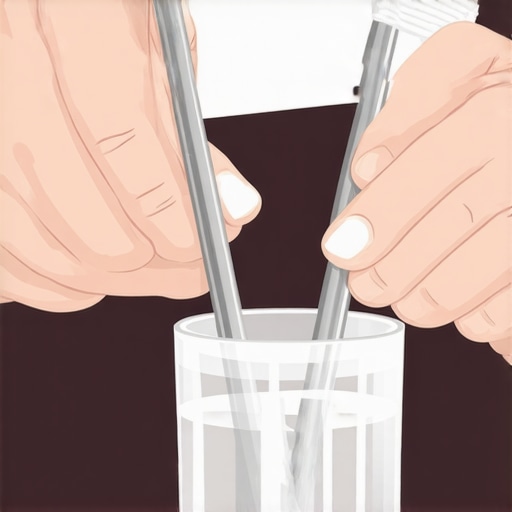
It was a morning like any other, but as I took my first sip of coffee through my reusable straw, I noticed a strange, slimy film on my lips. That little pebble of realization hit me hard: I had been neglecting proper straw hygiene. It wasn’t just about the gross feeling; I understood that bacteria and mold could be lurking inside, posing a real threat to my oral health and overall well-being. Have you ever experienced that unsettling moment when your reusable straw looks clean but still feels unclean? Well, I was there, and it opened my eyes to a simple but often overlooked aspect of maintaining a healthy mouth.
Why Properly Cleaning Your Reusable Straw Is Essential
Using reusable straws has become a popular choice for eco-conscious folks and those with sensitive teeth. They’re convenient, environmentally friendly, and cost-effective. But here’s the catch: many of us assume that rinsing with water or tossing them in the dishwasher suffices. Unfortunately, that’s not enough. Residual beverage particles, bacteria, and mold can settle inside, especially in hard-to-reach bends and narrow openings. If not cleaned thoroughly, these hidden culprits can lead to infections, bad breath, and even compromise your dental work.
Now, I don’t want you to fall into the same trap I did early on. My mistake was using a simple rinse, thinking that was enough after every use. That’s a common misconception, and it’s precisely why your straw might be a breeding ground for bacteria. According to a study from the Centers for Disease Control and Prevention (CDC), improperly cleaned portable drinking devices can harbor dangerous bacteria, including E. coli and Salmonella, which can cause serious health issues if ingested.
So, what’s the secret to keeping your mouth safe and your straw hygienic? Stick around, because I’ll share my proven method for cleaning your reusable straw thoroughly and effectively. Trust me, once you start doing it right, you’ll never go back to just rinsing. Ready to get into the nitty-gritty of proper straw cleaning? Let’s dive in.
Is a quick rinse enough to combat bacteria in your straw?
I used to believe that a rinse was sufficient—big mistake. Early on, I overlooked the importance of using specific tools and techniques to deep-clean inside the straw. This negligence led to persistent odors and occasional mouth irritation. The right cleaning procedure isn’t complicated, but it does require attention to detail. Ensuring your straw is truly sanitized can make a huge difference in your oral health and overall hygiene. Want to learn my tried-and-true method to keep those straws spotless? Keep reading, and I’ll walk you through each step.
Start with Hot Water and Dish Soap
Immediately after use, pour hot water and a few drops of dish soap into your straw. Swirl vigorously to loosen residue, focusing on bends and the tip where buildup often hides. I remember when I first did this—my initial attempt was messy, water splashed everywhere, but it was eye-opening to see how much came out just with a quick swirl.
Use a Cleaning Brush for Thorough Scrubbing
Equip yourself with a thin, flexible brush designed for straws. Insert the brush into the opening, then twist and scrub back and forth, applying gentle pressure. I once didn’t use enough pressure, and the brush got stuck momentarily—that taught me to be firm but gentle. This step removes particles and bacteria trapped inside the narrow lumen, which rinse alone can’t dislodge.
Soak in Vinegar or Baking Soda Solution
Prepare a solution of equal parts white vinegar and water or mix baking soda with water to form a paste. Let your straw soak for at least 10 minutes. I found that soaking overnight makes a noticeable difference in eliminating odors and mold. Remember, vinegar is antibacterial and natural, making it safe and effective for deep cleaning.
Use a Pipe Cleaner for Hard-to-Reach Areas
For stubborn spots or bends, a pipe cleaner (or a dedicated straw cleaning tool) can access tight curves. Gently pass it through the interior while twisting. I once tackled a bent straw where residue stubbornly lingered; the pipe cleaner was the hero, reaching places I couldn’t with the brush alone.
Rinse and Air Dry Completely
Thoroughly rinse your straw with hot water to remove any remaining cleaning solution or debris. Shake off excess water and place your straw on a clean towel or drying rack, ensuring it dries completely before reuse. I learned the hard way that lingering moisture can promote bacterial growth, so skimping on drying isn’t worth the risk. Regularly inspecting your straw for cracks helps prevent bacterial seeping through worn spots.
Additional Tips for Maintaining Straw Hygiene
Make cleaning a routine: after each use, rinse thoroughly and perform the deep-clean weekly. Consider replacing your straw every few months, especially if you notice discoloration or cracks. For eco-conscious folks, investing in high-quality, dishwasher-safe silicone or stainless-steel straws reduces the need for complex cleaning. Want more tips on maintaining your overall oral health? Check out top oral health tips for your family’s bright smiles.
Many patients believe that visiting the dentist infrequently or only when symptoms appear is enough to maintain optimal oral health, but this is a misconception. Regular check-ups often reveal nuances that even seasoned patients overlook. For example, a common myth is that Invisalign aligners can be worn without proper cleaning, yet neglecting meticulous hygiene can lead to bacteria buildup and longer treatment times. Advanced issues like crown misfits or hidden cavities often escape casual examinations — understanding these intricacies requires a deeper knowledge of dental materials and techniques. Did you know that some crowns can cause tissue irritation if not properly fitted, which majorly impacts oral comfort and health? Interestingly, the nuances of family dentistry involve more than just treating teeth; they encompass managing the oral microbiome, preventing future problems, and choosing the right materials for long-term results. Experts emphasize that the choice of crown material—porcelain, zirconia, or composite—affects durability, appearance, and even the health of adjacent gums, as discussed in detail at The Ultimate Guide to Crowns for a Healthier Smile. When considering Invisalign, many assume it’s just a cosmetic fix, but its advanced innovations have profound implications for jaw health and bite alignment, which can influence overall posture and wellbeing, as elaborated at Invisalign Innovations: The Future of Family Dentistry. Conversely, misguided beliefs about oral health often lead to neglecting the importance of interdental cleaning or the role of diet in cavity prevention. For instance, many overlook that enamel erosion isn’t solely caused by sugar but also by acidic beverages, a point supported by recent studies in dental research. Opting for natural remedies over evidence-based solutions can sometimes worsen issues, so awareness of these nuanced distinctions is crucial. Remember, detailed understanding of these elements empowers you to make smarter decisions about your family’s oral health. Want to avoid common pitfalls? Dive into Family Dentistry Secrets for Maintaining Oral Health and stay ahead. Have you ever fallen into this trap? Let me know in the comments.Maintaining your dental tools and equipment over time is essential to ensure optimal performance, patient safety, and long-term results. As a family dentist, I personally rely on high-quality, durable instruments and advanced cleaning methods to keep everything functioning perfectly. One indispensable tool I recommend is the ultrasonic cleaner. Unlike traditional brushing or rinsing, ultrasonic cleaners use high-frequency sound waves to dislodge debris from complex instruments such as crowns, implants, and Invisalign components. This technology, supported by research from the American Journal of Dentistry, ensures thorough cleaning without damaging delicate surfaces.
Another critical aspect is investing in sterilization systems that adhere strictly to CDC guidelines. The use of autoclaves with biological indicators helps verify sterility, preventing cross-contamination. I personally use a modern, digital autoclave programmed for optimal temperature and pressure cycles, providing peace of mind and compliance with safety standards. For digital workflows, software like Dentrix Ascend or Eaglesoft streamlines patient records, scheduling, and digital impressions, reducing errors and improving efficiency over the long term. These platforms offer regular updates, cloud backups, and customizable features tailored to different practice sizes, which I’ve found invaluable.
Regular calibration of our X-ray units and intraoral cameras is another practice I undertake quarterly. Precise imaging is vital for diagnosing subtle issues that might be missed otherwise, especially in complex cases involving crowns or Invisalign aligners. According to Family Dentist Pro, consistent equipment maintenance prevents costly repairs and ensures consistent quality of care.
Looking ahead, I believe the integration of AI-driven diagnostics and robotic-assisted procedures will revolutionize family dentistry. These advancements promise to enhance precision, reduce chair time, and improve patient outcomes. Staying current with these tools requires a proactive approach—attending specialized workshops and investing in up-to-date equipment are key. To explore the latest innovations in Invisalign technology, check out Invisalign innovations.
How do I maintain dental equipment over time?
It’s critical to establish a regular maintenance schedule, including routine cleaning, calibration, and component checks. Document each service, and partner with trusted suppliers for genuine replacement parts to prolong the lifespan of your tools. By doing so, you ensure your practice remains efficient and your patients receive the highest standard of care. Implementing these practices has saved my practice countless hours and avoided emergent repairs. If you’re ready to take your equipment management to the next level, I recommend trying ultrasonic cleaning plus scheduled calibration—these have paid dividends in my daily workflow. For more insights on modern dental tech, visit family dentistry secrets.
Lessons Hidden in Plain Sight That Changed My Approach
One of the most eye-opening lessons was realizing that even the best toothbrushes can’t reach the tiny crevices where plaque and bacteria hide. It taught me the importance of interdental brushes and water flossers—simple tools with a profound impact on oral health. I also learned that scheduling regular dental check-ups isn’t just about catching cavities early; it’s about building a relationship of trust that encourages proactive care. Lastly, I discovered that my attitude towards oral health influences my family’s habits—modeling consistent cleaning and diet choices elevates everyone’s smile and confidence.
Tools and Resources I Trust for Lasting Dental Well-being
For deep cleaning and maintenance, I rely on the latest family dentistry tools and trends that incorporate ultrasonic cleaning and digital diagnostics—these ensure thorough care without damaging delicate surfaces. When exploring cosmetic improvements, I turn to books like The Ultimate Guide to Crowns for a Healthier Smile, which demystifies long-lasting repairs. For understanding Invisalign’s transformative power, I consult insights on future dental innovations. These resources are staples in my practice because they’re backed by research and real-world success stories.
Your Path to Confident Smiles Starts Now
The journey to maintaining and enhancing your family’s oral health is ongoing, but with every small step—like proper straw cleaning, routine check-ups, and staying informed—you’re making a difference that shows in bright, healthy smiles. Remember, your commitment today shapes your family’s confidence and well-being tomorrow. So why not take that next step toward a healthier, happier smile today? If you’ve ever hesitated about starting or improving your dental routine, I challenge you to share your experiences below—let’s grow together in this journey to better family dental care!