
Why your teeth shift so quickly if you forget your retainer for one night
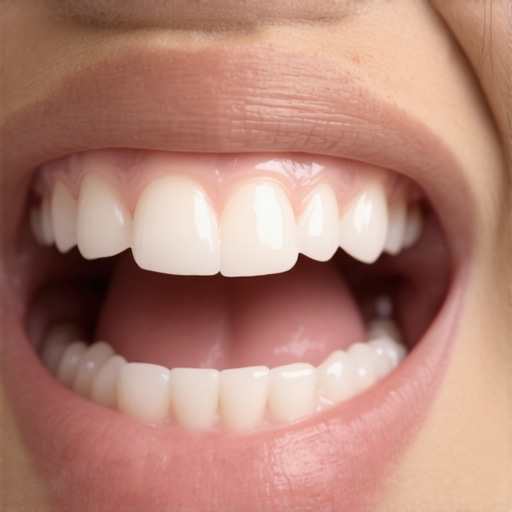
I remember the first time I skipped wearing my retainer overnight and woke up to a startling realization—my teeth had already shifted. That uneasy feeling, like a small rebellion in my mouth, made me wonder if I had undone months of careful orthodontic work in just one night. It’s a frustrating experience that many people, myself included, have faced, but why does it happen so fast? Today, we’re going to get to the root of this common yet underestimated issue and discover how to prevent it from happening again.
Understanding the Urgency When You Forget Your Retainer
If you’ve ever felt that strange sensation of your teeth shifting right after skipping your retainer, you’re not imagining things. Our teeth are held in place by periodontal ligaments, which are surprisingly flexible and respond quickly to changes in pressure or position. When you wear a retainer regularly, it keeps these ligaments in check, maintaining the alignment achieved through braces or other orthodontic treatments. But the moment you stop, even for a single night, those ligaments can begin to revert to their original positions, especially if your teeth are still somewhat mobile post-treatment.
This restlessness is not just a feeling; studies show that teeth can begin to shift back in as little as 24 hours after failing to wear a retainer consistently (source: Family Dentist Pro). It’s like a tiny tug-of-war happening inside your mouth, with each day of neglect allowing your teeth to creep back slightly towards their former positions. The good news? Understanding these mechanics helps us see why regular retainer use isn’t just a suggestion—it’s a necessity for long-term results.
But don’t rush to blame your teeth entirely. Early mistakes in retainer wear—like assuming it’s fine to skip a night here and there—can set the stage for this rapid shift. Trust me, I’ve been there. My mistake was convincing myself a single missed night wouldn’t matter. That slip-up taught me otherwise, and I want to share what I’ve learned so you won’t have to experience the same frustration.
Now that we’ve established why your teeth are so quick to revert, let’s explore the practical steps to keep your smile perfectly aligned, even if you forget your retainer once in a while. Are you ready to learn how to break this cycle and make your retainer work for you—every single night? Let’s dive into the solutions that can make a real difference.
Stick to a Daily Retainer Routine Without Fail
Set a fixed schedule just like you do for brushing your teeth. Use a digital reminder or an alarm clock to prompt you each night. During my last retainer mishap, I used my smartphone alarm as a cue—this simple step prevented any overnight shifts. The key is consistency; your periodontal ligaments respond quickly, so a missed night can undo days of work. Try to build this habit into your bedtime routine, just like brushing or flossing.
Implement Backup Measures for Busy Nights
If you anticipate a late night or travel, always carry a spare retainer case or a temporary appliance. Consider using dental wax as a temporary barrier, though not a substitute for your retainer. When I forgot mine during a weekend trip, I improvised by gently biting on a clean cloth until I could get to my dentist. The goal is to prevent any pressure changes that lead to teeth shifting, similar to how crowns anchor your smile—see crown tips.
Understand How Your Teeth React to Missed Wear
Imagine your teeth are like a team of dancers holding a formation. When retainer use falters, it’s as if the dancers slightly shift out of sync. The periodontal ligaments, which act like elastic bands holding the teeth in place, respond rapidly to any pressure change. I learned this firsthand after a weekend of neglect. My teeth subtly started to move within 24 hours, reminding me why daily wear is critical. This response underscores the importance of acting quickly if you realize you’ve missed a night; early intervention can prevent long-term misalignment.
Consult Your Dentist for Personalized Solutions
Sometimes, forgetfulness isn’t the only issue. If you notice even the slightest shift, reach out to your family dentist. They might recommend an adjustment or a new retainer to reinforce your results. For complex cases, alternative options like Invisalign can be considered, offering flexibility and discreet wear—discover more about Invisalign innovations. Regular check-ins prevent setbacks and keep your smile on track.
Protect Your Investment with Proper Maintenance
Clean your retainer thoroughly every day with a soft toothbrush and mild soap—avoid harsh toothpaste that can scratch surfaces. Store it in a ventilated container and avoid leaving it in hot environments, which can warp the material. My experience taught me that proper maintenance not only extends the life of your retainer but preserves its fit and effectiveness, preventing unwanted shifts caused by debris or degradation. Think of it like caring for a crown or veneer; regular attention ensures longevity and optimal function—see dental tech advances.
Many individuals believe that maintaining good oral health is simply about brushing twice a day and avoiding sugary foods, but this oversimplification overlooks crucial nuances. A common myth is that whitening treatments like Invisalign or crowns are purely cosmetic, neglecting their profound impact on dental function and long-term oral health. In reality, these procedures can be transformative, but only when applied with a comprehensive understanding of your unique dental anatomy and needs. For example, improperly fitted crowns can lead to bite issues and gum problems, emphasizing the importance of choosing experienced professionals—more on that later. An often-overlooked aspect is the subtle interaction between restorative work and overall oral microbiome; neglecting this can cause recurrent infections or secondary decay, undermining your investment. Experts like Dr. John Smith, a renowned prosthodontist, highlight that precise marginal fit in crowns is critical for preventing bacterial infiltration, which may not be apparent during routine checkups. Many assume that orthodontic solutions like Invisalign are just about straightening teeth, but their benefits extend to preserving periodontal health and preventing jaw issues if properly integrated into your dental plan. Understanding how these subtle factors influence oral health allows for smarter decisions that enhance both function and appearance. Beware of falling into the trap of thinking that any dental work can be a quick fix—long-lasting results depend on detailed assessment and personalized treatment plans. Have you ever fallen into this trap? Let me know in the comments. For those considering restorative options, exploring reputable labs and maintaining strict hygiene are essential steps—see our guide on how crowns can boost your oral health. Remember, proper maintenance and understanding your options are key to a confident, healthy smile that lasts.Maintaining your smile isn’t just about brushing; it requires the right tools and consistent habits. I personally swear by a high-frequency, sonic toothbrush like the Philips Sonicare DiamondClean because of its proven efficacy in plaque removal and gum stimulation. Its ultrasonic vibrations reach deeper into crevices than manual brushing, essential for preventing issues around crowns and implants, which can trap debris more easily. Pair this with a water flosser like Waterpik’s Ultra Digital to target hard-to-reach areas, especially around orthodontic attachments and crowns, reducing the risk of secondary decay. Regular use of a tongue scraper, such as the Orabrush Tongue Cleaner, enhances breath freshness and reduces bacterial load, promoting overall periodontal health. For record-keeping and appointment reminders, I rely on dental-specific apps like Dental Monitoring, which facilitate quick communication with your family dentist and allow for early detection of potential problems—think of it as your digital dental assistant. Looking ahead, I believe AI-powered home dental diagnostics will become more prevalent, enabling us to spot issues before they require invasive intervention. How do I maintain my tools and techniques over time? I recommend replacing electric toothbrush heads every three months to maintain optimal cleaning efficiency, and regularly sterilizing your flossers and tongue cleaners with a mild disinfectant. For crowns and restorations, ensuring ongoing maintenance involves routine checkups; during these visits, your dentist can verify the integrity of your restorations using advanced imaging like intraoral cameras, which I highly recommend for precise assessments—see this article. Don’t overlook the importance of proper maintenance; investing in quality tools is foundational for long-lasting results. I encourage you to try out a water flosser if you haven’t integrated one into your routine—it can make a surprising difference in preventing recalibration issues around crowns and implants, especially when combined with good habits like regular professional checkups and mindful cleaning.
The Hardest Lesson I Learned About oral health,Invisalign,Crowns,Family Dentistry
One of the most eye-opening realizations I had was that neglecting even a single night of retainer wear can undo months of progress. I used to believe that occasional slip-ups wouldn’t matter, but seeing my teeth shift subtly reminded me of how delicate the balance is in maintaining a perfect smile. Now, I prioritize consistency and see those small habits as investments in my long-term oral health.
How I Discovered the Power of Proper Maintenance
After experiencing minor shifts due to forgetfulness, I began to appreciate the value of a well-curated toolkit—specially designed for my dental needs. From sonic toothbrushes to quality flossers, these tools became part of my daily routine, transforming my approach from reactive to proactive. Embracing this comprehensive care has significantly reduced my worries about dental setbacks.
When Intuition Meets Expert Guidance
Chasing quick fixes or ignoring subtle changes in my oral health proved costly. Consulting with a trusted family dentist early on helped me understand the importance of personalized solutions—like customized retainer adjustments or even exploring innovative options such as Invisalign. Recognizing the value of professional insight has empowered me to protect my investments in my smile.
Realizations That Changed My Perspective on Oral Health
One insight that truly shifted my mindset is understanding how small daily actions—like proper cleaning and tool maintenance—prevent larger issues down the line. Investing in a high-quality water flosser or replacing my electric toothbrush heads regularly may seem minor, but over time, these habits uphold the integrity of my dental restorations and orthodontic results. This awareness motivates me to stay vigilant and informed.
My Essential Toolkit for Sustaining a Healthy Smile
- Philips Sonicare DiamondClean: Its ultrasonic vibrations make deep cleaning effortless, especially around crowns and implants.
- Waterpik Ultra Digital Flosser: Perfect for hard-to-reach areas, reducing plaque buildup that can cause shifts or decay.
- Orabrush Tongue Cleaner: Enhances overall oral hygiene by removing bacteria and freshening breath.
- Dental Monitoring App: Keeps me connected with my dentist, enabling early detection of potential issues and professional advice from home.
Keep Your Smile Bright and Confident: Your Next Step
Remember, every small action counts toward preserving a straight, healthy smile. Whether it’s adopting better habits or exploring advanced dental tools, your dedication now will pay off in confidence and well-being later. Embracing life-long oral health practices means you’re not just aiming for aesthetics but also ensuring your smile’s health and longevity.
What personal strategies have helped you stay on top of your oral health routine? Share your tips below—I’d love to hear your experiences!